Are Hydrangeas Toxic to Dogs? What Every Owner Should Know
Yes — hydrangeas are toxic to dogs.
Hydrangeas are toxic to dogs. All parts contain amygdalin, a cyanogenic glycoside that can release cyanide in the body. Most dogs get vomiting, diarrhea, and lethargy; serious cyanide poisoning is rare but possible after a large ingestion. Call your vet if your dog eats any part of one.
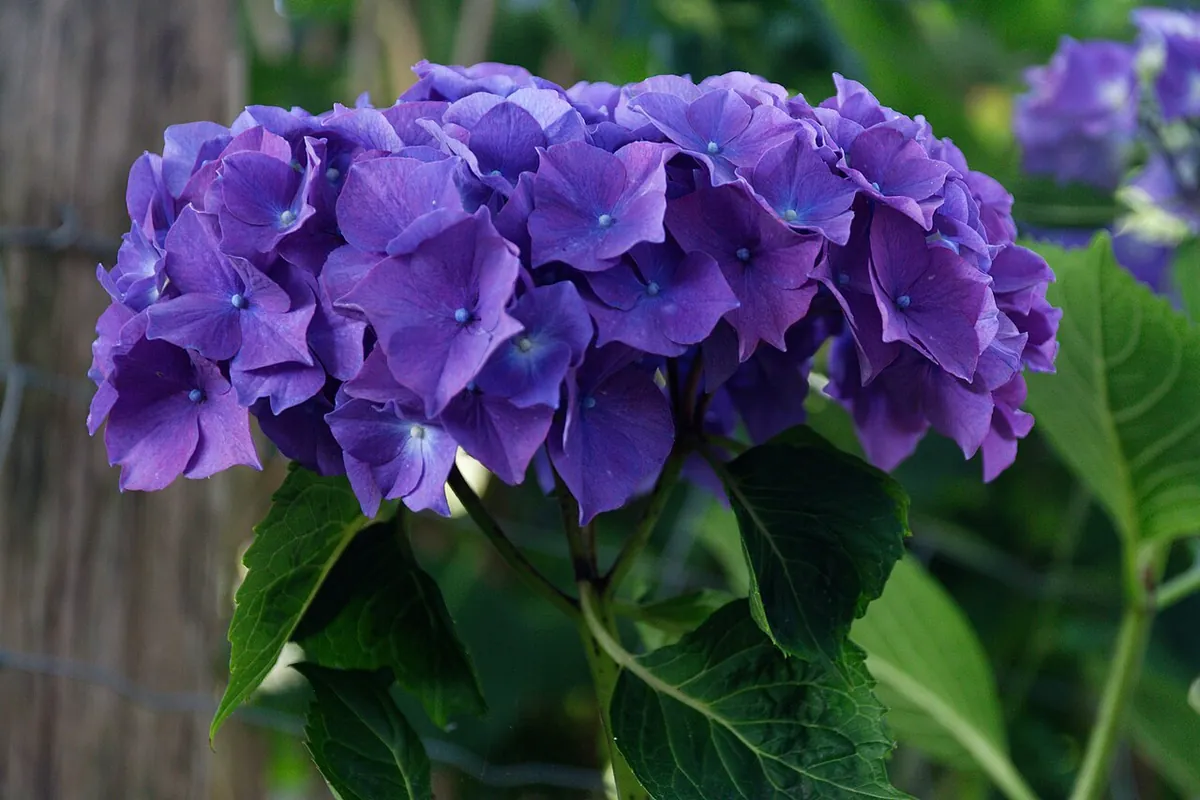

- Item
- Hydrangeas
- Scientific name
- Hydrangea spp.
- Also called
- Bigleaf hydrangea, Hortensia, Hills of Snow, Seven Bark, Mophead hydrangea
- Category
- Plants
- Verdict
- Toxic
- Symptoms start
- Often within a few hours of eating the plant.
Yes — hydrangeas are toxic to dogs. The ASPCA lists them as toxic to dogs, cats, and horses, and PetMD calls them one of many plants poisonous to dogs. Every part of the plant carries the toxin — flowers, leaves, stems, and buds.
Most dogs that nibble a hydrangea only get stomach upset. The bad news is that a dog working through a whole shrub can be in real danger, because the toxin can release cyanide in the body. Knowing the signs — and calling your vet early — makes the difference.
If your dog ate it — what to do now
- Remove any hydrangea from your dog's mouth if you can do so safely, and keep the plant or take a photo of it for identification.
- Call your veterinarian or the Pet Poison Helpline at (855) 764-7661 right away.
- Tell them how much your dog ate, when it happened, and your dog's weight and size.
- Follow your vet's instructions exactly, and take your dog to the vet or an emergency clinic if they tell you to.
- If your dog is drooling heavily, struggling to breathe, collapsing, or having a seizure, go to a veterinary emergency hospital immediately.
Do not do this
- Do not induce vomiting at home — only a vet should decide that, and only within a few hours of ingestion.
- Do not give home remedies, milk, or activated charcoal on your own.
- Do not wait to see if the symptoms pass on their own.
- Do not assume a small nibble is safe — the toxic amount is not known, so call your vet about any ingestion.
- Do not leave your dog alone in a yard or room with hydrangeas while you wait for advice.
What makes hydrangeas toxic to dogs?
Hydrangeas contain amygdalin, a cyanogenic glycoside — a compound that can release cyanide when plant tissue is chewed and digested. PetMD explains that when a dog chews hydrangea and swallows amygdalin, the chemical is metabolized to produce cyanide, which reduces the body's ability to use oxygen. The ASPCA names the same toxic principle for the whole genus.
The highest concentration of amygdalin is in the leaves and flowers, according to PetMD, though all parts are toxic. The common garden hydrangea is the bigleaf hydrangea (Hydrangea macrophylla), with big round clusters of pink, blue, purple, or white flowers; the smooth hydrangea (Hydrangea arborescens) is the species the ASPCA lists by name. The same warning applies to every garden hydrangea.
Cyanogenic glycosides are not unique to hydrangeas — PetMD notes they are also in almonds, apple and pear seeds, and the pits of cherries, peaches, apricots, and plums. What matters for your dog is the amount eaten and how thoroughly it was chewed, since chewing frees the toxin from the plant tissue.
How much hydrangea is dangerous for a dog?
The exact amount needed to cause toxicity is not currently known. PetMD states this plainly, and adds the condition has not been studied extensively because cyanide toxicity from hydrangeas is so rare in dogs. There is no published toxic dose and no safe amount — do not assume a small nibble is harmless.
Toxicity is dose-dependent, so risk grows with the amount eaten. PetMD notes smaller dogs are believed to be at higher risk, because a smaller dog can show signs from less plant material. A puppy or small dog that chews a hydrangea bush is a bigger worry than a large dog that takes one bite of a petal.
The ASPCA adds an important reassurance: cyanide intoxication from hydrangea is rare, and most exposures usually produce more of a gastrointestinal disturbance. Serious poisoning is mainly a risk after a large ingestion of leaves and flowers, chewed thoroughly.
Symptoms of hydrangea poisoning in dogs
Most dogs that eat hydrangea get stomach upset. The ASPCA lists vomiting, depression, and diarrhea as the clinical signs, and PetMD adds lethargy and drooling. Your dog may also lose its appetite, seem unusually quiet, or show belly pain such as hunching or restlessness. Signs often appear within a few hours of eating the plant.
A large ingestion can bring on cyanide poisoning, which is far more serious: PetMD describes rapid breathing, muscle tremors, a fast or irregular heartbeat, and fever, and notes dogs showing severe signs that survive two hours or more will typically recover unless cyanide keeps being absorbed. If your dog is drooling heavily, gasping or struggling to breathe, collapsing, or having a seizure, go to a veterinary emergency hospital immediately.
In rare cases, a prolonged high fever after severe poisoning can lead to brain damage, according to PetMD. In mild cases, once vomiting and diarrhea have stopped and the toxin has left the digestive system, the prognosis for full recovery is excellent, and appetite and mood usually improve quickly.
What to do if your dog eats a hydrangea
Call your veterinarian or the Pet Poison Helpline at (855) 764-7661 right away if your dog has eaten any amount of any part of a hydrangea — PetMD's advice, which applies even to a small nibble, since the toxic amount is not known. Tell them how much your dog ate, when it happened, and your dog's weight and size.
Bring part of the plant or a photo so the vet can identify it. Your vet will examine your dog, may check blood and urine, and may suggest an abdominal X-ray to rule out other causes of digestive upset.
Treatment depends on your dog's size, how much was eaten, and the symptoms. PetMD explains mild cases are usually treated at home with antinausea medicine and medicine for diarrhea, sometimes with probiotics. A dehydrated dog, or one not eating, may need hospital IV fluids. If the ingestion happened within the past few hours, your vet may choose to induce vomiting — never do this at home. Severe cases need hospital care, IV fluids, medicines, and oxygen if needed.
How to keep your dog safe from hydrangeas
Hydrangeas are one of the most common garden shrubs in the United States, and also popular as cut flowers and potted plants, so keeping them away from a dog takes planning. PetMD's prevention advice is simple: do not leave your dog alone where hydrangeas grow, and keep potted hydrangeas far out of reach. Dog gates or playpens can keep a dog away from one in the house.
In the garden, fence off hydrangea beds, especially if your dog likes to chew or dig. Fallen leaves and pruned stems are still toxic, so clean up after pruning and storms, and never toss clippings where your dog plays. Puppies and dogs that chew are the biggest concern — they may work through leaves, flowers, and stems while exploring the yard.
Check bouquets before you bring them inside. A hydrangea stem in a vase is just as toxic as one in the garden, and a dog can reach a low table or a knocked-over vase. Ask your florist for a pet-safe substitute, or keep it in a room your dog cannot enter.
Safe alternatives to hydrangeas
You do not have to give up big, colorful blooms to keep your dog safe. Roses are listed as non-toxic to dogs by the ASPCA, though their thorns can injure a mouth or paw — plant thornless varieties or keep them behind a low fence. Spider plants are also non-toxic and make good hanging houseplants for the same sunny spot a potted hydrangea would occupy.
Peruvian lilies (Alstroemeria) give you a similar lush, long-lasting flower without the cyanide risk — PetMD lists them as nontoxic to dogs, though they can still upset the stomach if eaten. Sunflowers and orchids are other pet-safe choices, but keep them out of reach if your dog is a determined chewer.
How to identify a hydrangea
The bigleaf hydrangea (Hydrangea macrophylla) is the one most people picture: a rounded shrub, three to six feet tall, with large, flat flower clusters in pink, blue, purple, or white. Flower color changes with the soil — acidic soil turns blooms blue, alkaline soil turns them pink. The leaves are broad, glossy, dark green, and serrated at the edges.
Other types look a little different. Smooth hydrangeas (Hydrangea arborescens) have rounder white flower clusters and softer leaves; panicle hydrangeas (Hydrangea paniculata) have cone-shaped white flower heads; oakleaf hydrangeas (Hydrangea quercifolia) have lobed leaves shaped like oak leaves and white flowers that fade to pink. All of them carry the same warning.
If you are not sure whether a shrub is a hydrangea, do not guess. Photograph the flowers and leaves for your veterinarian or poison control, and keep your dog away from it until you know.
Symptoms to watch for
- Vomiting
- Diarrhea
- Lethargy
- Depression
- Loss of appetite
- Excessive drooling
- Abdominal pain
- Rapid breathing (large ingestion)
- Rapid or irregular heartbeat (large ingestion)
- Muscle tremors (large ingestion)
- Collapse (rare, large ingestion)
Symptoms often start within a few hours of eating the plant. Most cases cause only stomach upset; rapid breathing, tremors, or collapse after a large ingestion are an emergency.
Safe alternatives
- Roses — Listed as non-toxic to dogs by the ASPCA; thorns can injure a mouth or paw.
- Spider plants — Listed as non-toxic to dogs by the ASPCA and easy to hang out of reach.
- Peruvian lilies — A hydrangea-season lookalike PetMD lists as nontoxic to dogs, though it can still upset the stomach.
What about cats? Hydrangeas are also toxic to cats — the ASPCA lists them as toxic to cats, dogs, and horses, with the same signs of vomiting, depression, and diarrhea. Keep cut hydrangea stems and bouquets out of reach of cats as well as dogs.
Frequently asked questions
Are hydrangeas poisonous to dogs?
Yes. Hydrangeas are toxic to dogs. All parts of the plant — flowers, leaves, stems, and buds — contain amygdalin, a cyanogenic glycoside. Most dogs develop vomiting, diarrhea, and lethargy, and a large ingestion can cause cyanide poisoning. Call your vet if your dog eats any part of one.
How much hydrangea is dangerous for a dog?
The exact amount needed to cause toxicity is not currently known, according to PetMD, and the condition has not been studied extensively because serious cyanide poisoning from hydrangeas is so rare in dogs. Toxicity is dose-dependent, and smaller dogs are believed to be at higher risk than larger dogs. Do not try to judge a safe amount yourself — call your vet about any ingestion.
What should I do if my dog ate a hydrangea?
Call your veterinarian or the Pet Poison Helpline at (855) 764-7661 right away. Bring part of the plant or a photo so it can be identified. If your dog is vomiting repeatedly, drooling heavily, struggling to breathe, or collapsing, go to a veterinary emergency hospital immediately. Never induce vomiting at home.
Are hydrangeas toxic to cats?
Yes. The ASPCA lists hydrangeas as toxic to cats, dogs, and horses, with the same signs: vomiting, depression, and diarrhea. Cats usually eat less plant material than dogs, but keep hydrangeas out of their reach too.
Sources
- ASPCA Poison Control — Toxic and Non-toxic Plants: Hydrangea
- PetMD — Are Hydrangeas Poisonous to Dogs?
- University of Illinois College of Veterinary Medicine — Updated Community Booklet
Related guides

Tulips are toxic to dogs. Every part of the plant contains tulipalin A and B, but the bulb holds the highest concentration, so a dog that digs up and eats bulbs faces the greatest risk.
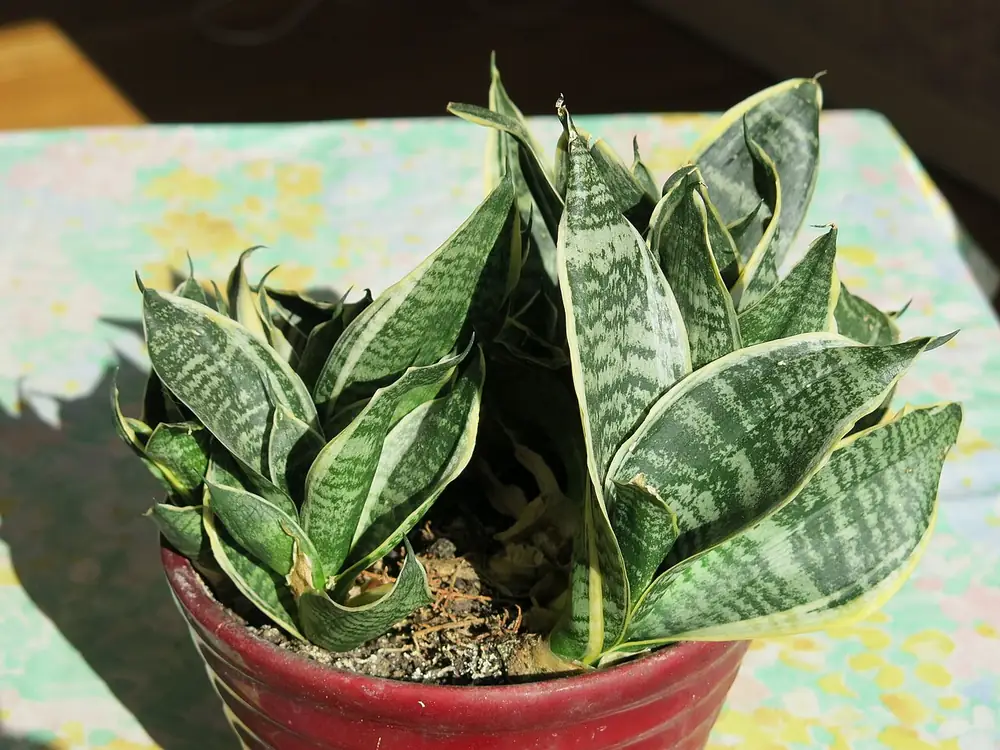
Snake plants are toxic to dogs. They contain saponins, which irritate the mouth and stomach and usually cause nausea, vomiting, and diarrhea.
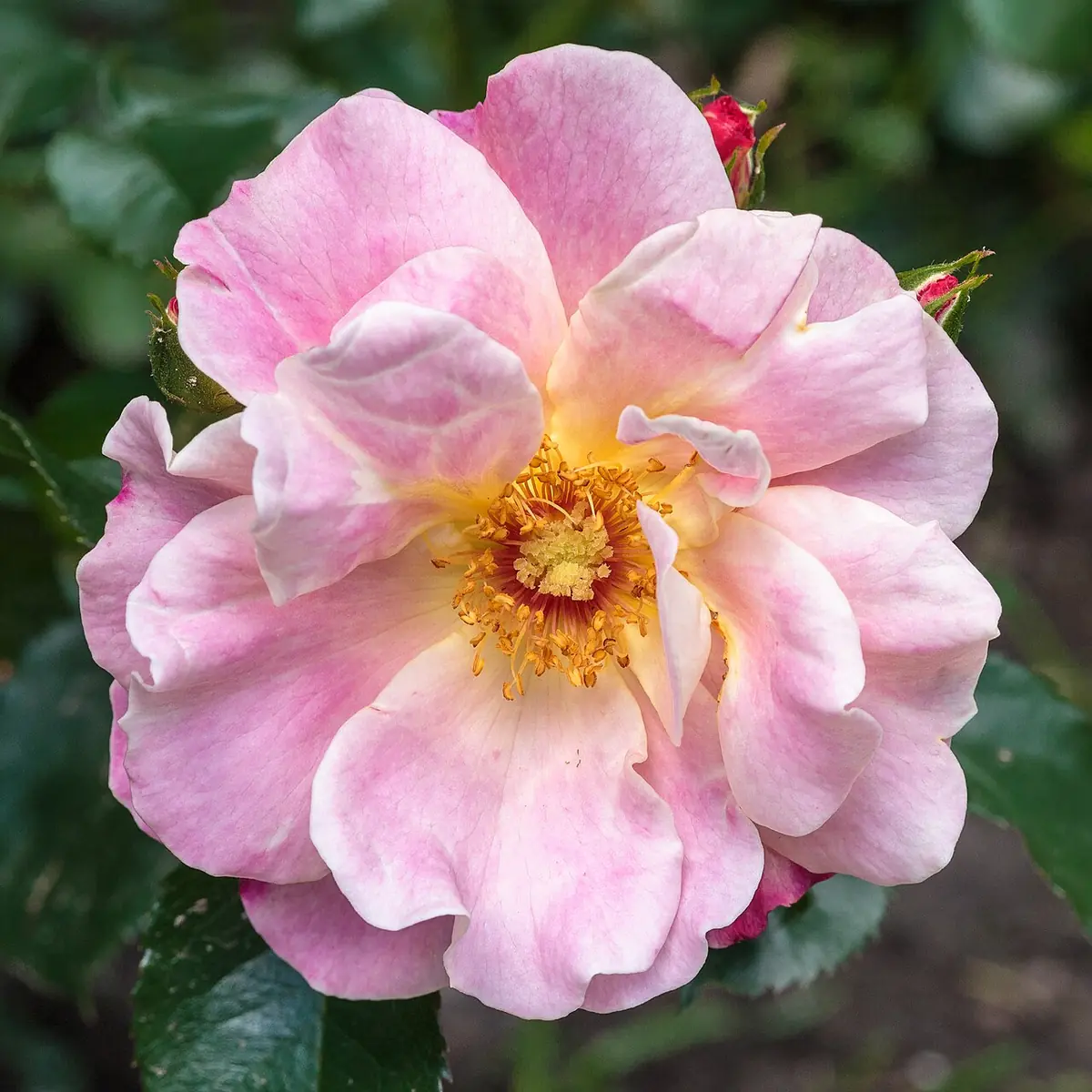
The ASPCA lists roses (Rosa species) as non-toxic to dogs, cats, and horses. The real risks are the thorns and any pesticides, fertilizers, or flower food on the plant.
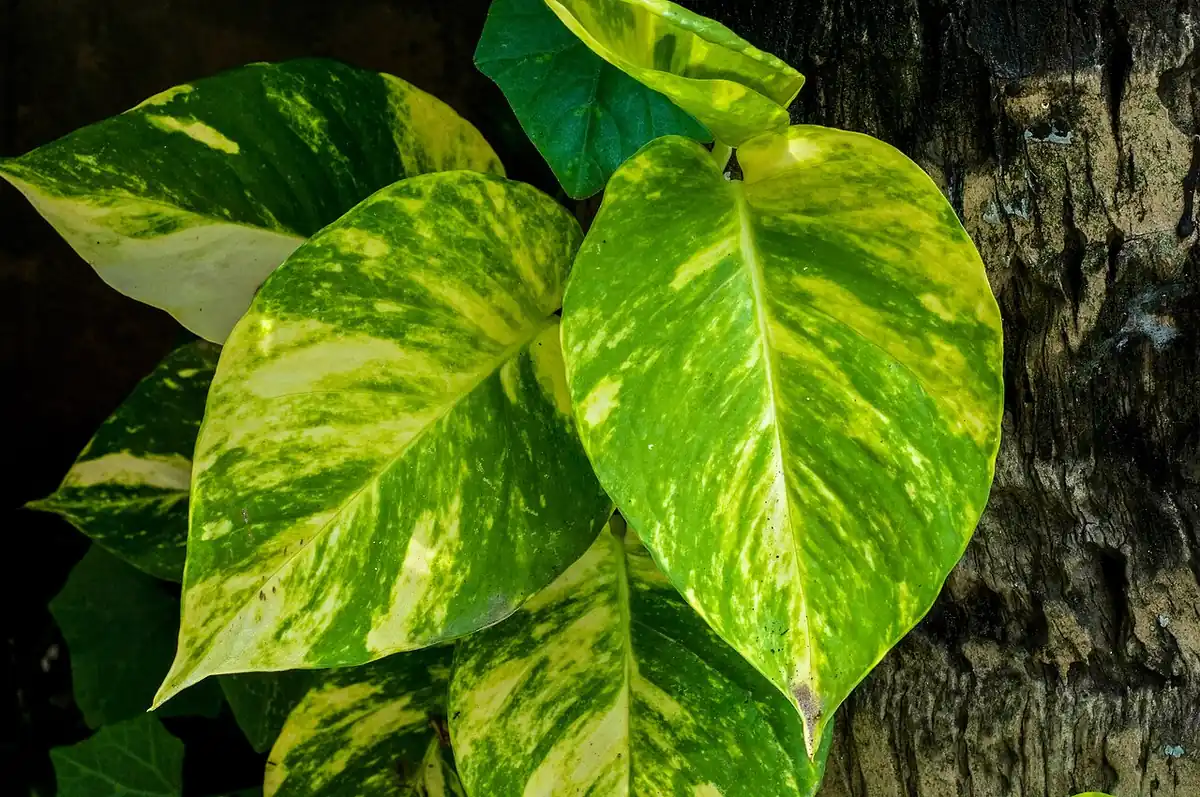
Pothos is toxic to dogs. Its leaves and stems contain insoluble calcium oxalate crystals that injure the mouth on contact, causing intense burning, drooling, and vomiting.