Are Pothos Toxic to Dogs? Symptoms, Risks, and What to Do
Yes — pothos is toxic to dogs.
Pothos is toxic to dogs. Its leaves and stems contain insoluble calcium oxalate crystals that injure the mouth on contact, causing intense burning, drooling, and vomiting.

- Item
- Pothos
- Scientific name
- Epipremnum aureum
- Also called
- Pothos, Golden pothos, Devil's ivy, Taro vine, Ivy arum
- Category
- Plants
- Verdict
- Toxic
- Symptoms start
- Symptoms usually begin within minutes of chewing, because the crystals injure the mouth on contact. PetMD notes that symptoms of plant poisoning in general can appear within minutes to hours, depending on the plant and the amount eaten.
Yes, pothos is toxic to dogs. The ASPCA lists golden pothos (Epipremnum aureum), also sold as devil's ivy, as toxic to dogs and cats. Its leaves and stems contain insoluble calcium oxalate crystals, which injure the mouth on contact and cause intense burning, drooling, and vomiting.
Pothos is one of the most common houseplants in the United States. It hangs in baskets, trails down bookshelves, and climbs moss poles in living rooms, offices, and bedrooms, which puts its leaves within easy reach of a curious dog. This page explains what makes pothos toxic, how much is dangerous, the symptoms to watch for, and exactly what to do if your dog chews it.
If your dog ate it — what to do now
- Take the pothos away so your dog cannot eat more.
- Gently remove any leaves or stem pieces still in the mouth, if it is safe to do so.
- Rinse your dog's mouth gently with cool water if it will let you.
- Call your veterinarian or the ASPCA Animal Poison Control Center at (888) 426-4435 right away (a consultation fee may apply). Do not wait for symptoms to appear.
- Follow the veterinarian's advice, which may include bringing your dog in for examination and supportive care.
- Watch for ongoing drooling, vomiting, swelling, or difficulty swallowing or breathing, and report them to the veterinarian.
Do not do this
- Do not induce vomiting unless a veterinarian tells you to.
- Do not reach into the mouth of a dog that is snapping or in pain.
- Do not give milk, food, oil, or home remedies as a substitute for veterinary advice.
- Do not wait to see if symptoms develop before calling for advice.
- Do not assume a small nibble is harmless if your dog keeps vomiting or has trouble swallowing.
What makes pothos toxic to dogs?
Pothos (Epipremnum aureum) belongs to the arum family, Araceae. Its toxic principle is insoluble calcium oxalates, tiny needle-shaped crystals bundled together in structures called raphides. The crystals sit inside specialized cells throughout the leaves and stems, and chewing breaks those cells open.
When a dog chews pothos, the crystals are released and pierce the soft tissue of the mouth, tongue, and throat. The injury is mainly physical, not chemical: the needles cut and inflame the lining of the mouth, and the plant also contains compounds that trigger histamine release, which adds to the swelling and pain. Because the crystals do not dissolve, they are not absorbed into the bloodstream, so the damage stays mostly in the mouth and throat.
- Leaves: the part dogs most often chew, and the main source of crystals.
- Stems and vines: carry the same crystals, including cuttings left in water.
- Roots and fallen leaves: still contain crystals, so a dropped leaf is not safe to chew.
How much pothos is dangerous for a dog?
There is no established safe dose for pothos, and no published toxic dose in milligrams per kilogram of body weight. A single bite can be enough to cause pain and drooling, because the crystals injure the mouth on contact. The risk depends on how much was chewed and swallowed, and on your dog's size, but no amount is known to be safe.
In practice, most dogs stop chewing after the first bite because the pain is immediate and sharp. That self-limiting behavior is why most pothos cases are mild. Even so, a dog that keeps chewing, swallows several leaves, or is very small faces a greater risk, and severe mouth and throat swelling is possible. Do not try to work out a safe number of leaves on your own. If your dog chewed pothos, call your veterinarian for advice even if the symptoms look mild.
Symptoms of pothos poisoning in dogs
The ASPCA lists oral irritation, intense burning and irritation of the mouth, tongue, and lips, excessive drooling, vomiting, and difficulty swallowing as the clinical signs of pothos poisoning in dogs. VETgirl, a veterinary continuing-education service, adds that dogs may paw at the mouth or muzzle, refuse food, and show swelling of the lips, tongue, and throat.
Signs usually appear within minutes of chewing. Most cases stay mild and are limited to the mouth and throat, and dogs often recover within a day. In rare cases, swelling of the throat can make breathing difficult. VETgirl notes one published case in which a dog needed a temporary tracheostomy (a breathing tube in the windpipe) after a calcium oxalate plant exposure, so any trouble breathing or swallowing is an emergency.
What to do if your dog eats pothos
Stay calm and act quickly. Take the plant away so your dog cannot eat more, and gently remove any leaves or stem pieces still in its mouth if it is safe to do so. Do not reach into the mouth of a dog that is snapping or in pain. If your dog will let you, rinse its mouth gently with cool water to wash out loose crystals.
Call your veterinarian or the ASPCA Animal Poison Control Center at (888) 426-4435 right away (a consultation fee may apply). Tell them how much your dog ate and when. Your veterinarian may advise monitoring at home, or may ask you to bring your dog in. VETgirl notes that treatment is supportive and there is no antidote: it may include flushing the mouth, anti-nausea medication, fluids if your dog is dehydrated, and pain relief if needed.
How to keep your dog safe from pothos
Pothos is dangerous precisely because it is so common and so easy to grow. It trails from hanging baskets, climbs shelves, and sits on desks and windowsills, and its long vines often dangle at dog-nose height. Cuttings root in jars of water on kitchen counters, and fallen leaves land on the floor where a dog can find them.
The safest option is to keep pothos in a room your dog cannot enter, or to replace it with a non-toxic plant. If you keep it, hang it high and prune the vines so they do not trail within reach. Remember that a plant on a high shelf is only safe if the vines cannot be pulled down and the pot cannot be knocked over. If your dog is a determined chewer, remove the plant rather than relying on height alone.
- Hang pothos in baskets well above your dog's reach, and check that trailing vines cannot be pulled down.
- Keep cuttings and propagation jars on high shelves, never on low tables.
- Pick up fallen leaves promptly — a dropped leaf is still toxic.
- Teach a reliable "leave it" cue, and supervise puppies around houseplants.
Safe alternatives to pothos
If you like the look of a trailing houseplant, spider plants are the closest swap. The ASPCA lists spider plants as non-toxic to dogs, and they produce long, arching leaves and plantlets that trail just like pothos. Boston ferns are another non-toxic option for hanging baskets, and they give the same lush, green feel.
Remember that "non-toxic" does not mean "food." The ASPCA notes that eating any plant material can cause vomiting and stomach upset in dogs and cats, so even a safe plant should not become a snack. But a dog that chews a spider plant leaf is not facing the crystal injury that pothos causes.
How to identify pothos in your home
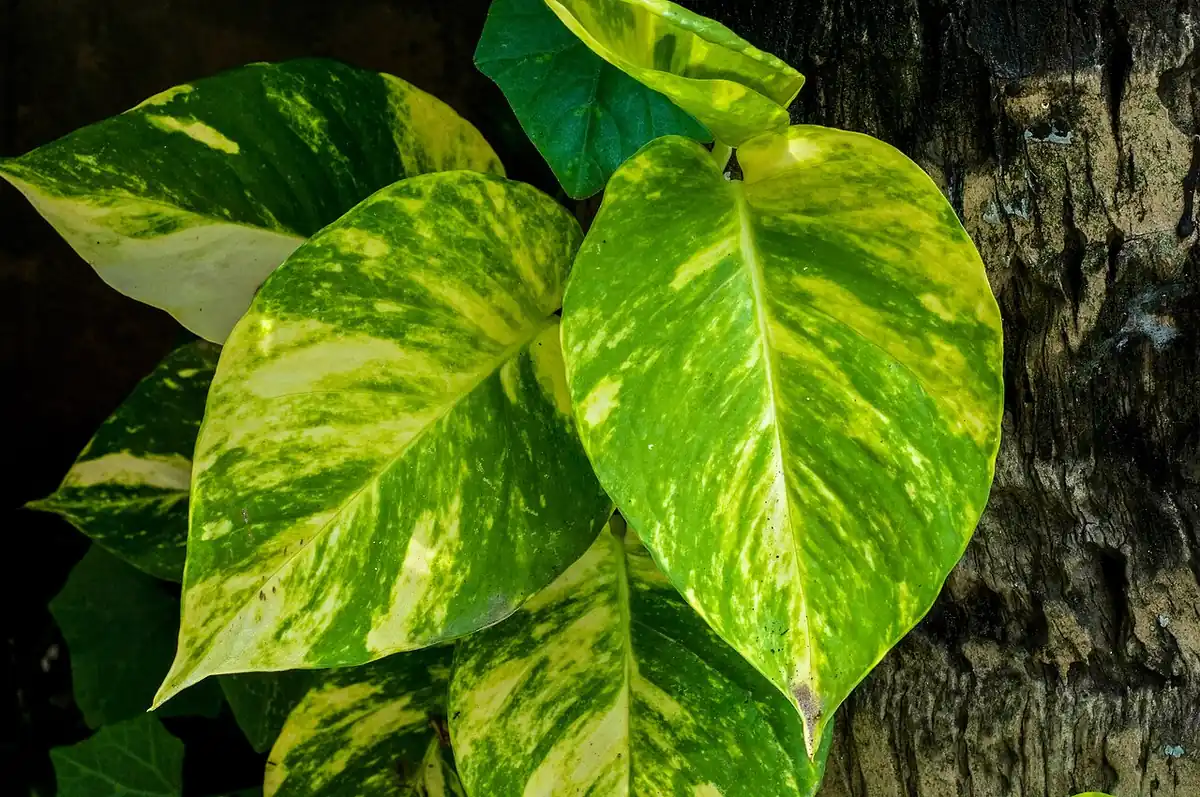
Pothos has heart-shaped leaves, usually 2 to 4 inches long indoors, on long trailing or climbing vines. Golden pothos, the most common type, has green leaves marbled with yellow or cream. Other varieties change the pattern, not the shape: Marble Queen has mostly white leaves, Neon has bright lime-green leaves, and Jade has solid dark-green leaves.
Pothos is often confused with philodendron, which has a similar look and is also toxic to dogs, so the safest rule is to treat any trailing heart-shaped houseplant as unsafe until you have confirmed its name. Check the plant label, or look up the leaves and growth habit against a reliable plant guide. If you are unsure what a plant is, keep your dog away from it and ask your veterinarian or a local nursery to identify it.
Symptoms to watch for
- Intense burning and irritation of the mouth, tongue, and lips
- Excessive drooling (hypersalivation)
- Pawing at the mouth or muzzle
- Vomiting
- Difficulty swallowing
- Loss of appetite
- Swelling of the lips, tongue, and throat
- Difficulty breathing (rare, if swelling is severe)
Signs usually appear within minutes of chewing and are mostly limited to the mouth and throat; most cases are mild, but severe throat swelling that affects breathing is an emergency.
Safe alternatives
- Spider plants — Listed as non-toxic to dogs by the ASPCA, and a hardy trailing plant that gives a similar look without the calcium oxalate risk.
- Boston fern — Listed as non-toxic to dogs by the ASPCA, and a good choice for hanging baskets.
What about cats? Pothos is toxic to cats as well as dogs. The ASPCA lists the same toxic principle, insoluble calcium oxalates, for cats, with the same signs: oral irritation, intense burning of the mouth, tongue, and lips, excessive drooling, vomiting, and difficulty swallowing. Keep pothos out of reach of cats too, and call your veterinarian if a cat has chewed any part of one.
Frequently asked questions
Is one bite of pothos enough to hurt a dog?
A single bite is usually enough to cause pain, drooling, and vomiting, because the crystals injure the mouth on contact. Most dogs stop chewing after the first bite. Even so, call your veterinarian for advice, especially if your dog swallowed leaves, keeps vomiting, or has trouble swallowing.
Are all types of pothos toxic to dogs?
All pothos varieties carry the same toxic principle, insoluble calcium oxalates. Golden, Marble Queen, Neon, and Jade pothos differ only in leaf color and pattern, so none of them is safe for a dog to chew.
Can dogs eat pothos leaves?
No. Pothos is toxic because of the crystals in its leaves and stems, and it should not be eaten by dogs or people. Wash your hands after handling cuttings, and keep the plant away from children as well as pets.
My dog ate pothos — what should I do?
Remove the plant, rinse your dog's mouth gently with water if it will let you, and call your veterinarian or the ASPCA Animal Poison Control Center at (888) 426-4435. Do not try to make your dog vomit unless a veterinarian tells you to.
Sources
- ASPCA Poison Control — Golden Pothos
- VETgirl — Calcium oxalate plant toxicosis in dogs & cats
- PetMD — Plants Toxic to Dogs: 19 Dangerous Plants To Avoid
Related guides

Tulips are toxic to dogs. Every part of the plant contains tulipalin A and B, but the bulb holds the highest concentration, so a dog that digs up and eats bulbs faces the greatest risk.
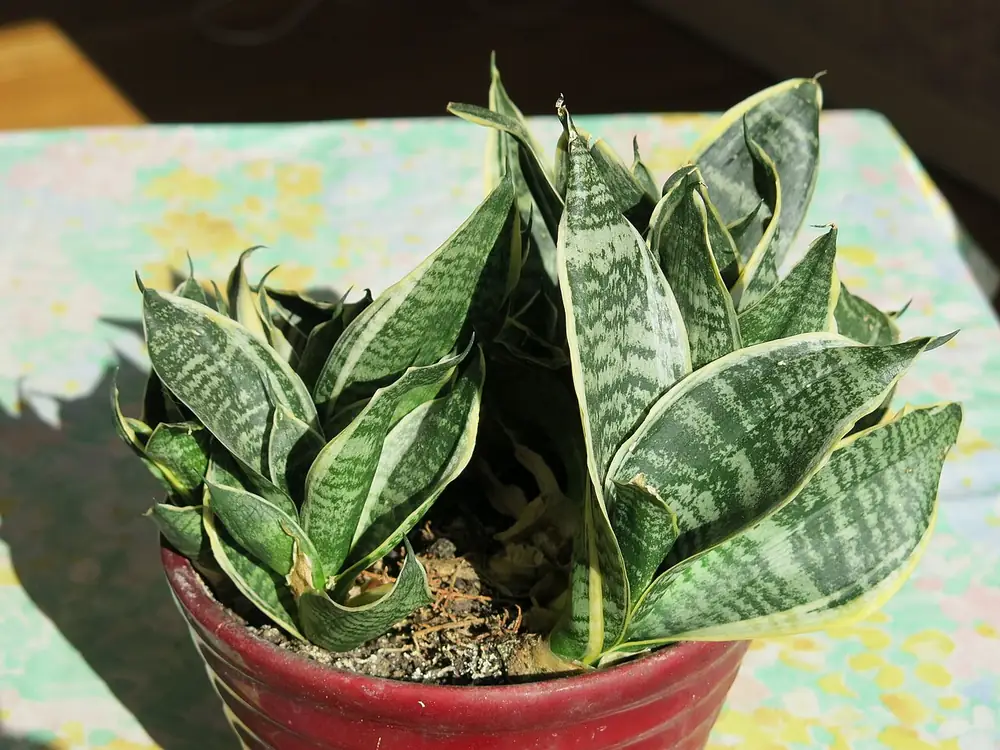
Snake plants are toxic to dogs. They contain saponins, which irritate the mouth and stomach and usually cause nausea, vomiting, and diarrhea.
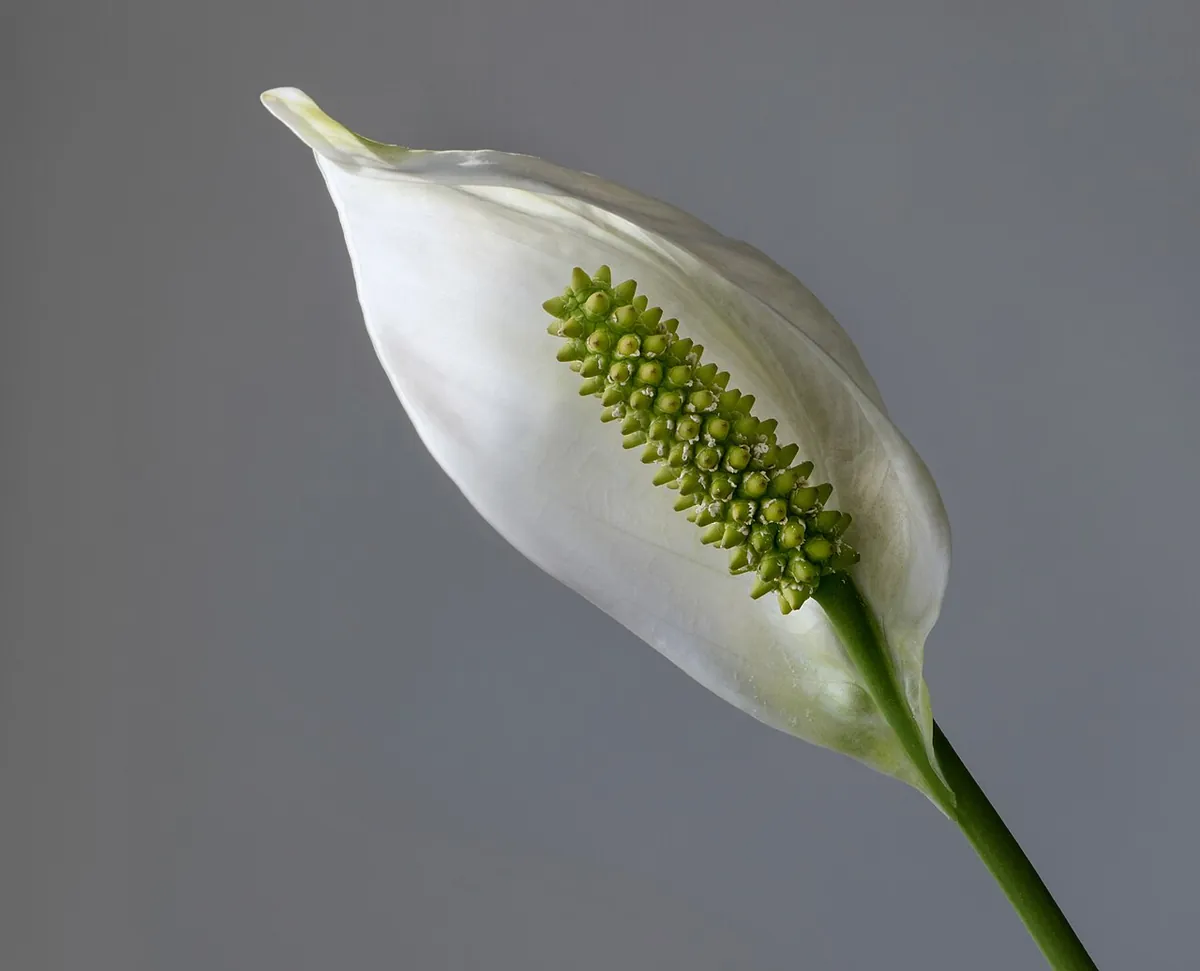
Peace lilies are toxic to dogs, but usually painful rather than life-threatening. Chewing releases calcium oxalate crystals that burn the mouth, cause drooling and vomiting, and can make swallowing difficult.
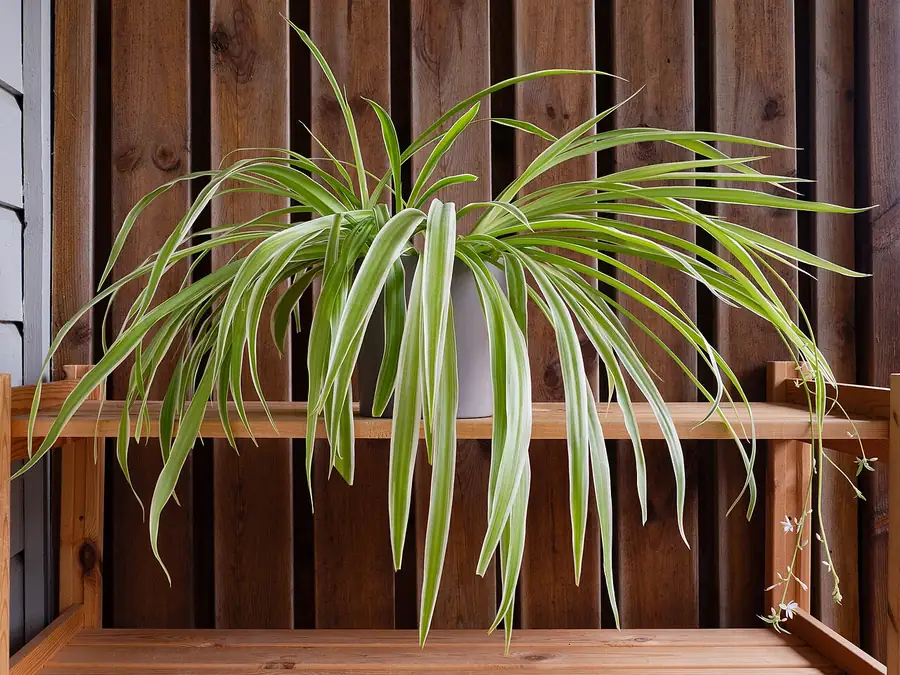
The ASPCA lists spider plants as non-toxic to dogs, cats, and horses, and PetMD includes them among the houseplants safe for dogs. A dog that eats a large amount may still get a mild stomach upset.