Is Baby's Breath Toxic to Dogs? What Every Owner Should Know
No — baby's breath is not toxic to dogs.
The ASPCA lists baby's breath (Gypsophila species) as non-toxic to dogs, cats, and horses. Eating it can cause mild vomiting or diarrhea, but it is not expected to poison a dog.
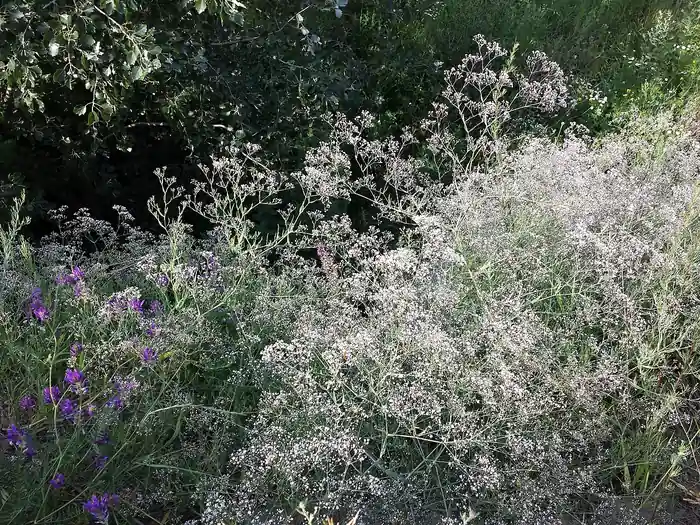

- Item
- Baby's Breath
- Scientific name
- Gypsophila spp.
- Also called
- Maidens Breath, Common gypsophila, Panicled baby's-breath
- Category
- Plants
- Verdict
- Safe
- Symptoms start
- Onset time is not well established — the ASPCA does not give a time frame for mild stomach upset after a dog eats baby's breath, so we do not state one here.
No, baby's breath is not toxic to dogs. The ASPCA Animal Poison Control Center lists baby's breath (Gypsophila species) as non-toxic to dogs, cats, and horses, and names no toxic principle for the plant. A dog that nibbles a few tiny white flowers from a bouquet is not expected to be poisoned.
That good news comes with a small caveat. The ASPCA notes that eating baby's breath can cause mild stomach upset, such as vomiting or diarrhea. And some websites describe the plant as mildly toxic, because Gypsophila contains saponins. This page explains what the ASPCA actually says, why the confusion exists, and what to do if your dog eats a large amount.
If your dog ate it — what to do now
- Take the bouquet or plant away so your dog cannot eat more.
- Check how much your dog ate and what other flowers were in the arrangement, especially lilies.
- Watch your dog for the next day for vomiting or diarrhea, and offer fresh water.
- Call your veterinarian or ASPCA Animal Poison Control Center at (888) 426-4435 (a consultation fee may apply) if your dog vomits repeatedly, has bloody stool, becomes lethargic, or refuses food or water, or if a large amount was eaten.
- If the bouquet may contain lilies, call your veterinarian or ASPCA Animal Poison Control Center at (888) 426-4435 (a consultation fee may apply) right away, even if your dog looks fine.
Do not do this
- Do not induce vomiting unless a veterinarian tells you to.
- Do not assume every flower in the bouquet is safe just because the baby's breath is — check the other stems, especially lilies.
- Do not let your dog drink vase water, which may contain flower food or bacteria.
- Do not give home remedies as a substitute for veterinary care.
Why baby's breath is considered safe for dogs
Baby's breath contains no known toxin that affects dogs. The ASPCA entry for baby's breath lists the toxic principle as non-toxic, and the only clinical signs it gives are mild stomach upset, such as vomiting and diarrhea, if the plant is eaten. The Whole Dog Journal also includes baby's breath on its list of flowers that are safe for dogs.
That matches the general rule PetMD gives for non-toxic plants: they will not poison a dog, but eating any plant material can still cause mild stomach upset. So baby's breath is safe in the sense that it will not poison your dog, not in the sense that it is food.
- ASPCA listing: non-toxic to dogs, cats, and horses
- Toxic principle: none listed by the ASPCA
- Only signs listed: mild stomach upset, such as vomiting and diarrhea
Why some websites call baby's breath toxic
If you search online, you will find websites that call baby's breath mildly toxic. The reason is chemistry: Gypsophila plants contain saponins, soap-like compounds that can irritate the gut. Some popular sites describe the plant as mildly to moderately toxic on that basis and name the saponins as the cause.
The ASPCA, the database veterinarians use, still lists baby's breath as non-toxic. Its judgment is that the saponin levels in the plant are too low to count as poisoning. We follow the ASPCA here, because it is the authoritative source, but the disagreement is a good reason to treat baby's breath with a little caution: keep bouquets out of your dog's reach instead of treating the plant as a snack.
How much baby's breath is dangerous for dogs?
There is no established toxic dose for baby's breath in dogs. The ASPCA does not publish an amount in milligrams per kilogram or a number of flowers, and we could not find one in any authoritative source we checked. There is also no established safe dose, because the plant is not treated as a food.
Amount still matters. A few nibbled flowers are not expected to cause more than mild stomach upset, if anything at all. A dog that eats a large amount of a bouquet is more likely to vomit or develop diarrhea, simply because a large amount of any plant material can upset a dog's stomach. Puppies and small dogs may show signs after a smaller amount, so watch them more closely.
- No toxic dose in mg/kg has been established
- No safe dose has been established either
- Risk rises with the amount eaten, not with a single flower
Symptoms to watch for after a dog eats baby's breath
Most dogs show no symptoms at all after nibbling baby's breath. When symptoms do appear, the ASPCA lists only mild stomach upset: vomiting and diarrhea. These signs are usually mild and short-lived.
Call your veterinarian promptly if the vomiting or diarrhea is repeated, if there is blood in the vomit or stool, or if your dog becomes lethargic, refuses food or water, or seems to be getting worse instead of better. Those signs are not typical for baby's breath, so they deserve a vet's attention. Also check what else was in the bouquet: lilies are often arranged with baby's breath, and lilies are far more dangerous than the filler.
- ASPCA signs: mild stomach upset, such as vomiting and diarrhea
- Most dogs show no symptoms after a few nibbles
- Repeated vomiting, blood, lethargy, or refusal to eat or drink needs a vet promptly
What to do if your dog eats baby's breath
Stay calm and take the bouquet or plant away so your dog cannot eat more. Work out how much your dog ate and check what else was in the arrangement, because the other flowers matter more than the baby's breath itself. Lilies, in particular, need urgent veterinary care.
Most of the time, no treatment is needed beyond watching your dog for vomiting or diarrhea over the next day. Offer fresh water and keep your dog comfortable. If your dog vomits repeatedly, has bloody stool, becomes lethargic, or refuses food or water, call your veterinarian or the ASPCA Animal Poison Control Center at (888) 426-4435; a consultation fee may apply.
How to keep your dog safe around baby's breath
Baby's breath is one of the safest bouquet flowers for a home with a dog, but a few habits keep it that way. Keep bouquets on high surfaces or in rooms your dog cannot enter unsupervised, and do not let your dog chew on arrangements or dried stems. Dried baby's breath should be treated the same as fresh: no source we checked tests it separately, so keep dried arrangements out of reach too.
Check the whole bouquet, not just the filler. Mixed arrangements often contain lilies, tulips, or other flowers that are genuinely toxic to dogs, and vase water may contain flower food or bacteria. Ask your florist whether the flowers were sprayed, and keep your dog from drinking vase water.
- Keep bouquets and dried arrangements out of your dog's reach
- Check every stem in a mixed bouquet — lilies are often arranged with baby's breath
- Do not let your dog drink vase water, which may contain flower food
- Ask your florist whether the flowers were sprayed with pesticides
Safe alternatives to baby's breath
Baby's breath is already a safe choice, but if you want other bouquet fillers and flowers, several are equally safe. Roses, sunflowers, snapdragons, statice, and orchids are all listed as safe for dogs by the ASPCA or PetMD, and they work well in the same kinds of arrangements.
Whatever you choose, keep the same habits: keep bouquets out of reach, check for sprays or flower food, and do not let your dog eat plant material. A non-toxic flower is still not food.
Symptoms to watch for
- Vomiting
- Diarrhea
- Mild stomach upset
The ASPCA lists only mild stomach upset, such as vomiting and diarrhea, for baby's breath; most dogs show no symptoms at all after a few nibbles.
Safe alternatives
- Roses — Listed as non-toxic to dogs by the ASPCA, and the classic bouquet flower.
- Sunflowers — Listed as safe for dogs by PetMD and a cheerful bouquet choice.
- Snapdragons — A colorful flower PetMD lists as safe for dogs.
- Statice — A long-lasting bouquet filler PetMD lists as safe for dogs.
- Orchids (Phalaenopsis) — A popular bouquet flower PetMD lists as safe for dogs.
What about cats? Baby's breath is also listed as non-toxic to cats by the ASPCA, with the same note that eating it can cause mild stomach upset. One warning matters more for cat owners: lilies are often mixed into the same bouquets as baby's breath, and lilies are extremely dangerous to cats, so check every stem in a bouquet, not just the filler.
Frequently asked questions
Is baby's breath toxic to dogs?
No. The ASPCA Animal Poison Control Center lists baby's breath as non-toxic to dogs. Eating it can cause mild vomiting or diarrhea, but it is not expected to poison a dog.
Can dogs eat baby's breath?
A few nibbled flowers are not expected to cause harm beyond possible mild stomach upset. Do not feed it to your dog on purpose, and keep bouquets out of reach, because eating a large amount of any plant material can upset a dog's stomach.
Is baby's breath safe for cats?
Yes. The ASPCA lists baby's breath as non-toxic to cats as well as dogs and horses, with the same note about possible mild stomach upset. Remember that lilies, which are often in the same bouquet, are extremely dangerous to cats.
Is dried baby's breath safe for dogs?
No source we checked tests dried baby's breath separately from fresh, so treat dried arrangements and dried stems the same as the fresh plant: non-toxic according to the ASPCA, but not something your dog should eat. Keep dried arrangements out of your dog's reach too.
Sources
- ASPCA Poison Control — Baby's Breath
- Whole Dog Journal — Safe Flowers for Dogs
- PetMD — 29 Flowers and Plants That Are Safe for Dogs
Related guides
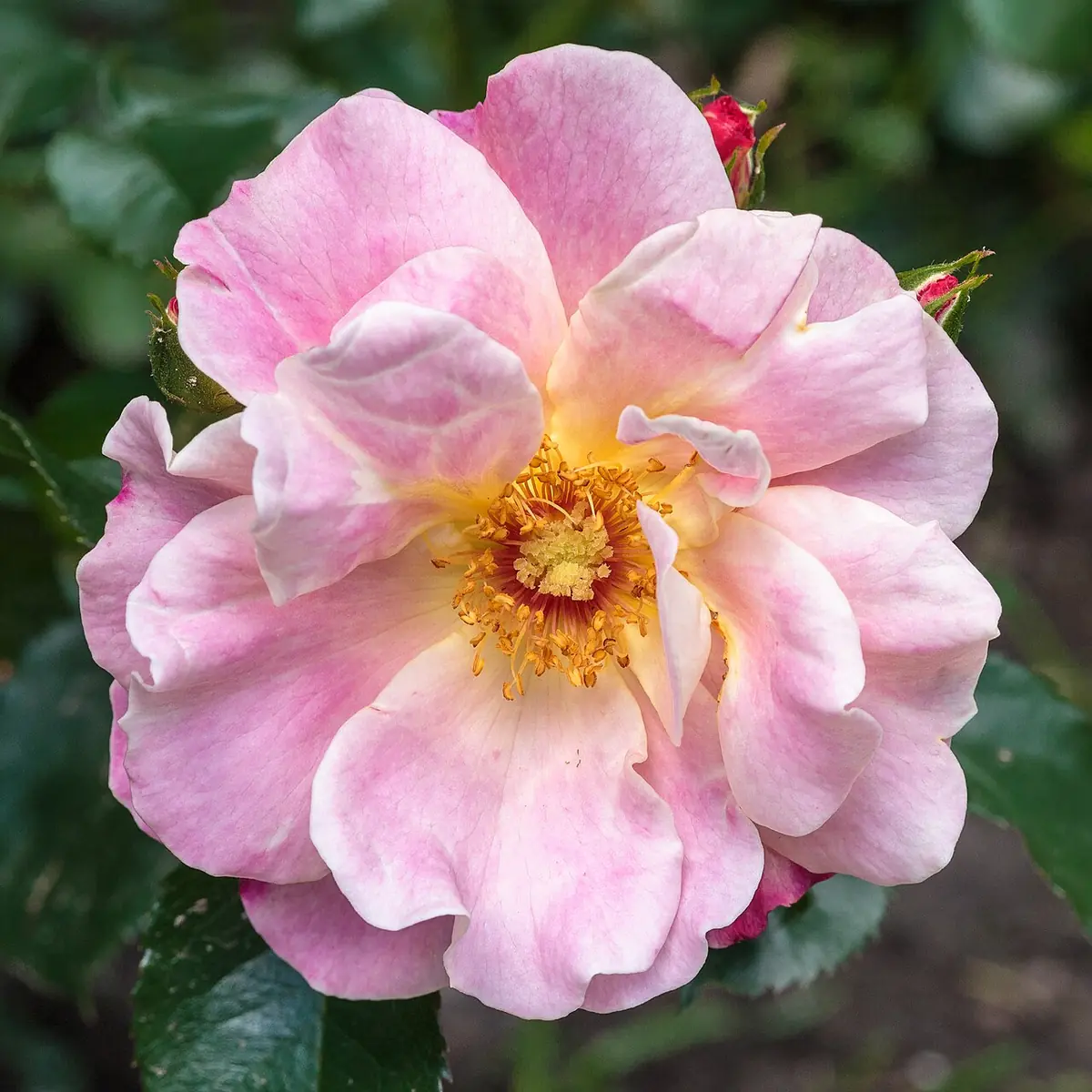
The ASPCA lists roses (Rosa species) as non-toxic to dogs, cats, and horses. The real risks are the thorns and any pesticides, fertilizers, or flower food on the plant.
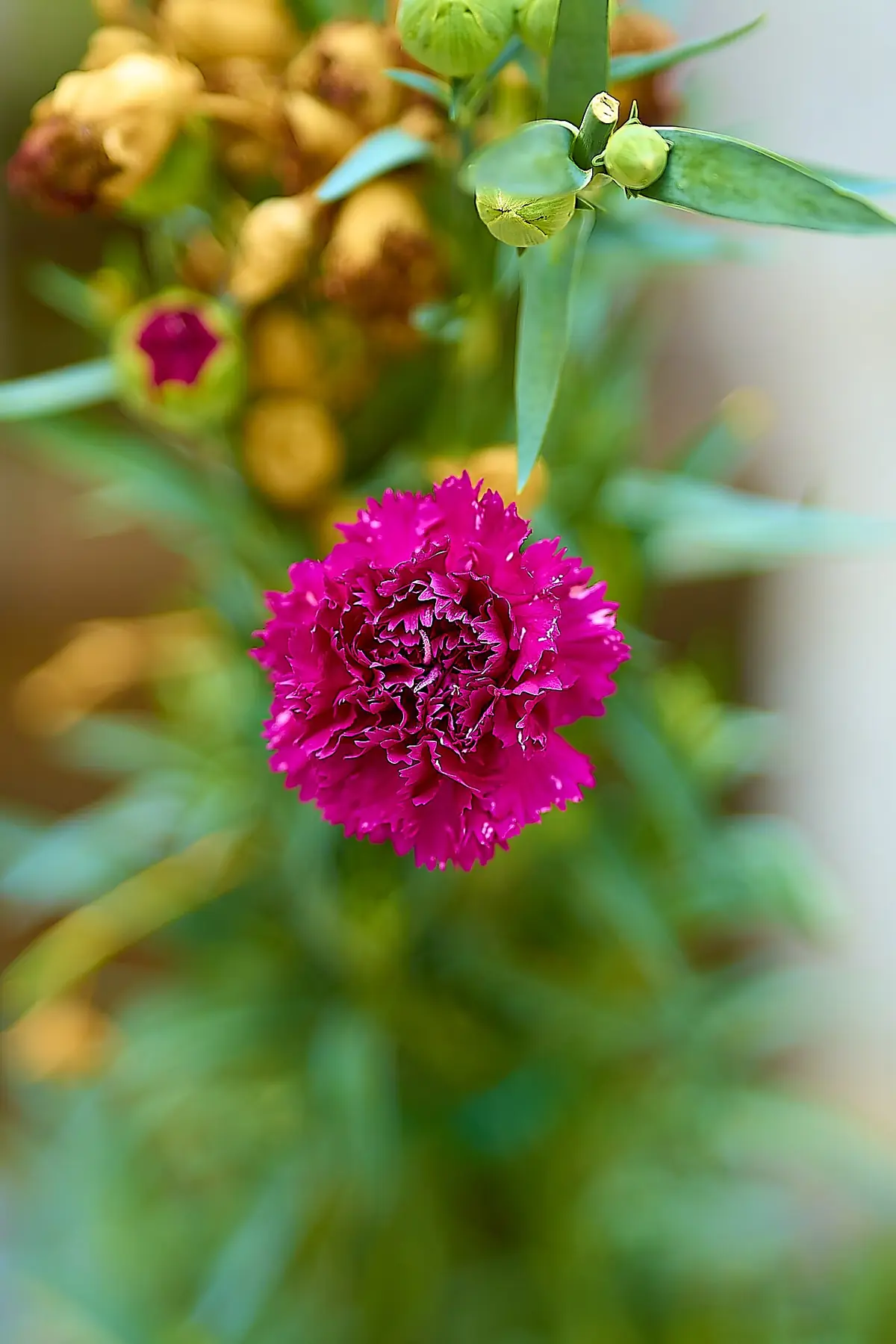
Carnations are mildly toxic to dogs. The ASPCA lists carnations as toxic, with mild stomach upset and mild skin irritation as the expected effects — not organ damage.
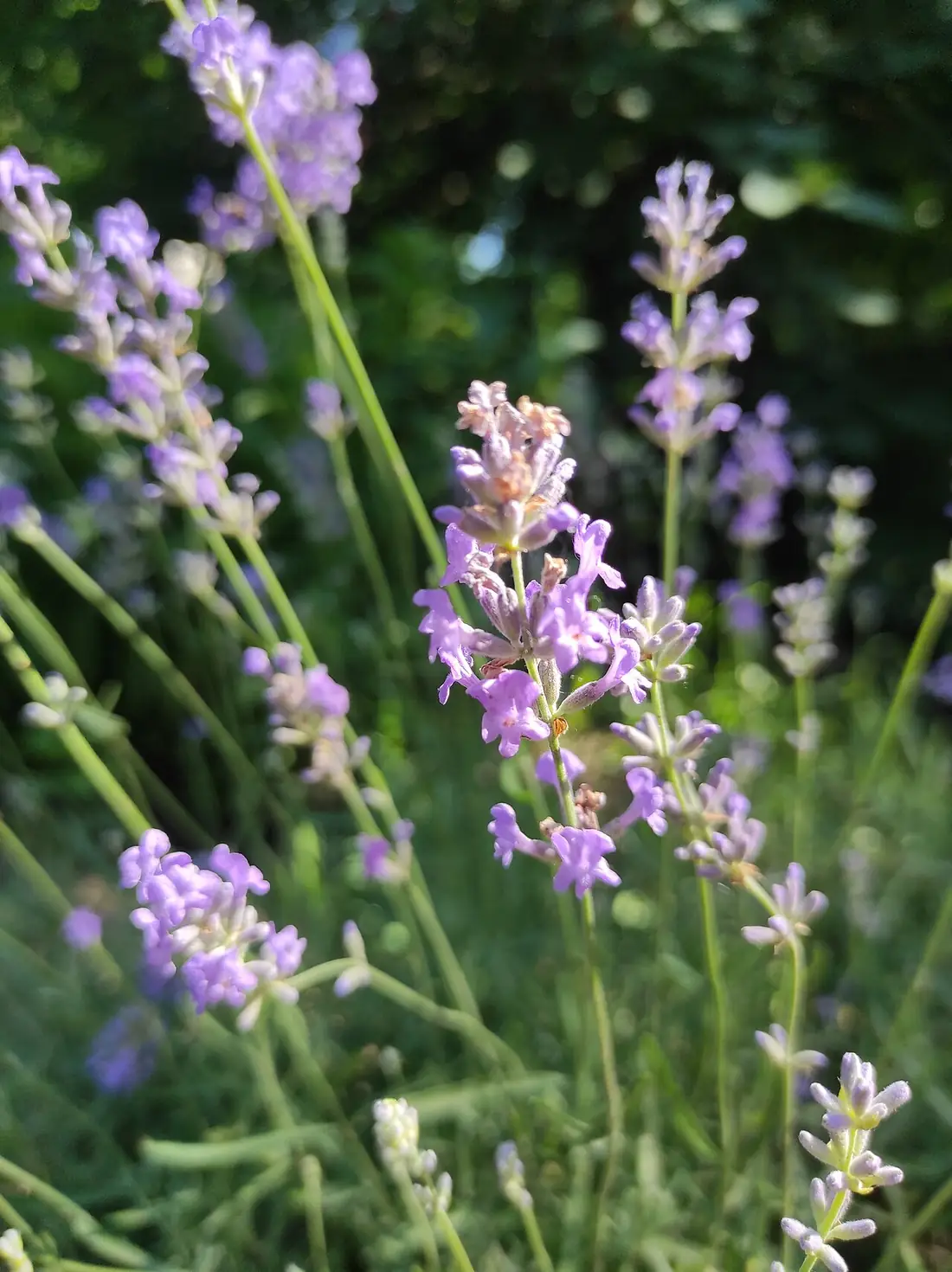
The ASPCA lists lavender as toxic to dogs. Eating the plant usually causes only mild stomach upset, but concentrated lavender essential oil is a much bigger risk and should never be swallowed or put on your dog.
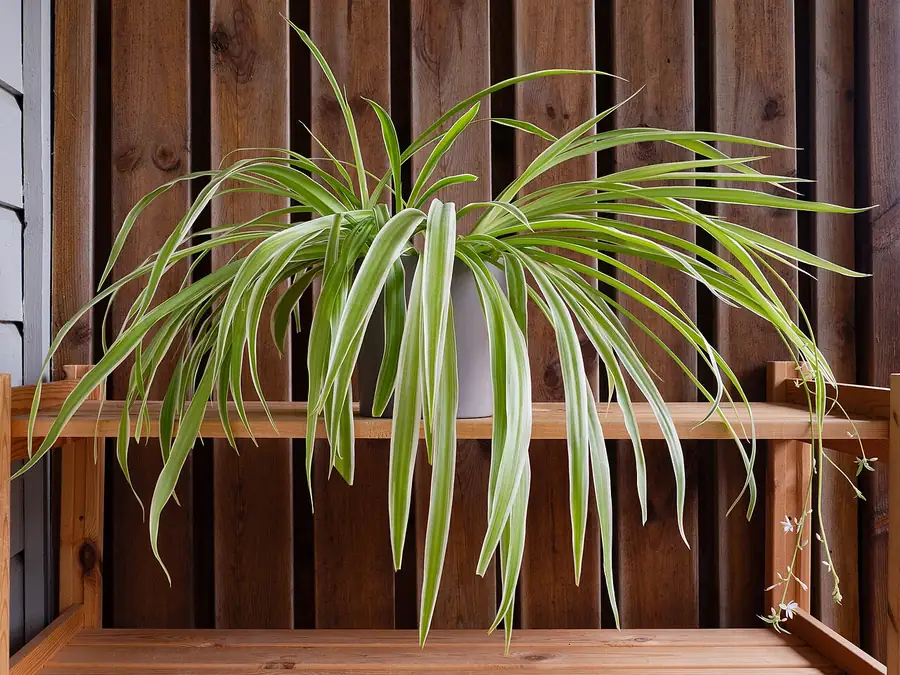
The ASPCA lists spider plants as non-toxic to dogs, cats, and horses, and PetMD includes them among the houseplants safe for dogs. A dog that eats a large amount may still get a mild stomach upset.