Is Dracaena Toxic to Dogs? What Every Owner Should Know
Yes — dracaena is toxic to dogs.
The ASPCA lists dracaena as toxic to dogs, cats, and horses, and names saponins as the toxic principle. Eating the leaves usually causes vomiting, drooling, and loss of appetite, and is rarely life-threatening, but it still needs a call to your veterinarian.
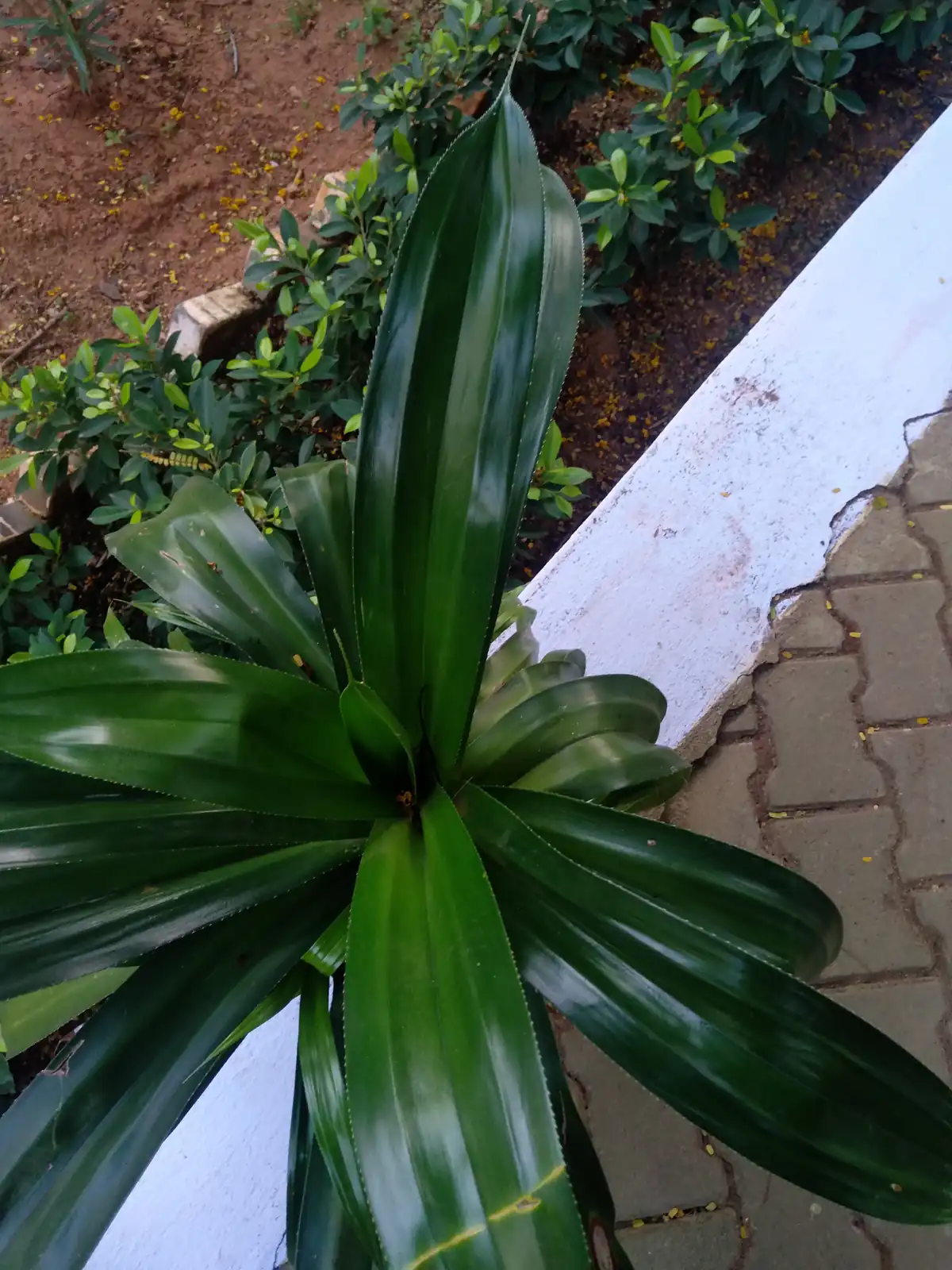

- Item
- Dracaena
- Scientific name
- Dracaena spp.
- Also called
- Corn plant, Cornstalk plant, Dragon tree, Madagascar dragon tree, Ribbon plant
- Category
- Plants
- Verdict
- Toxic
- Symptoms start
- Symptoms usually appear within a few hours of eating dracaena leaves, often starting with drooling and pawing at the mouth, followed by vomiting.
Dracaena is one of the most common houseplants in American homes. The corn plant, the Madagascar dragon tree, and the song of India are all dracaenas, and their tall stems and long, arching leaves suit a bright corner. If you share that corner with a dog, the question matters: is dracaena toxic to dogs? The short answer is yes. The ASPCA lists dracaena as toxic to dogs, cats, and horses, and names saponins as the toxic principle.
The good news is that dracaena sits at the mild to moderate end of the toxic houseplant scale. Most dogs that chew a leaf or two develop vomiting, drooling, and a sore stomach, and recover with supportive care. But a dog that eats a lot can become dehydrated from repeated vomiting, and puppies and small dogs are at higher risk. Treat any dracaena chewing as a reason to call your veterinarian, not as something to watch and hope about.
If your dog ate it — what to do now
- Move the plant out of your dog's reach so it cannot eat more, and note how much leaf is missing and when it happened.
- Call your veterinarian or the ASPCA Animal Poison Control Center at (888) 426-4435 (a consultation fee may apply) right away, and tell them the plant name, your dog's weight, and roughly how much was eaten.
- Take a photo of the plant or bring a leaf with you to the clinic if you are not sure of the species.
- Offer small amounts of fresh water if your dog will drink, and watch for repeated vomiting, refusal to drink, weakness, or blood in the vomit.
- Seek emergency veterinary care if vomiting does not stop, your dog becomes weak or wobbly, or it will not drink at all.
Do not do this
- Do not induce vomiting unless a veterinarian tells you to.
- Do not give milk, oil, or any home remedy to dilute the plant material.
- Do not wait for symptoms to appear before calling for help.
- Do not assume a single nibble is harmless — call your veterinarian and describe what happened.
- Do not leave fallen dracaena leaves on the floor where your dog can pick them up.
What makes dracaena toxic to dogs?
Dracaena plants contain saponins, soap-like compounds the plant makes to defend itself against insects and grazing animals. The ASPCA names saponins as the toxic principle for every dracaena species it lists, including the corn plant (Dracaena fragrans), the Madagascar dragon tree (Dracaena marginata), and the Malaysian dracaena (Dracaena reflexa). The saponins are present throughout the plant, and the leaves are the part a dog is most likely to chew.
Saponins work by irritating the lining of the mouth, stomach, and gut. When a dog chews a dracaena leaf, the saponins contact the mouth first, which is why drooling and pawing at the face are often the earliest signs. Once swallowed, they irritate the stomach lining, and the body tries to expel the material by vomiting. That irritation is why symptoms tend to be uncomfortable rather than life-threatening: the toxin acts mostly where it touches.
Dracaena is not one plant but a whole genus, and the ASPCA lists several species separately. The corn plant, the Madagascar dragon tree, the Malaysian dracaena (also called song of India), and the gold dust dracaena (Dracaena surculosa) are all listed as toxic. The practical point is simple: if the plant label says dracaena, treat it as toxic, whichever species it is.
How much dracaena is dangerous for dogs?
There is no established toxic dose of dracaena for dogs. No veterinary reference reviewed for this page gives a number of leaves, or a weight of plant material, that is safe or dangerous. The risk depends on how much your dog ate and how big your dog is: a small dog that eats several leaves is in more danger than a large dog that takes one bite.
A single nibble usually causes only mild drooling and brief nausea, while eating several leaves or a whole stem is more likely to cause repeated vomiting, diarrhea, and loss of appetite. Do not try to judge the amount yourself and decide it was too little to matter. If your dog chewed any part of a dracaena, call your veterinarian or poison control and describe what happened, including your dog's weight and roughly how much leaf is missing.
Symptoms of dracaena poisoning in dogs
The ASPCA lists vomiting (occasionally with blood), depression, anorexia, and hypersalivation as the clinical signs of dracaena poisoning in dogs. In practice, the first thing most owners notice is drooling or foaming at the mouth, followed by vomiting and a dog that refuses food and wants to lie down. Diarrhea, weakness, and loss of coordination can follow if a larger amount was eaten.
Blood in the vomit should always be reported to a veterinarian, but the ASPCA lists it as an occasional sign rather than a usual one. The bigger danger in most cases is dehydration: a dog that keeps vomiting and will not drink can become dehydrated quickly, and that is the complication veterinarians watch for most closely after dracaena ingestion.
What to do if your dog eats dracaena
Act the same day, even if your dog looks fine. Move the plant out of reach so your dog cannot eat more, and note how much of the leaf is missing and when the chewing happened. Then call your veterinarian or the ASPCA Animal Poison Control Center at (888) 426-4435 (a consultation fee may apply) and tell them the plant name, your dog's weight, and roughly how much was eaten. If you know the species, say so; if not, take a photo of the plant or bring a leaf to the clinic.
Do not try to make your dog vomit unless a veterinarian tells you to, and do not give milk, oil, or any home remedy. At the clinic, treatment is usually supportive: fluids for dehydration, medication to control vomiting, and monitoring until the stomach settles. Most dogs recover within a day.
How to keep your dog safe around dracaena
The safest option is to keep dracaena out of your dog's reach entirely. Dracaena grows tall, so a high shelf or a hanging planter works for young plants, but a mature corn plant or dragon tree will eventually be within reach of a large dog. If the plant must stay in a room your dog uses, put it behind a barrier your dog cannot push past, and check the floor for fallen leaves, which dogs often pick up and chew.
Teach a reliable 'leave it' command, and give your dog something safe to chew instead. If you are buying a new houseplant, check the label for the botanical name and look it up on the ASPCA toxic and non-toxic plants list before you bring it home. A plant sold only as a dragon tree or a corn plant is still a dracaena, and the common name does not change the risk.
Dracaena vs. snake plant: the saponin connection
Dracaena and the snake plant are more closely related than most owners realise. Botanists moved the snake plant into the Dracaena genus, so its current name is Dracaena trifasciata, although the ASPCA still lists it as Sansevieria trifasciata. Both plants contain saponins, and both cause the same pattern of nausea, vomiting, and diarrhea when a dog chews the leaves.
That shared chemistry is useful to know, because the two plants are often sold side by side and look nothing alike. A spiky upright snake plant and a leafy corn plant are both dracaenas in the toxic sense, and both need the same treatment: keep them out of reach, and call your veterinarian if your dog eats either one.
Safe alternatives to dracaena
You do not have to give up tall, leafy houseplants to keep your dog safe. The spider plant is on the ASPCA non-toxic list, grows in a similar arching shape, and is famously hard to kill. The Boston fern gives the same lush, green look with no saponins, and the money tree (Pachira aquatica) is a non-toxic tree-form plant that works well in the corner a corn plant would have filled.
The parlor palm is another non-toxic option with long, arching fronds. Remember that eating any plant material can cause vomiting and stomach upset in dogs, even a non-toxic one — a safe plant is one that will not poison your dog, not one your dog should eat as a snack.
Symptoms to watch for
- Excessive drooling or hypersalivation
- Vomiting
- Vomiting with blood (occasionally)
- Diarrhea
- Loss of appetite
- Depression or lethargy
- Weakness
- Loss of coordination
- Abdominal pain
Drooling and vomiting usually start within a few hours of eating dracaena leaves. Blood in the vomit is an occasional sign, not a usual one, but always report it to a veterinarian.
Safe alternatives
- Spider plant — On the ASPCA non-toxic list for dogs and cats, with a similar arching shape to a dracaena.
- Boston fern — A lush, green, non-toxic houseplant that gives the same full look without saponins.
- Money tree (Pachira aquatica) — A non-toxic tree-form plant that fills the same tall corner a corn plant would.
- Parlor palm — Non-toxic to dogs and cats, with long arching fronds and a similar tropical feel.
What about cats? Dracaena is toxic to cats as well as dogs, and the ASPCA lists the same signs for cats, with one difference: cats may also develop dilated pupils, which is not usually seen in dogs. Cats are often more likely to chew houseplants than dogs, so keep dracaena out of a cat's reach too.
Frequently asked questions
Is dracaena toxic to dogs?
Yes. The ASPCA lists dracaena as toxic to dogs, cats, and horses, and names saponins as the toxic principle. Eating the leaves usually causes vomiting, drooling, and loss of appetite.
How much dracaena is poisonous to a dog?
There is no established toxic dose. A single nibble usually causes only mild drooling and nausea, while several leaves or a whole stem can cause repeated vomiting, diarrhea, and dehydration. Call your veterinarian for any amount eaten, and tell them your dog's weight and roughly how much leaf is missing.
Can dracaena kill a dog?
Death from dracaena is rare. Dracaena is classed as mildly to moderately toxic, and most dogs recover with supportive care. The main danger is dehydration from repeated vomiting, which is why a dog that keeps vomiting or will not drink needs to be seen by a veterinarian.
My dog chewed a dracaena leaf — what should I do?
Move the plant out of reach, note how much leaf is missing, and call your veterinarian or the ASPCA Animal Poison Control Center at (888) 426-4435 right away. Do not try to make your dog vomit unless a veterinarian tells you to, and watch for drooling, vomiting, loss of appetite, and weakness over the next few hours.
Sources
- ASPCA — Toxic and Non-toxic Plants: Madagascar Dragon Tree
- ASPCA — Toxic and Non-toxic Plants: Malaysian Dracaena
- Pet Poison Helpline — Gold Dust Dracaena
- Gardening Know How — Is Your Cat Or Dog Eating Dracaena - Learn About Dracaena Pet Poisoning
Related guides
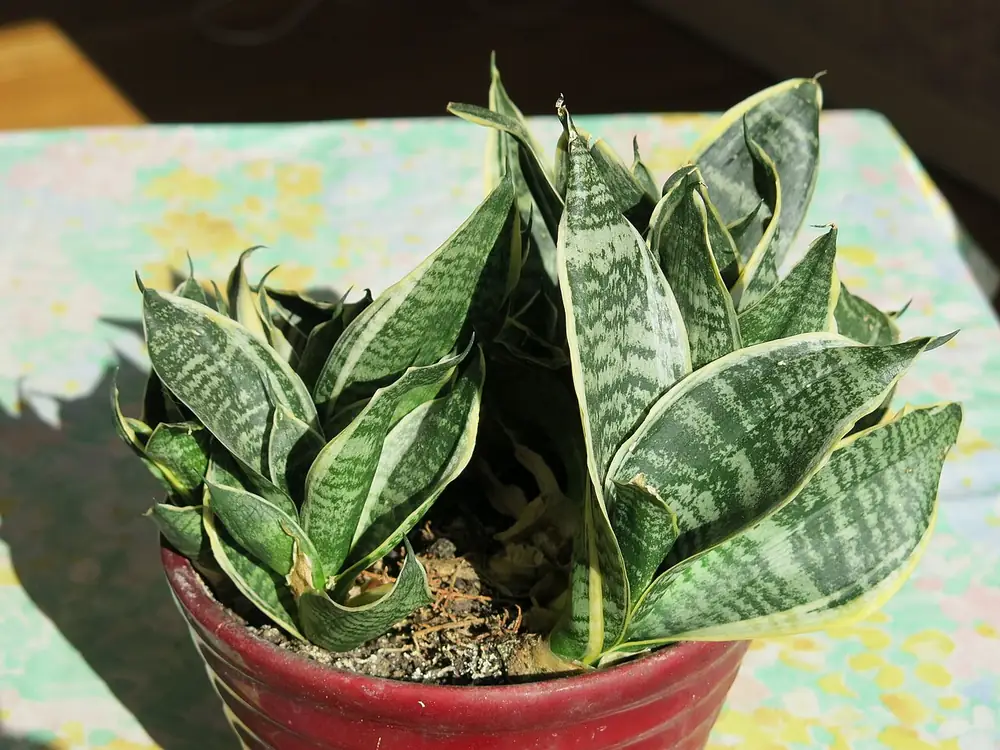
Snake plants are toxic to dogs. They contain saponins, which irritate the mouth and stomach and usually cause nausea, vomiting, and diarrhea.
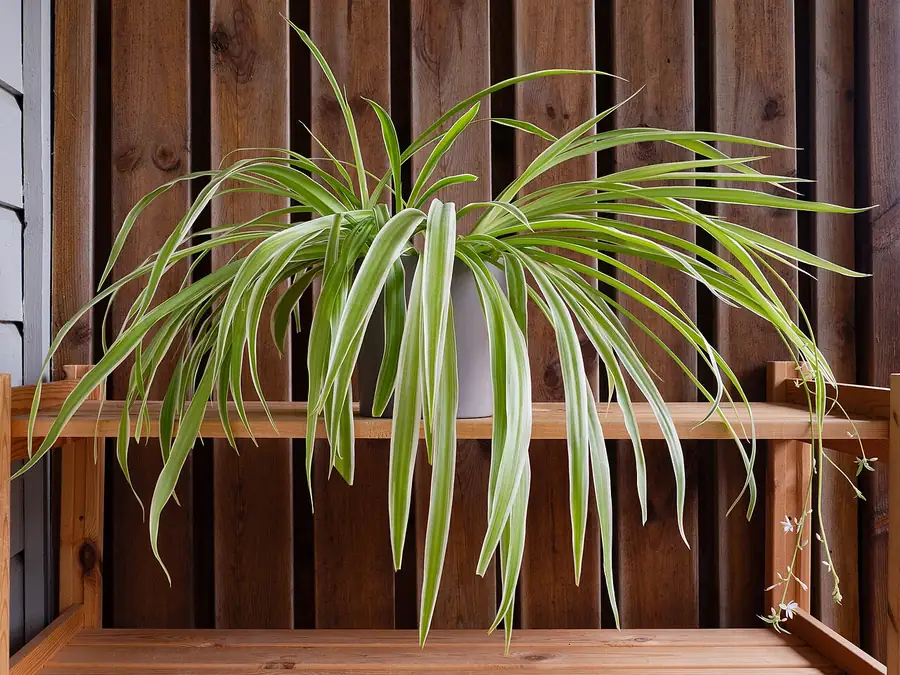
The ASPCA lists spider plants as non-toxic to dogs, cats, and horses, and PetMD includes them among the houseplants safe for dogs. A dog that eats a large amount may still get a mild stomach upset.
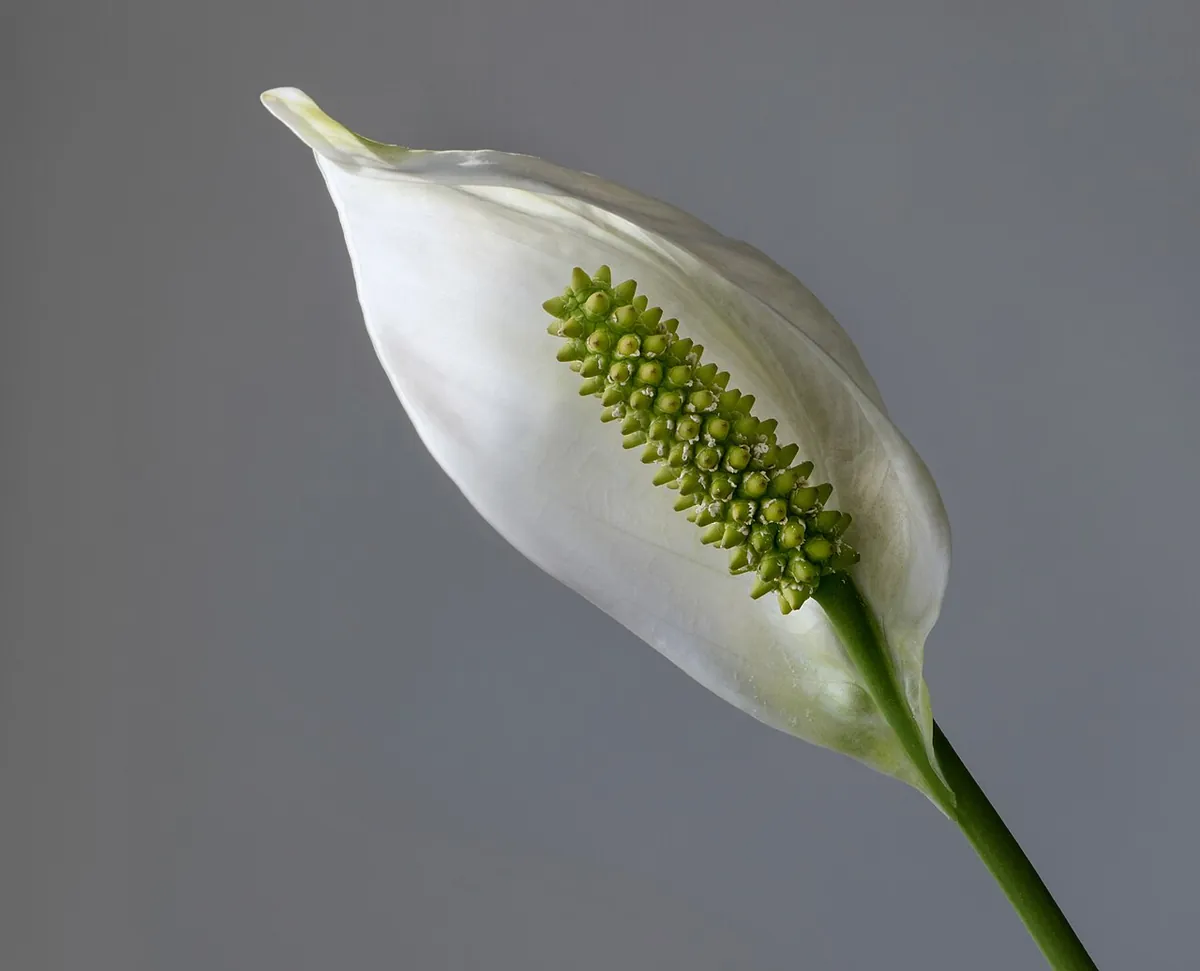
Peace lilies are toxic to dogs, but usually painful rather than life-threatening. Chewing releases calcium oxalate crystals that burn the mouth, cause drooling and vomiting, and can make swallowing difficult.
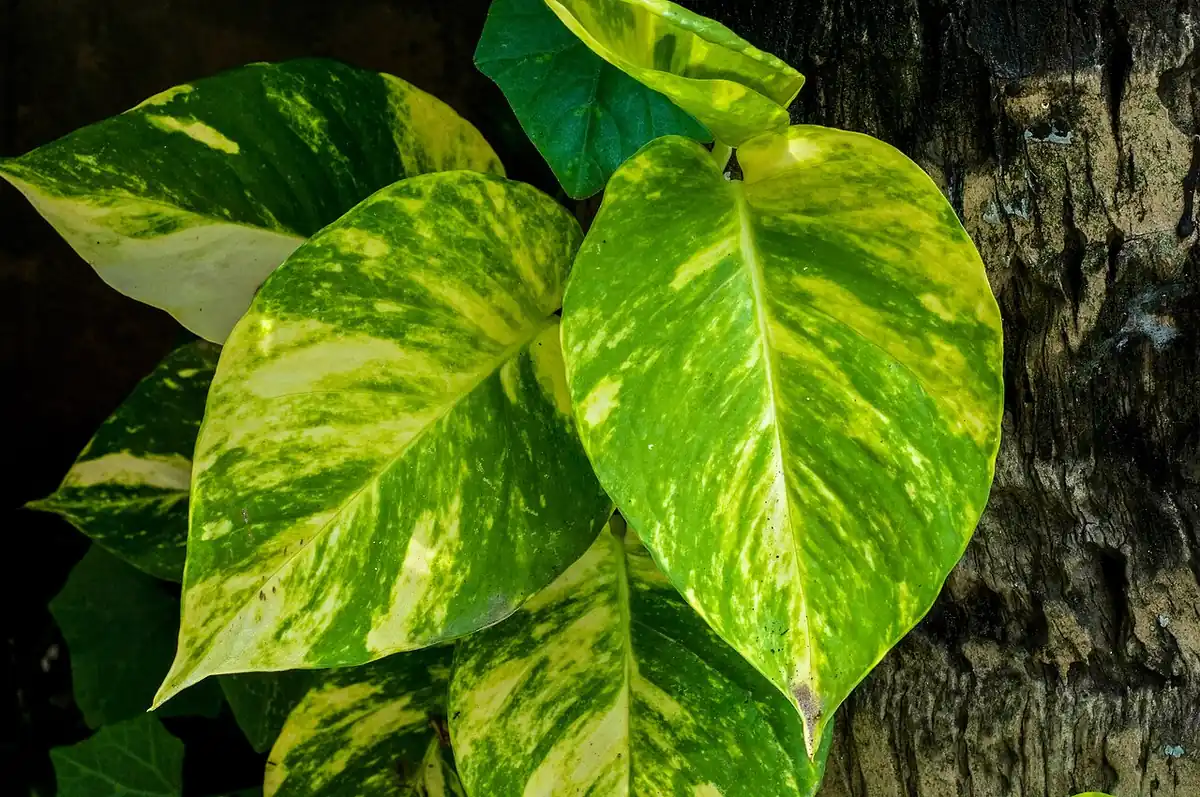
Pothos is toxic to dogs. Its leaves and stems contain insoluble calcium oxalate crystals that injure the mouth on contact, causing intense burning, drooling, and vomiting.