Are Fiddle Leaf Figs Toxic to Dogs? What Every Owner Should Know
Yes — fiddle leaf figs are toxic to dogs.
Fiddle leaf figs are mildly toxic to dogs. Chewing the leaves releases an irritating milky sap that causes mouth pain, drooling, vomiting, and diarrhea. Most cases are mild, but call your vet if your dog eats any part of the plant.
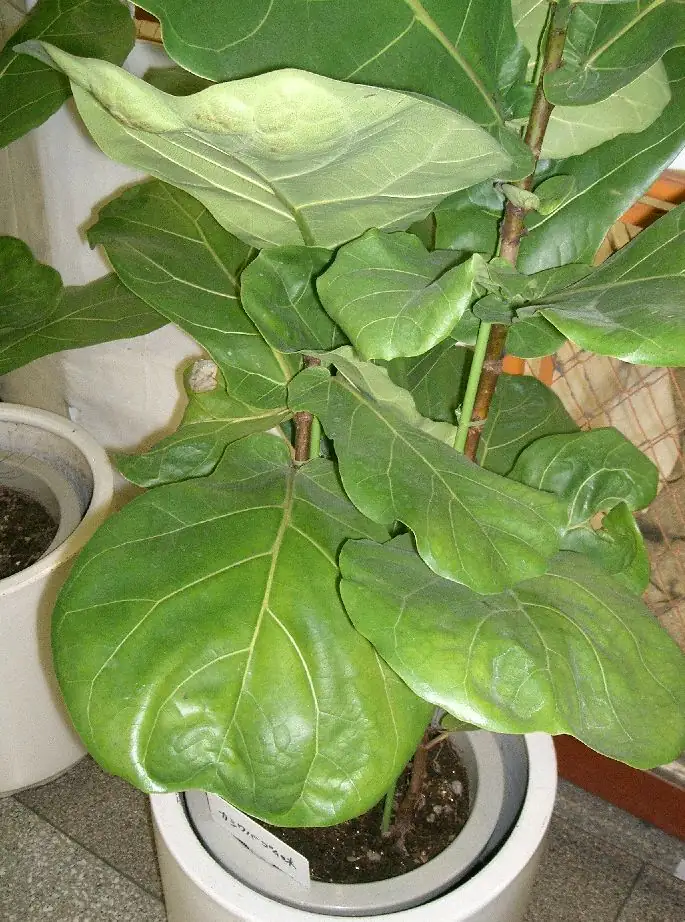

- Item
- Fiddle leaf figs
- Scientific name
- Ficus lyrata
- Also called
- Fiddle-leaf fig, Fiddleleaf fig, Banjo fig, Lyre-leaf fig
- Category
- Plants
- Verdict
- Toxic
- Symptoms start
- Often within minutes to a few hours of chewing the plant.
Yes — fiddle leaf figs are toxic to dogs. The fiddle leaf fig (Ficus lyrata) is one of the most popular houseplants in the United States, and one of the most commonly chewed: its big, leathery leaves sit right at nose height for a curious dog. Chewing a leaf releases a milky white sap that irritates the mouth and stomach, and most dogs learn their lesson after a single bite.
The good news is that fiddle leaf figs are only mildly toxic, and the effects are usually short-lived. The bad news is that the symptoms — drooling, pawing at the mouth, vomiting — are distressing to watch, and the sap can also irritate your dog's skin. This page explains what is in the plant, what to watch for, and what to do if your dog takes a bite.
If your dog ate it — what to do now
- Remove the plant from your dog and take any leaf pieces out of the mouth if you can do so safely.
- Wipe sap off the lips and paws with a damp cloth and offer a small amount of fresh water.
- Call your veterinarian or the ASPCA Animal Poison Control Center at (888) 426-4435 right away (a consultation fee may apply).
- Tell them your dog's weight, roughly how much was eaten, and when it happened, and keep a photo of the plant for identification.
- Follow your vet's instructions, and watch your dog for at least 24 hours for continued vomiting or trouble swallowing.
Do not do this
- Do not induce vomiting unless a veterinarian tells you to.
- Do not give home remedies, milk, or activated charcoal on your own.
- Do not wait to see if the symptoms pass on their own if your dog keeps vomiting or cannot swallow.
- Do not handle the sap with bare hands and then touch your dog's face — wash up after pruning.
What makes fiddle leaf figs toxic to dogs?
The fiddle leaf fig is a small tropical tree from western and central Africa, grown in the United States as a houseplant. It belongs to the fig genus, Ficus, and like other figs it bleeds a milky white latex sap from any cut or bitten leaf or stem. That sap is the source of the trouble.
Pet Poison Helpline lists Ficus plants as toxic to pets because of their irritating sap, and NC State Extension states plainly that Ficus lyrata is toxic to humans, cats, and dogs if ingested. Chewing a leaf bathes the mouth in sap, which is why the first signs are almost always oral: burning, drooling, and pawing at the face.
Many plant references name the irritants as insoluble calcium oxalate crystals and ficin, a protein-digesting enzyme in the sap. Treat that detail with caution: the ASPCA entry filed under the name "Fiddle-Leaf" actually describes a philodendron, a different plant whose toxin really is calcium oxalate. The fig's own records name the irritating sap and the symptoms, not the exact chemistry.
How much fiddle leaf fig is dangerous for a dog?
There is no established toxic dose for fiddle leaf fig in dogs, and no safe amount has been published in the sources we reviewed. Even a single chewed leaf can cause mouth pain and drooling, because the sap acts on contact.
Larger ingestions tend to cause more vomiting and diarrhea, and a dog that swallows a lot of leaf material may go off food for a day. The sources describe the effects as mild and short-lived in most cases, with no organ damage reported in dogs — but a dog that keeps vomiting can become dehydrated, and a swollen mouth can make swallowing difficult.
The right response is the same whatever the amount. Take the plant away, check your dog's mouth for sap or leaf pieces, and call your veterinarian or poison control to describe what happened.
Symptoms of fiddle leaf fig poisoning in dogs
Symptoms usually start quickly, often within minutes of chewing, because the sap irritates the mouth on contact. The most common signs are excessive drooling, pawing at the mouth or face, and obvious discomfort: whining, head shaking, or rubbing the face on the floor. The lips, tongue, or gums may look red or swollen.
If your dog swallowed some of the leaf, stomach signs follow, usually within a couple of hours: vomiting, diarrhea, and a loss of appetite. Difficulty swallowing can occur if the mouth and throat are badly irritated. Sap on the skin, paws, or belly can cause redness and itching.
Most dogs stop chewing after the first bite because the sap tastes awful and stings. Watch your dog for at least 24 hours, and call your vet sooner if vomiting continues, your dog cannot swallow, or the mouth looks very swollen.
What to do if your dog eats a fiddle leaf fig
Stay calm and act quickly. Take the plant away from your dog and remove any leaf pieces from the mouth if you can do so safely. If there is sap on your dog's lips or paws, wipe it off gently with a damp cloth, and offer a small amount of fresh water to rinse the mouth.
Call your veterinarian or the ASPCA Animal Poison Control Center at (888) 426-4435 right away (a consultation fee may apply). Tell them your dog's weight, roughly how much of the plant was eaten, and when it happened. A photo of the plant helps the vet confirm the identification.
Treatment is usually supportive: rinsing the mouth, monitoring at home, or a clinic visit if vomiting continues or the mouth is badly swollen. In the clinic, treatment may include fluids, anti-nausea medicine, or pain relief.
How to keep your dog safe from fiddle leaf figs
Fiddle leaf figs grow into small trees, so hanging them out of reach is not an option. The practical choices are placement and barriers: keep the plant in a room your dog does not use unsupervised, raise it on a tall stand, or fence it off with a baby gate.
Pruning and fallen leaves deserve attention too. The plant bleeds sap from every cut, so wear gloves when you prune it, wipe up sap right away, and wash your hands before touching your dog. Pick up fallen leaves promptly, because a leaf on the floor is far more tempting than one on the tree.
If your dog is a determined plant chewer, the safest choice is to rehome the fig and replace it with a non-toxic plant. A dog that has chewed one once will often try again.
Safe alternatives to fiddle leaf figs
You do not have to give up a bold, leafy houseplant to keep your dog safe. Spider plants are listed as non-toxic to dogs by the ASPCA, and they are easy to hang well above a dog's reach. Boston ferns are also non-toxic, with soft, feathery fronds that suit a hanging basket or a high shelf.
For a similar look at floor level, consider a prayer plant (Maranta). It is listed as non-toxic to dogs by the ASPCA, and its large, patterned leaves give some of the same visual drama as a fiddle leaf fig, on a plant that stays small enough for a stand.
How to tell a fiddle leaf fig from a lookalike
The fiddle leaf fig is easy to recognize once you know what to look for. Its leaves are large and leathery, up to 18 inches long, with a broad tip and a narrow middle that gives them the shape of a violin or a lyre, and a wavy edge. A broken leaf or stem oozes a milky white sap.
It is often confused with its fig relatives. The weeping fig (Ficus benjamina) has much smaller, pointed leaves, while the rubber plant (Ficus elastica) has smooth, oval, glossy leaves. All three are toxic to dogs — the confusion that matters is with the philodendron sold under the same "fiddle-leaf" name.
If you are not sure which plant you have, do not guess. Photograph the leaves, the whole plant, and the plant tag for your veterinarian or poison control.
Symptoms to watch for
- Excessive drooling
- Pawing at the mouth or face
- Oral irritation, burning, or swelling of the lips and tongue
- Difficulty swallowing
- Vomiting
- Diarrhea
- Decreased appetite
- Skin irritation where sap touched the skin
Symptoms often start within minutes of chewing, because the sap irritates the mouth on contact; vomiting and diarrhea usually follow within a couple of hours.
Safe alternatives
- Spider plants — Listed as non-toxic to dogs by the ASPCA, and easy to hang well out of reach.
- Boston ferns — Listed as non-toxic to dogs by the ASPCA, with soft fronds that suit a hanging basket.
- Prayer plants — Listed as non-toxic to dogs by the ASPCA, and their patterned leaves give a similar bold look.
What about cats? Fiddle leaf figs are toxic to cats as well as dogs. NC State Extension and Pet Poison Helpline both list the plant as toxic to cats if ingested, with the same signs: mouth irritation, drooling, vomiting, and diarrhea. Cats are more likely than dogs to chew houseplant leaves, so if you have a cat, keep this plant in a room your cat cannot enter, or choose a non-toxic alternative instead.
Frequently asked questions
Are fiddle leaf figs toxic to dogs?
Yes. Fiddle leaf figs are toxic to dogs. Chewing the leaves or stems releases a milky sap that irritates the mouth and stomach, causing drooling, vomiting, and diarrhea. Most cases are mild, but call your vet if your dog eats any part of the plant.
What makes fiddle leaf figs toxic to dogs?
The milky white sap in the leaves and stems is the problem. Pet Poison Helpline describes Ficus plants as containing irritating sap, and NC State Extension lists the fiddle leaf fig as toxic to dogs, cats, and people if ingested. Many plant references describe the sap as containing insoluble calcium oxalate crystals and a protein-digesting enzyme called ficin, but the exact chemistry for this species is not firmly settled, because the ASPCA database entry filed under the name "Fiddle-Leaf" actually describes a different plant, a philodendron.
Will my dog be OK if he ate a fiddle leaf fig?
Most dogs recover quickly with no lasting harm, but you should still call your veterinarian. The sap can cause painful mouth irritation, vomiting, and diarrhea, and a dog that keeps vomiting can become dehydrated. Your vet can tell you whether your dog needs to be seen, based on how much was eaten and how your dog is acting.
What should I do if my dog ate a fiddle leaf fig?
Call your veterinarian or the ASPCA Animal Poison Control Center at (888) 426-4435 right away (a consultation fee may apply). Tell them how much your dog ate and when. Do not induce vomiting or give home remedies unless a vet tells you to.
Sources
- Pet Poison Helpline — Ficus
- NC State Extension — Ficus lyrata
- ASPCA Poison Control — Toxic and Non-Toxic Plant List — Dogs
- ASPCA Poison Control — Toxic and Non-toxic Plants: Fiddle-Leaf (Philodendron bipennifolium)
Related guides
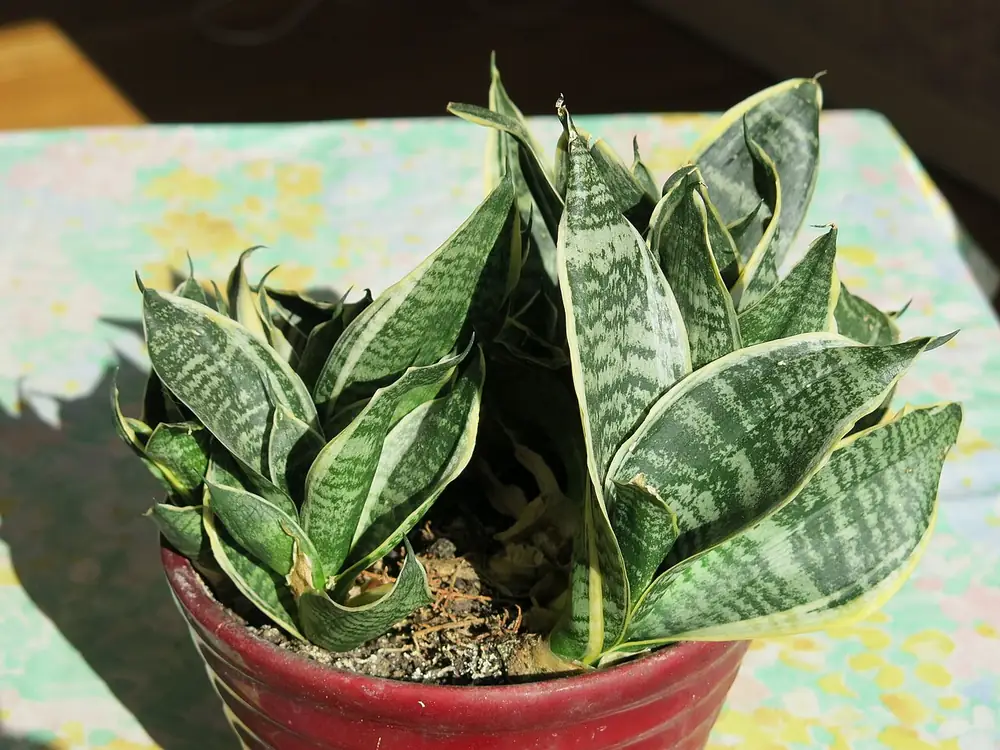
Snake plants are toxic to dogs. They contain saponins, which irritate the mouth and stomach and usually cause nausea, vomiting, and diarrhea.
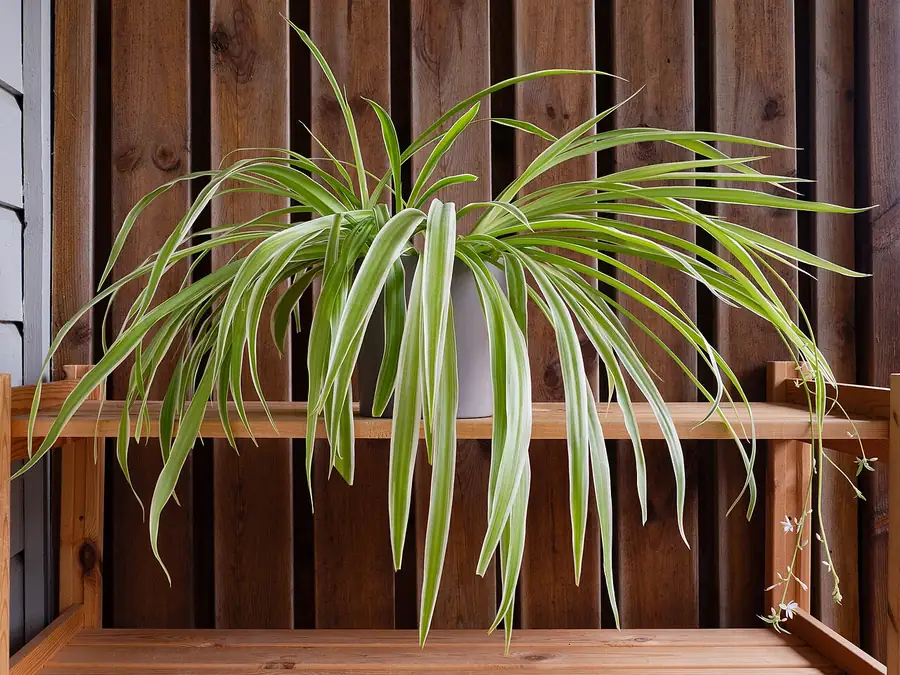
The ASPCA lists spider plants as non-toxic to dogs, cats, and horses, and PetMD includes them among the houseplants safe for dogs. A dog that eats a large amount may still get a mild stomach upset.
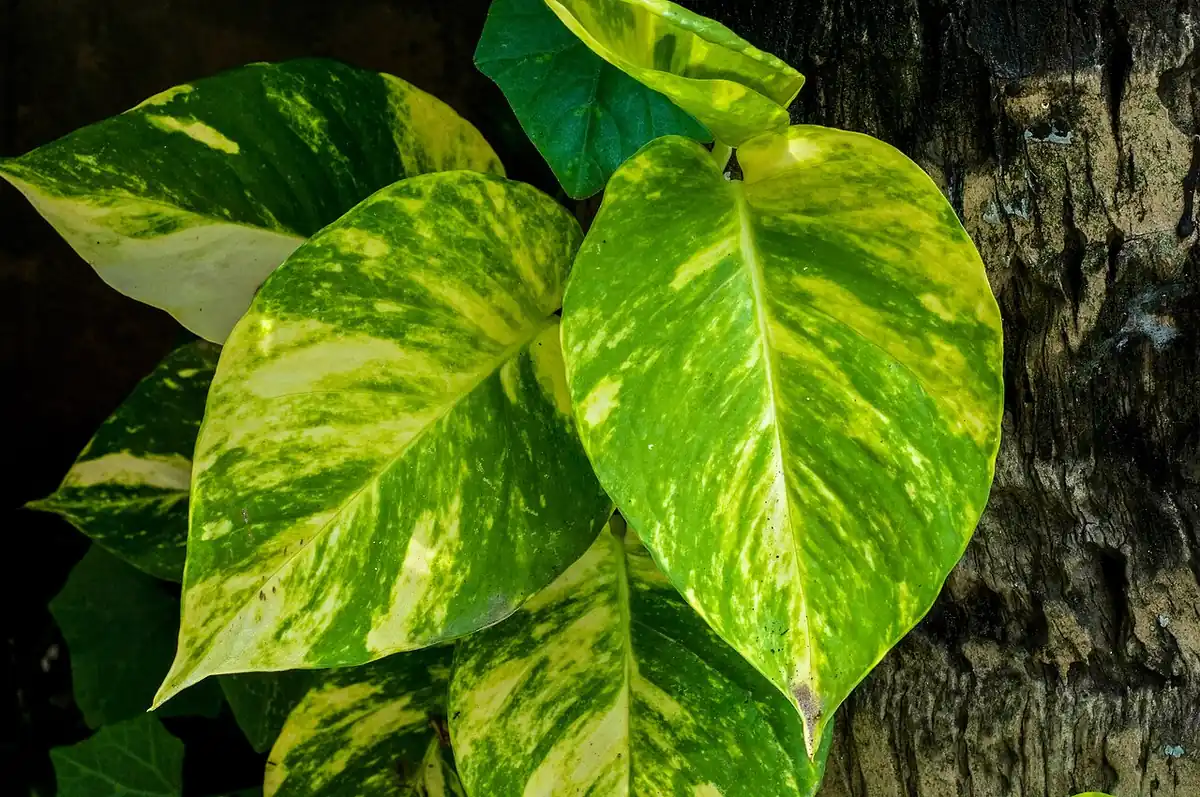
Pothos is toxic to dogs. Its leaves and stems contain insoluble calcium oxalate crystals that injure the mouth on contact, causing intense burning, drooling, and vomiting.

Orchids are not toxic to dogs. The ASPCA lists Phalaenopsis orchids as non-toxic to dogs, cats, and horses, and PetMD includes orchids among the flowers that are safe for dogs.