Are Monsteras Toxic to Dogs? What Every Owner Should Know
Yes — monsteras are toxic to dogs.
The ASPCA lists Monstera deliciosa as toxic to dogs and cats. Its insoluble calcium oxalate crystals burn the mouth, cause heavy drooling and vomiting, and can make swallowing difficult. Most dogs recover fully, but any dog that chews one should be watched closely.


- Item
- Monsteras
- Scientific name
- Monstera deliciosa
- Also called
- Swiss cheese plant, Split-leaf philodendron, Cutleaf philodendron, Hurricane plant, Ceriman, Mexican breadfruit
- Category
- Plants
- Verdict
- Toxic
- Symptoms start
- Symptoms usually start right away, as soon as the dog chews the plant. The Merck Veterinary Manual describes immediate pain and irritation after chewing or crushing plant material that contains insoluble oxalates.
Monsteras are one of the most popular houseplants in the United States, and one of the plants dog owners ask about most. The short answer is yes: monsteras are toxic to dogs. The ASPCA Animal Poison Control Center lists Monstera deliciosa, also called the Swiss cheese plant, as toxic to dogs and cats.
The good news is that most dogs recover fully. The plant's crystals cause immediate pain, so most dogs stop chewing after a bite or two, and the Merck Veterinary Manual notes a good to excellent prognosis. Still, a dog that has chewed a monstera should be watched closely.
If your dog ate it — what to do now
- Move your dog away from the plant and remove any pieces of leaf or stem you can see in its mouth.
- Gently rinse or wipe out your dog's mouth to help remove remaining crystals, and offer a small amount of milk or water only if your dog can swallow safely.
- Call your veterinarian or ASPCA Animal Poison Control Center at (888) 426-4435 (a consultation fee may apply), especially if your dog is drooling heavily, vomiting, or having trouble swallowing.
- Tell the veterinarian how much your dog may have eaten and when it happened, and keep the plant tag if you have it.
- Watch your dog for the rest of the day and seek veterinary care promptly if swelling worsens, breathing becomes noisy or labored, vomiting continues, or your dog refuses food and water.
Do not do this
- Do not induce vomiting unless a veterinarian tells you to.
- Do not force water, milk, or food into the mouth of a dog that is choking or struggling to breathe.
- Do not assume a variegated monstera or Monstera adansonii is safe — they carry the same crystals.
- Do not use home remedies as a substitute for veterinary care.
- Do not leave the plant within reach while you wait to see if symptoms appear.
What makes monsteras toxic to dogs?
Monsteras contain insoluble calcium oxalates, the toxic principle named by the ASPCA. These are microscopic, needle-like crystals called raphides, bundled inside special cells in the plant. The Merck Veterinary Manual explains that chewing or crushing the plant breaks those cells open and releases the crystals into the tissues they touch.
The injury is physical, not chemical. The crystals stab and irritate the mouth, tongue, lips, and throat the moment they are released, which is why the ASPCA lists oral irritation and intense burning as the first signs. The crystals do not enter the bloodstream or attack organs. Unlike plants with soluble oxalates, insoluble oxalates do not pose a concern for kidney injury, according to the Merck Veterinary Manual. Every part of the plant carries the crystals: leaves, stems, stalks, and unripe fruit. The sap can also irritate skin.
How much monstera is dangerous for dogs?
There is no established toxic dose for monstera in dogs. No source we reviewed gives a safe number of leaves, a weight-based threshold, or a smallest harmful amount. Even a single bite can cause pain, drooling, and vomiting, because the crystals act the moment the plant is chewed.
That does not mean every bite is equally serious. A dog that takes one nibble and spits it out is likely to have only a sore mouth, while a dog that swallows a large amount of leaves or stems may vomit more, drool heavily, and have trouble swallowing. The Merck Veterinary Manual notes that most cases have a good to excellent prognosis, but it also warns that swelling around the throat can, in rare cases, make breathing difficult. Do not try to judge the risk by how much is missing from the plant; if you are unsure how much your dog ate, call your veterinarian.
Symptoms to watch for after a dog eats monstera
The ASPCA lists the signs as oral irritation, intense burning of the mouth, tongue, and lips, excessive drooling, vomiting, and difficulty swallowing. The Merck Veterinary Manual adds immediate pain, redness, pawing at the mouth, swelling, lethargy, and loss of appetite. A dog may also gag, retch, or refuse food and water because its mouth hurts.
Symptoms usually appear at once, while the dog is still chewing or right after it stops. The pain is the plant working as designed: the crystals hurt, so most dogs drop the leaf quickly, which is why serious poisoning is uncommon. Most symptoms settle within a day, and the Merck Veterinary Manual notes that most cases recover fully, often without veterinary treatment. If drooling or vomiting continues, if your dog cannot swallow, or if it becomes lethargic and stops eating, it needs veterinary care.
What to do if your dog eats monstera
Stay calm and move your dog away from the plant so it cannot take another bite. Gently check its mouth for pieces of leaf or stem and remove any plant material you can see. The Merck Veterinary Manual recommends rinsing or wiping out the mouth to remove remaining crystals, and notes that milk or another calcium-containing dairy product is sometimes used because the oxalates bind to the calcium. Offer a small amount only if your dog can swallow safely.
Call your veterinarian or the ASPCA Animal Poison Control Center at (888) 426-4435 (a consultation fee may apply), especially if your dog is drooling heavily, vomiting, pawing at its mouth, or having trouble swallowing. Tell them how much your dog may have eaten and when it happened. Watch your dog for the rest of the day, and seek care promptly if swelling gets worse, breathing becomes noisy or labored, or vomiting continues.
How to keep your dog safe around monsteras
Keep the plant where your dog cannot reach it: on a high shelf, hung up, or in a room your dog does not enter unsupervised. Remember that monsteras grow tall and trail, so a plant that is out of reach today may dangle within reach in a few months. Prune trailing stems and aerial roots, and pick up fallen leaves right away.
Puppies and young dogs are the most likely to chew plants, so be extra careful while a puppy is teething. Give your dog safe chew toys and praise it for leaving plants alone. If your dog keeps going back to the same plant, move the plant rather than relying on training alone. Wear gloves when you prune or repot a monstera, because the sap can irritate skin, and keep cuttings out of reach too.
Safe alternatives to monsteras
You do not have to give up big, dramatic houseplants to keep your dog safe. Spider plants are non-toxic to dogs and give a similar lush, arching look, and parlor palms are another classic non-toxic choice. Calathea, also called prayer plants, have bold patterned leaves and are safe for dogs, and Phalaenopsis orchids add flowers without the risk.
Whatever you choose, keep the same habits: check the plant against the ASPCA list before you buy it, keep it where your dog cannot chew it, and teach your dog to leave plants alone. A plant labeled pet-safe is still not food, and eating a large amount of any plant material can upset a dog's stomach. Several other common houseplants share monstera's toxin, including pothos, philodendrons, peace lilies, and dieffenbachia, so check those too.
Symptoms to watch for
- Intense burning of the mouth, tongue, and lips
- Oral irritation and pain
- Excessive drooling
- Vomiting
- Difficulty swallowing
- Pawing at the mouth
- Swelling of the lips, tongue, or face
- Redness inside the mouth
- Lethargy
- Loss of appetite
- Gagging or retching
Symptoms usually start immediately while the dog is chewing, and most cases settle within a day, though swelling that affects breathing is a rare emergency.
Safe alternatives
- Spider plants — Non-toxic to dogs, with long arching leaves that give a similar lush look.
- Parlor palms — A classic indoor palm the ASPCA lists as non-toxic to dogs.
- Calathea (prayer plants) — Bold patterned leaves like a monstera, without the calcium oxalate crystals.
- Orchids (Phalaenopsis) — A flowering houseplant that is safe for dogs.
- Roses — A safe flowering plant for homes with dogs, as long as thorns are kept out of reach.
What about cats? Monsteras are also toxic to cats. The ASPCA lists Monstera deliciosa as toxic to cats as well as dogs, with the same calcium oxalate crystals causing mouth irritation, drooling, and vomiting. Keep the plant out of reach of cats too, and call your veterinarian if a cat chews it.
Frequently asked questions
Are monsteras toxic to dogs?
Yes. The ASPCA lists Monstera deliciosa as toxic to dogs and cats because of insoluble calcium oxalates. Chewing the leaves or stems releases needle-like crystals that burn the mouth, cause drooling, and can make swallowing difficult.
Will my dog be OK after eating monstera?
Most dogs recover fully, often without veterinary treatment, according to the Merck Veterinary Manual. The pain usually makes a dog stop chewing quickly, which limits how much it eats. Even so, watch your dog closely and call your veterinarian if the drooling, vomiting, or swelling is severe or does not settle.
Are variegated monsteras or Monstera adansonii safe?
No. Variegated monsteras, including Thai Constellation and Albo forms, are the same species, Monstera deliciosa, and carry the same calcium oxalate crystals. Monstera adansonii, the smaller Swiss cheese vine, is also treated as toxic for the same reason. Treat every monstera the same way.
Can dogs eat monstera fruit?
No. Only the fully ripe fruit is considered edible for people, and it almost never ripens on an indoor houseplant. The unripe fruit still contains calcium oxalate crystals and can irritate the mouth. Never offer monstera fruit to your dog.
Sources
- ASPCA Poison Control — Swiss Cheese Plant
- Merck Veterinary Manual (MSD Veterinary Manual) — Houseplants and Ornamentals Toxic to Animals
- Wikipedia — Monstera deliciosa
Related guides
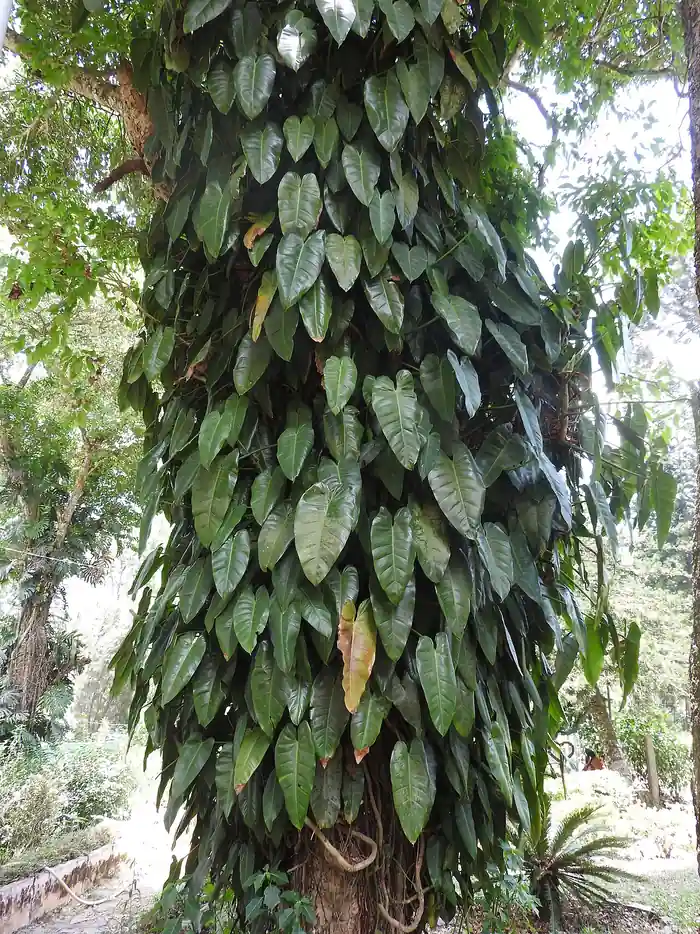
Philodendrons can poison dogs: chewing the leaves releases needle-like crystals that burn the mouth, causing drooling, swelling, and vomiting. Most exposures are mild and dogs recover fully, but throat swelling is possible, so call your vet.
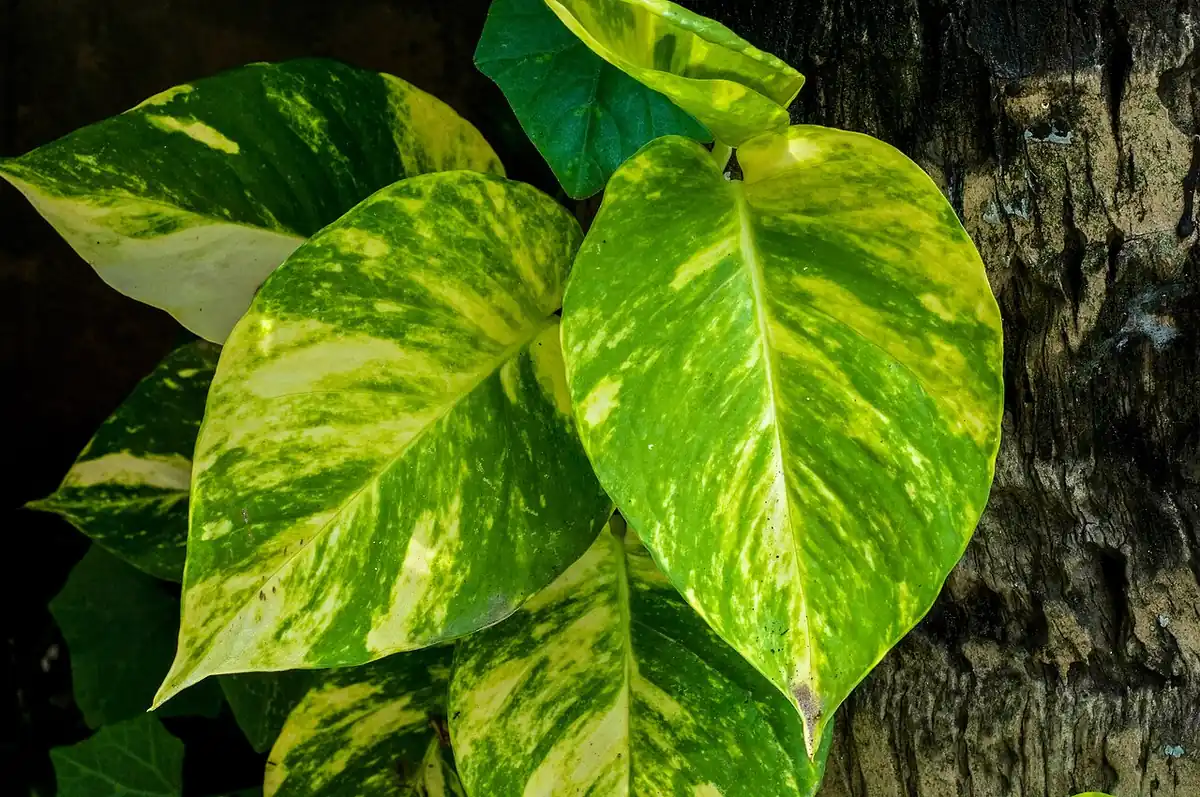
Pothos is toxic to dogs. Its leaves and stems contain insoluble calcium oxalate crystals that injure the mouth on contact, causing intense burning, drooling, and vomiting.
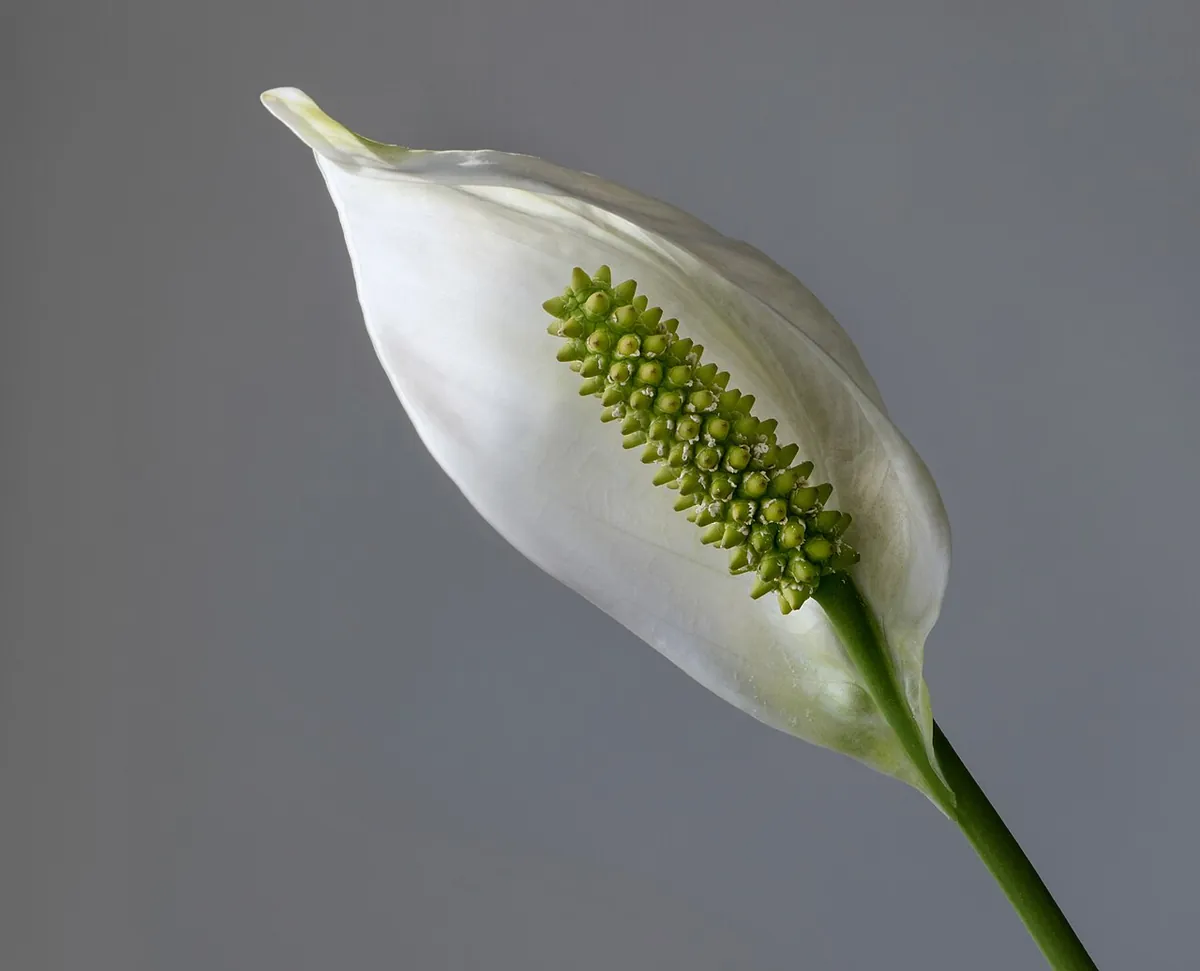
Peace lilies are toxic to dogs, but usually painful rather than life-threatening. Chewing releases calcium oxalate crystals that burn the mouth, cause drooling and vomiting, and can make swallowing difficult.
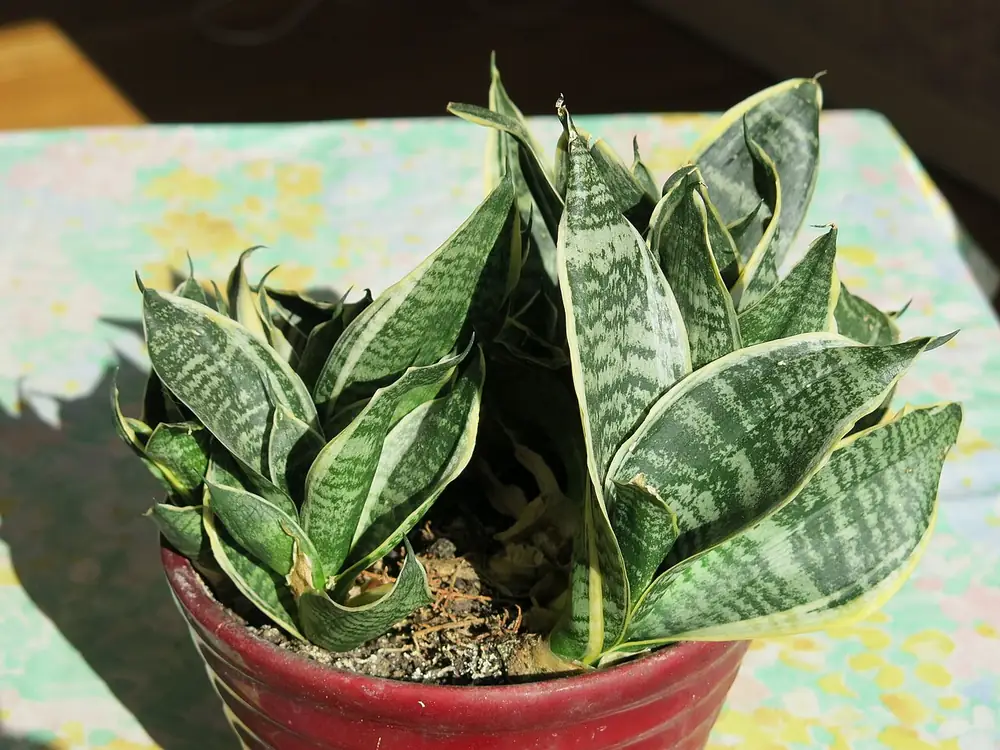
Snake plants are toxic to dogs. They contain saponins, which irritate the mouth and stomach and usually cause nausea, vomiting, and diarrhea.