Are Black-Eyed Susans Toxic to Dogs? What the ASPCA and Pet Poison Helpline Say
No — black-eyed Susans are not toxic to dogs.
Black-eyed Susans are not toxic to dogs. Rudbeckia hirta is not on the ASPCA's toxic plant list, no toxic principle has been documented, and Pet Poison Helpline groups it with plants not likely to cause severe symptoms. A large eating may still cause stomach upset, and the bristly leaves can irritate the mouth and skin.


- Item
- Black-Eyed Susans
- Scientific name
- Rudbeckia hirta
- Also called
- Black-eyed Susan, Gloriosa daisy, Yellow ox-eye daisy
- Category
- Plants
- Verdict
- Safe
- Symptoms start
- There is no poisoning onset time for black-eyed Susans because no toxic principle has been documented for them. If a dog eats a large amount, mild stomach upset may appear within a few hours, but no onset time is established in the authoritative sources checked.
No — black-eyed Susans are not toxic to dogs. Rudbeckia hirta, the yellow daisy-like wildflower with a dark brown center, does not appear on the ASPCA's toxic plant list, and Pet Poison Helpline groups black-eyed Susan with plants that are not likely to cause severe or life-threatening symptoms in pets. A dog that nibbles a flower is not being poisoned, and there is no emergency treatment needed for the plant itself.
That good news comes with two honest limits. First, the ASPCA has no listing for black-eyed Susan at all — it appears on neither the toxic list nor the non-toxic list — so this verdict rests on Pet Poison Helpline's guidance and the absence of any documented toxic principle, not on a confirmed ASPCA non-toxic rating. Second, eating a large amount of any plant can upset a dog's stomach, and the stiff little hairs on black-eyed Susan leaves can irritate the mouth and skin.
If your dog ate it — what to do now
- Take the plant away so your dog cannot keep eating it.
- Offer fresh water and rinse your dog's muzzle gently if it is pawing at its mouth or drooling from the leaf hairs.
- Check whether the plants were recently sprayed or treated, and save the product label if they were.
- Take a photo of the plant to confirm it really was a black-eyed Susan and not a lookalike such as a chrysanthemum.
- Call your veterinarian or the ASPCA Animal Poison Control Center at (888) 426-4435 (a consultation fee may apply) if symptoms last more than a day, your dog seems weak or in pain, or you suspect pesticide, slug bait, or fertilizer was involved.
- If your dog ate only a small amount and seems fine, no emergency visit is needed for the black-eyed Susan itself.
Do not do this
- Do not induce vomiting — there is no poison to remove, and vomiting should only ever be induced if a veterinarian tells you to.
- Do not give milk, food, oil, or home remedies to "dilute" a toxin that is not there.
- Do not assume the plant is the problem if your dog is sick — check whether pesticide, slug bait, or fertilizer was used nearby.
- Do not ignore ongoing vomiting or diarrhea that lasts more than a day, or lethargy after a large eating.
Why black-eyed susans are considered safe for dogs
Black-eyed Susan (Rudbeckia hirta) is a North American wildflower in the daisy family, and no toxic principle has been documented for it in dogs. It does not appear in the ASPCA's toxic and non-toxic plant database at all, so the ASPCA has not rated it either way. That is not the same as a confirmed non-toxic rating — but the absence of any listing, combined with the guidance below, is why the plant is treated as low risk rather than dangerous.
The clearest statement comes from Pet Poison Helpline, which groups black-eyed Susan with plants such as iris, lilac, geranium, poppy, and daisy that are "not likely to cause severe or life-threatening symptoms," while warning that large ingestions could cause vomiting, diarrhea, dermatitis, or lethargy. The National Capital Poison Center adds that there is no evidence black-eyed Susans poison people who swallow them, though they should not be eaten.
- ASPCA rating: no listing — Rudbeckia hirta is on neither the toxic list nor the non-toxic list.
- Toxic principles: none documented for dogs in the sources checked.
- Pet Poison Helpline: groups black-eyed Susan with plants not likely to cause severe or life-threatening symptoms.
How much black-eyed Susan is too much for a dog?
There is no toxic dose for black-eyed Susans, because there is no toxin to measure a dose of. No published dose in milligrams per kilogram of body weight exists, and no amount of black-eyed Susan has been shown to poison a dog. That does not mean a dog should eat unlimited black-eyed Susans. It means the risk is not poisoning, but volume and irritation.
Dogs are not built to digest large amounts of plant fiber. Black-eyed Susan tissue is mostly cellulose a dog's gut cannot break down well, and the leaves and stems are covered in stiff hairs that can scratch the mouth and stomach lining. A dog that eats a large quantity — a whole plant pulled out of the bed, for example — may vomit it back up or pass loose stool for a day. Grazing animals have been poisoned by eating large quantities of Rudbeckia, but that is a livestock problem from heavy grazing, not a dog problem from a garden nibble.
Symptoms if your dog eats black-eyed Susans
Because black-eyed Susans have no documented toxic principle, there are no poisoning symptoms to watch for. Most dogs that nibble a flower or a leaf show no symptoms at all. The symptoms that do occur come from eating too much plant material at once, and from the stiff hairs on the leaves and stems. Pet Poison Helpline lists vomiting, diarrhea, dermatitis, and lethargy as the possible signs after a large ingestion. The hairs can cause redness and itching where they touch skin, and mouth irritation when chewed — uncomfortable, but not poisoning, and it usually fades on its own.
- Usually no symptoms after a nibble.
- Vomiting, after eating a large amount.
- Loose stool or diarrhea, after eating a large amount.
- Drooling or pawing at the mouth, from the stiff leaf hairs.
- Mild skin redness or itching where leaves rubbed the skin.
- Lethargy, only after a very large ingestion.
- Short loss of appetite.
What to do if your dog eats black-eyed Susans
Stay calm. A black-eyed Susan nibble is not an emergency, and your dog does not need to be rushed to a clinic because of the plant itself. Take the plant away so your dog cannot keep eating it, and check how much was eaten. Offer fresh water, and rinse your dog's muzzle gently with water if it is pawing at its mouth or drooling from the hairs. Then watch your dog for the rest of the day for vomiting or loose stool.
The important question is not how much black-eyed Susan your dog ate, but what else was on or near it. If the plants were recently sprayed with insecticide or fungicide, or if slug bait, fertilizer, or cocoa-shell mulch was used in the bed, tell your veterinarian, because those products can be genuinely dangerous. Also take a photo of the plant itself: yellow daisy-like flowers are easy to confuse, and confirming the plant was really a black-eyed Susan helps the veterinarian rule out lookalikes.
How to keep your dog safe around black-eyed Susans
Black-eyed Susans themselves need no fencing off, and that is exactly why they are a good choice for a dog household. They are a native wildflower that thrives in sunny beds and meadows from June until the first frost, and a dog can walk through a patch of them without any poisoning risk. The safety work is around the plant, not the plant itself: systemic insecticides can move into the plant tissue, and granular fertilizers, slug bait, and cocoa-shell mulch can all harm a dog that eats them. Choose pet-safe products for the bed, store fertilizers and slug bait in closed containers out of reach, and avoid cocoa-shell mulch, which contains theobromine. Teach a reliable "leave it" cue so your dog does not graze the flower beds as a habit.
Other dog-safe yellow flowers
Black-eyed Susans are already one of the safer yellow flowers for a dog household, so an alternative is only needed if you want variety or a confirmed ASPCA non-toxic rating. Sunflowers are the closest match: tall, yellow, and listed as non-toxic to dogs by the ASPCA, with the same sunny look in a bigger plant. Zinnias are another bright, easy summer flower with an ASPCA non-toxic rating, and they come in yellow as well as pink, red, and orange. Roses are the classic swap for bouquets and garden beds and are listed as non-toxic to dogs by the ASPCA.
How to identify black-eyed Susans — and the lookalikes to watch
Black-eyed Susans are easy to recognize in bloom: bright golden-yellow petals around a dark brown, domed center, on stiff, branching stems with coarse, hairy green leaves. The plant grows one to three feet tall, blooms from June until the first frost, and is common in sunny beds, meadows, and roadsides across the United States. The rough, hairy leaves are a good field mark: run a finger along a leaf and it feels scratchy, not smooth.
The confusion comes from other yellow daisy-like flowers. Purple coneflower and coreopsis look similar and are also dog-friendly, so mixing them up is not a safety problem. The one to be careful about is the chrysanthemum, or mum: some yellow mums can look daisy-like at a glance, and chrysanthemums are listed as toxic to dogs by the ASPCA, with vomiting, diarrhea, drooling, and skin irritation.
Symptoms to watch for
- Usually no symptoms after a nibble
- Vomiting (after eating a large amount)
- Loose stool or diarrhea (after eating a large amount)
- Drooling or pawing at the mouth (from the stiff leaf hairs)
- Mild skin redness or itching where leaves rubbed the skin
- Lethargy (only after a very large ingestion)
- Short loss of appetite
Most dogs show no symptoms at all; only a large amount of plant material may cause mild vomiting, loose stool, or skin irritation that usually settles within a day. Persistent vomiting, diarrhea, or lethargy needs a veterinarian.
Safe alternatives
- Sunflowers — Listed as non-toxic to dogs by the ASPCA, and a tall yellow flower with the same sunny look as black-eyed Susans.
- Zinnias — Listed as non-toxic to dogs by the ASPCA, and a bright, easy summer flower for beds and borders.
- Roses — Listed as non-toxic to dogs by the ASPCA, and a classic choice for bouquets and garden beds.
What about cats? Black-eyed Susan is not listed by the ASPCA as toxic or non-toxic to cats either, so there is no ASPCA rating for cats to go on. The same low-risk picture applies: a cat that nibbles a flower is not facing a known poisoning, but a cat that eats a large amount may get stomach upset, and the bristly leaves can irritate the mouth. Keep cats from grazing the flower bed as a habit, and call your veterinarian if a cat vomits repeatedly or seems unwell after eating any plant.
Frequently asked questions
Are black-eyed Susans toxic to dogs?
No. Black-eyed Susan (Rudbeckia hirta) does not appear on the ASPCA's toxic plant list for dogs, and Pet Poison Helpline groups it with plants not likely to cause severe or life-threatening symptoms. A nibble is not a poisoning emergency, though eating a large amount can cause stomach upset.
Does the ASPCA list black-eyed Susans as non-toxic?
The ASPCA has no listing for Rudbeckia hirta at all — it appears on neither the toxic list nor the non-toxic list. That is different from a confirmed non-toxic rating. The low-risk verdict rests on Pet Poison Helpline's guidance and the absence of any documented toxic principle, not on an ASPCA rating.
My dog ate a few black-eyed Susan leaves — what should I do?
Probably a mild stomach upset at most. A few leaves or a flower are unlikely to cause more than a single bout of vomiting or loose stool, if anything at all. Offer water, take the plant away, and watch your dog for the rest of the day. Call your veterinarian if vomiting or diarrhea lasts more than a day, or if your dog seems weak or in pain.
Can black-eyed Susans irritate a dog's skin or mouth?
Yes, that is the main thing to watch for. The leaves, stems, and roots are covered in stiff little hairs that can irritate the mouth when chewed and redden the skin where they rub against it. That is contact irritation, not poisoning, and it usually fades on its own — but a dog that keeps rubbing an itchy muzzle or belly should be checked by a veterinarian.
Sources
- Pet Poison Helpline — Pet Spring Refresher
- ASPCA Poison Control — Toxic and Non-Toxic Plant List — Dogs
- National Capital Poison Center — Allergic reactions to the black-eyed Susan flower
- The Pollinator Patch — Are Black-Eyed Susans Toxic to Dogs? No (ASPCA)
Related guides

Sunflowers are not toxic to dogs. The ASPCA lists them as non-toxic, and the seeds are safe too — but only plain, shelled, and unsalted, in small amounts.
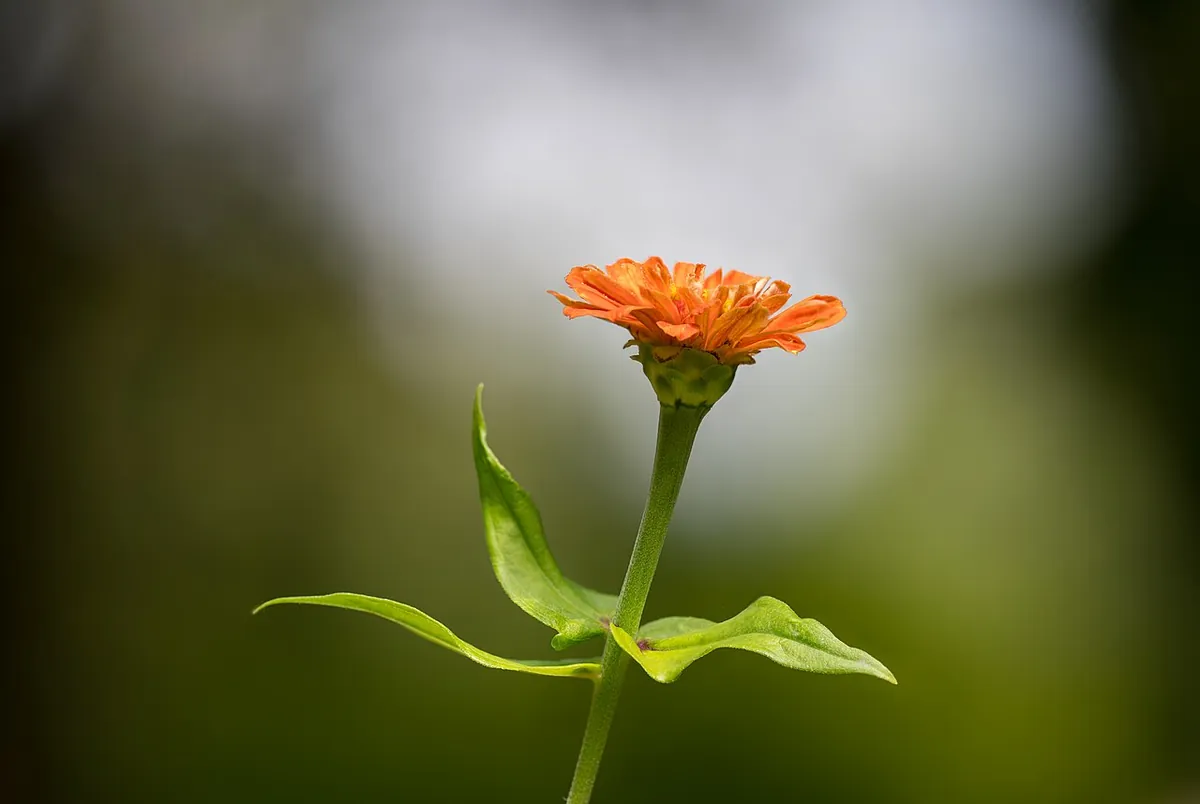
The ASPCA lists zinnias (Zinnia species) as non-toxic to dogs, cats, and horses. A dog that nibbles a zinnia is not expected to be poisoned, though eating a large amount of any plant material can still cause mild stomach upset.
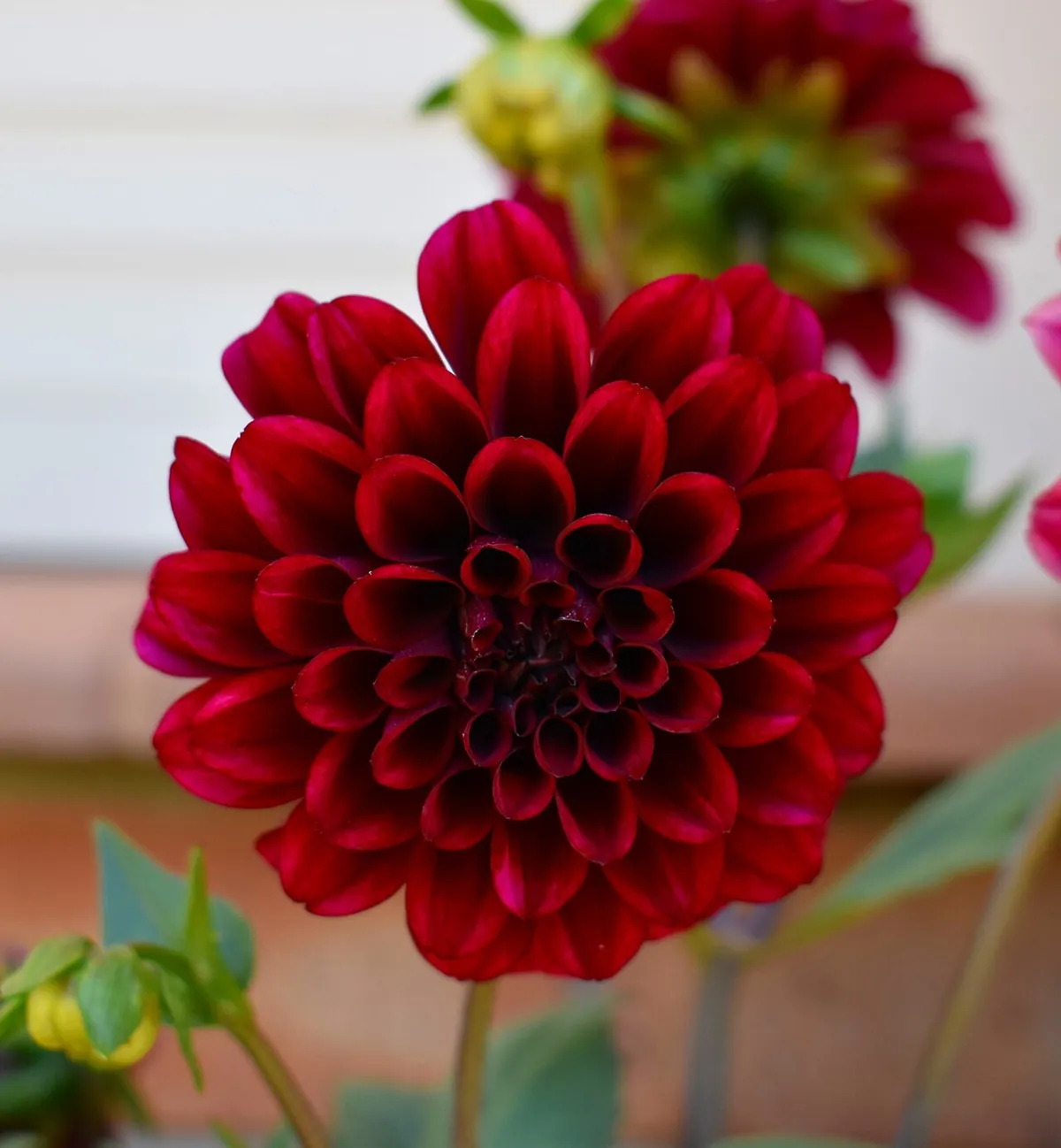
Dahlias are mildly toxic to dogs. The ASPCA lists Dahlia species as toxic, with mild stomach upset and mild skin irritation as the expected effects — not organ damage.

Yes — Tagetes marigolds (French and African marigolds) are mildly toxic to dogs, causing stomach upset and possible skin irritation. Pot marigold is a different plant and is listed as non-toxic.