Is Verbena Toxic to Dogs? What Every Owner Should Know
Garden verbena is usually called safe — but two plants sold as verbena are toxic, so treat verbena with caution.
Garden verbena (Verbena x hybrida) is generally described as non-toxic to dogs, but the ASPCA has no entry for it, so its safety is unconfirmed. Lemon verbena and lantana (shrub verbena) are both listed as toxic by the ASPCA, so always check the scientific name first.
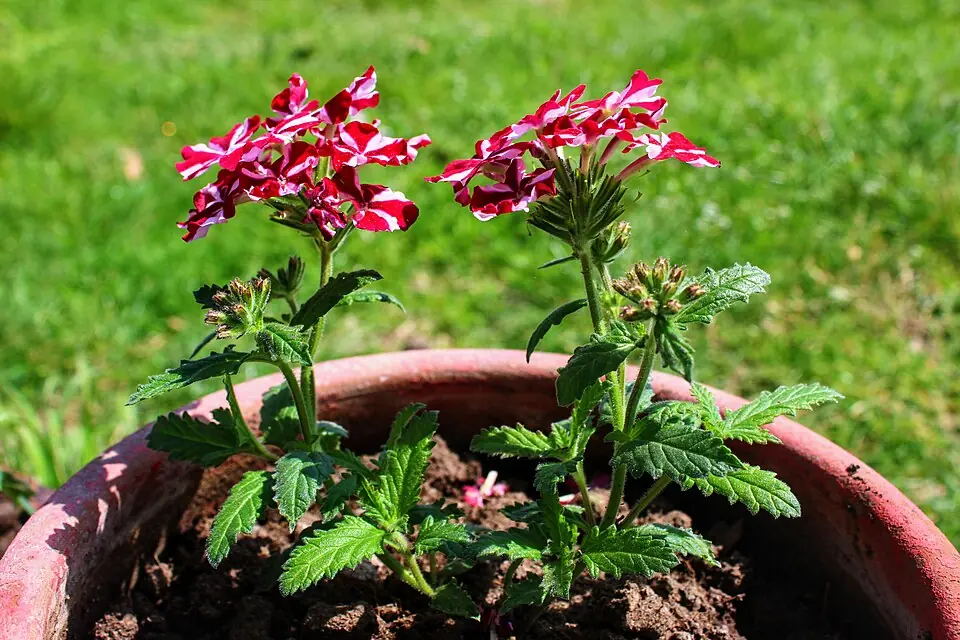

- Item
- Verbena
- Scientific name
- Verbena x hybrida
- Also called
- Garden verbena, Bedding verbena, Florist's verbena, Vervain
- Category
- Plants
- Verdict
- Caution
- Symptoms start
- Onset time is not well established — the ASPCA pages for lemon verbena and lantana do not give a time frame for signs in dogs, so we do not state one here. Signs of stomach upset after eating a large amount of plant material usually appear soon after eating.
Verbena is a popular garden flower, sold in hanging baskets, window boxes, and garden beds across the United States. Owners ask whether it is safe for dogs, and the honest answer is more complicated than a simple yes or no.
Garden verbena is generally described as non-toxic to dogs, but the ASPCA has no entry for it, so that safety has not been confirmed by the ASPCA. Two different plants are sold under the name verbena, and both are toxic: lemon verbena and lantana, also called shrub verbena. That is why this page gives a caution verdict, not a safe one.
If your dog ate it — what to do now
- Check the plant tag or label for the scientific name, and take a photo of the plant, including its flowers and leaves.
- Move your dog away from the plant so it cannot eat more.
- Call your veterinarian or ASPCA Animal Poison Control Center at (888) 426-4435 (a consultation fee may apply) and describe the scientific name if you know it, which parts your dog ate, how much, and your dog's weight and age.
- If the plant was lantana or lemon verbena, tell your veterinarian or poison control right away, even if your dog looks fine.
- Watch your dog for vomiting, diarrhea, belly pain, weakness, or labored breathing, and seek veterinary care promptly if any of these appear or get worse.
Do not do this
- Do not induce vomiting unless a veterinarian tells you to.
- Do not assume a plant is garden verbena just because verbena is in its name — check the scientific name first.
- Do not wait for symptoms if your dog ate lantana or lemon verbena — call your veterinarian or poison control right away.
- Do not use verbena essential oil on your dog or let your dog chew on it.
- Do not use home remedies as a substitute for veterinary care.
Why verbena is a caution, not a clear yes or no
The word verbena covers more than 250 species, and the ASPCA treats them very differently. Garden verbena, Verbena x hybrida, is the bedding plant with clusters of small red, pink, purple, or white flowers that most owners mean when they ask this question. The ASPCA has no entry for garden verbena under either of its names, so its safety for dogs has not been confirmed by the ASPCA.
Two plants sold under the verbena name are confirmed toxic. Lemon verbena, Aloysia triphylla, is listed as toxic to dogs, cats, and horses by the ASPCA, with essential oils named as the toxic principles and stomach upset and colic as the clinical signs. Lantana, Lantana camara, is sold as shrub verbena, and the ASPCA lists it as toxic to dogs, cats, and horses, with vomiting, diarrhea, labored breathing, and weakness as the clinical signs.
- Garden verbena (Verbena x hybrida): no ASPCA entry, safety unconfirmed
- Lemon verbena (Aloysia triphylla): toxic, essential oils
- Lantana (Lantana camara), sold as shrub verbena: toxic
How much verbena is dangerous for dogs?
There is no established toxic dose for verbena in dogs. The ASPCA does not publish an amount for garden verbena, lemon verbena, or lantana, and we could not find one in any authoritative source we checked. So there is also no established safe dose for garden verbena.
A small nibble of garden verbena is not expected to poison a dog, based on the sources that describe it as generally non-toxic, but eating a large amount of any plant material can cause vomiting or diarrhea. For lemon verbena, the ASPCA notes there are no concerns if small amounts are used in cooking, so the risk comes from eating a large amount of the plant itself. For lantana, the unripe green berries carry the highest toxin concentration.
- No toxic dose in mg/kg has been established for any verbena
- No safe dose has been established for garden verbena
- Lantana: the unripe green berries carry the highest toxin concentration
Symptoms to watch for after a dog eats verbena
The symptoms depend on which plant your dog actually ate. For garden verbena, the only signs reported are the mild ones that follow eating a large amount of any plant: vomiting or diarrhea, and a short-lived upset stomach. A dog that nibbles a few garden verbena flowers and shows no symptoms is unlikely to be in danger.
For lemon verbena, the ASPCA lists stomach upset and colic, which means belly pain, restlessness, and possibly vomiting or diarrhea. For lantana, the ASPCA lists vomiting, diarrhea, labored breathing, and weakness. Labored breathing, weakness, or repeated vomiting after eating any plant sold as verbena is urgent and needs a veterinarian right away.
- Garden verbena, large amount: mild vomiting or diarrhea
- Lemon verbena: stomach upset, colic, belly pain
- Lantana: vomiting, diarrhea, labored breathing, weakness
What to do if your dog eats verbena
Stay calm and find out which verbena your dog ate, because that decides how worried to be. Check the plant tag, the nursery label, or your order confirmation for the scientific name. Take a photo of the plant, including its flowers and leaves, and keep the tag so your veterinarian can identify it.
Move your dog away from the plant so it cannot eat more. Call your veterinarian or the ASPCA Animal Poison Control Center at (888) 426-4435; a consultation fee may apply. If the plant was lantana or lemon verbena, say so clearly, and do not wait for symptoms to appear.
- Work out which verbena it was — check the plant tag or label
- Take a photo of the plant and keep the tag if you have it
- Call your vet or ASPCA Animal Poison Control at (888) 426-4435 (a consultation fee may apply)
How to keep your dog safe around verbena
The single most useful step is to check the scientific name before you buy. Garden verbena should be labeled Verbena x hybrida or Glandularia x hybrida. If the tag says Aloysia triphylla, that is lemon verbena, and if it says Lantana camara, that is lantana, also sold as shrub verbena. Both are toxic to dogs.
If you already have verbena in the garden, plant it in hanging baskets, window boxes, or raised beds your dog cannot reach, and fence off low beds if your dog is a chewer. Clear fallen flowers and berries from paths, and supervise your dog in the garden until you know it leaves the plants alone. When in doubt, look a plant up in the ASPCA plant database by its scientific name.
- Check the scientific name on the tag before buying any verbena
- Keep lemon verbena and lantana out of the garden if your dog chews plants
- Plant verbena in hanging baskets or raised beds out of reach
Which verbena is which? How to tell them apart
Garden verbena is a low bedding plant with clusters of small five-petaled flowers in red, pink, purple, or white, and toothed green leaves. It is sold for hanging baskets and flower beds. Lemon verbena is a woody shrub with long, narrow, lemon-scented leaves, grown as a herb for tea and cooking; its leaves smell strongly of lemon when crushed.
Lantana is a shrub with rough, toothed leaves and round clusters of small flowers that change color as they age, often yellow, orange, and pink on the same plant, followed by small green berries that turn dark. It is sold as shrub verbena. If the plant has berries, treat it as lantana until proven otherwise, because the unripe green berries carry the highest toxin concentration.
- Garden verbena: Verbena x hybrida, low bedding plant with clusters of small flowers
- Lemon verbena: Aloysia triphylla, woody shrub with lemon-scented leaves
- Lantana: Lantana camara, shrub with flowers that change color and green berries
Safe alternatives to verbena
If you want the same look as garden verbena without the naming confusion, several common flowers are clearly listed as safe for dogs. Roses, petunias, snapdragons, and sunflowers all give bright color in a garden bed, and the ASPCA lists roses and snapdragons as non-toxic to dogs. PetMD includes roses, sunflowers, and snapdragons on its list of flowers safe for dogs.
For the home, spider plants are listed as non-toxic to dogs by the ASPCA and are a good choice for hanging baskets. Whatever you choose, check the scientific name on the tag, keep plants out of reach of a dog that chews, and do not let your dog eat plant material.
- Roses: non-toxic to dogs, same colorful garden flowers
- Petunias: a bedding flower in the same garden role
- Snapdragons: colorful and ASPCA-listed as non-toxic
Symptoms to watch for
- Mild vomiting
- Diarrhea
- Stomach upset
- Colic (belly pain)
- Restlessness
- Labored breathing
- Weakness
- Refusal to eat
- Lethargy
- Repeated vomiting
The symptoms depend on which verbena your dog ate: garden verbena usually causes only mild stomach upset, while lemon verbena causes stomach upset and colic, and lantana can cause vomiting, diarrhea, weakness, and labored breathing.
Safe alternatives
- Roses — Listed as non-toxic to dogs by the ASPCA, with the same colorful flowers.
- Petunias — A bedding flower in the same garden role as verbena, widely listed as dog-safe.
- Snapdragons — A colorful garden flower the ASPCA lists as non-toxic to dogs.
- Sunflowers — Non-toxic to dogs and an easy swap for a sunny bed.
- Spider plants — Listed as non-toxic to dogs by the ASPCA, for the home rather than the garden.
What about cats? The same confusion applies to cats. Lemon verbena (Aloysia triphylla) and lantana (Lantana camara) are listed as toxic to cats by the ASPCA, while garden verbena has no ASPCA entry at all. Keep all plants sold as verbena away from cats until the scientific name has been checked.
Frequently asked questions
Is verbena toxic to dogs?
Garden verbena is generally described as non-toxic to dogs in gardening and pet-care sources, but the ASPCA has no entry for garden verbena (Verbena x hybrida), so its safety has not been confirmed by the ASPCA. Two plants sold under the name verbena are toxic: lemon verbena and lantana, also called shrub verbena. Check the scientific name on the plant tag before deciding it is safe.
Is lemon verbena toxic to dogs?
No. Lemon verbena (Aloysia triphylla) is listed as toxic to dogs by the ASPCA. Its toxic principles are essential oils, and the ASPCA lists stomach upset and colic as the clinical signs. Keep lemon verbena out of your dog's reach.
Is lantana toxic to dogs?
Yes. Lantana (Lantana camara), also sold as shrub verbena, is listed as toxic to dogs, cats, and horses by the ASPCA. Its toxic principles are pentacyclic triterpenoids, and the signs include vomiting, diarrhea, labored breathing, and weakness. If your dog eats lantana, call your veterinarian or poison control right away.
What happens if my dog eats verbena?
A small nibble of garden verbena is not expected to poison a dog, based on the gardening and pet-care sources that describe it as generally non-toxic. But eating a large amount of any plant material can cause vomiting or diarrhea, and if the plant is actually lemon verbena or lantana, the risk is higher. Check the plant tag and watch your dog, and call your veterinarian if it vomits repeatedly or seems unwell.
Sources
- ASPCA Poison Control — Lemon Verbena
- ASPCA Poison Control — Lantana
- PetMD — 29 Flowers and Plants That Are Safe for Dogs
Related guides
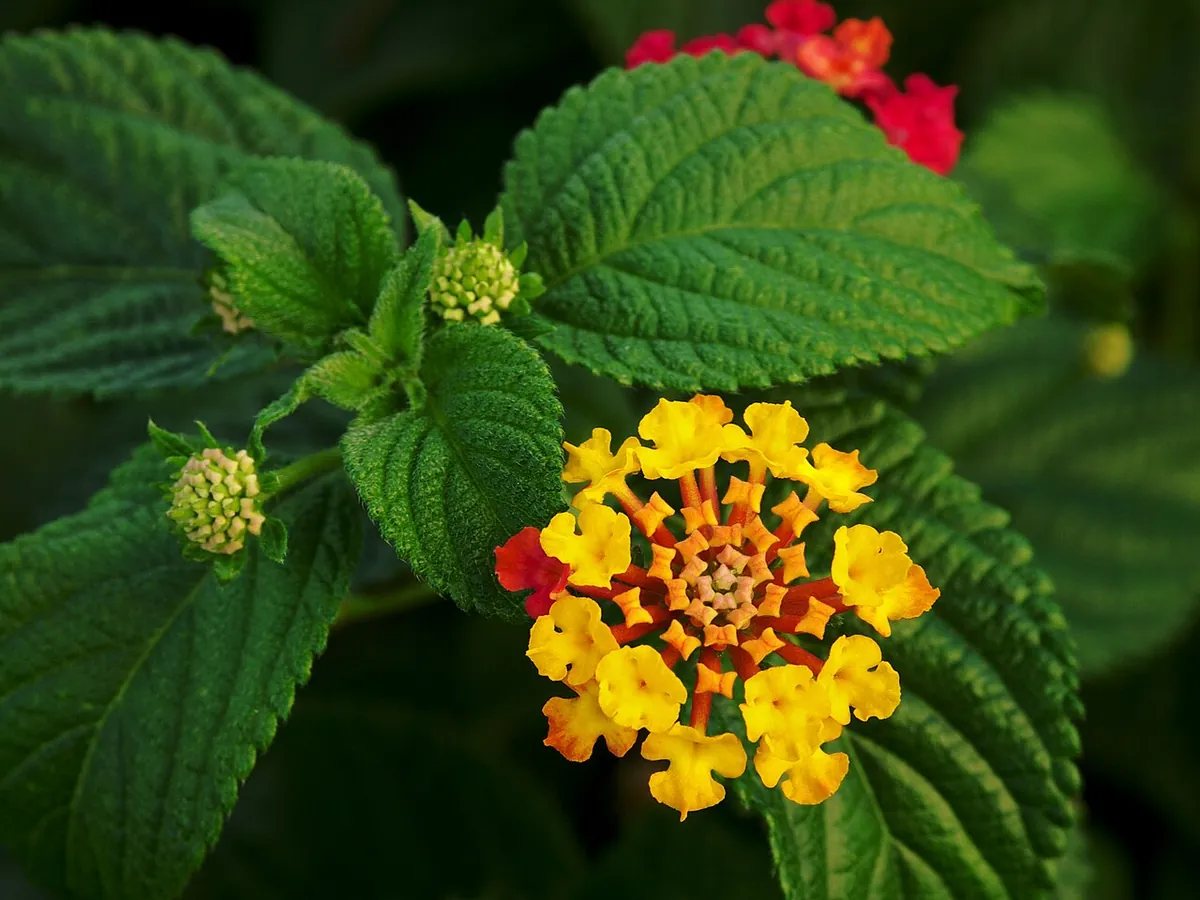
Lantana (Lantana camara) is toxic to dogs, cats, and horses, according to the ASPCA. Its lantadene compounds cause vomiting and diarrhea, and large amounts can damage the liver and make the skin painfully sensitive to sunlight. The berries are the most toxic part. If your dog eats any part of a lantana plant, call your vet.
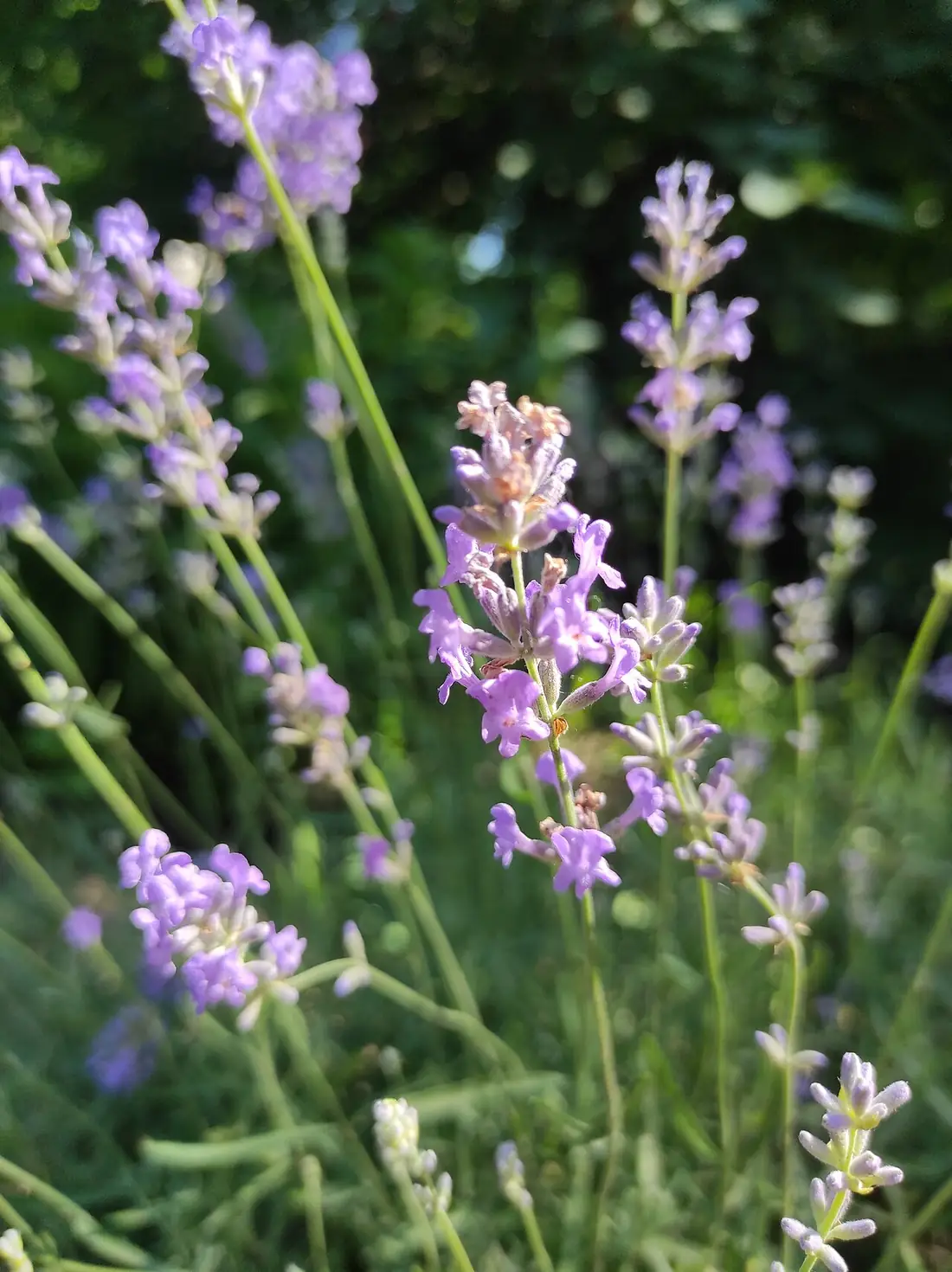
The ASPCA lists lavender as toxic to dogs. Eating the plant usually causes only mild stomach upset, but concentrated lavender essential oil is a much bigger risk and should never be swallowed or put on your dog.
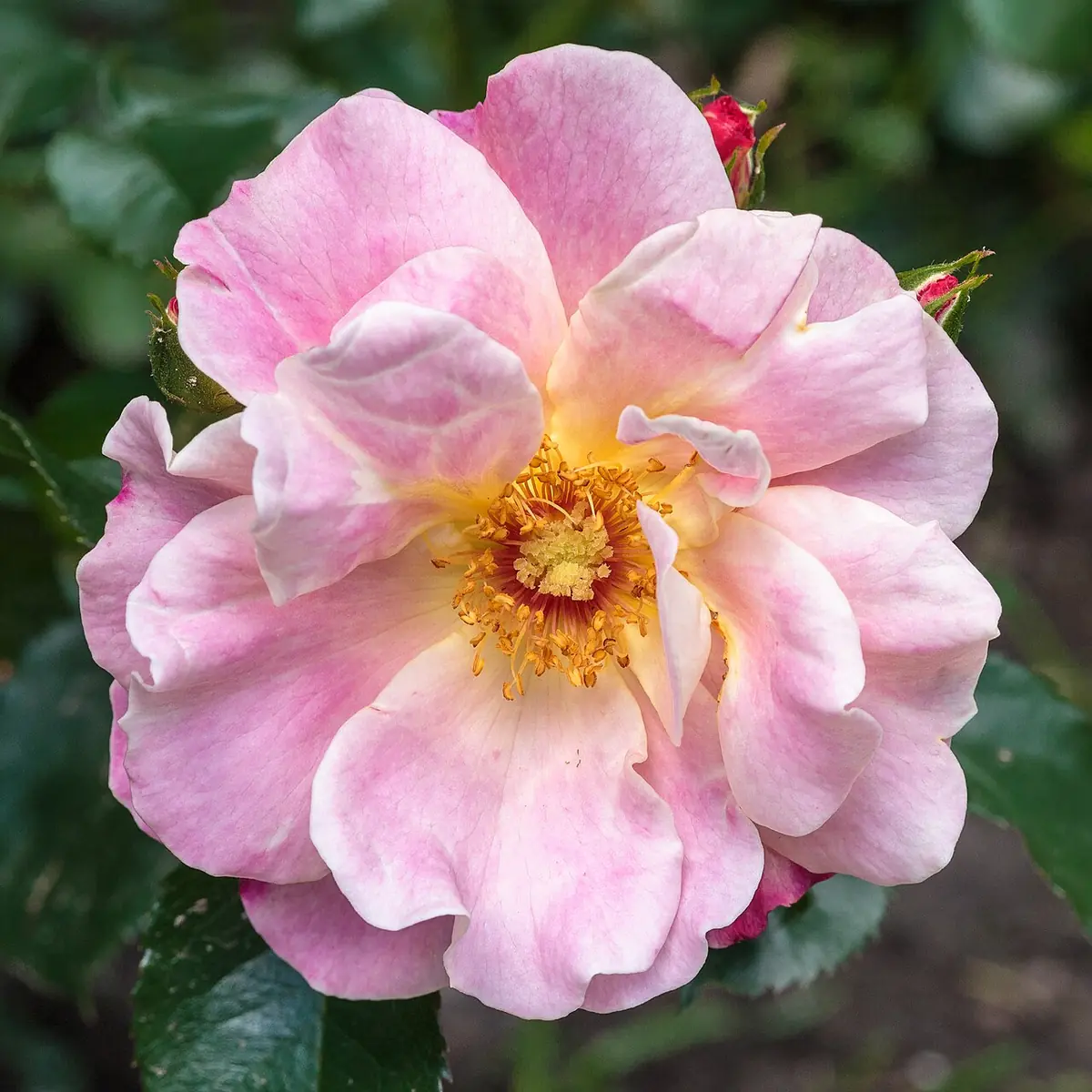
The ASPCA lists roses (Rosa species) as non-toxic to dogs, cats, and horses. The real risks are the thorns and any pesticides, fertilizers, or flower food on the plant.
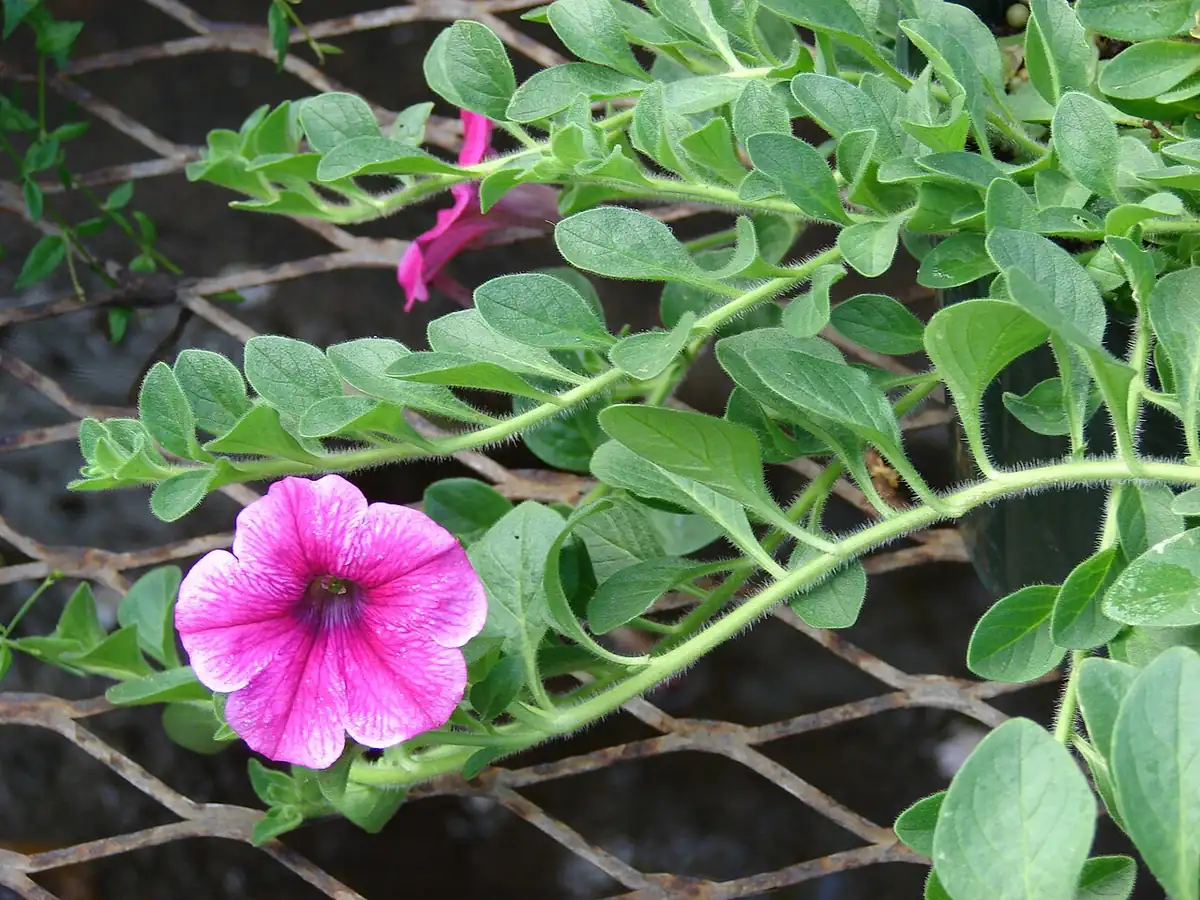
Petunias are not toxic to dogs. The ASPCA lists Petunia species as non-toxic to dogs, cats, and horses, with no toxic principle identified. A nibble needs no emergency action, though eating a lot of any plant can upset the stomach.