Is Lantana Toxic to Dogs? What Every Owner Should Know
Yes — lantana is toxic to dogs.
Lantana (Lantana camara) is toxic to dogs, cats, and horses, according to the ASPCA. Its lantadene compounds cause vomiting and diarrhea, and large amounts can damage the liver and make the skin painfully sensitive to sunlight. The berries are the most toxic part. If your dog eats any part of a lantana plant, call your vet.
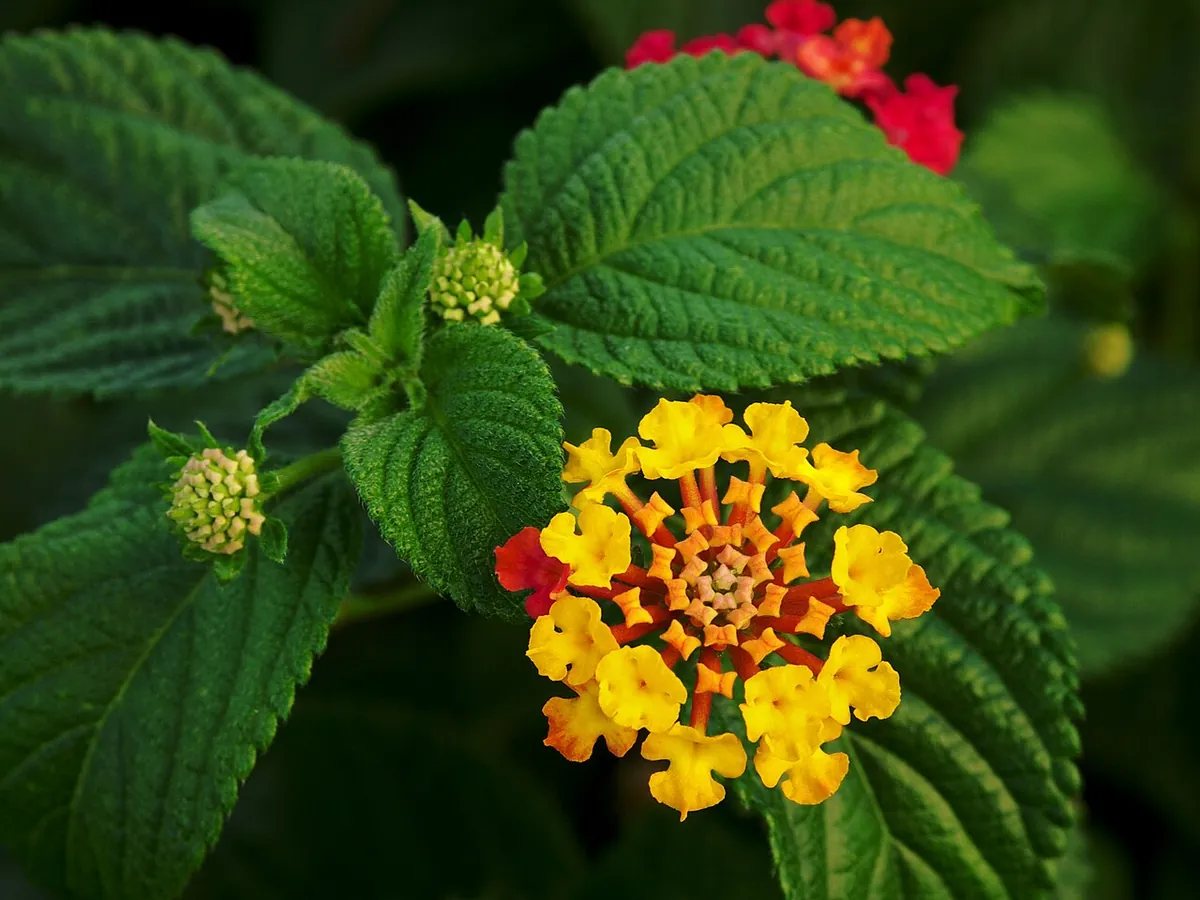

- Item
- Lantana
- Scientific name
- Lantana camara
- Also called
- Common lantana, Shrub verbena, Yellow sage, Red sage
- Category
- Plants
- Verdict
- Toxic
- Symptoms start
- Stomach upset usually within 24 hours; liver damage and photosensitization can take days to weeks to develop after larger ingestions.
Yes, lantana is toxic to dogs. Lantana camara, also called shrub verbena, yellow sage, or red sage, is a common landscaping shrub in warm parts of the United States, and the ASPCA lists it as toxic to dogs, cats, and horses. Its bright, multicolored flower clusters make it a garden favorite, but every part of the plant carries poison.
Most dogs that nibble lantana develop only stomach upset. The real danger is a larger amount, especially the berries, which can damage the liver and make the skin painfully sensitive to sunlight. Because lantana grows in so many yards and parks across Florida, Texas, California, and other warm states, know what it looks like.
If your dog ate it — what to do now
- Call your veterinarian or the ASPCA Animal Poison Control Center at (888) 426-4435 right away (a consultation fee may apply).
- Tell them which part of the plant your dog ate, how much, when it happened, and your dog's weight.
- Take a photo of the plant, including flowers, leaves, and berries, so the vet can confirm it is lantana.
- Follow your vet's instructions exactly, and take your dog to the vet or an emergency clinic if they tell you to.
- Watch your dog for several days for vomiting, diarrhea, weakness, yellowing of the gums or eyes, and any skin redness or blistering after sun exposure, and report these signs to your vet promptly.
Do not do this
- Do not induce vomiting unless a veterinarian tells you to.
- Do not give home remedies, milk, or activated charcoal on your own.
- Do not wait to see if symptoms pass on their own, especially if your dog ate berries or a large amount.
- Do not let your dog spend time in direct sunlight after eating lantana, since sun exposure can worsen photosensitization.
- Do not assume ripe berries are safe — sources disagree on this, so treat all lantana berries as toxic.
What makes lantana toxic to dogs?
Lantana's poison is a group of compounds called pentacyclic triterpenoids, mainly lantadene A and lantadene B, which the ASPCA lists as the toxic principle. They are present in all parts of the plant, including the leaves, stems, flowers, and berries, with the highest concentrations in the unripe green berries.
In small amounts, lantadenes irritate the stomach and gut, causing vomiting and diarrhea. In larger amounts, they damage the liver. The liver normally clears phylloerythrin, a breakdown product of chlorophyll. When lantadenes damage the liver's bile channels, phylloerythrin builds up in the blood and collects in the skin, and sunlight then triggers a reaction there, a condition called secondary photosensitization. This is what makes lantana poisoning distinctive: a dog that ate a large amount can develop red, swollen, blistered skin on pale or lightly furred areas in the sun.
Lantana also affects the kidneys in severe cases, and livestock that graze on it for days can develop liver and kidney failure. In dogs and cats, severe poisoning is less common because pets usually eat only small amounts, but liver failure has been reported in dogs.
How much lantana is dangerous for a dog?
There is no established safe dose of lantana for a dog, and no toxic dose in milligrams per kilogram has been established for dogs. Do not assume a small nibble is harmless, and do not try to work out a safe amount from the size of your dog. Whatever the amount, call your veterinarian or poison control and describe exactly what your dog ate.
The berries are the most toxic part, especially the unripe green ones. They grow in small clusters, start out green, and ripen to dark blue or almost black. The small, dark berries can look like blueberries, which makes them easy for a dog to swallow whole. The leaves and flowers are also toxic, but dogs usually eat less of them because they taste bitter.
The ASPCA notes that liver failure from lantana is rare in cats and dogs and very unlikely unless the plant is eaten over a long period or in very large amounts. That is reassuring, but not a reason to ignore an ingestion: a puppy or a bored dog can eat far more than a curious nibble. Treat any confirmed ingestion as a reason to call your vet.
Symptoms of lantana poisoning in dogs
The most common symptoms in dogs are vomiting, diarrhea, loss of appetite, weakness, and drooling. The ASPCA lists vomiting, diarrhea, labored breathing, and weakness as the clinical signs in pets. FirstVet notes that stomach symptoms tend to develop within 24 hours and often resolve on their own or with supportive care.
More serious signs appear after larger ingestions or repeated eating over days: bloody diarrhea, abdominal swelling, frequent urination, dark urine, staggering, labored breathing, and yellowing of the gums, eyes, or skin (jaundice) as the liver fails. The most distinctive sign is photosensitization: redness, swelling, or blistering on pale or lightly furred skin after time in sunlight. In livestock, photosensitization and liver failure can take days to weeks to develop.
Because symptoms can be delayed, do not assume your dog is fine just because nothing happened in the first few hours. If your dog ate lantana berries or a large amount of leaves, call your vet even if your dog still seems normal, and watch over the next several days for vomiting, diarrhea, weakness, and skin redness or blistering in the sun.
What to do if your dog eats lantana
Stay calm and act quickly. Remove any plant material from your dog's mouth if you can do so safely, and take a photo of the plant, including its flowers, leaves, and berries, so the vet can confirm it is lantana. Note the time, how much your dog ate, and which part of the plant it was.
Call your veterinarian or the ASPCA Animal Poison Control Center at (888) 426-4435 right away (a consultation fee may apply). Tell them which part of the plant your dog ate, how much, when it happened, and your dog's weight. Your vet may induce vomiting at the clinic if the plant was eaten recently, give activated charcoal, and run blood tests to check liver values.
Treatment depends on how much your dog ate and whether symptoms have started. Most dogs that nibble a small amount need only monitoring and supportive care for vomiting and diarrhea, and FirstVet notes that symptoms often resolve within 24 to 48 hours if the dog is eating, drinking, and feeling well. If vomiting or diarrhea persist, or your dog develops weakness, labored breathing, jaundice, or sun-sensitive skin, take your dog to the vet immediately. Keep your dog out of direct sunlight while you wait for advice, since sun exposure can worsen photosensitization.
How to keep your dog safe from lantana
Lantana is a perennial flowering shrub widely planted in landscaping across the warm southern United States. It grows wild and is considered invasive in Florida, Georgia, Texas, California, and Hawaii, and is commonly sold in garden centers in these states. It thrives in sun, handles dry conditions, and produces clusters of small flowers in yellow, orange, pink, and red, often several colors on one plant.
Learn to recognize it before you plant anything new: rough, wrinkled, dark green leaves with toothed edges, and flowers in tight, round clusters that change color as they age. The berries grow in small clusters and turn from green to dark blue-black. If you have lantana in your yard, fence it off or remove it, especially with a puppy or a dog that chews plants. Pick up fallen berries, and trim off flower heads before they set fruit.
When you walk your dog, watch for lantana in park beds, sidewalk planters, and neighbors' yards, and teach a reliable "leave it" so you can stop your dog eating berries on the ground. If you want lantana's look without the risk, ask your garden center for sterile, berry-free varieties, but the leaves and flowers still contain toxins, so these are safer, not safe.
Safe alternatives to lantana
Marigolds are listed as non-toxic to dogs by the ASPCA and are heat-tolerant bedding flowers. Roses are also listed as non-toxic, although their thorns can injure a mouth or paw. Petunias are listed as non-toxic and come in many of the same bright colors as lantana. Spider plants are non-toxic to dogs and make good hanging plants.
Before planting anything new, check the botanical name on the tag. Lantana's common names include shrub verbena, yellow sage, and red sage, and the non-toxic wild lantana (Abronia fragrans) shares the name but is a different plant. When in doubt, check the ASPCA's plant list before you bring a plant home.
Symptoms to watch for
- Vomiting
- Diarrhea (sometimes bloody)
- Loss of appetite
- Weakness
- Drooling
- Abdominal swelling
- Frequent urination
- Dark urine
- Staggering or abnormal movements
- Labored breathing
- Yellowing of the gums, eyes, or skin (jaundice)
- Redness, swelling, or blistering of pale skin in sunlight (photosensitization)
- Liver failure (after large ingestions)
Stomach upset usually develops within 24 hours; liver damage and photosensitization can take days to weeks to appear after larger ingestions.
Safe alternatives
- Marigolds — Listed as non-toxic to dogs by the ASPCA and a colorful, heat-tolerant garden flower.
- Roses — Listed as non-toxic to dogs by the ASPCA; thorns can injure a mouth or paw.
- Petunias — Listed as non-toxic to dogs by the ASPCA and a popular bedding flower.
- Spider plants — Listed as non-toxic to dogs by the ASPCA and easy to hang out of reach.
What about cats? Lantana is toxic to cats as well as dogs, according to the ASPCA. Cats that eat lantana can develop the same stomach upset, weakness, and liver problems. Keep lantana out of reach of cats too, and call your veterinarian or poison control if a cat eats any part of the plant.
Frequently asked questions
Is lantana toxic to dogs?
Yes. Lantana (Lantana camara) is toxic to dogs. The ASPCA lists it as toxic to dogs, cats, and horses. All parts of the plant are toxic, and the berries are the most dangerous part. Eating lantana usually causes vomiting and diarrhea, and large amounts can damage the liver.
Why is lantana toxic to dogs?
Lantana contains pentacyclic triterpenoids, mainly lantadene A and lantadene B. These compounds irritate the stomach and gut and can damage the liver. When the liver is damaged, a substance called phylloerythrin builds up and makes the skin abnormally sensitive to sunlight, a condition called photosensitization.
Are lantana berries poisonous to dogs?
The berries are the most toxic part, especially the unripe green ones. Lantana berries start green, then turn dark blue or almost black as they ripen. The small, dark berries can look like blueberries, so keep dogs away from berry clusters and pick up fallen berries.
What should I do if my dog ate lantana?
Call your veterinarian or the ASPCA Animal Poison Control Center at (888) 426-4435 right away (a consultation fee may apply). Tell them which part of the plant your dog ate, how much, and when. Do not induce vomiting or give home remedies unless a vet tells you to.
Sources
- ASPCA Poison Control — Toxic and Non-toxic Plants: Lantana
- Pet Poison Helpline — Lantana Is Toxic to Dogs
- FirstVet — Lantana Toxicity in Dogs and Cats
- University of Florida, IFAS — Lantana camara (Lantana)
Related guides
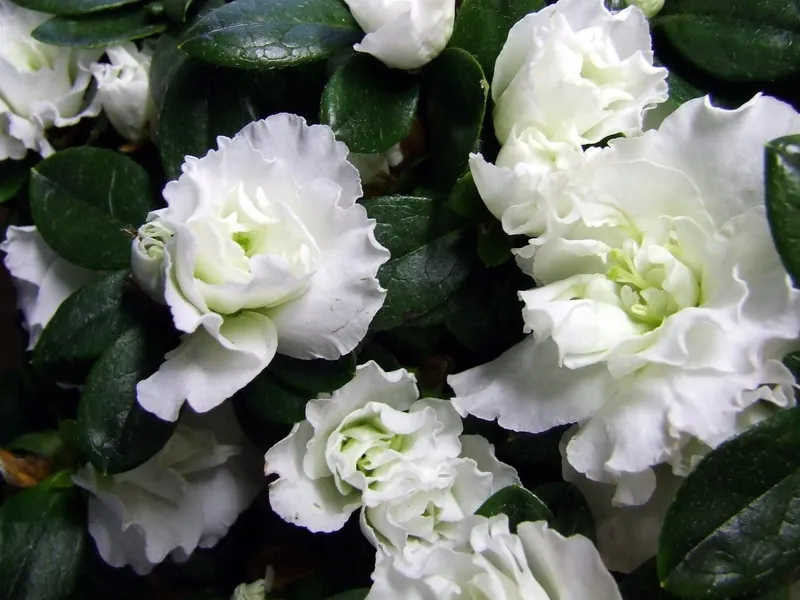
The ASPCA lists azaleas (Rhododendron spp.) as toxic to dogs, cats, and horses. Every part of the plant contains grayanotoxins, and even a few leaves can cause vomiting, weakness, and dangerous heart effects.
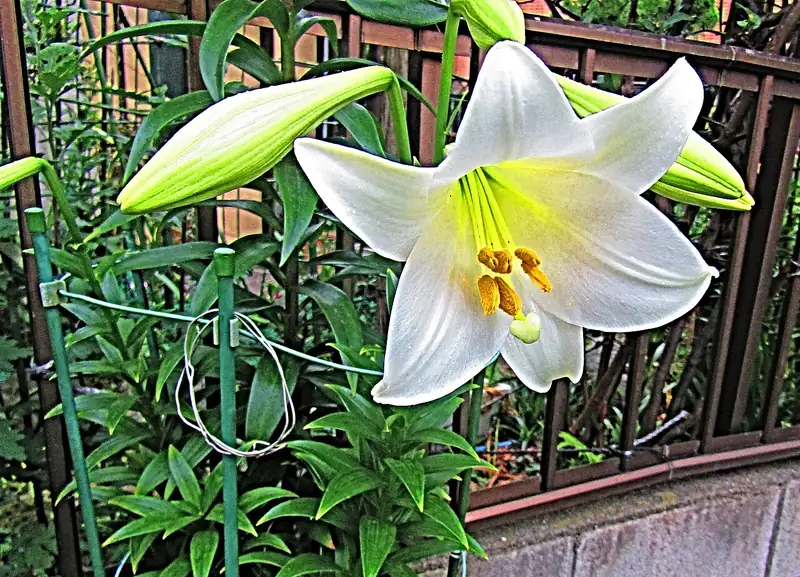
Lilies can poison dogs, usually causing vomiting, diarrhea, and drooling. True lilies are far more dangerous to cats, where they can cause fatal kidney failure. If your dog eats any lily, call your vet.
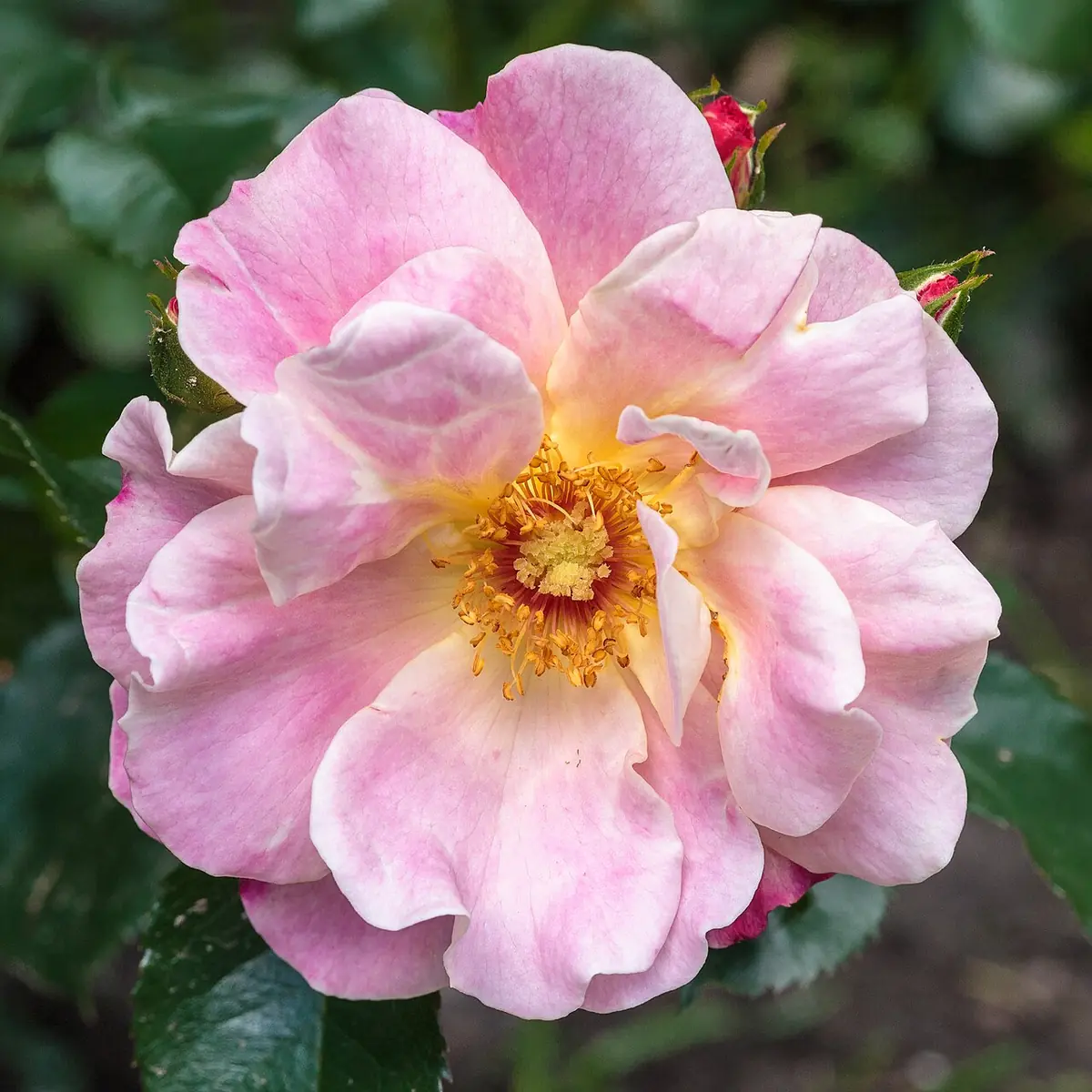
The ASPCA lists roses (Rosa species) as non-toxic to dogs, cats, and horses. The real risks are the thorns and any pesticides, fertilizers, or flower food on the plant.
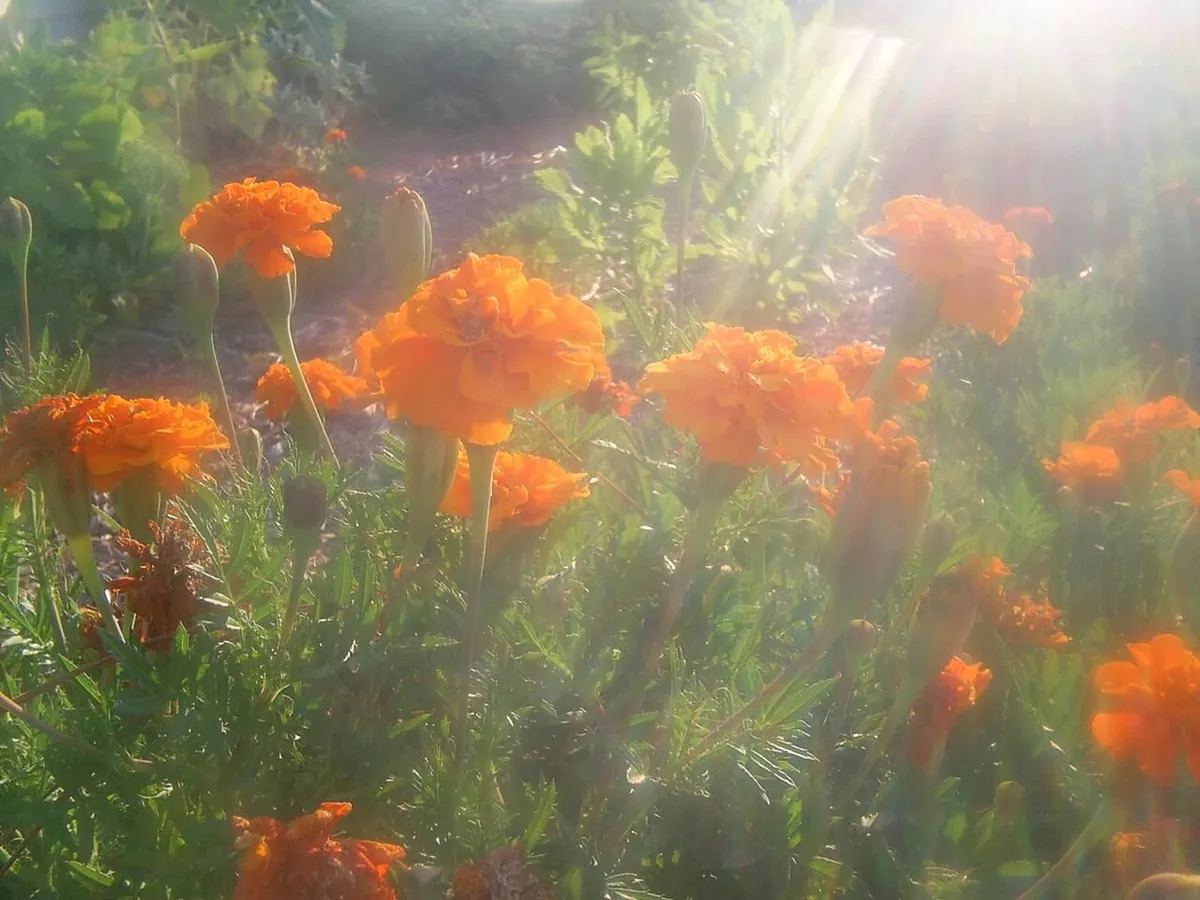
Yes — Tagetes marigolds (French and African marigolds) are mildly toxic to dogs, causing stomach upset and possible skin irritation. Pot marigold is a different plant and is listed as non-toxic.