Are Money Trees Toxic to Dogs? What Owners Need to Know
No — money trees are not toxic to dogs.
Money trees (Pachira aquatica) are listed as non-toxic to dogs by the ASPCA, with no toxic principle. A dog that chews a leaf may get mild stomach upset, but it is not a poisoning. Check the label — jade plants and pothos share the name and are toxic.
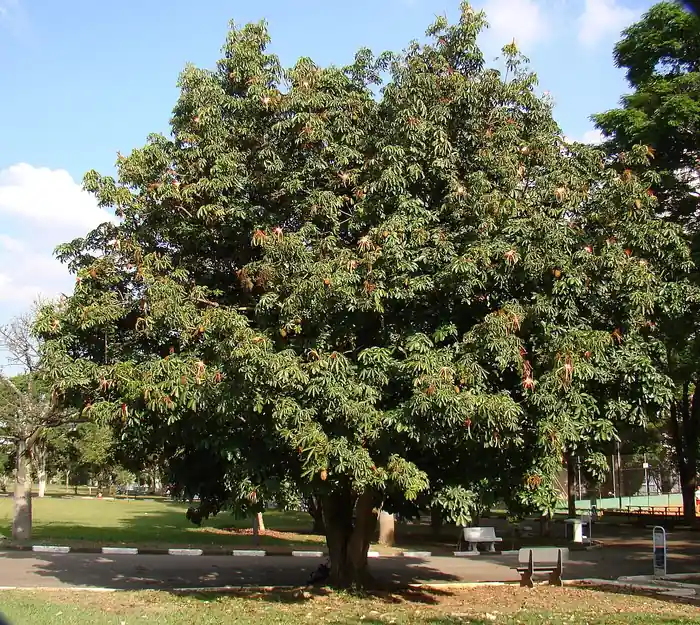

- Item
- Money trees
- Scientific name
- Pachira aquatica
- Also called
- Money tree, Money plant, Malabar chestnut, Guiana chestnut, French peanut
- Category
- Plants
- Verdict
- Safe
- Symptoms start
- There is no poisoning onset time for money tree leaves because they contain no toxin. Mild stomach upset from eating leaves, if it happens, usually appears within a few hours.
No — money trees are not toxic to dogs. The ASPCA lists the money tree, Pachira aquatica, as non-toxic to dogs, cats, and horses, and its entry lists no toxic principle at all. It is one of the few large houseplants you can keep in a home with a dog without worrying about poisoning.
Non-toxic does not mean a free snack, though. The ASPCA still lists nausea, vomiting, and loose stool as the clinical signs for money tree, because eating a lot of any plant material can upset a dog's stomach. The other trap is the name: several very different plants are sold as a money tree or money plant, and some of them are toxic.
If your dog ate it — what to do now
- Take the plant out of your dog's reach so they cannot eat more, and offer fresh water.
- Note how much your dog ate and when, and keep the plant label or a photo showing the scientific name.
- Watch for vomiting, loose stool, or drooling for a few hours; most dogs settle on their own.
- Call your veterinarian or the ASPCA Animal Poison Control Center at (888) 426-4435 right away (a consultation fee may apply) if symptoms keep going, your dog swallowed a stem chunk or seeds, or the plant was treated with chemicals.
- Follow your vet's instructions exactly, and take your dog to the vet or an emergency clinic if they tell you to.
Do not do this
- Do not induce vomiting unless a veterinarian tells you to.
- Do not give home remedies, milk, or activated charcoal on your own.
- Do not wait to call if your dog swallowed a chunk of stem or any seeds, or if symptoms keep going.
- Do not assume every plant sold as a money tree or money plant is safe — check the scientific name first.
What makes money trees safe for dogs?
The money tree is a tropical wetland tree in the mallow family, Malvaceae, native to Central and South America, where it grows in swamps and along riverbanks. The houseplant sold in shops is usually a young tree with several stems braided together into a single trunk, topped with glossy, hand-shaped leaves made of five to seven leaflets.
The ASPCA's entry for money tree is short and clear: scientific name Pachira aquatica, family Malvaceae, toxicity non-toxic to dogs, cats, and horses, and toxic principles none. That means veterinary toxicologists have found no compound in the leaves, stems, or trunk that poisons a dog. A dog that chews a leaf is not meeting a toxin, only plant material its stomach is not built to digest.
There is one part of the plant with a different story: the seeds. North Carolina State Extension's plant database notes that some sources say the seeds are potentially toxic and contain cyclopropenoid fatty acids, and advises caution before eating the seeds or nuts. That matters for a mature outdoor tree, which can grow a large woody capsule full of seeds. It does not matter much for the braided houseplant in your living room, which never produces seeds.
How much money tree is dangerous for a dog?
There is no established toxic dose of money tree for a dog, because the leaves contain no toxin to dose. A nibble or a few chewed leaves are not a poisoning emergency, and most dogs show no symptoms at all. The ASPCA's own note on its plant list applies here: eating any plant material may cause vomiting and stomach upset, and plants listed as non-toxic are not expected to be life-threatening.
A dog that eats a large amount of leaves may still vomit or have loose stool for a short while. Puppies and determined chewers are the ones most likely to do this, and they are also the ones most likely to swallow chunks of stem. A swallowed chunk is a different kind of problem from poisoning — it could cause choking or a blockage — so keep the plant where a puppy cannot pull it apart, and call your vet if your dog swallows a large piece.
The seeds are the one part to treat with real caution. If you have a mature money tree outdoors that has set seed, do not let your dog eat the seeds or nuts, and ask your veterinarian for advice if they do. No dose of seeds has been established for dogs in the sources we reviewed, so do not try to judge a safe amount yourself.
Symptoms to watch for after a money tree
Most dogs that chew a money tree leaf have no symptoms at all. When symptoms do appear, they are mild and digestive: nausea, vomiting, loose stool, drooling, or a reduced appetite. The ASPCA lists nausea, vomiting, and loose stool as the clinical signs for money tree, and these usually pass within a day once the dog stops eating the plant.
Call your vet if vomiting or diarrhea keeps going, if your dog seems weak, lethargic, or will not drink, or if they swallowed a chunk of stem or a seed. Also call if the plant was recently sprayed with pesticide, treated with a systemic insecticide, or fed with fertilizer granules, because those products are a separate poisoning risk that has nothing to do with the plant itself.
What to do if your dog eats a money tree
Stay calm. If your dog chewed a leaf, take the plant out of reach so they cannot eat more, and offer fresh water. Note roughly how much they ate and when, and save a photo of the plant or its label, because the scientific name is what your vet will want to check.
Watch your dog for a few hours for vomiting, loose stool, or drooling. Most dogs need no treatment and settle on their own. Call your veterinarian or the ASPCA Animal Poison Control Center at (888) 426-4435 right away (a consultation fee may apply) if symptoms keep going, if your dog swallowed a chunk of stem or any seeds, or if the plant was treated with chemicals. Tell them the scientific name from the label, how much your dog ate, and your dog's weight.
Do not induce vomiting and do not give home remedies unless a veterinarian tells you to. For a money tree leaf, the usual veterinary advice is simply to monitor the dog, because there is no toxin to treat.
How to keep your dog safe from money trees
A money tree is a good choice for a home with a dog, but a few habits still help. Put the pot where a puppy cannot reach it to chew or knock it over, and keep fallen leaves picked up.
Check the products you use on the plant. Potting mix, fertilizer granules, and pesticides can all be harmful to a dog that digs in the pot or chews a treated leaf, even when the plant itself is safe. Keep the soil surface covered with large stones if your dog digs, follow every product label, and store garden chemicals out of reach.
Safe alternatives to money trees
Spider plants are listed as non-toxic to dogs by the ASPCA and are easy to hang out of reach, which makes them a good choice for a dog that chews everything at floor level.
For flowers, roses are listed as non-toxic to dogs by the ASPCA, although their thorns can injure a mouth or paw, and Phalaenopsis orchids are also listed as non-toxic. Either one gives you colour without the poisoning risk that comes with lilies, tulips, or snake plants.
How to tell a true money tree from a lookalike
A true money tree, Pachira aquatica, has a braided trunk made of several young stems woven together, and glossy green leaves shaped like a hand, with five to seven long leaflets spreading from one point. The leaves sit at the ends of long stalks, and the plant grows upright into a small tree. Check the label for the scientific name Pachira aquatica before you buy, and keep the label.
Two common lookalikes are dangerous. The jade plant, Crassula ovata, is also called a money tree or money plant in some shops; it has thick, fleshy, oval leaves on a succulent stem, and the ASPCA lists it as toxic to dogs and cats. Pothos, or devil's ivy, Epipremnum aureum, is a trailing vine with heart-shaped leaves that is also sold as a money plant, and it is toxic too.
Symptoms to watch for
- Usually no symptoms (a nibbled leaf)
- Nausea
- Vomiting
- Loose stool or diarrhea
- Excessive drooling
- Reduced appetite
- Lethargy (only if stomach upset keeps going)
Most dogs show no symptoms after chewing a money tree leaf. Mild stomach upset, if it happens, usually appears within a few hours and passes within a day.
Safe alternatives
- Spider plants — Listed as non-toxic to dogs by the ASPCA and easy to hang out of reach of a chewing dog.
- Roses — Listed as non-toxic to dogs by the ASPCA; thorns can injure a mouth or paw.
- Orchids — Phalaenopsis orchids are listed as non-toxic to dogs by the ASPCA and make a good flowering alternative.
What about cats? Money trees are also listed as non-toxic to cats by the ASPCA. A cat that chews the leaves may still get mild stomach upset, and North Carolina State Extension notes mild to moderate stomach upset in cats from the seeds — but indoor money trees do not set seed, so the leaves are the part a cat will actually meet. Keep the pot out of easy reach anyway, and check any fertilizer or pesticide used on the plant, since those are a separate risk for cats.
Frequently asked questions
Are money trees toxic to dogs?
No. The ASPCA lists the money tree (Pachira aquatica) as non-toxic to dogs, cats, and horses, and lists no toxic principle for it. A dog that chews a leaf may still get mild stomach upset, but it is not a poisoning.
Are money tree seeds toxic to dogs?
The leaves, stems, and braided trunk of Pachira aquatica are the non-toxic parts, according to the ASPCA. The seeds are the exception: North Carolina State Extension notes that some sources say the seeds are potentially toxic and contain cyclopropenoid fatty acids. Indoor money trees do not produce seeds, so this is a caution for mature outdoor trees, not for the houseplant on your desk.
Is a money tree the same as a jade plant or money plant?
They are different plants with different risks. The jade plant (Crassula ovata) is also called a money tree or money plant in some shops, and the ASPCA lists it as toxic to dogs and cats. Pothos, or devil's ivy (Epipremnum aureum), is also sold as a money plant and is toxic too. Always check the scientific name on the label: only Pachira aquatica carries the non-toxic listing.
What should I do if my dog ate a money tree leaf?
Usually nothing serious happens, but watch your dog for a few hours. The ASPCA lists nausea, vomiting, and loose stool as the clinical signs for money tree, so mild stomach upset is possible, especially after a large amount. Call your vet if vomiting or diarrhea keeps going, your dog seems weak or will not drink, or they swallowed a chunk of stem.
Sources
- ASPCA Poison Control — Toxic and Non-toxic Plants: Money Tree
- North Carolina State Extension — Pachira aquatica (Money Tree) — Extension Gardener Plant Toolbox
- VCA Animal Hospitals — Pet-Proofing Your House, Room by Room
Related guides
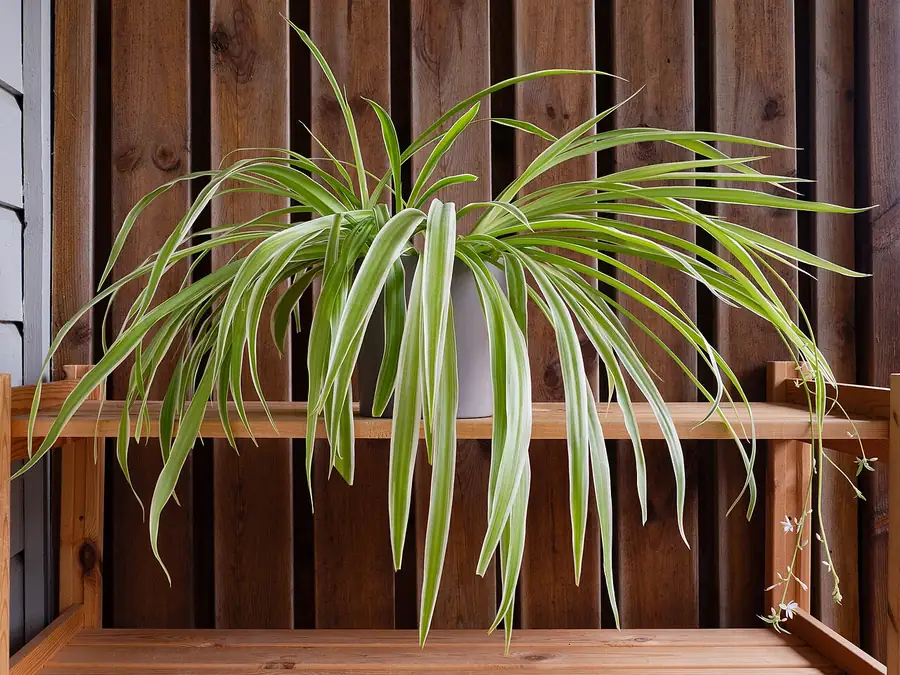
The ASPCA lists spider plants as non-toxic to dogs, cats, and horses, and PetMD includes them among the houseplants safe for dogs. A dog that eats a large amount may still get a mild stomach upset.
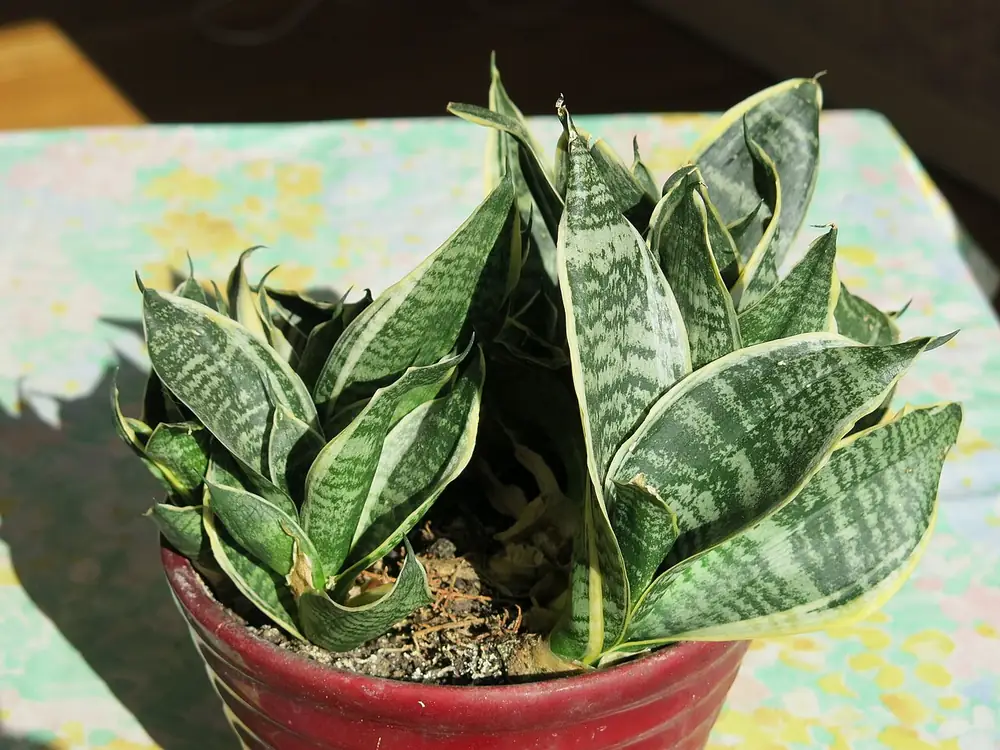
Snake plants are toxic to dogs. They contain saponins, which irritate the mouth and stomach and usually cause nausea, vomiting, and diarrhea.
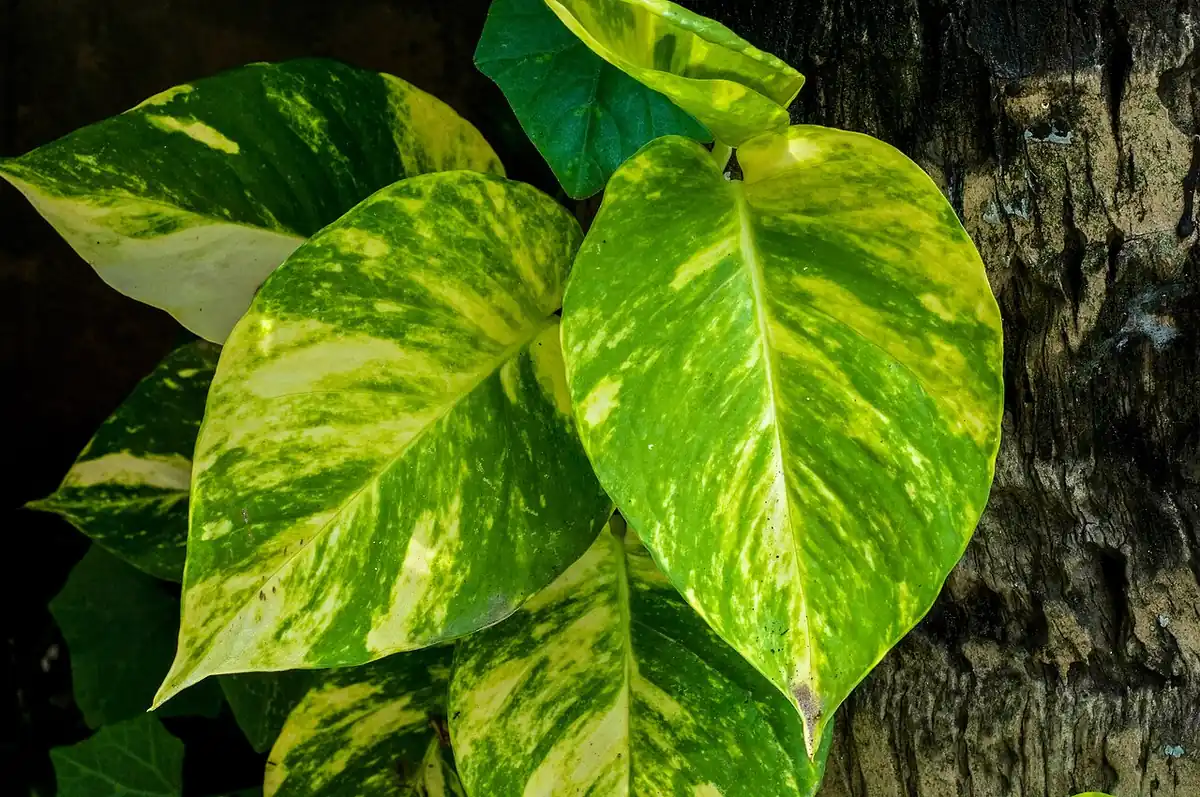
Pothos is toxic to dogs. Its leaves and stems contain insoluble calcium oxalate crystals that injure the mouth on contact, causing intense burning, drooling, and vomiting.
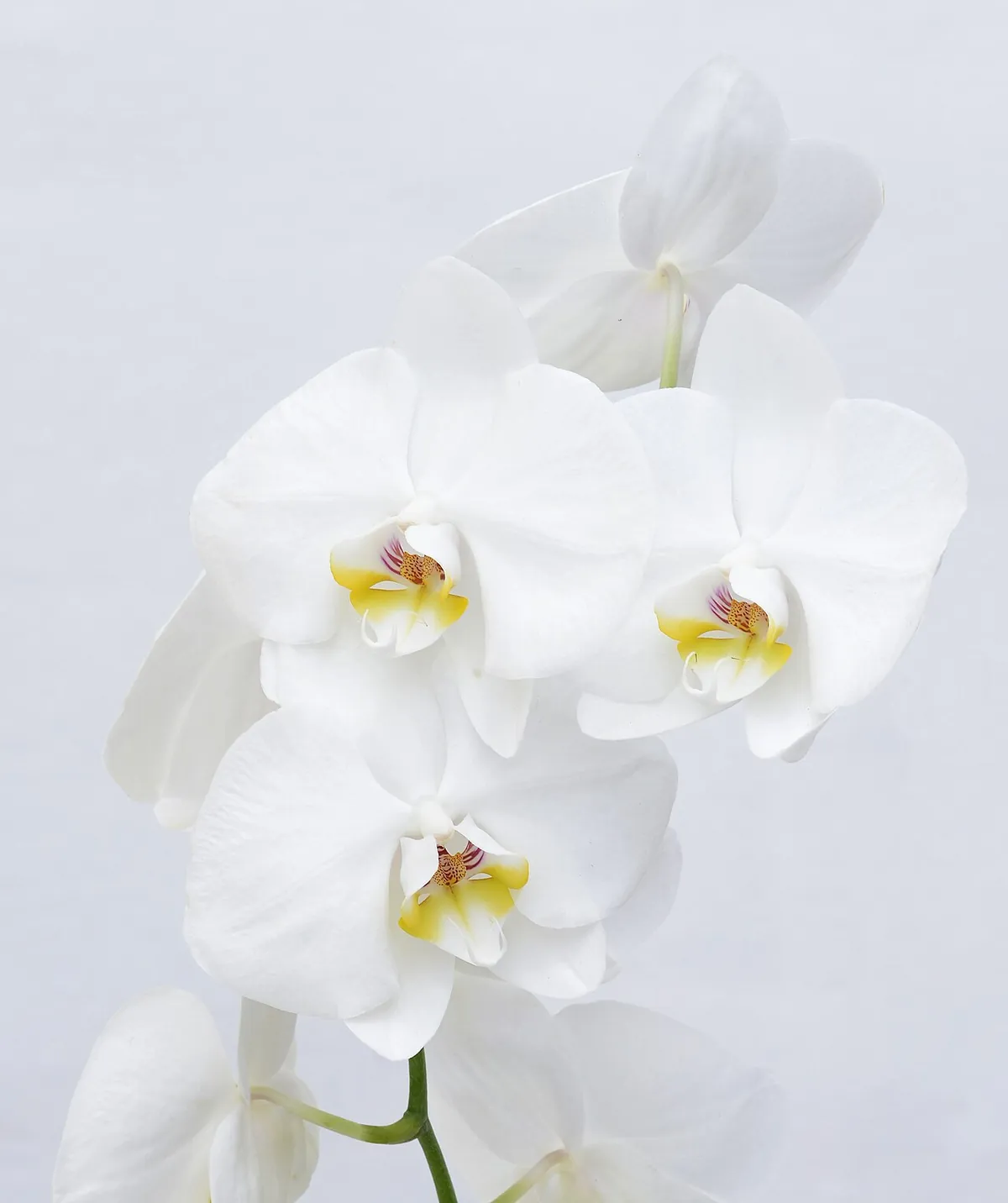
Orchids are not toxic to dogs. The ASPCA lists Phalaenopsis orchids as non-toxic to dogs, cats, and horses, and PetMD includes orchids among the flowers that are safe for dogs.