Are Snapdragons Toxic to Dogs? No — They Are Safe for Dogs
No — snapdragons are safe for dogs.
Snapdragons are non-toxic to dogs. The ASPCA lists common snapdragon as non-toxic to dogs, cats, and horses — there is no poison in the plant, though eating a lot of any plant can upset a stomach.
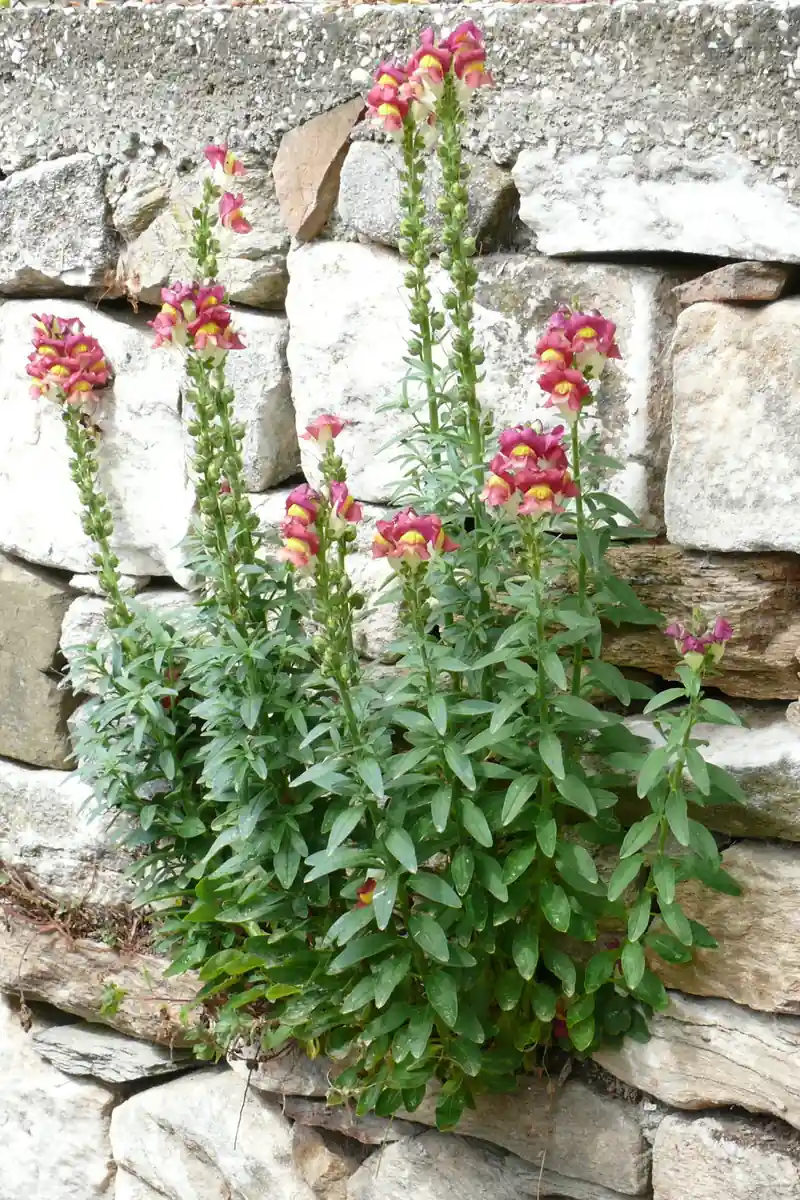

- Item
- Snapdragons
- Scientific name
- Antirrhinum majus
- Also called
- Common Snapdragon, Garden Snapdragon
- Category
- Plants
- Verdict
- Safe
- Symptoms start
- There is no poisoning onset for snapdragons because they are non-toxic. If your dog eats a large amount, mild stomach upset may appear within a few hours, as with any plant material, and should fade within about a day.
No, snapdragons are not toxic to dogs. The ASPCA lists common snapdragon (Antirrhinum majus) as non-toxic to dogs, cats, and horses. There is no poison in the plant, and a dog that nibbles a flower is not facing the kind of poisoning that tulips, lilies, or azaleas can cause.
Snapdragons are one of the most popular cool-season garden flowers in the United States, grown for tall spikes of bright flowers that open like a dragon's mouth when squeezed. They are a favorite for spring garden beds, window boxes, and cut-flower bouquets, which puts them right where a curious dog can reach them. This page explains why snapdragons are safe, how much plant-eating is too much, and the one real risk: pesticides on store-bought plants.
If your dog ate it — what to do now
- Take the plant away so your dog cannot eat more, and check how much was eaten.
- Check whether the plant was recently treated with pesticide or fertilizer, and keep the label if you have it.
- Offer your dog fresh water and let it settle.
- Watch your dog for the next few hours for vomiting, diarrhea, or drooling.
- Call your veterinarian or the ASPCA Animal Poison Control Center at (888) 426-4435 if your dog ate a large amount, if vomiting or diarrhea keeps going, or if the plant may have been treated with chemicals.
- Follow the veterinarian's advice, and report any symptoms that do not fade within about a day.
Do not do this
- Do not panic — snapdragons are not poisonous, and a nibble is not an emergency.
- Do not induce vomiting unless a veterinarian tells you to.
- Do not give milk, food, oil, or home remedies to "treat" an eating that needs no treatment.
- Do not assume every flower in a bouquet is safe — snapdragons are, but lilies and tulips in the same bouquet are not.
Why snapdragons are safe for dogs
Snapdragons (Antirrhinum majus) belong to the family Plantaginaceae, and the ASPCA lists them as non-toxic to dogs, cats, and horses. The ASPCA's listing names no toxic principle at all, unlike its listings for toxic plants. Snapdragons simply do not contain a poison that harms dogs.
That puts snapdragons in the same safe group as roses, sunflowers, zinnias, orchids, and petunias: flowers you can plant or bring indoors without worrying that a nibble will poison your dog. The ASPCA also includes snapdragons in its pet-safe bouquet guidance.
Other snapdragon species are listed the same way: the ASPCA lists lesser snapdragon (Antirrhinum orontium) and Antirrhinum multiflorum as non-toxic to dogs as well, so the whole genus is a safe choice for a dog-friendly garden.
- No toxin: the ASPCA lists common snapdragon as non-toxic to dogs, cats, and horses, and names no toxic principle.
- No organ damage: unlike lilies, sago palm, or oleander, snapdragons carry no known risk to organs.
- Safe for bouquets: snapdragons appear on the ASPCA's pet-safe flower lists.
How much snapdragon is too much for a dog?
There is no toxic dose for snapdragons, because there is no toxin to measure. A dog would have to eat an unrealistic amount to be in any danger from the plant itself, and that danger would be a gut full of plant fiber.
That does not mean a dog should eat snapdragons freely. The ASPCA notes that eating any plant material may cause vomiting and gastrointestinal upset in dogs, and that applies to snapdragons too. A mouthful of leaves or flowers can give a dog a sore stomach, and a dog that eats a whole plant may vomit or have loose stool for a few hours. Puppies are the most likely to do this, because they explore the world with their mouths.
The practical rule is simple: a nibble is nothing to worry about, and a large amount deserves a watchful few hours and a call to your veterinarian if the upset keeps going. If your dog ate a lot, or you are unsure whether the plant was treated with chemicals, call your veterinarian for advice rather than guessing.
Symptoms to watch for if your dog eats snapdragons
Most dogs that eat snapdragons show no symptoms at all. If a dog eats a large amount, expect the same mild stomach upset any plant material can cause: a single bout of vomiting, loose stool, drooling, or a short spell of not wanting food. These signs should fade within about a day.
Call your veterinarian instead of waiting if vomiting keeps going for hours, diarrhea has blood in it, your dog refuses water or vomits every time it drinks, or it becomes lethargic or weak. Those signs are not typical of snapdragon eating, and they may mean your dog ate something else, or a plant treated with pesticide or fertilizer. A swollen or painful belly also needs veterinary attention right away.
What to do if your dog eats snapdragons
Stay calm — snapdragons are not poisonous, so this is not an emergency. Take the plant away so your dog cannot eat more, and check how much was eaten. If the plant was recently bought from a store or nursery, check whether it was treated with pesticide or fertilizer, and keep the label if you have it.
Offer your dog fresh water and let it settle. Do not try to make your dog vomit, and do not give milk, food, oil, or home remedies. Watch your dog for the next few hours for vomiting, diarrhea, or drooling; mild signs should fade within about a day.
Call your veterinarian or the ASPCA Animal Poison Control Center at (888) 426-4435 if your dog ate a large amount, if vomiting or diarrhea keeps going, or if the plant may have been treated with chemicals. A consultation fee may apply. Say how much your dog ate and whether the plant was treated.
How to keep your dog safe around snapdragons
The plant itself is safe, so the real risk around snapdragons is what is put on them. Potted plants from garden centers and big-box stores are often treated with systemic pesticides that stay in the plant for weeks, and those chemicals are not safe for dogs to eat. Ask the nursery whether a plant has been treated before you bring it home.
Fertilizer is the other hidden risk. Granular fertilizer, plant food, and the water in saucers under potted plants can all upset a dog's stomach, and some fertilizers are genuinely toxic. Store fertilizer in closed containers, sweep up spills, and keep your dog away from plant saucers. With those two precautions handled, snapdragons are one of the safest flowers you can grow around a dog.
- Choose untreated plants: ask the nursery whether snapdragons were treated with systemic pesticides.
- Keep fertilizer and plant food out of reach, and do not let your dog drink from saucers under potted plants.
- Teach a reliable "leave it" cue so you can stop plant-chewing.
- Give your dog safe chew toys and enough exercise — bored dogs are the ones most likely to eat garden plants.
Safe alternatives to snapdragons
Snapdragons are already safe, so the alternatives here are other safe flowers to plant alongside them. Roses are a classic choice for bouquets and garden beds, and sunflowers give you the same tall, bold summer display as snapdragons with no toxicity. Zinnias give you months of bright color in a sunny bed and are also listed as non-toxic.
Remember that "non-toxic" does not mean "food": eating any plant material can cause vomiting and stomach upset in dogs, so even a safe plant should not become a snack. But a dog that chews a rose petal is not facing poisoning, and the same is true of snapdragons.
How to identify snapdragons in your home and garden
Snapdragons are easy to recognize in bloom: tall, upright spikes of brightly colored flowers in white, yellow, pink, red, orange, or purple, on stems with narrow, dark green leaves. Each flower looks like a tiny dragon's face, and it opens like a mouth when squeezed gently — which is how the plant got its name. They flower from spring into fall, slowing in summer heat and blooming again as it cools.
Snapdragons are short-lived perennials usually grown as annuals, and they self-seed freely, so new plants often pop up where last year's flowers dropped seed. They grow in beds, window boxes, and pots, and are a common cut flower in spring bouquets. If you are unsure whether a flower is a snapdragon, squeeze a bloom gently: if the mouth opens and closes, it is a snapdragon, and your dog is safe around it.
Symptoms to watch for
- Vomiting (only if a large amount was eaten)
- Diarrhea or loose stool (only if a large amount was eaten)
- Excessive drooling
- Loss of appetite for a short time
- Mild stomach discomfort
- Lethargy (rare, and usually only after eating a very large amount)
Most dogs that eat snapdragons show no symptoms at all. Mild stomach upset, if it happens, should fade within about a day; persistent vomiting, bloody diarrhea, or lethargy are not typical of snapdragon eating and need a veterinarian.
Safe alternatives
- Roses — Listed as non-toxic to dogs by the ASPCA, and a classic choice for bouquets and garden beds.
- Sunflowers — Listed as non-toxic to dogs by the ASPCA, and a tall, showy summer flower like snapdragons.
- Zinnias — Listed as non-toxic to dogs by the ASPCA, and an easy, colorful flower for sunny beds.
What about cats? Snapdragons are non-toxic to cats as well as dogs. The ASPCA lists common snapdragon as non-toxic to dogs, cats, and horses. The same caveat applies to cats: eating any plant material can cause mild stomach upset, so do not let a cat make a meal of snapdragons either.
Frequently asked questions
Are snapdragons safe for dogs?
Yes. The ASPCA lists common snapdragon (Antirrhinum majus) as non-toxic to dogs, cats, and horses. There is no toxin in snapdragons that poisons dogs.
Can dogs eat snapdragon flowers?
A few flowers are unlikely to cause anything more than mild stomach upset, if that. Snapdragons contain no toxin, but eating any plant material can cause vomiting or diarrhea in dogs. If your dog ate a large amount, watch it for a few hours and call your veterinarian if vomiting or diarrhea keeps going.
My dog ate a snapdragon — what should I do?
Stay calm. Take the plant away, check how much your dog ate, and watch for vomiting or diarrhea over the next few hours. Most dogs will be completely fine. Call your veterinarian if your dog ate a large amount, keeps vomiting, or seems unwell — and mention whether the plant was recently treated with pesticide or fertilizer.
Are snapdragons safe for cats too?
Yes. Snapdragons are one of the few flowers that are safe for both dogs and cats, according to the ASPCA. They are a good choice for a mixed-pet household, and for bouquets that will sit at nose height for both animals.
Sources
- ASPCA Poison Control — Common Snapdragon
- ASPCA Poison Control — Toxic and Non-Toxic Plant List — Dogs
- Wikifarmer — How to grow snapdragons in the garden and pots
Related guides
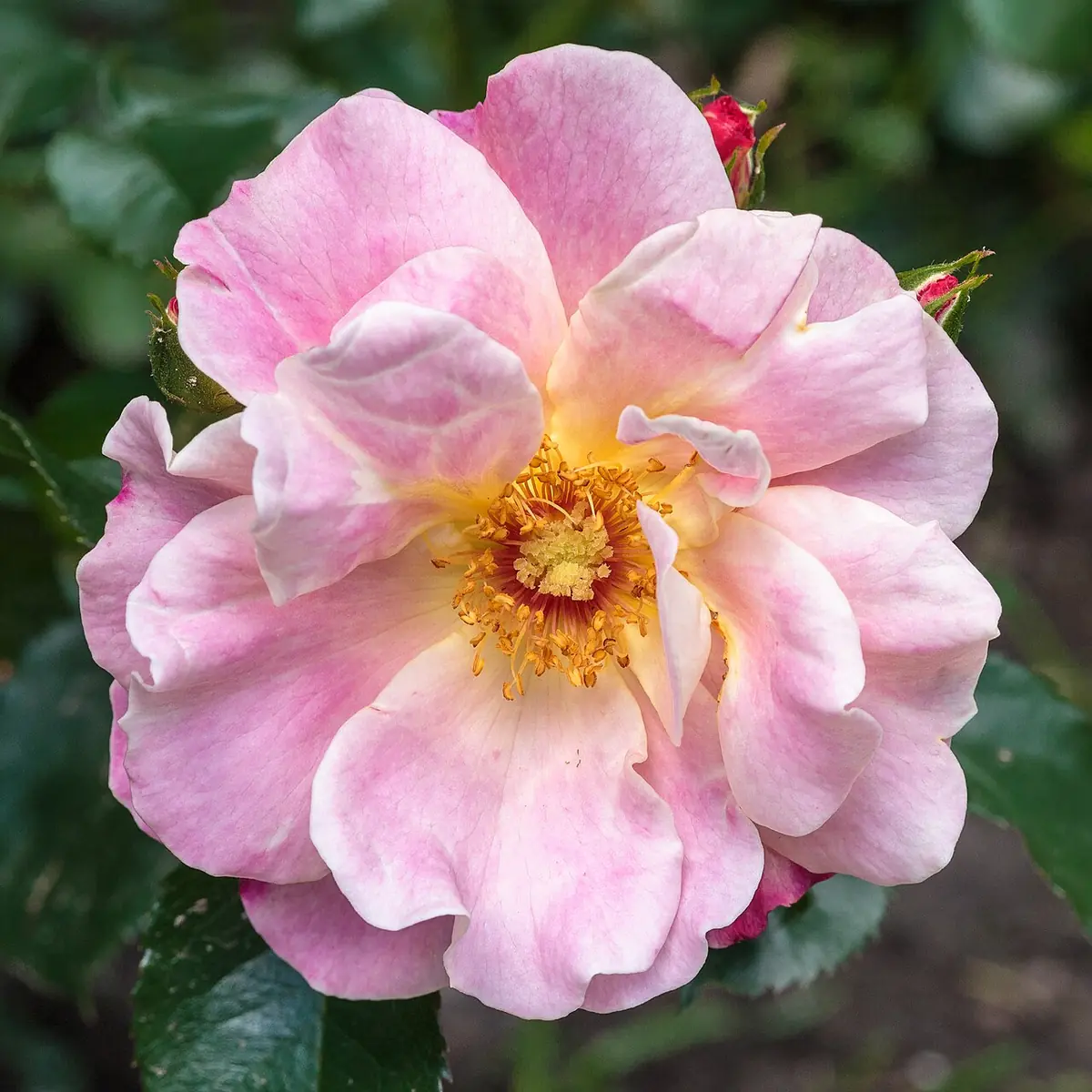
The ASPCA lists roses (Rosa species) as non-toxic to dogs, cats, and horses. The real risks are the thorns and any pesticides, fertilizers, or flower food on the plant.

Sunflowers are not toxic to dogs. The ASPCA lists them as non-toxic, and the seeds are safe too — but only plain, shelled, and unsalted, in small amounts.
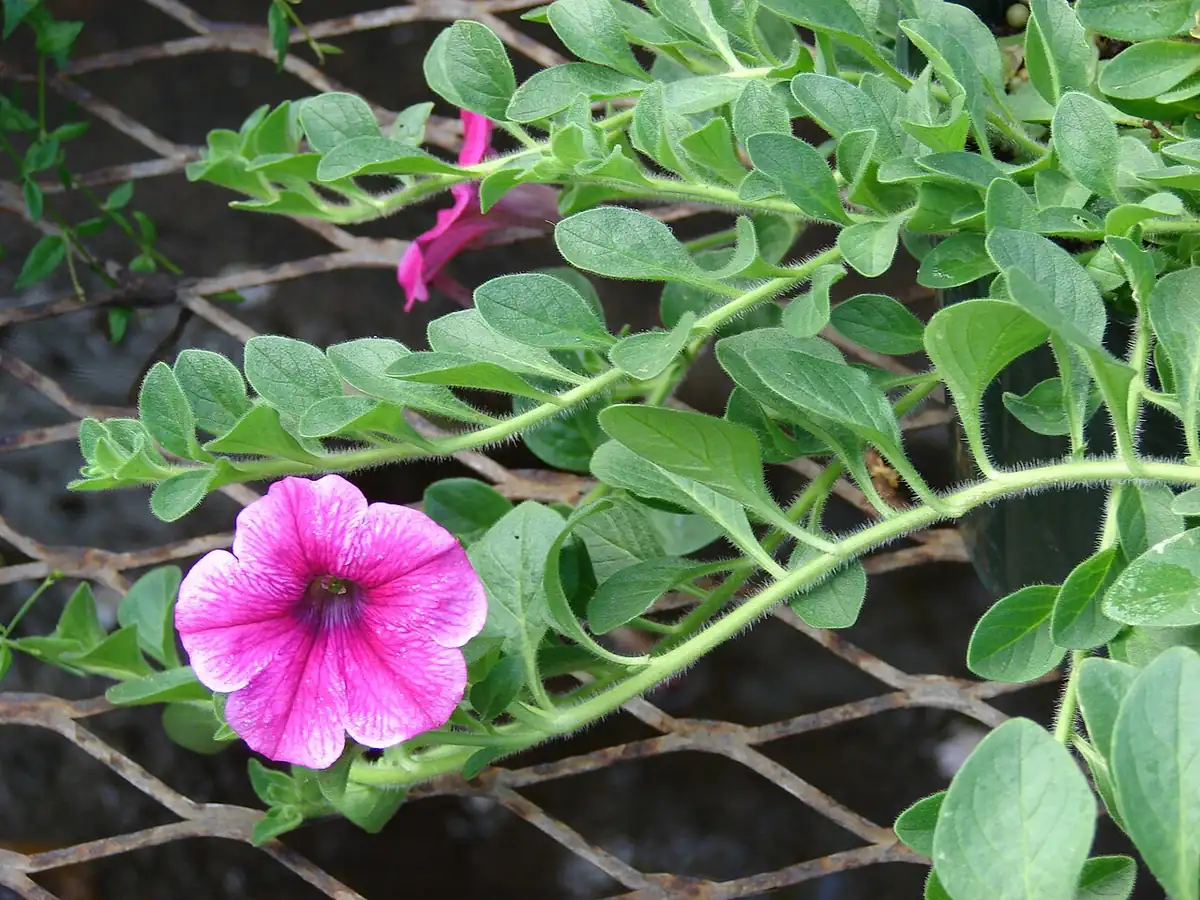
Petunias are not toxic to dogs. The ASPCA lists Petunia species as non-toxic to dogs, cats, and horses, with no toxic principle identified. A nibble needs no emergency action, though eating a lot of any plant can upset the stomach.
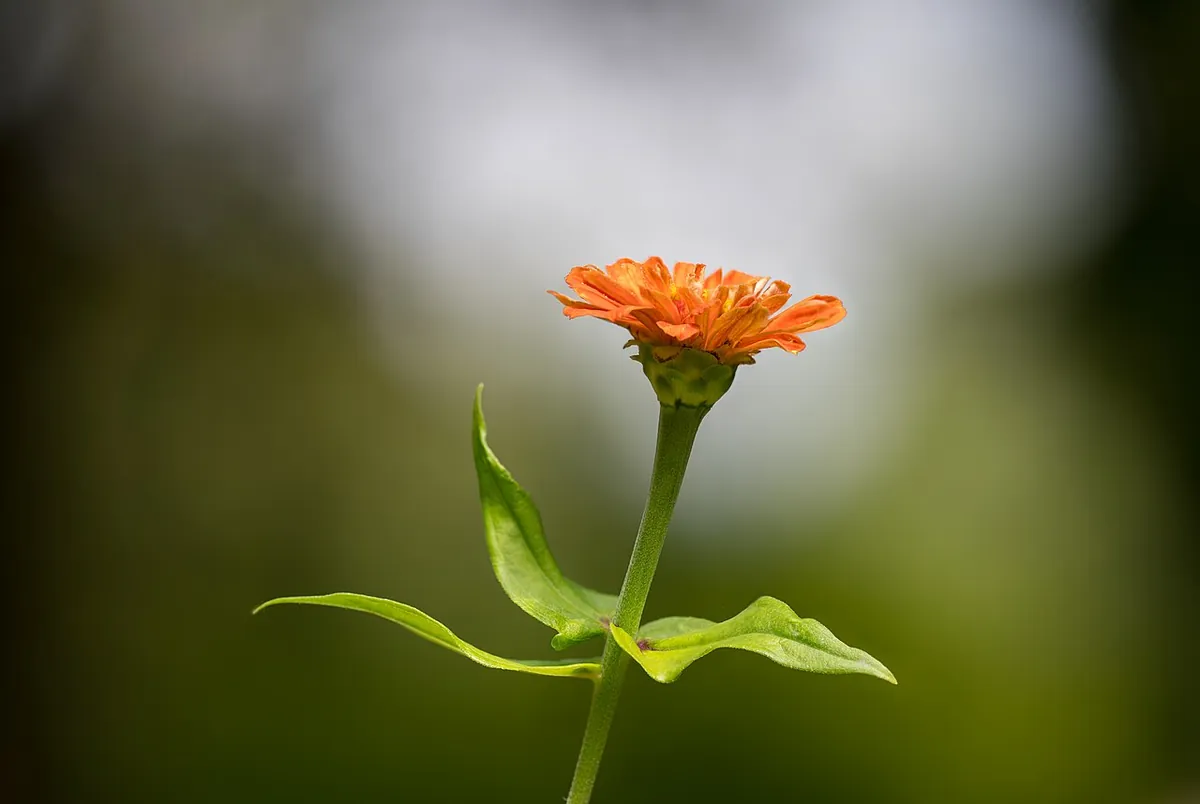
The ASPCA lists zinnias (Zinnia species) as non-toxic to dogs, cats, and horses. A dog that nibbles a zinnia is not expected to be poisoned, though eating a large amount of any plant material can still cause mild stomach upset.