Is Bird of Paradise Toxic to Dogs? What Every Owner Should Know
Yes — bird of paradise is toxic to dogs.
The ASPCA lists bird of paradise flower (Strelitzia reginae) as toxic to dogs, cats, and horses. The signs are usually mild — nausea, vomiting, and drowsiness, mainly from the fruit and seeds. The shrub sold under the same name is more toxic.
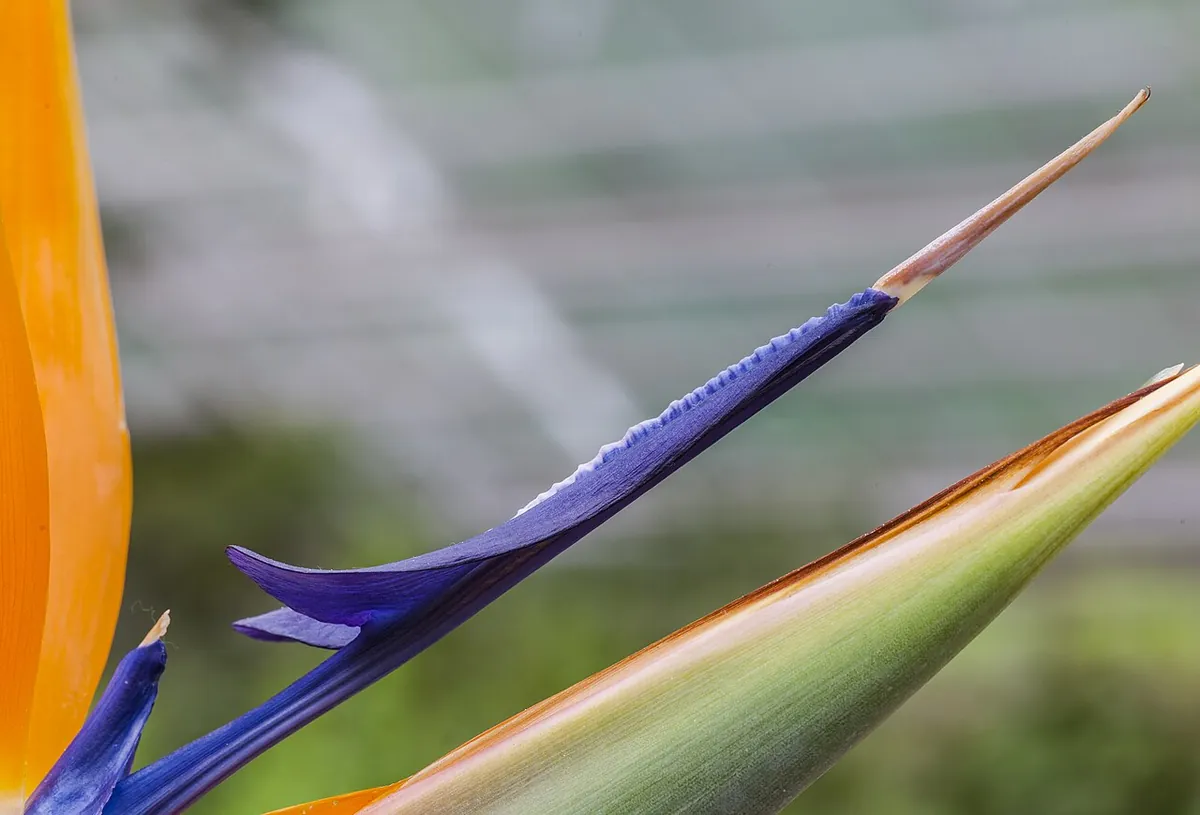

- Item
- Bird of Paradise
- Scientific name
- Strelitzia spp.
- Also called
- Bird of paradise, Crane flower, Bird's tongue flower, Orange bird of paradise, White bird of paradise
- Category
- Plants
- Verdict
- Toxic
- Symptoms start
- Onset time is not well established in the sources reviewed. The ASPCA lists mild nausea, vomiting, and drowsiness without giving a time window, so do not wait for symptoms to appear before calling your veterinarian.
Yes, bird of paradise is toxic to dogs, but the risk is usually mild rather than life-threatening. The ASPCA lists bird of paradise flower, Strelitzia reginae, as toxic to dogs, cats, and horses, with mild nausea, vomiting, and drowsiness, caused mainly by the fruit and seeds. A dog that chews a leaf should still be checked with a veterinarian.
The name is the real trap. Two very different plants are sold as bird of paradise, and the shrub version is more toxic than the houseplant. This page covers the houseplant first, then explains how to tell the two apart so you know which risk you are dealing with.
If your dog ate it — what to do now
- Remove any plant material from your dog's mouth if you can do so safely, and keep the plant or take a photo of it for identification.
- Call your veterinarian or the ASPCA Animal Poison Control Center at (888) 426-4435 right away (a consultation fee may apply).
- Tell them the scientific name if you know it, which part your dog ate, how much, when it happened, and your dog's weight.
- Follow your vet's instructions exactly, and take your dog to the vet or an emergency clinic if they tell you to.
- If your dog may have eaten the Caesalpinia shrub, or has mouth burns or trouble swallowing, treat it as an emergency.
Do not do this
- Do not induce vomiting unless a veterinarian tells you to.
- Do not give home remedies, milk, or activated charcoal on your own.
- Do not wait to see if the symptoms pass on their own.
- Do not assume a plant is the milder Strelitzia houseplant just because it is called bird of paradise — check the scientific name first.
- Do not try to rinse a burned mouth with anything other than plain water unless a vet tells you to.
What makes bird of paradise toxic to dogs?
The houseplant sold as bird of paradise is usually Strelitzia reginae, the orange bird of paradise, or Strelitzia nicolai, the giant white bird of paradise. The ASPCA entry for bird of paradise flower covers Strelitzia reginae and lists its toxic principles as gastrointestinal irritants, meaning substances that irritate the stomach and gut rather than attacking a specific organ.
The ASPCA lists the signs as mild nausea, vomiting, and drowsiness, caused mainly by the fruit and seeds, the parts a dog is least likely to meet indoors, since a houseplant rarely sets fruit. Leaves and flowers still carry the irritants, so chewing them can upset a dog's stomach.
For Strelitzia nicolai, the giant white bird of paradise, there is no separate ASPCA entry. North Carolina State University Extension lists it as toxic to people, dogs, cats, and horses, and advises wearing gloves when handling it because it can irritate the skin. Treat both Strelitzia species as toxic to dogs.
How much bird of paradise is dangerous for a dog?
There is no established safe dose of bird of paradise for a dog, and no toxic dose has been published in the sources we reviewed. Do not assume a small nibble is harmless, or a large bite is automatically an emergency. The right response is the same whatever the amount: call your veterinarian or poison control and describe exactly what your dog ate.
The part eaten matters more than the amount. The ASPCA says the symptoms are caused mainly by the fruit and seeds, so a dog that chews a leaf is at lower risk than a dog that eats seed pods from an outdoor plant. A small dog, a puppy, or a dog with an existing stomach problem may react more strongly, but no source gives a dose threshold.
If your dog ate the plant outdoors, check whether it was actually the shrub version, described below. The shrub's seeds and leaves carry a higher risk, and a dog that ate those should be treated more urgently. When in doubt about which plant it was, photograph it and tell your veterinarian.
Symptoms of bird of paradise poisoning in dogs
For the Strelitzia houseplant, the expected symptoms are mild and digestive: nausea, vomiting, and drowsiness, as listed by the ASPCA. A dog may also drool, lose its appetite, or seem unusually sleepy. These signs come from stomach irritation, and most dogs recover with supportive care.
Symptoms from the Caesalpinia shrub look different and worse. The ASPCA describes intense burning and irritation of the mouth, tongue, and lips, excessive drooling, vomiting, diarrhea, difficulty swallowing, and, rarely, incoordination. A dog with those signs, especially mouth pain or trouble swallowing, needs veterinary care right away.
What to do if your dog eats bird of paradise
Stay calm and act quickly. Remove any plant material from your dog's mouth if you can do so safely, and keep the plant or take a photo of it so the vet can identify which bird of paradise it was. Note when it happened, which part was eaten, and roughly how much.
Call your veterinarian or the ASPCA Animal Poison Control Center at (888) 426-4435 right away (a consultation fee may apply). Tell them the scientific name if you know it, which part your dog ate, and your dog's weight. Follow their instructions exactly. If your dog may have eaten the shrub version, say so clearly, because the vet will treat that more urgently.
Your vet may induce vomiting, give activated charcoal, or provide fluids and stomach-protecting medicines. Most dogs that chewed a Strelitzia leaf do not need hospital care, but a dog that ate seeds, or any dog with mouth burns or trouble swallowing, should be seen promptly.
How to keep your dog safe from bird of paradise
The simplest rule is to keep bird of paradise out of your dog's reach. Indoors, that means a tall plant stand, a hanging spot, or a room the dog does not enter unsupervised. Strelitzia leaves are large and tempting to chew, so give your dog a chew toy and a safe plant to investigate instead, such as a spider plant.
Outdoors, bird of paradise is grown in warm climates in USDA zones 9 to 12, where it can produce flowers and seed pods. If you grow it in the garden, fence the bed or plant it where your dog does not roam, and clear fallen flowers and seed pods from the ground: a pod within reach is the most dangerous part of the plant.
Before buying any plant labeled bird of paradise, read the tag and check the scientific name. If the tag says Strelitzia, it is the houseplant. If it says Caesalpinia or Poinciana, it is the shrub, and it should not be planted where a dog can reach it. Keep the tag so you can show it to your veterinarian if your dog ever eats the plant.
The other bird of paradise: the Caesalpinia shrub
This is the confusion the ASPCA itself warns about. The shrub sold as bird of paradise, Mexican bird of paradise, or Barbados pride is a different plant entirely. The ASPCA lists it under the names Poinciana and Bird of Paradise, with the scientific name Caesalpinia gilliesii, and says it should not be confused with the less toxic Strelitzia reginae. A closely related shrub, Caesalpinia pulcherrima, also called peacock flower, Barbados pride, or dwarf poinciana, is listed separately by the ASPCA as toxic to dogs, with vomiting and diarrhea.
The two plants look nothing alike once you know what to look for. Strelitzia has large, paddle-shaped leaves like a banana plant and big orange and blue flowers that look like a bird's head. Caesalpinia is a woody shrub with fine, fern-like leaves and clusters of small red, orange, or yellow flowers with long stamens. If your plant has fern-like leaves, it is not Strelitzia.
The shrub is the more dangerous of the two. The ASPCA lists its toxic principles as gastrointestinal irritants for Caesalpinia gilliesii, and as gastrointestinal irritants and tannins for Caesalpinia pulcherrima. If your dog ate a shrub with fern-like leaves and red or orange flower clusters, treat it as a poisoning emergency and call your veterinarian or poison control immediately.
Safe alternatives to bird of paradise
You can get the same tropical look without the risk. The areca palm is a tall, feathery houseplant the ASPCA lists as non-toxic to dogs. Spider plants and Boston ferns are also non-toxic and easy to keep, and a Phalaenopsis orchid gives you long-lasting flowers without the toxicity.
For color, roses are listed as non-toxic to dogs by the ASPCA, although their thorns can injure a mouth or paw. Whatever you choose, keep the same habits: keep plants out of reach, check the scientific name on the tag before you buy, and do not let your dog eat plant material.
Symptoms to watch for
- Mild nausea
- Vomiting
- Drowsiness
- Drooling
- Loss of appetite
- Intense burning of the mouth, tongue, and lips (Caesalpinia shrub)
- Diarrhea (Caesalpinia shrub)
- Difficulty swallowing (Caesalpinia shrub)
- Incoordination, rare (Caesalpinia shrub)
For the Strelitzia houseplant, symptoms are usually mild nausea, vomiting, and drowsiness; the Caesalpinia shrub can cause intense mouth burning and trouble swallowing.
Safe alternatives
- Areca palm — A tall, tropical-looking houseplant the ASPCA lists as non-toxic to dogs.
- Spider plants — Listed as non-toxic to dogs by the ASPCA and easy to hang out of reach.
- Boston ferns — A lush, pet-safe houseplant, non-toxic to dogs.
- Orchids (Phalaenopsis) — A flowering indoor plant, non-toxic to dogs.
- Roses — Listed as non-toxic to dogs by the ASPCA; thorns can injure a mouth or paw.
What about cats? Bird of paradise is also toxic to cats. The ASPCA lists Strelitzia reginae as toxic to dogs, cats, and horses, and the Caesalpinia shrubs that share the name are toxic to cats as well. In a home with cats, keep all plants called bird of paradise out of reach, and treat any chewing as a reason to call your veterinarian.
Frequently asked questions
Is bird of paradise toxic to dogs?
Yes. The ASPCA lists bird of paradise flower (Strelitzia reginae) as toxic to dogs, cats, and horses. The signs are usually mild — nausea, vomiting, and drowsiness — mainly from the fruit and seeds, but any chewing should be checked with your veterinarian.
What toxin is in bird of paradise?
The ASPCA lists its toxic principles simply as gastrointestinal irritants. Some secondary sources name tannins and hydrocyanic acid in the seeds, but the ASPCA entry itself does not name those compounds, so this page does not present them as established fact.
Is the bird of paradise shrub the same as the houseplant?
The two names are used for different plants. The houseplant with crane-like orange and blue flowers is Strelitzia reginae, which is mildly toxic. The outdoor shrub with red and yellow flowers is Caesalpinia, which the ASPCA says is more toxic and can cause intense burning of the mouth. Check the scientific name on the tag.
What should I do if my dog eats bird of paradise?
Call your veterinarian or the ASPCA Animal Poison Control Center at (888) 426-4435 right away (a consultation fee may apply). Tell them which plant it was, which part your dog ate, and how much. Do not induce vomiting unless a vet tells you to.
Sources
- ASPCA Poison Control — Bird of Paradise Flower
- ASPCA Poison Control — Poinciana
- ASPCA Poison Control — Peacock Flower
- North Carolina State University Extension — Giant Bird of Paradise — Strelitzia nicolai
Related guides
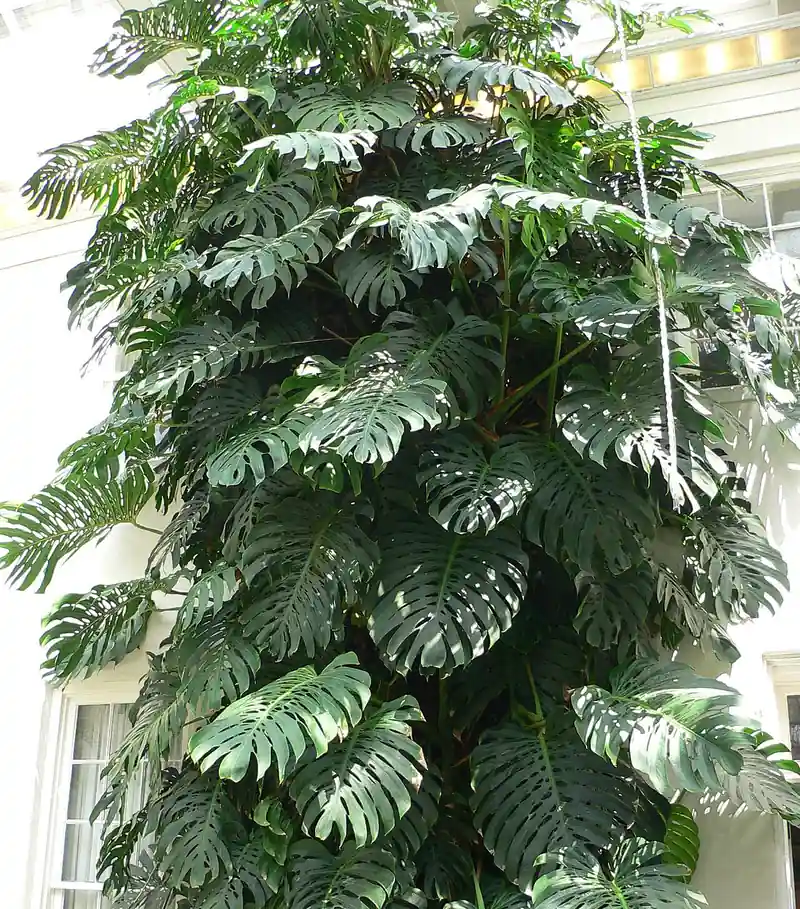
The ASPCA lists Monstera deliciosa as toxic to dogs and cats. Its insoluble calcium oxalate crystals burn the mouth, cause heavy drooling and vomiting, and can make swallowing difficult. Most dogs recover fully, but any dog that chews one should be watched closely.
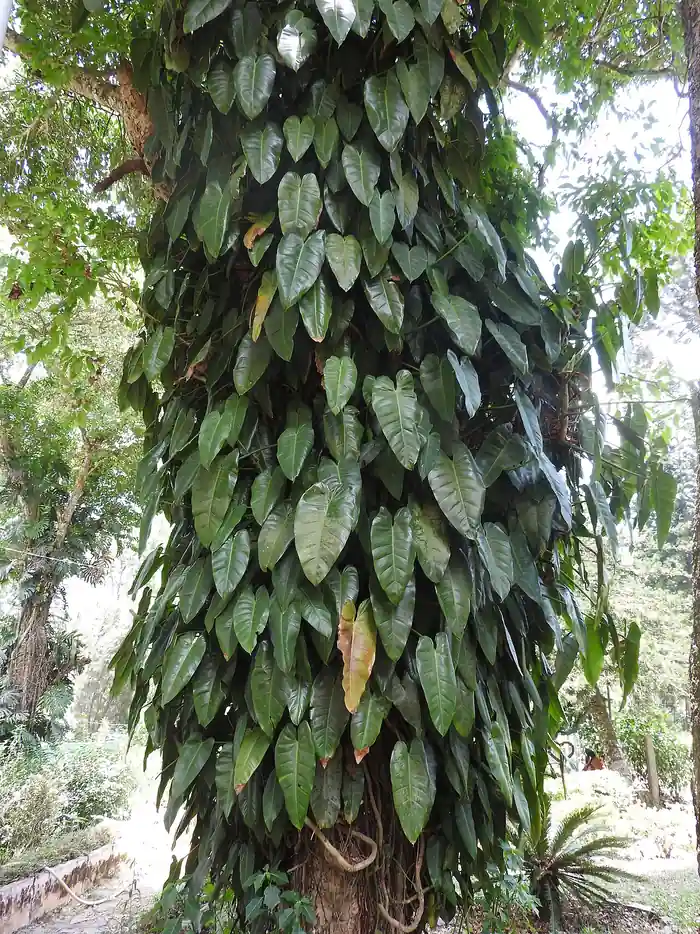
Philodendrons can poison dogs: chewing the leaves releases needle-like crystals that burn the mouth, causing drooling, swelling, and vomiting. Most exposures are mild and dogs recover fully, but throat swelling is possible, so call your vet.
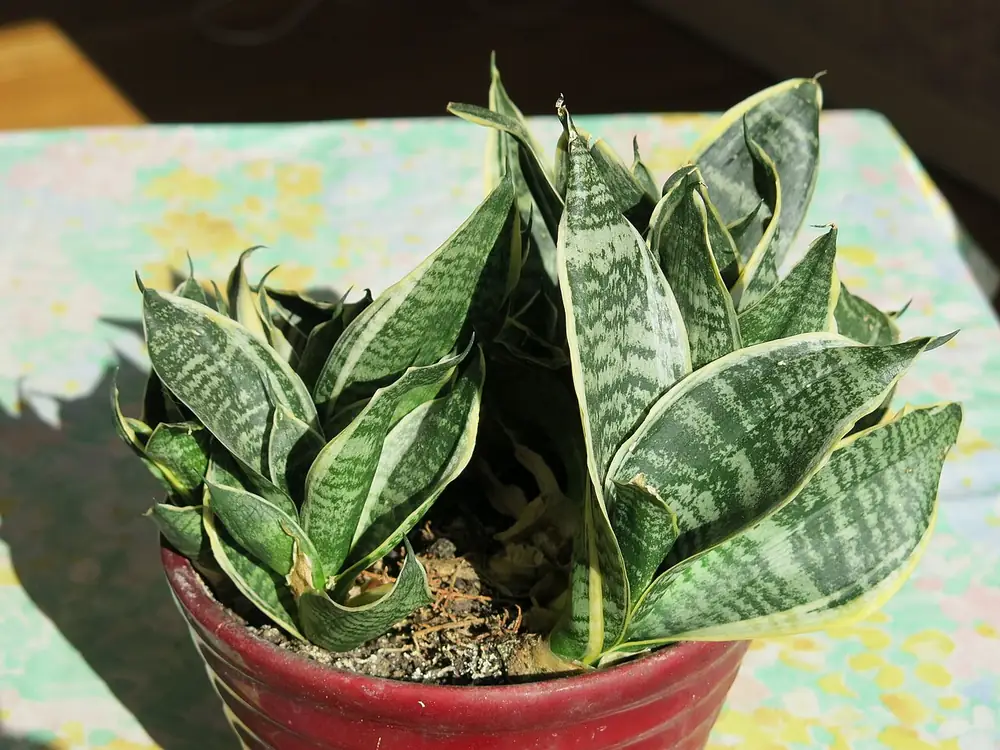
Snake plants are toxic to dogs. They contain saponins, which irritate the mouth and stomach and usually cause nausea, vomiting, and diarrhea.
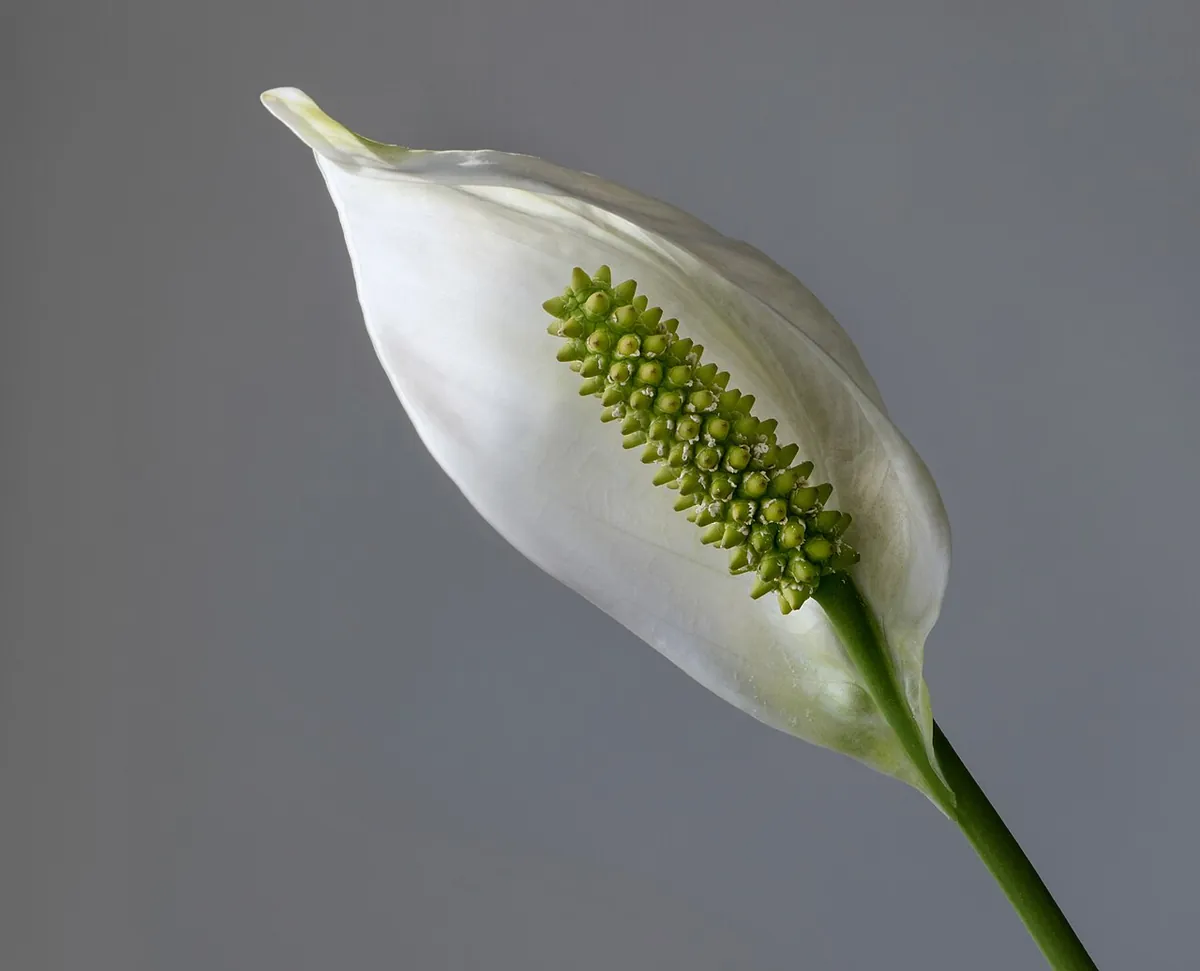
Peace lilies are toxic to dogs, but usually painful rather than life-threatening. Chewing releases calcium oxalate crystals that burn the mouth, cause drooling and vomiting, and can make swallowing difficult.