Is Aloe Toxic to Dogs? What Every Owner Should Know
Yes — aloe is toxic to dogs.
Aloe is toxic to dogs because the sap, or latex, inside its leaves contains saponins and anthraquinones. The clear gel is much less concerning, but a dog that chews a leaf swallows the toxic latex too. Most cases cause vomiting and diarrhea, and dehydration is the main risk.
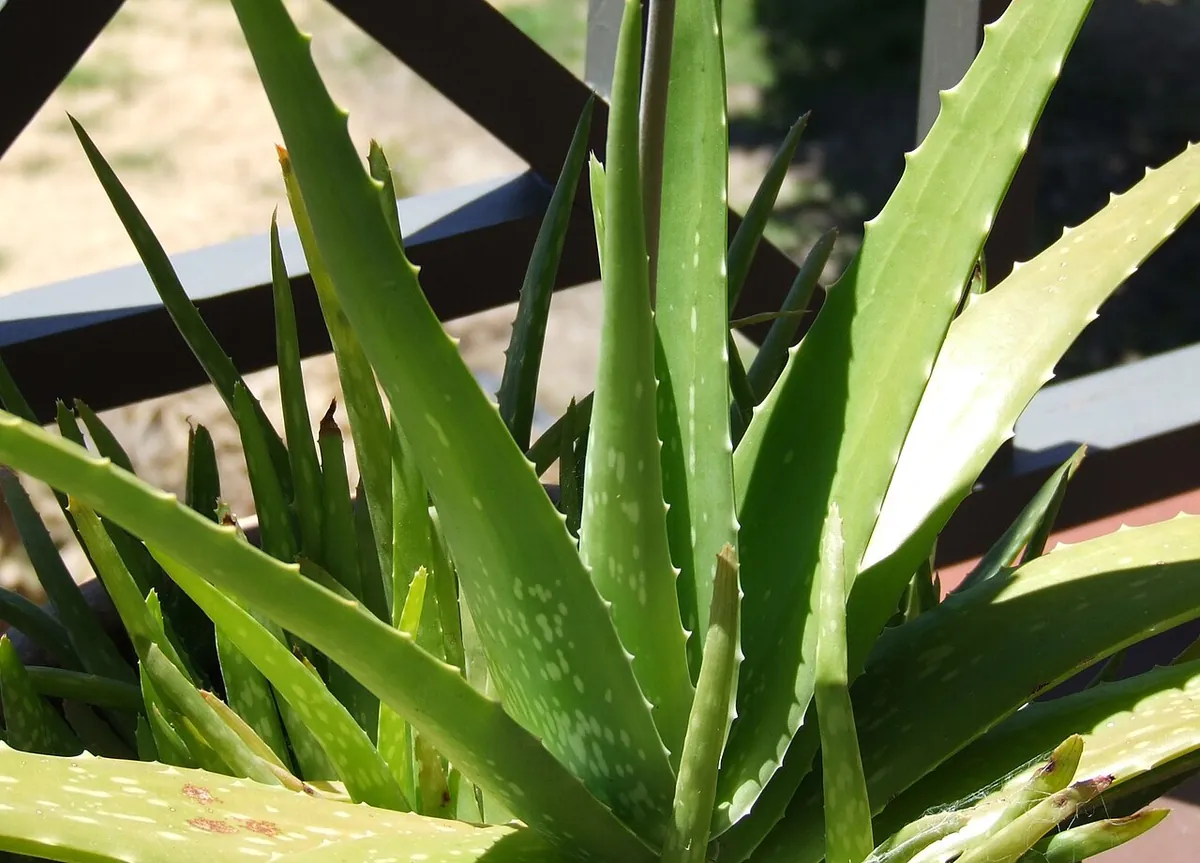

- Item
- Aloe
- Scientific name
- Aloe vera
- Also called
- Aloe vera, Aloe barbadensis
- Category
- Plants
- Verdict
- Toxic
- Symptoms start
- Symptoms usually appear within a few hours of chewing or swallowing aloe. Sources give different windows, from about 1 to 3 hours to about 2 to 6 hours.
Aloe vera is one of the most common houseplants in the United States, and it is also a plant that many people reach for to soothe a sunburn. That reputation makes it easy to assume aloe is harmless. For dogs, it is not: the ASPCA lists aloe as toxic to dogs, cats, and horses.
The good news is that aloe poisoning in dogs is usually mild to moderate, and most dogs recover with supportive care. The danger is mostly in the leaf itself, not in the clear gel people associate with the plant. This page explains which part is toxic, what the symptoms look like, and what to do.
If your dog ate it — what to do now
- Call your veterinarian or ASPCA Animal Poison Control Center at (888) 426-4435 (a consultation fee may apply) right away — do not wait for symptoms.
- Tell them how much of the leaf your dog ate and when it happened, along with your dog's weight.
- Move your dog away from the plant and remove any leaf pieces from its mouth, if you can do so safely.
- Follow your veterinarian's instructions. Treatment is usually supportive care, such as fluids and medication for vomiting, and there is no specific antidote.
- Watch your dog closely for at least 24 hours for vomiting, diarrhea, lethargy, or signs of dehydration, and report any of these signs to your veterinarian promptly.
Do not do this
- Do not induce vomiting unless a veterinarian tells you to.
- Do not wait to see if symptoms appear before calling for advice.
- Do not apply aloe products to your dog's skin without asking your veterinarian first.
- Do not give your dog aloe juice, aloe drinks, or home-cut aloe gel.
What makes aloe toxic to dogs?
The ASPCA lists the toxic principles in aloe as saponins and anthraquinones. These are defensive chemicals the plant makes to protect itself, and they are concentrated in the outer leaf and in the sap, or latex, that sits just under the leaf skin. When a dog chews an aloe leaf, it swallows these compounds along with the tough leaf material.
Anthraquinones, including a compound called aloin, act as strong laxatives. They irritate the lining of the intestines, speed up the movement of the gut, and reduce the absorption of water and electrolytes. That is why diarrhea is the most common sign of aloe poisoning. Saponins are foaming compounds that irritate the stomach lining, which can cause nausea, drooling, and vomiting.
The gel vs the latex: what is actually dangerous?
An aloe leaf has three parts, and they are not equally risky. The outer green rind is tough and contains saponins. Just under the rind is a thin layer of yellow, bitter sap called the latex, which is where the anthraquinones and aloin are concentrated. In the center is the clear, jelly-like gel that people use on skin. The ASPCA notes that the gel is considered edible, and PetMD states that the gel inside aloe leaves is generally safe, while the white sap in the leaves is toxic to dogs.
The problem is that a dog does not eat the gel on its own. A dog that bites into a leaf tears through the rind and the latex to reach the gel, so it swallows the toxic parts along with the harmless one. At home it is almost impossible to cut gel from a leaf without latex getting in. That is why the plant as a whole is listed as toxic, even though the pure gel itself is much less concerning.
What are the symptoms of aloe poisoning in dogs?
Symptoms usually appear within a few hours of a dog chewing or swallowing aloe. The ASPCA lists vomiting, lethargy, and diarrhea as the clinical signs. PetMD adds loss of appetite, and notes that the sap is highly irritating to the gastrointestinal tract and can cause severe diarrhea and decreased energy. In most cases the signs are digestive and the illness is mild to moderate.
The diarrhea can be watery and frequent, and some dogs develop abdominal cramping or pain. A dog may drool, feel nauseous, refuse food, and seem tired or depressed. The main risk is dehydration, especially in small dogs and puppies, because vomiting and diarrhea together can drain a lot of fluid quickly. PetMD also notes that a component in the plant can turn a dog's urine red. Tremors have been reported in larger ingestions, though they are uncommon.
How much aloe is dangerous for dogs?
There is no established toxic dose for aloe in dogs. PetMD states that there is no specific toxic dose and that any exposure can be problematic. That does not mean every nibble causes serious illness — most dogs that chew a small piece of leaf develop only mild stomach upset — but it does mean there is no amount you can safely assume is fine.
The amount matters, and so does the dog. A large dog that bites one leaf tip is likely to have milder signs than a small dog that chews most of a leaf. Repeated nibbling over several days can also add up, because the laxative compounds keep irritating the gut. Puppies, small breeds, and dogs that are already ill or dehydrated are at higher risk. Whatever the amount, remove the plant, note how much was eaten and when, and call your veterinarian.
Aloe products: gels, lotions, and drinks
Many homes have aloe products as well as aloe plants, and the two are not the same risk. Topical aloe gels and lotions are made from the purified inner gel, with the latex removed. PetMD states that poisoning from ingestion of these products is not expected, and that there have been no reported cases at this time, unless the product contains other elements such as lidocaine, which can be toxic. Even so, PetMD advises against applying aloe products to your dog's skin and says to check labels if your dog accidentally ingests any type of aloe product.
The warning about other ingredients matters. Many aloe gels and after-sun lotions contain fragrances, alcohol, lidocaine, or other pain relievers that are not safe for dogs. A dog licking lotion off its skin or a person's hands can swallow those ingredients too. Aloe drinks and juices are a different risk again: they are often made from whole-leaf extract, which still contains the toxic latex, and they may contain added sugars or artificial sweeteners such as xylitol, which is itself highly toxic to dogs.
What to do if your dog eats aloe
Move your dog away from the plant and remove any leaf pieces from its mouth, if you can do so safely. Note how much of the leaf was eaten and when it happened, and take a photo of the plant if you are not sure it is aloe. Then call your veterinarian or ASPCA Animal Poison Control Center at (888) 426-4435 for advice. Do this even if your dog looks fine, because symptoms can take a few hours to appear.
Your veterinarian will ask about the amount eaten and your dog's weight, and will advise whether your dog needs to be seen. Treatment for aloe poisoning is usually supportive: the vet may give fluids to prevent or treat dehydration, medication to settle vomiting, and monitoring until the diarrhea passes. There is no specific antidote for aloe poisoning, and most dogs recover with this kind of care. Watch your dog for at least 24 hours, and call your vet again if vomiting or diarrhea continues.
How to keep your dog safe from aloe
The simplest step is to keep aloe plants where your dog cannot reach them. Aloe is a popular windowsill and patio plant, which puts it within easy reach of a dog. Put it on a high shelf, hang it, or move it to a room your dog does not enter. If you have a puppy or a dog that chews plants, consider removing aloe from the home entirely and replacing it with a dog-safe plant, such as a spider plant or a Boston fern.
Store aloe gels, lotions, and drinks in closed cabinets, and do not leave a cut leaf on a counter while you use the gel. Clean up fallen or broken leaves right away, because a leaf on the floor is an easy target. If you grow aloe outdoors, fence off the bed or keep your dog supervised in that part of the garden. Keep the ASPCA Animal Poison Control number, (888) 426-4435, saved in your phone.
Symptoms to watch for
- Vomiting
- Diarrhea
- Loss of appetite
- Lethargy
- Depression
- Abdominal pain
- Drooling
- Nausea
- Dehydration
- Weakness
- Tremors
- Red-tinged urine
Most cases are mild to moderate digestive upset — vomiting, diarrhea, and lethargy. Tremors and red-tinged urine are less common and are reported mainly with larger ingestions.
Safe alternatives
- Spider plant — A spider plant is a popular houseplant that is considered non-toxic to dogs, and it gives a similar trailing green look.
- Boston fern — Boston ferns are listed as non-toxic to dogs and work well in the same bright, indirect light aloe prefers.
- Plain fresh water — If your dog is chewing plants out of thirst or boredom, fresh water and a chew toy are safer outlets.
- Dog-safe chew toys — A chew toy gives a teething puppy or a bored dog something to gnaw on that is not a houseplant.
What about cats? Aloe is also toxic to cats — the ASPCA lists aloe as toxic to dogs, cats, and horses. Keep aloe plants out of reach of cats in the household too.
Frequently asked questions
Is aloe toxic to dogs?
Yes. Aloe vera is listed as toxic to dogs by the ASPCA. The sap, or latex, inside the leaves contains saponins and anthraquinones that cause vomiting and diarrhea. The clear gel inside the leaf is considered edible, but a dog that chews a leaf swallows the toxic latex along with the gel.
How quickly do symptoms appear after a dog eats aloe?
Usually within a few hours. PetMD and other veterinary sources say signs typically appear within a few hours of chewing or swallowing aloe. Watch your dog for at least 24 hours after any exposure.
Can I put aloe vera gel on my dog's skin?
PetMD advises against applying aloe products to your dog's skin, and says poisoning from a topical gel product is not expected unless the product contains other harmful ingredients, such as lidocaine. Always check the label, and ask your veterinarian before putting any product on your dog.
Can my dog drink aloe vera juice?
No. Aloe drinks and juices are often made from whole-leaf extract, which still contains the toxic latex, and they may also contain sweeteners such as xylitol, which is itself highly toxic to dogs. Do not give your dog aloe juice or aloe drinks.
Sources
- ASPCA Poison Control — Toxic and Non-toxic Plants: Aloe
- PetMD — Aloe Vera Poisoning in Dogs
- Pet Poison Helpline — Aloe Vera
Related guides
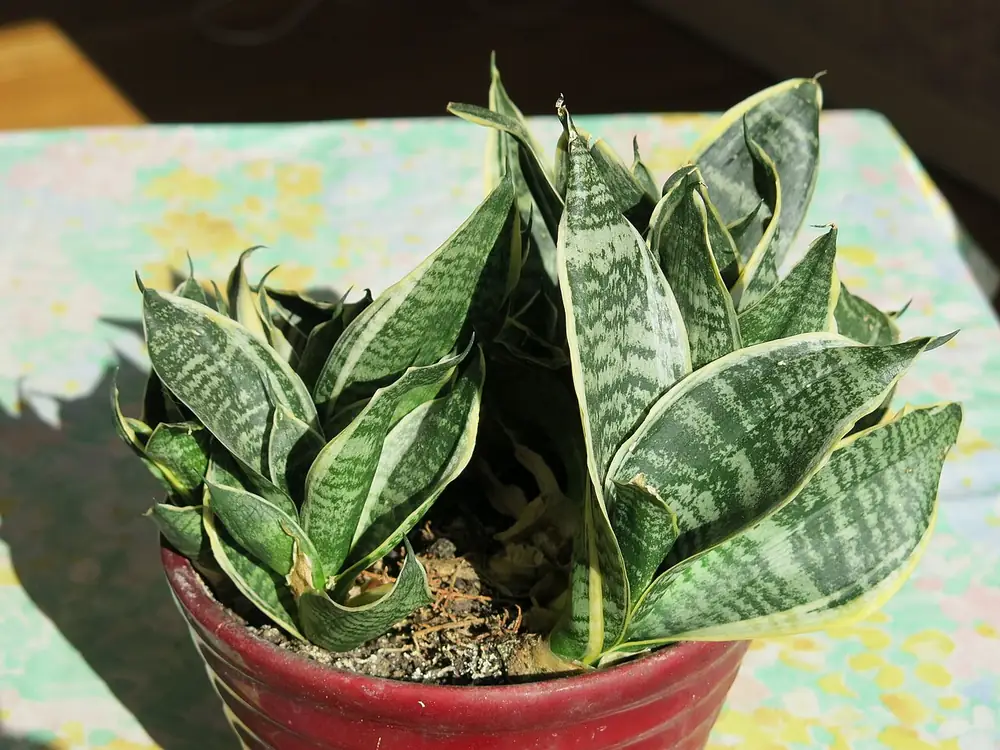
Snake plants are toxic to dogs. They contain saponins, which irritate the mouth and stomach and usually cause nausea, vomiting, and diarrhea.

The ASPCA lists jade plants (Crassula ovata) as toxic to dogs, causing vomiting, depression, and incoordination. The exact toxin is unknown and most cases are mild, but any ingestion deserves a call to your vet.

Pothos is toxic to dogs. Its leaves and stems contain insoluble calcium oxalate crystals that injure the mouth on contact, causing intense burning, drooling, and vomiting.
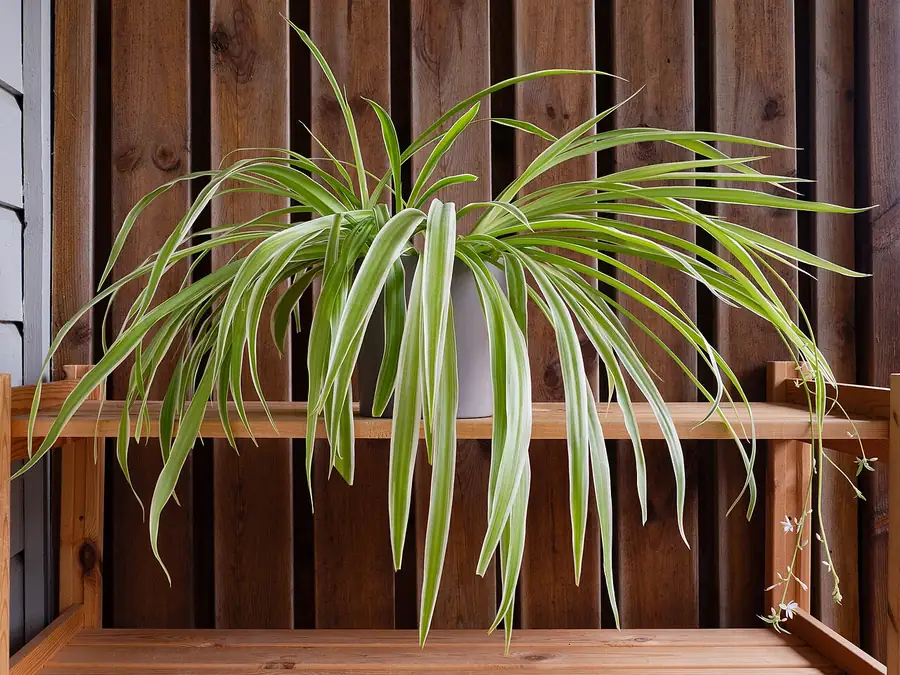
The ASPCA lists spider plants as non-toxic to dogs, cats, and horses, and PetMD includes them among the houseplants safe for dogs. A dog that eats a large amount may still get a mild stomach upset.