Are Jade Plants Toxic to Dogs? What Every Owner Should Know
Yes — jade plants are toxic to dogs.
The ASPCA lists jade plants (Crassula ovata) as toxic to dogs, causing vomiting, depression, and incoordination. The exact toxin is unknown and most cases are mild, but any ingestion deserves a call to your vet.
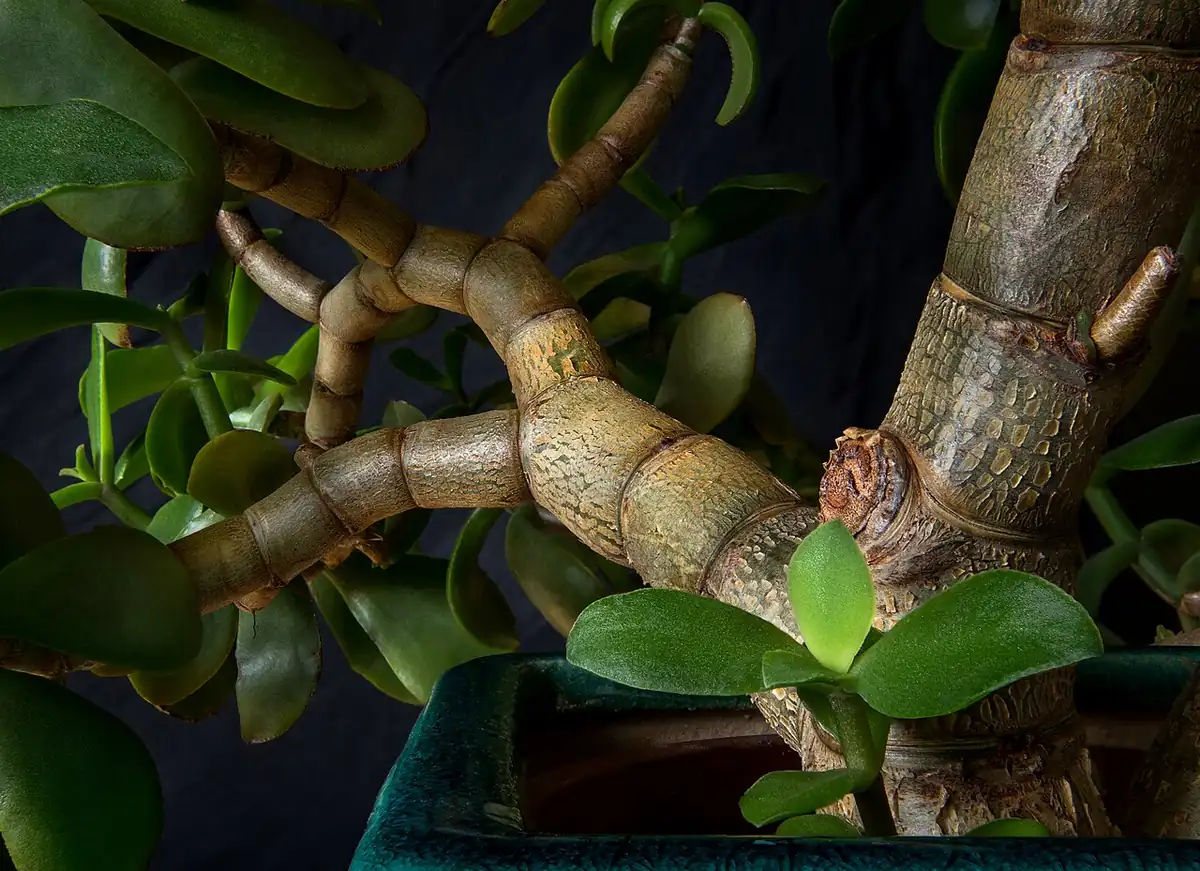

- Item
- Jade plants
- Scientific name
- Crassula ovata
- Also called
- Jade plant, Jade tree, Baby jade, Dwarf rubber plant, Money plant, Lucky plant, Friendship tree
- Category
- Plants
- Verdict
- Toxic
- Symptoms start
- Usually within a few hours of eating the plant.
Yes — jade plants are toxic to dogs. The ASPCA lists the jade plant as toxic to dogs, cats, and horses, and the signs it gives are vomiting, depression, and incoordination. Pet Poison Helpline agrees, while adding that most cases amount to no more than mild stomach upset.
Jade plants are among the most common houseplants in American homes, which is exactly why they cause trouble: they sit on low shelves and windowsills, within reach of a curious dog. Serious poisoning is uncommon, but the exact toxin is still unknown, so there is no dose you can safely rely on — any ingestion deserves a call to your vet.
If your dog ate it — what to do now
- Remove any jade plant material from your dog's mouth if you can do so safely, and keep the plant or take a photo of it for identification.
- Call your veterinarian or the ASPCA Animal Poison Control Center at (888) 426-4435 right away (a consultation fee may apply).
- Tell them your dog ate a jade plant (Crassula ovata), how much they ate, when it happened, and your dog's weight and age.
- Follow your vet's instructions exactly, and take your dog to the vet or an emergency clinic if they tell you to.
- Watch for vomiting, unusual tiredness, or a wobbly walk over the next few hours, and call the vet again if signs get worse.
Do not do this
- Do not induce vomiting unless a veterinarian tells you to.
- Do not give home remedies, milk, or activated charcoal on your own.
- Do not wait to see if the symptoms pass on their own — call your vet.
- Do not assume a jade plant is safe because it is common, or because a pet store sold it as a "money plant."
What makes jade plants toxic to dogs?
The species most people grow indoors is Crassula ovata, a succulent from South Africa with thick, glossy, oval leaves on woody stems. The ASPCA lists the plant under its older scientific name, Crassula argentea, which is a synonym of Crassula ovata — the same plant, not a different species.
The ASPCA lists the toxic principle in jade plants as unknown. That is unusual: for most toxic plants, vets can name the chemical doing the damage. With jade, the compound responsible has simply not been identified, even though the symptom pattern is consistent and well documented. Some guides suggest a terpenoid or saponin-like compound, but that is a guess, not an established fact.
All parts of the plant are considered toxic — leaves, stems, and sap. A dog does not need to eat a whole plant to get sick; chewing a few leaves can be enough. The ASPCA's listing covers dogs, cats, and horses, with the same clinical signs for all of them.
How much jade plant is dangerous for a dog?
There is no established toxic dose for jade plants, and no amount in grams or leaves per kilogram of body weight has been published in the sources we reviewed. Without a known toxin, there is no way to calculate a safe dose.
That uncertainty is a reason to act, not to relax. The response is the same whatever the amount: remove the plant, note how much your dog ate and when, and call your vet or poison control. A small dog that ate several leaves deserves a faster call than a large dog that took one bite, but both deserve a call.
The amount matters less than the dog: puppies, small breeds, older dogs, and dogs with existing health problems are likely to feel the effects more. Pet Poison Helpline notes that signs are usually mild and self-limiting, but recommends veterinary care if signs persist.
Symptoms of jade plant poisoning in dogs
The ASPCA lists three clinical signs for jade plant ingestion: vomiting, depression, and incoordination. Vomiting is the most common and usually the first sign. Depression here means a dog that is unusually quiet, low on energy, or uninterested in food and play. Incoordination, also called ataxia, means a wobbly or stumbling walk, as if the dog were drunk.
Pet Poison Helpline adds diarrhea, loss of appetite, and lethargy, and describes the same wobbly gait as ataxia, while noting that lethargy and ataxia are less commonly reported than stomach upset. Some other guides mention a slowed heart rate in rare cases, but the ASPCA does not list it, so this page does not present it as an expected symptom.
Symptoms usually show up within a few hours of eating the plant. If your dog starts vomiting, seems unusually tired, or walks unsteadily after being near a jade plant, call your vet rather than waiting to see whether it passes.
What to do if your dog eats a jade plant
Stay calm and act quickly. Remove any plant material from your dog's mouth if you can do so safely, and keep the plant — or photograph it — so the vet can confirm what it is. Note the time and roughly how much your dog ate.
Call your veterinarian or the ASPCA Animal Poison Control Center at (888) 426-4435 right away (a consultation fee may apply). Tell them your dog ate a jade plant (Crassula ovata), how much, when, and your dog's weight and age. Follow their instructions exactly.
Treatment depends on how much your dog ate, how long ago, and what symptoms have appeared. Your vet may induce vomiting, give activated charcoal, or provide fluids and stomach-protecting medicines. Most dogs recover with basic supportive care, but do not treat this at home: inducing vomiting or giving charcoal on your own can do more harm than good.
How to keep your dog safe from jade plants
The simplest rule is to keep jade plants out of your dog's reach — or out of your home entirely if your dog is a determined chewer. A high shelf is not always enough: jade plants drop leaves as they age, and a fallen leaf is easy for a dog to find. Check the floor around the plant regularly and prune away low-hanging branches.
Jade plants are popular housewarming gifts, said to bring good luck. If someone gives you one, check the label before you put it on a coffee table. The names to watch for are jade plant, jade tree, baby jade, money plant, lucky plant, and friendship tree — all common names for Crassula ovata and its close relatives.
If you already have a jade plant and a dog, you do not have to throw the plant away today, but you do need a plan: a hanging planter or a tall stand in a room the dog does not use. And tell everyone in the household — including children and visitors — that the plant is toxic to the dog.
Safe alternatives to jade plants
You do not have to give up succulents to keep your dog safe. Haworthia, often sold as the zebra plant, looks like a small spiky succulent and is listed as non-toxic to dogs by the ASPCA. Echeveria rosettes are another safe choice in many of the same colours.
For a leafy houseplant instead, spider plants are listed as non-toxic to dogs by the ASPCA and are easy to hang well out of reach. Christmas cactus is another safe option that flowers in winter.
Whatever you choose, check the scientific name before you buy. Common names overlap — the true money tree (Pachira aquatica) is listed as non-toxic by the ASPCA, but it is a completely different plant from the jade plant, which is also sometimes called the money plant. A tag that only says "money plant" is not enough information.
How to tell a jade plant from a lookalike
A true jade plant (Crassula ovata) has thick, fleshy, oval leaves in opposite pairs along woody, branching stems, and older plants look like miniature trees. The leaves are a rich jade green, often with a red edge in bright sunlight, and mature plants may produce clusters of small white or pink star-shaped flowers in winter.
The most common lookalike is the elephant bush (Portulacaria afra), also sold as dwarf jade, with much smaller, rounder leaves and thinner, reddish stems. The silver jade (Crassula arborescens) is a close relative with rounder, blue-grey leaves and a waxy coating — and it is listed as toxic by the ASPCA too, so confusing the two does not change the answer.
If you are not sure which plant you have, do not guess. Photograph the leaves, stems, and plant tag for your vet or poison control, and keep the plant away from your dog until you know.
Symptoms to watch for
- Vomiting
- Depression (unusually low energy, withdrawn)
- Incoordination / ataxia (wobbly, stumbling walk)
- Lethargy
- Diarrhea
- Loss of appetite
The ASPCA lists vomiting, depression, and incoordination as the clinical signs; Pet Poison Helpline adds diarrhea, loss of appetite, and lethargy. Symptoms usually appear within a few hours of eating the plant.
Safe alternatives
- Spider plants — Listed as non-toxic to dogs by the ASPCA and easy to hang out of reach.
- Haworthia (zebra plant) — A small succulent lookalike listed as non-toxic to dogs by the ASPCA.
- Christmas cactus — Listed as non-toxic to dogs by the ASPCA and a good flowering houseplant for pet homes.
What about cats? Jade plants are toxic to cats as well as dogs, and the ASPCA lists the same clinical signs for cats: vomiting, depression, and incoordination. Cats that chew houseplants are at least as likely to get into trouble, so keep jade plants out of reach of every pet in the home, not just the dog.
Frequently asked questions
Are jade plants toxic to dogs?
Yes. Jade plants (Crassula ovata) are toxic to dogs. The ASPCA lists the plant as toxic to dogs, cats, and horses, with vomiting, depression, and incoordination as the clinical signs. Call your vet if your dog eats any part of one.
What poison is in a jade plant?
No one knows yet. The ASPCA lists the toxic principle in jade plants as unknown — the exact chemical responsible has not been identified. What is well documented is the pattern of symptoms: vomiting, depression, and loss of coordination after eating the plant.
Can a jade plant kill a dog?
Most dogs recover. Pet Poison Helpline says jade plant ingestion typically causes no more than mild stomach upset, and that signs are usually mild and self-limiting. That is not a reason to ignore it: vomiting, lethargy, or wobbliness should always earn a call to your vet, and a small dog or a dog that ate a lot should be checked promptly.
What should I do if my dog ate a jade plant?
Call your veterinarian or the ASPCA Animal Poison Control Center at (888) 426-4435 right away (a consultation fee may apply). Tell them your dog ate a jade plant (Crassula ovata), how much they ate, and when. Do not induce vomiting or give home remedies unless a vet tells you to.
Sources
- ASPCA Poison Control — Toxic and Non-toxic Plants: Jade Plant
- Pet Poison Helpline — Jade Plant
- Birds & Blooms — Plants Toxic to Dogs: 11 Houseplants That Aren't Safe for Dogs
Related guides
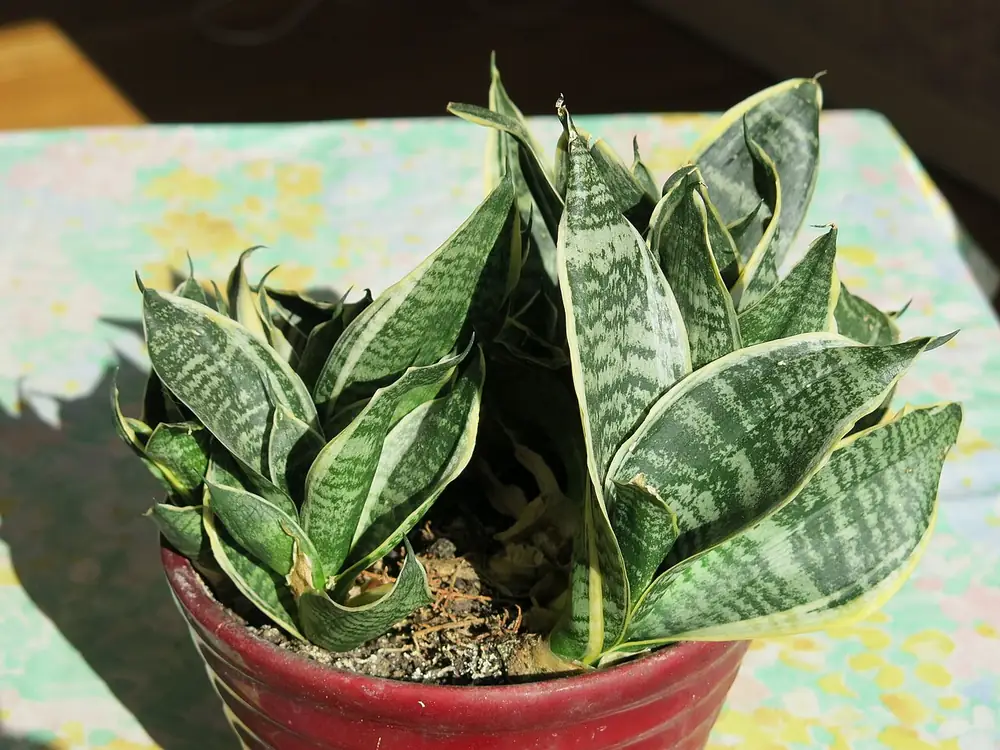
Snake plants are toxic to dogs. They contain saponins, which irritate the mouth and stomach and usually cause nausea, vomiting, and diarrhea.
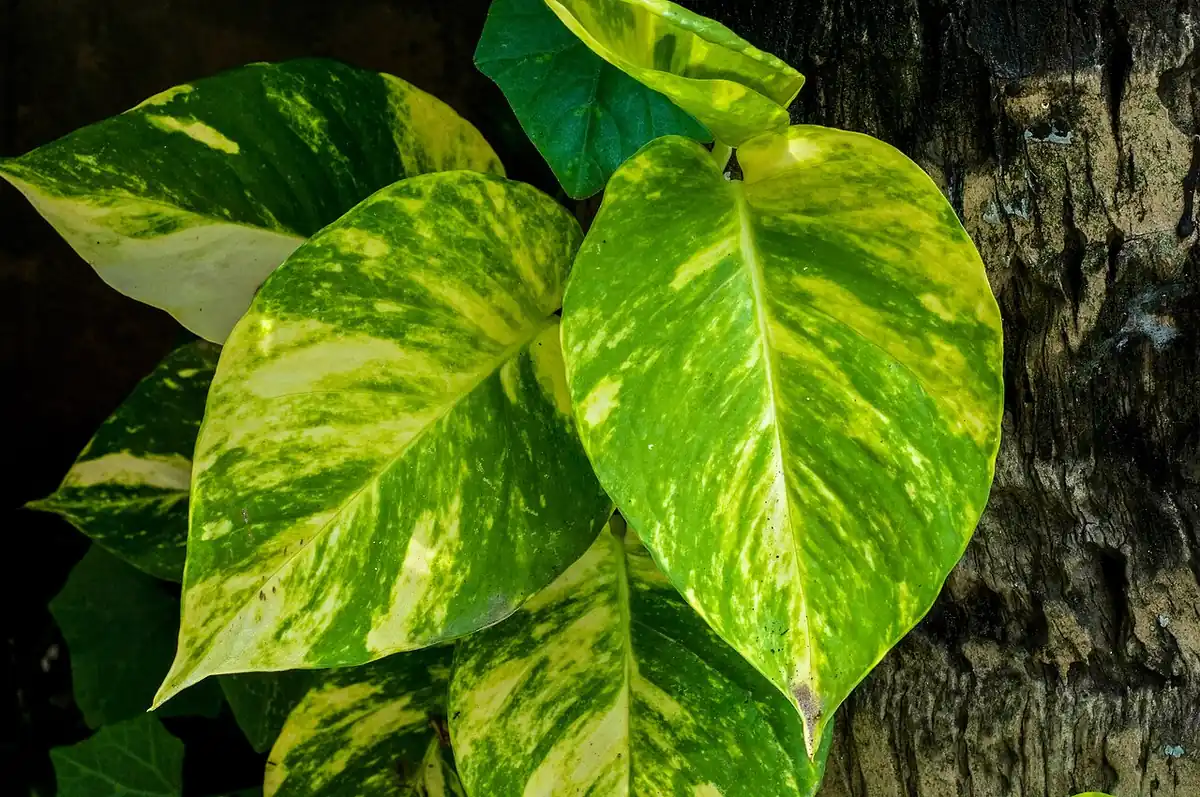
Pothos is toxic to dogs. Its leaves and stems contain insoluble calcium oxalate crystals that injure the mouth on contact, causing intense burning, drooling, and vomiting.
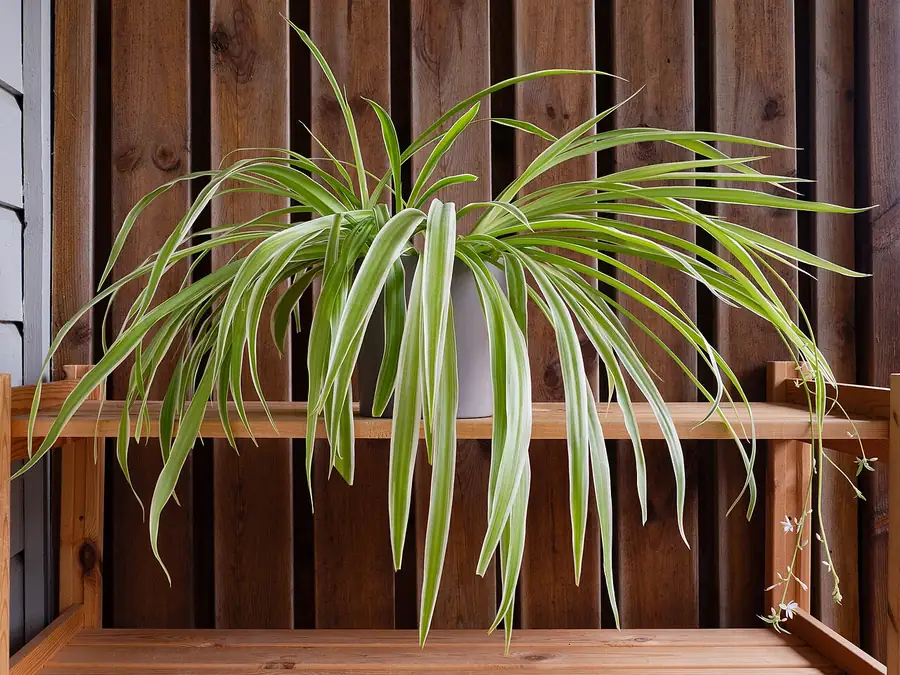
The ASPCA lists spider plants as non-toxic to dogs, cats, and horses, and PetMD includes them among the houseplants safe for dogs. A dog that eats a large amount may still get a mild stomach upset.
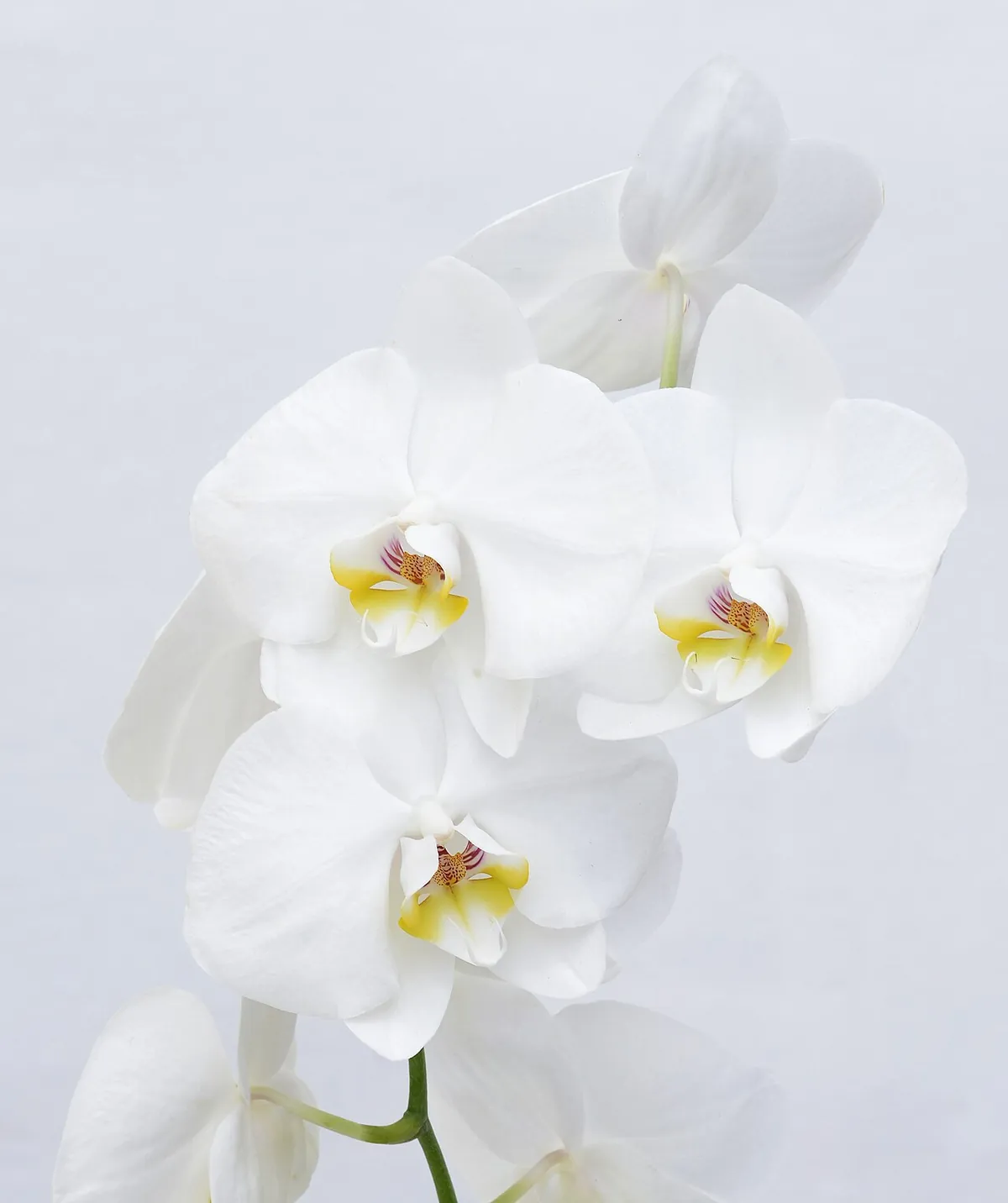
Orchids are not toxic to dogs. The ASPCA lists Phalaenopsis orchids as non-toxic to dogs, cats, and horses, and PetMD includes orchids among the flowers that are safe for dogs.