Are Bromeliads Toxic to Dogs? What Every Owner Should Know
No — bromeliads are not toxic to dogs.
The ASPCA lists bromeliads, including blushing bromeliad, orange star, and earth star, as non-toxic to dogs and cats. The only expected problem is mild stomach upset if a dog eats a large amount of leaves.
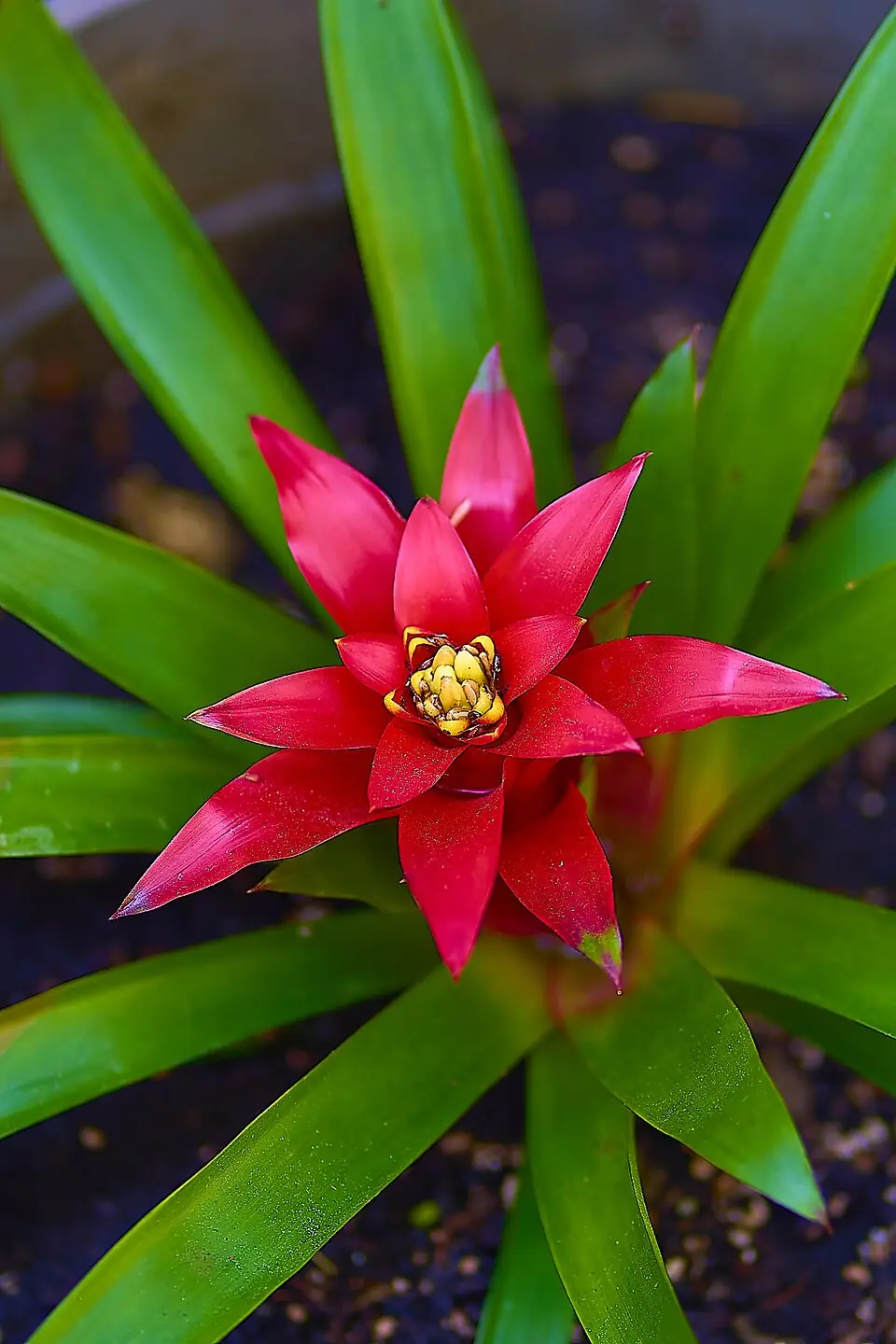

- Item
- Bromeliads
- Scientific name
- Bromeliaceae (including Guzmania spp., Neoregelia spp., and Cryptanthus spp.)
- Also called
- Scarlet star, Blushing bromeliad, Orange star, Earth star, Urn plant
- Category
- Plants
- Verdict
- Safe
- Symptoms start
- There is no poisoning onset time for bromeliads because they contain no toxin. Mild stomach upset, if it occurs, usually appears within a few hours of eating a large amount of leaves, although no exact time frame is given in the sources we checked.
No, bromeliads are not toxic to dogs. The ASPCA lists several bromeliads as non-toxic to dogs, cats, and horses, including the blushing bromeliad (Neoregelia species), the orange star (Guzmania lingulata minor), and the earth star (Cryptanthus). A dog that nibbles a bromeliad leaf is not expected to be poisoned.
Non-toxic does not mean the plant is food, though. Eating a large amount of any plant material can upset a dog's stomach, and some bromeliads have stiff, toothed leaf edges. With a little placement and training, bromeliads are one of the easiest houseplants to keep in a home with dogs.
If your dog ate it — what to do now
- Remove loose plant material from your dog's mouth and move the plant out of reach.
- Check whether the plant was recently treated with fertilizer or pesticide, and keep the product label if you have it.
- Watch your dog for repeated vomiting, diarrhea, refusal to eat, or lethargy over the next day.
- Call your veterinarian or ASPCA Animal Poison Control Center at (888) 426-4435 (a consultation fee may apply) if symptoms persist, or if you are not sure the plant is really a bromeliad.
- Offer fresh water and a normal meal; most dogs need no treatment beyond watching.
Do not do this
- Do not induce vomiting unless a veterinarian tells you to.
- Do not assume every plant sold as a bromeliad is one — check the scientific name on the tag first.
- Do not let your dog drink the water collected in the bromeliad's central cup.
- Do not use home remedies as a substitute for veterinary care if your dog keeps vomiting.
Why bromeliads are considered safe for dogs
Bromeliads contain no known toxin that affects dogs. The ASPCA's entries for blushing bromeliad, orange star, and earth star list them as non-toxic to dogs and cats, with no toxic principle and no poisoning signs. The ASPCA's dog plant list includes these bromeliads among its non-toxic plants. PetMD also notes that even non-toxic plants can cause mild stomach upset if eaten, which is the only risk the authoritative sources attach to bromeliads.
The bromeliad family (Bromeliaceae) is a large group of tropical plants, and the ones sold as houseplants include Guzmania, Neoregelia, Aechmea, Vriesea, and Tillandsia, the air plants. Because the family is so large, it is worth checking the scientific name on the plant tag rather than trusting a common name alone. The ASPCA entries we verified cover Neoregelia, Guzmania, and Cryptanthus; if your plant belongs to a different genus, look it up in the ASPCA plant database before assuming it is covered.
- ASPCA-listed as non-toxic: Neoregelia, Guzmania, Cryptanthus
- No toxic principle: no poisoning signs are listed for these plants
- Check the tag: match the scientific name, not just the common name
How much bromeliad is dangerous for dogs?
There is no established toxic dose for bromeliads, because there is no toxin to measure a dose against. A few nibbled leaves are not expected to cause more than mild stomach upset, if anything at all.
Amount still matters for a different reason. PetMD notes that eating any plant material in large amounts can cause mild digestive upset, including vomiting or diarrhea. A dog that chews up a whole potted bromeliad, pot and soil included, should be watched closely — not because of poisoning, but because of the volume of plant fiber and soil swallowed, and because a knocked-over pot can cut or bruise a dog.
- No toxic dose: no toxin means no poisoning threshold
- Large amounts: mild vomiting or diarrhea from plant fiber, per PetMD
- The pot and soil: a bigger practical hazard than the plant itself
Symptoms to watch for after a dog eats a bromeliad
Most dogs show no symptoms at all after nibbling a bromeliad. When symptoms do appear, they are mild and short-lived: a little vomiting or soft stool after eating a large amount of leaves. PetMD describes exactly this pattern for non-toxic plants in general — mild stomach upset, not poisoning.
Watch for two physical problems that have nothing to do with poison. Some bromeliads have stiff leaves with toothed or spiny edges that can scratch a dog's mouth or paws, and the water that collects in the central cup of the rosette can go stale or contain fertilizer. Neither problem was covered in the ASPCA or PetMD pages we checked, so treat them as practical cautions rather than established risks: empty out old cup water, and keep spiky varieties where your dog cannot chew them.
- Usually: no symptoms at all
- Large amount eaten: mild vomiting or diarrhea
- Watch for: scratches from stiff leaf edges, or stale water from the central cup
What to do if your dog eats a bromeliad
Stay calm and check what your dog actually ate. Remove any loose plant material from your dog's mouth and move the plant out of reach so your dog cannot eat more. If the plant was recently treated with fertilizer or pesticide, keep the product label.
Most of the time, no treatment is needed beyond watching your dog. Offer fresh water and a normal meal, and watch for repeated vomiting or diarrhea over the next day. Call your veterinarian if your dog vomits more than once, has diarrhea that does not settle, refuses food, or seems painful or lethargic. If you are not sure the plant is really a bromeliad, call your veterinarian or the ASPCA Animal Poison Control Center at (888) 426-4435 (a consultation fee may apply) and describe the plant.
How to keep your dog safe around bromeliads
Bromeliads and dogs can share a home with a little planning. Put bromeliads on a high shelf, a plant stand, or a hanging planter, especially if you have a puppy or a dog that chews plants. Puppies explore by mouth, and a floor-level pot is an easy target.
Water the central cup carefully and empty out old water before it goes stale, and keep fertilizer and pesticide sprays stored away from your dog. If you use a liquid fertilizer on your bromeliad, follow the label and keep your dog away from the plant until it is dry. Teach your dog to leave plants alone and offer a chew toy instead, and clear fallen leaves from the floor so they are not eaten.
How to identify a bromeliad
A bromeliad is easy to recognize once you know what to look for: a rosette of long, strap-shaped leaves that form a central cup, often with a bright spike of red, orange, yellow, or pink bracts in the middle. The colorful part is usually the bracts around the small flowers, not the flowers themselves, and one plant usually flowers once and then produces offsets, called pups, at its base.
The common houseplant types are Guzmania, often sold as scarlet star or orange star; Neoregelia, sold as blushing bromeliad; Aechmea, sold as urn plant or silver vase; Vriesea, with flat, sword-shaped flower spikes; and Tillandsia, the air plants that grow without soil. Common names overlap between unrelated plants, so the scientific name on the tag is the reliable check — if it reads Guzmania, Neoregelia, or Cryptanthus, it is one of the genera the ASPCA lists as non-toxic.
Safe alternatives to bromeliads
Bromeliads are already a safe choice, but if you want more pet-friendly plants in the same style, several options are equally safe. Spider plants and Boston ferns are listed as safe for dogs by PetMD, roses are listed as non-toxic by the ASPCA, and orchids are on PetMD's safe list. African violets are another easy houseplant on PetMD's safe list.
Whatever you choose, keep the same habits: keep plants where your dog cannot chew them, check for sprays or fertilizers, and do not let your dog eat plant material as a snack.
Symptoms to watch for
- No symptoms in most cases
- Mild vomiting
- Diarrhea
- Soft stool
- Drooling
- Scratches on the mouth or paws from stiff leaf edges
Most dogs show no symptoms after nibbling a bromeliad; any signs are usually mild stomach upset from eating too much plant material.
Safe alternatives
- Spider plants — Listed as safe for dogs by PetMD.
- Boston ferns — Listed among the houseplants safe for dogs by PetMD.
- Orchids — On PetMD's list of flowers safe for dogs.
- Roses — Listed as non-toxic to dogs by the ASPCA.
- African violets — Listed among the houseplants safe for dogs by PetMD.
What about cats? Bromeliads are also listed as non-toxic to cats by the ASPCA — the blushing bromeliad entry covers dogs and cats. The same mild stomach upset can occur if a cat eats a large amount of leaves, and the central cup water should be kept fresh.
Frequently asked questions
Are bromeliads toxic to dogs?
No. The ASPCA lists bromeliads, including the blushing bromeliad, orange star, and earth star, as non-toxic to dogs. A dog that nibbles a leaf is not expected to be poisoned, though eating a large amount of any plant can cause mild vomiting or diarrhea.
Can dogs eat bromeliad leaves?
They can nibble them without being poisoned, but leaves are not food for dogs. Eating a large amount can cause mild stomach upset, and some varieties have stiff, toothed leaf edges that can scratch the mouth. Keep the plant where your dog cannot chew it and offer a chew toy instead.
Are bromeliads safe for cats?
Yes. The ASPCA lists the bromeliads it covers as non-toxic to cats as well as dogs. The same advice applies: a little nibble is not expected to harm a cat, but do not let a cat eat large amounts of leaves or drink from the plant's central cup.
What should I do if my dog knocks over my bromeliad?
Check your dog for cuts from the pot or the plant's leaf edges, and clean up the soil so your dog does not eat it. Move the plant to a sturdier spot or a hanging planter. If your dog swallowed a large amount of leaves or soil and keeps vomiting, call your veterinarian.
Sources
- ASPCA Poison Control — Blushing Bromeliad
- ASPCA Poison Control — Toxic and Non-Toxic Plant List — Dogs
- PetMD — 29 Flowers and Plants That Are Safe for Dogs
Related guides
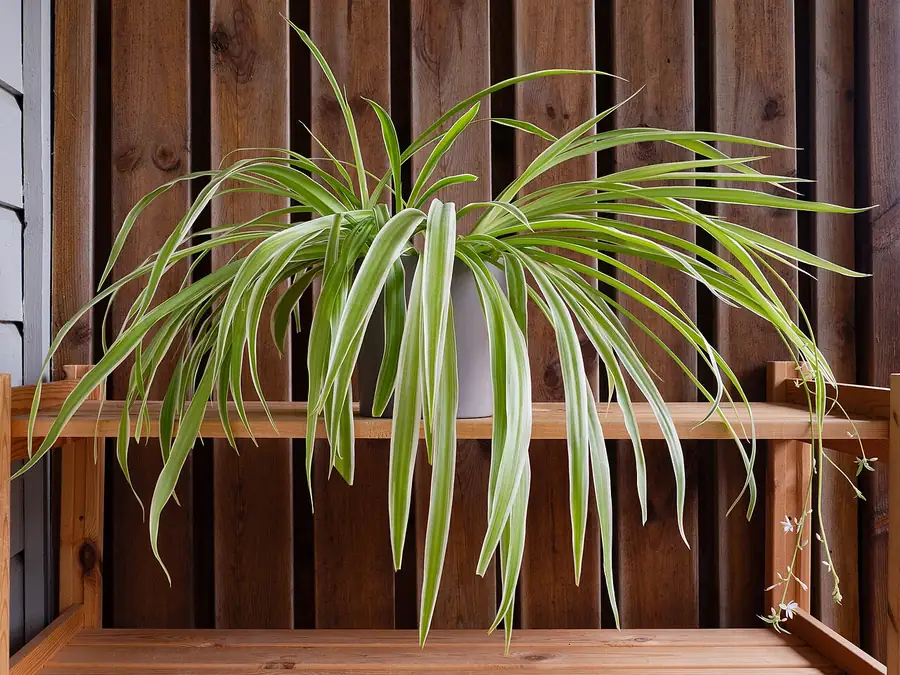
The ASPCA lists spider plants as non-toxic to dogs, cats, and horses, and PetMD includes them among the houseplants safe for dogs. A dog that eats a large amount may still get a mild stomach upset.
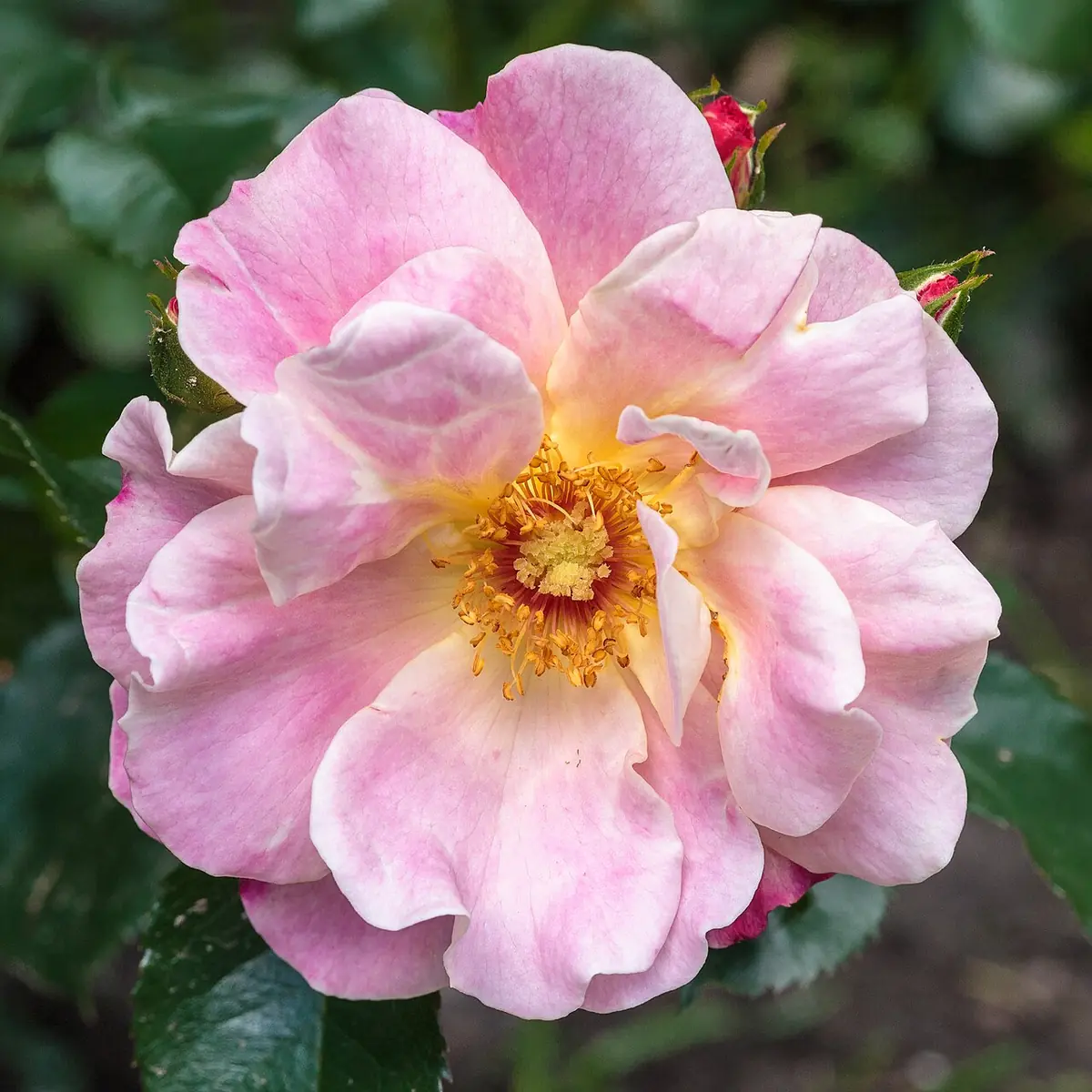
The ASPCA lists roses (Rosa species) as non-toxic to dogs, cats, and horses. The real risks are the thorns and any pesticides, fertilizers, or flower food on the plant.
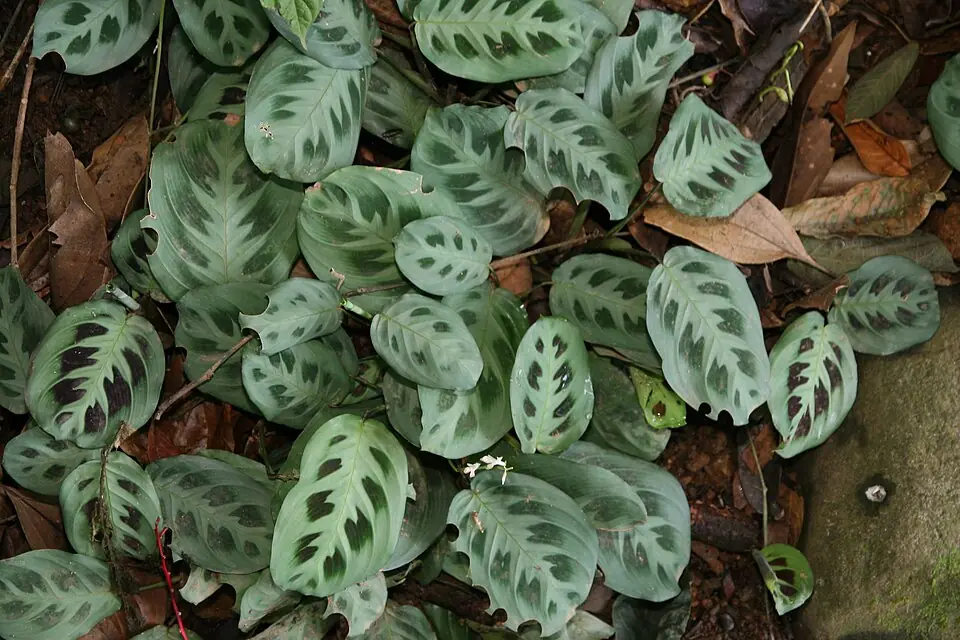
The ASPCA lists prayer plants as non-toxic to dogs, cats, and horses. A dog that eats a large amount of leaves may still get mild vomiting or diarrhea from the plant material, but the plant itself will not poison your dog.

Orchids are not toxic to dogs. The ASPCA lists Phalaenopsis orchids as non-toxic to dogs, cats, and horses, and PetMD includes orchids among the flowers that are safe for dogs.