Is Celosia Toxic to Dogs? What Every Owner Should Know
No — celosia is not toxic to dogs.
The ASPCA lists celosia as non-toxic to dogs, cats, and horses. A dog that nibbles the leaves or flowers is not being poisoned, though eating a large amount of any plant can still cause a mild stomach upset.
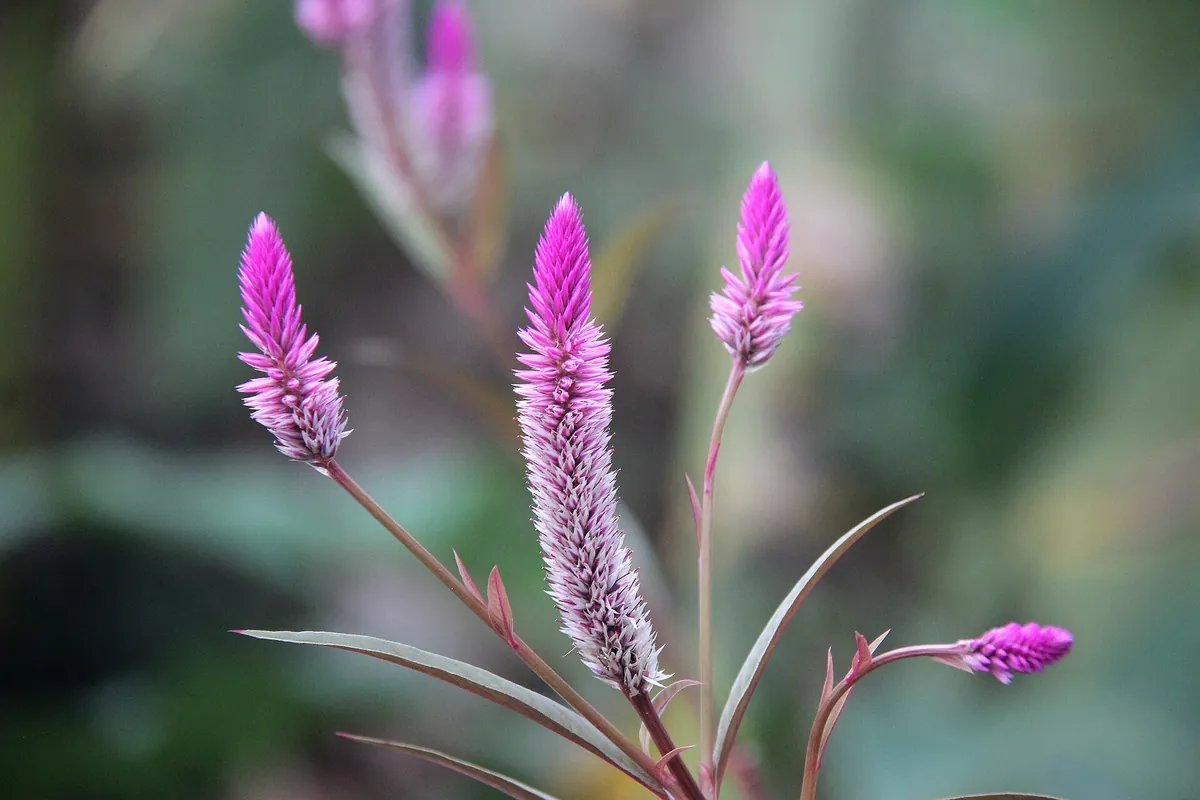

- Item
- Celosia
- Scientific name
- Celosia argentea
- Also called
- Cockscomb, Plumed cockscomb, Woolflower, Flamingo feather, Silver cockscomb
- Category
- Plants
- Verdict
- Safe
- Symptoms start
- Celosia has no toxic effect, so there is no poisoning onset to watch for. If a dog eats a large amount of plant material, any mild stomach upset would usually show up within a few hours of eating.
Celosia is the bright, flame-shaped flower that fills summer garden beds and pots with red, pink, orange, and yellow plumes. Its flower heads look like rooster combs, feathery plumes, or wheat spikes depending on the variety, and the plant is a popular choice for sunny borders, containers, and cut flowers. If you share your garden with a dog, you may have wondered whether those vivid blooms are safe.
The short answer is no, celosia is not toxic to dogs. The ASPCA lists celosia as non-toxic to dogs, cats, and horses, covering the varieties most people grow, including plumed celosia, cockscomb, and flamingo feather. A dog that nibbles a few leaves or petals is not facing a poisoning, though eating a large amount of any plant can still upset a dog's stomach.
If your dog ate it — what to do now
- Remove any leaves or petals from your dog's mouth and offer fresh water.
- Watch your dog for a few hours for vomiting, diarrhea, or stomach discomfort.
- If your dog ate a large amount, offer a small, bland meal later rather than a full portion.
- Call your veterinarian if vomiting or diarrhea lasts more than 24 hours, if there is blood in vomit or stools, or if your dog becomes lethargic or refuses water.
- Tell your veterinarian if the plant had recently been treated with fertilizer or pesticide, since the chemicals are a bigger concern than the celosia itself.
- Keep a list of the plants in your garden so your veterinarian can rule out toxic species quickly if your dog eats something unknown.
Do not do this
- Do not induce vomiting — celosia is not poisonous, and vomiting would only add distress.
- Do not panic or rush to an emergency clinic over a small nibble; monitor your dog first.
- Do not use slug pellets, systemic insecticides, or freshly applied fertilizer where your dog can reach treated plants.
- Do not assume an unlabeled plant is celosia — check the identification before letting your dog chew it.
- Do not let your dog make a habit of eating garden plants, even safe ones, since large amounts of raw plant fiber upset the stomach.
Why celosia is safe for dogs
The ASPCA's toxic and non-toxic plant database lists several celosia species as non-toxic to dogs, cats, and horses. Its entry for Celosia plumosa, the plumed cockscomb, states plainly that the plant is non-toxic to all three, and its dog plant list also includes Celosia globosa, Celosia spicata, and Celosia cristata, the crested cockscomb, under the non-toxic heading. No celosia species appears on the ASPCA's toxic list.
Celosia belongs to the Amaranthaceae family, the same family as amaranth and quinoa, and it contains no toxic compound known to affect dogs. In fact, Celosia argentea is grown as a leafy vegetable in parts of West Africa, where it is known as Lagos spinach. A plant people eat as a vegetable will not poison a dog that steals a nibble, though dogs should still not be encouraged to eat garden plants.
How much celosia is dangerous for a dog?
There is no toxic dose of celosia for dogs, because the plant is not toxic. Veterinary references do not give a dangerous amount, and there is no number of leaves or petals that turns a safe plant into a poisoning. A dog that eats a mouthful of celosia is not in the same situation as a dog that eats a mouthful of a genuinely toxic plant such as lilies or azaleas.
That said, quantity still matters in a different way. Dogs are not built to digest large amounts of raw plant fiber, and eating a lot of any non-toxic plant can irritate the stomach and gut. A dog that strips a whole plant is more likely to vomit or have loose stools than one that chews a single leaf. The risk is a stomach upset, not poisoning.
Symptoms to watch for after a dog eats celosia
Because celosia is non-toxic, there is no set of poisoning symptoms to expect. The only signs a dog is likely to show after eating celosia come from eating too much raw plant material at once, and they are the same mild digestive signs that follow eating too much of any non-food plant. Most dogs that nibble a leaf or two show no signs at all.
Watch for vomiting, diarrhea, drooling, or a dog that seems off its food after a garden raid. These signs are usually mild and settle within a day. Call the veterinarian if vomiting or diarrhea lasts more than 24 hours, if there is blood in vomit or stools, or if your dog becomes lethargic or refuses water. Those signs point to something more serious than a celosia nibble, such as another plant, a chemical, or an unrelated illness.
- Vomiting
- Diarrhea or loose stools
- Drooling
- Mild stomach discomfort
- Reduced appetite
- Lethargy (only after a very large amount)
What to do if your dog eats celosia
In most cases, you do not need to do anything beyond taking the plant away and keeping an eye on your dog. Gently remove any leaves or petals from your dog's mouth, and offer fresh water. There is no need to induce vomiting unless a veterinarian tells you to, because celosia is not poisonous and vomiting would only add distress.
Watch your dog for the next few hours for vomiting, diarrhea, or stomach discomfort. If your dog ate a large amount, offer a small, bland meal later rather than a full portion, and keep fresh water available. Call your veterinarian if vomiting or diarrhea continues for more than a day, if your dog becomes lethargic or refuses water, or if you are not sure what else your dog ate. If the bed was recently treated with fertilizer or pesticide, say so, because the chemicals are a bigger concern than the celosia.
How to keep your dog safe around celosia
Celosia is one of the easiest flowers to keep in a dog-friendly garden, because the plant itself needs no special precautions. You can plant it in beds, borders, and containers your dog walks past every day. The main job is to discourage your dog from treating the garden as a salad bar, since regular chewing of any plant, even a safe one, can cause repeated stomach upsets.
A few practical steps help. Keep celosia in beds rather than in low pots at a puppy's nose height, and use a low fence around beds if your dog likes to dig or graze. Do not use slug pellets, systemic insecticides, or freshly applied fertilizers where your dog can reach them, and wait after spraying before letting your dog back in. Dried celosia arrangements are also safe, but keep them out of reach so your dog does not chew the stiff stems.
Celosia vs. toxic garden flowers
Celosia's bright colors can make it look like other, more dangerous flowers, so it helps to know what it is not. True lilies are highly toxic to cats and can cause kidney failure, and they are dangerous to dogs too. Azaleas and rhododendrons contain grayanotoxins that can cause vomiting, diarrhea, weakness, and heart problems, and tulip bulbs contain tulipalin, which irritates the mouth and gut. Celosia contains none of these compounds.
The other confusion is within the celosia family itself. The three common garden forms, plumed celosia, crested cockscomb, and spiky flamingo feather, look quite different, and all three are listed as non-toxic by the ASPCA. If you buy a plant labeled celosia, cockscomb, woolflower, or Celosia argentea, Celosia cristata, Celosia plumosa, or Celosia spicata, you are buying a safe plant. If a plant is unlabeled and you cannot identify it, do not assume it is celosia; check with the seller before letting your dog near it.
Dog-safe flowers to plant with celosia
If you want a garden full of color that your dog can safely wander through, celosia is a good starting point, and it pairs well with other dog-safe flowers. Zinnias give the same hot summer color and long bloom season, and the ASPCA lists them as non-toxic. Snapdragons add height and cottage-garden charm and are also safe, while roses bring scent and structure, with the only caution being their thorns. Sunflowers are another safe choice.
Planting a whole bed of dog-safe flowers has a practical benefit beyond safety. If your dog chews a petal or a leaf, you can be confident it was a safe plant. Keep a simple list of what you planted, and if your dog ever eats something you cannot identify, that list will help your veterinarian rule out the dangerous plants quickly.
Symptoms to watch for
- Vomiting (only after eating a large amount)
- Diarrhea or loose stools
- Drooling
- Mild stomach discomfort
- Reduced appetite
- Lethargy (only after eating a very large amount)
Most dogs that nibble celosia show no signs at all. Any mild stomach upset from eating a large amount usually appears within a few hours and settles within a day.
Safe alternatives
- Zinnias — Another bright, heat-loving annual the ASPCA lists as non-toxic to dogs, with a similar long summer bloom.
- Snapdragons — A classic cottage-garden flower that is safe for dogs and comes in many of the same bold colors as celosia.
- Roses — Dog-safe and widely available, though the thorns on the stems can scratch a curious dog, so plant thornless varieties near paths.
- Sunflowers — Tall, cheerful, and non-toxic to dogs, with seeds that are also safe in small amounts.
What about cats? Celosia is safe for cats too. The ASPCA lists celosia as non-toxic to cats as well as dogs and horses, so the same plant can sit in a home shared by both species. As with dogs, a cat that eats a large amount of any plant material may still get a mild stomach upset, so it is worth discouraging chewing even though the plant itself is not poisonous.
Frequently asked questions
Is celosia toxic to dogs?
No. The ASPCA lists celosia as non-toxic to dogs, cats, and horses. The most commonly grown kinds, including plumed celosia (Celosia plumosa), cockscomb (Celosia cristata), and flamingo feather (Celosia spicata), are all on the ASPCA's non-toxic list.
My dog ate celosia leaves. Should I worry?
A small nibble is not a poisoning emergency. Celosia has no known toxic compound for dogs, so a few leaves or petals are unlikely to cause anything worse than, at most, a mild stomach upset. Remove any plant material from your dog's mouth, offer fresh water, and watch your dog for a few hours. Call your veterinarian if vomiting or diarrhea lasts more than a day.
Is celosia safe if it has been sprayed with fertilizer or pesticide?
Celosia itself is not the problem, but the chemicals used on it can be. Fertilizers, pesticides, and slug pellets applied to garden plants can be toxic to dogs, so keep your dog away from newly treated beds and do not let it chew plants that have just been sprayed.
Can I plant celosia in a garden my dog uses?
Yes, celosia is a good choice for a dog-friendly garden. It is non-toxic, and other safe flowering plants that pair well with it include zinnias, snapdragons, roses, and sunflowers, all of which the ASPCA also lists as safe for dogs.
Sources
- ASPCA — Toxic and Non-toxic Plants: Celosia Plumosa
- ASPCA — Toxic and Non-Toxic Plant List — Dogs
- Hepper — Is Celosia Poisonous for Cats? Vet-Reviewed Safety Facts
- GardenBeast — Cockscomb Guide: How to Grow & Care for Celosia Cristata
Related guides
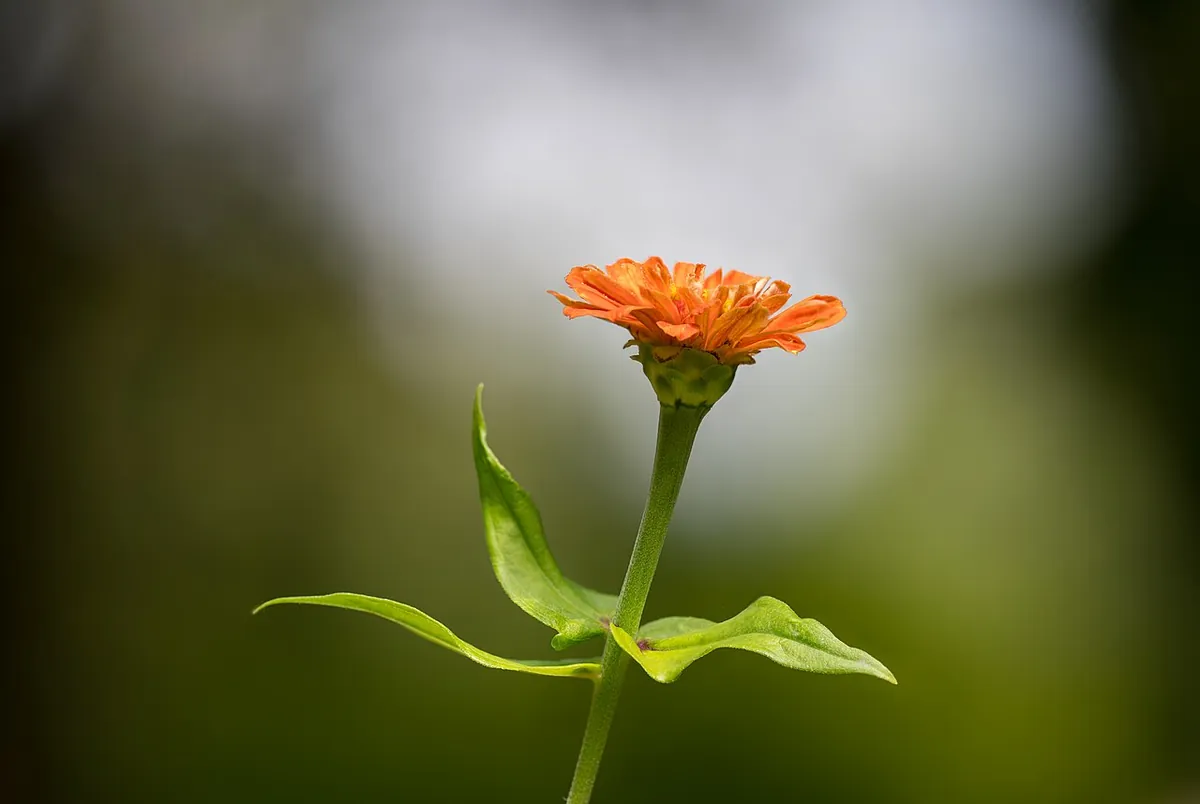
The ASPCA lists zinnias (Zinnia species) as non-toxic to dogs, cats, and horses. A dog that nibbles a zinnia is not expected to be poisoned, though eating a large amount of any plant material can still cause mild stomach upset.
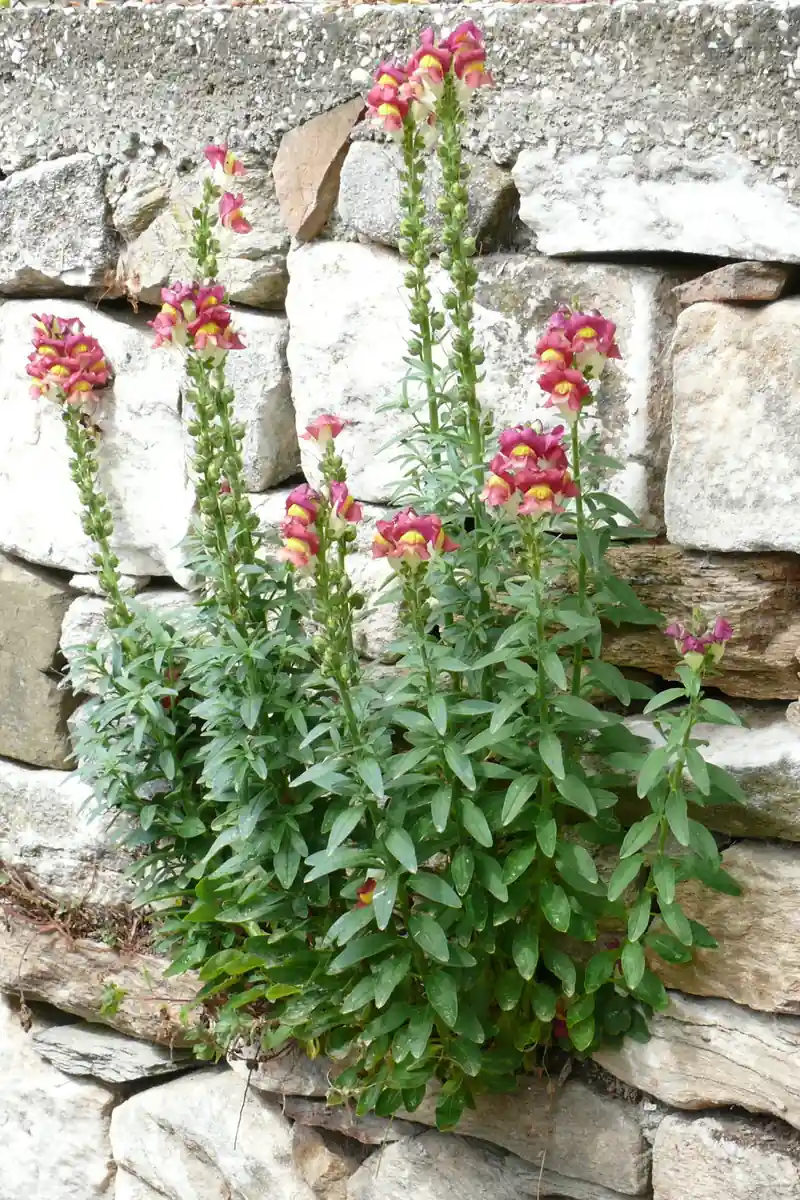
Snapdragons are non-toxic to dogs. The ASPCA lists common snapdragon as non-toxic to dogs, cats, and horses — there is no poison in the plant, though eating a lot of any plant can upset a stomach.
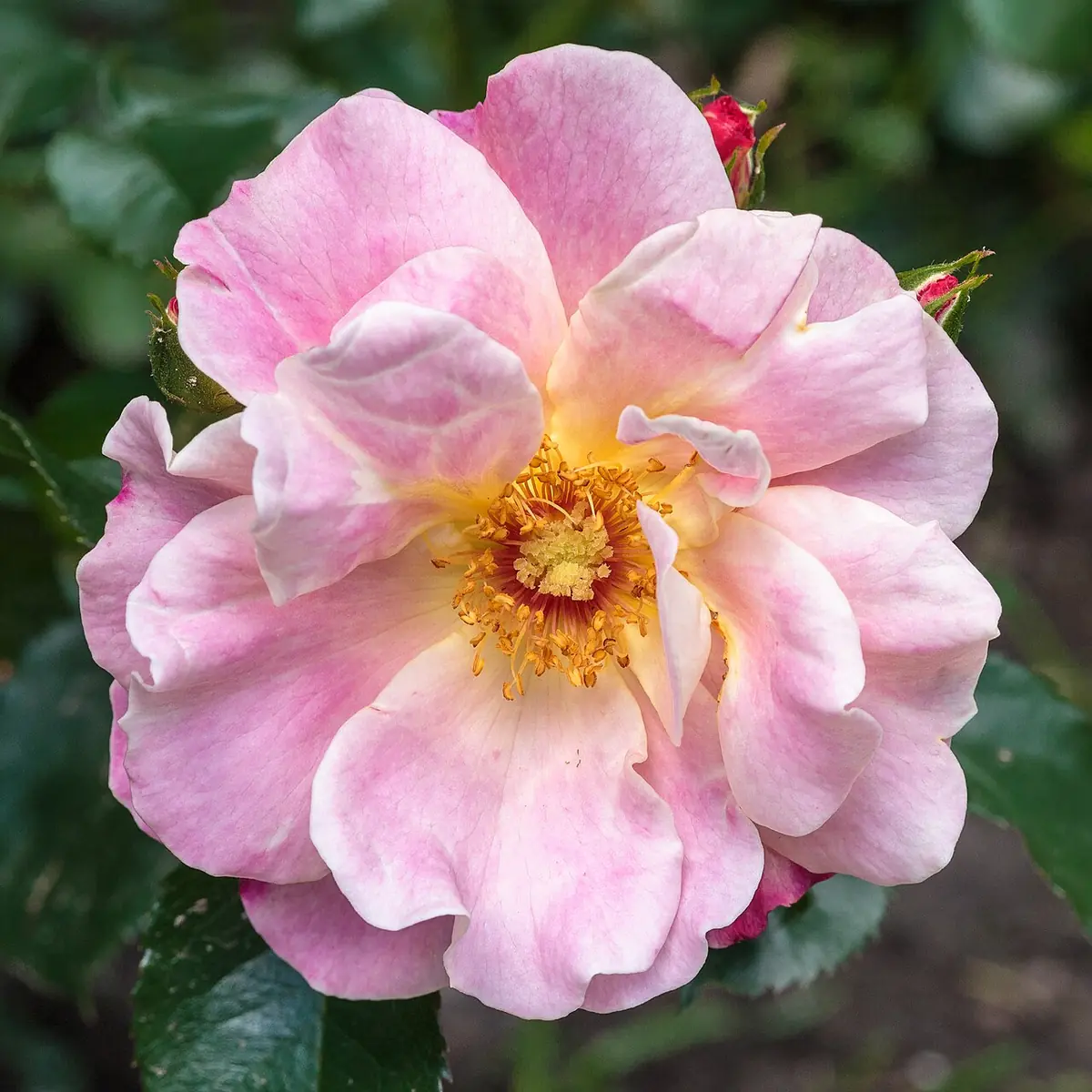
The ASPCA lists roses (Rosa species) as non-toxic to dogs, cats, and horses. The real risks are the thorns and any pesticides, fertilizers, or flower food on the plant.
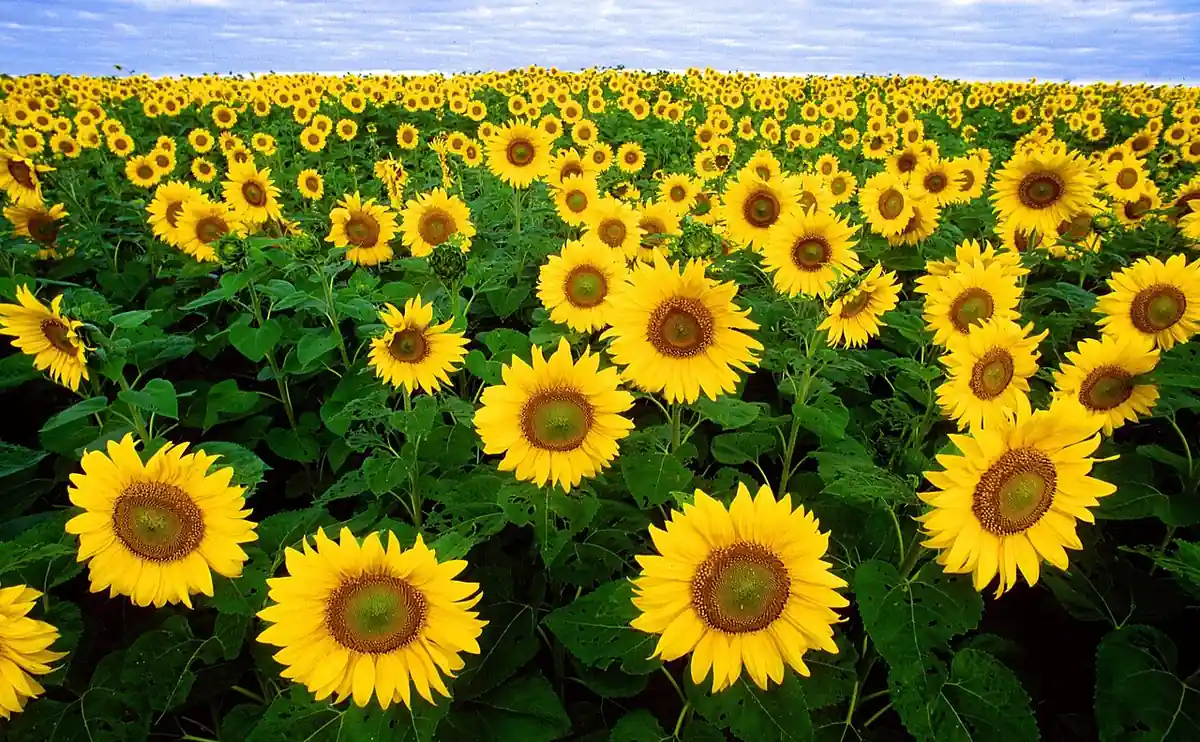
Sunflowers are not toxic to dogs. The ASPCA lists them as non-toxic, and the seeds are safe too — but only plain, shelled, and unsalted, in small amounts.