Are Amaryllis Toxic to Dogs? Symptoms, Bulb Danger, and What to Do
Yes — amaryllis is toxic to dogs.
Amaryllis is toxic to dogs. The ASPCA lists it as toxic, with lycorine as the poison, and the bulb is the most dangerous part. A leaf nibble may cause only vomiting, but eating a bulb can cause tremors, low blood pressure, and breathing trouble.
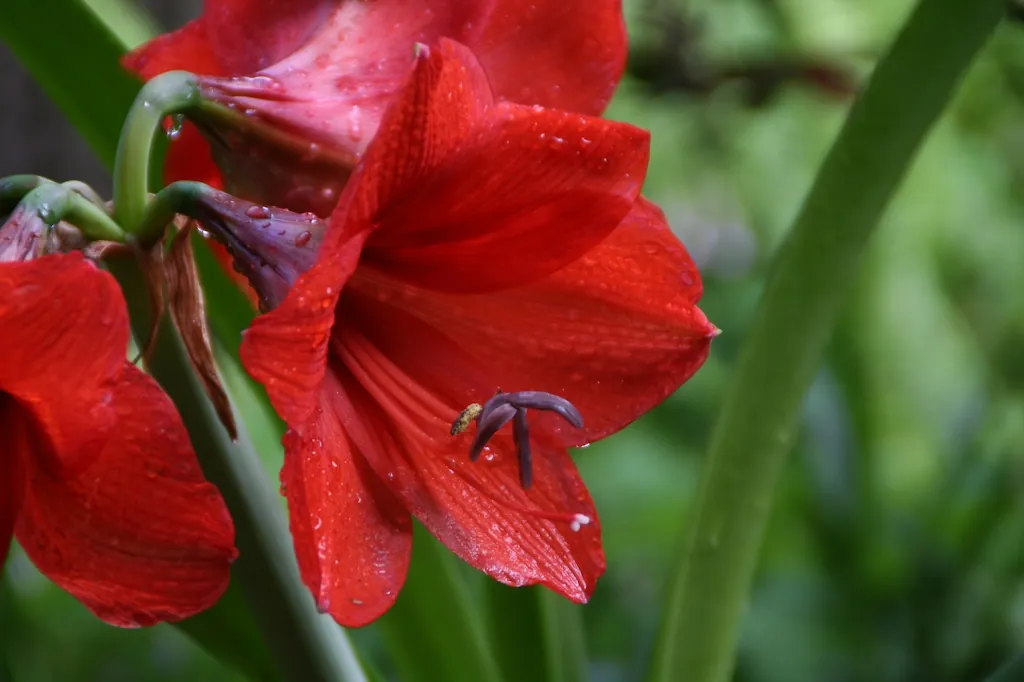

- Item
- Amaryllis
- Scientific name
- Hippeastrum spp.
- Also called
- Amaryllis, Knight's star lily, Holiday amaryllis
- Category
- Plants
- Verdict
- Toxic
- Symptoms start
- Symptoms usually appear within a few hours of eating amaryllis, with vomiting often the first sign. The ASPCA does not give an exact time frame, so watch your dog closely for the first 24 hours after any amaryllis eating, and call your veterinarian right away if a bulb was eaten rather than waiting for symptoms.
Yes, amaryllis is toxic to dogs. The ASPCA lists Amaryllis species as toxic to dogs, cats, and horses, and Pet Poison Helpline lists the same risk for the garden amaryllis sold in American stores, which is usually Hippeastrum rather than true Amaryllis. The poison is lycorine, an alkaloid found in every part of the plant, strongest in the bulb. A dog that chews a leaf may only vomit once, but a dog that eats a bulb can become seriously ill.
Amaryllis is one of the most popular holiday plants in the United States. Bulbs are sold from October through February, often as gift kits, and waxed bulbs that need no watering sit on mantels and tables all winter. That timing is part of the danger: the plant arrives indoors just when a bored dog has hours to investigate it. This page explains the toxin, the symptoms, and what to do.
If your dog ate it — what to do now
- Take the amaryllis away so your dog cannot eat more, and pick up any chewed bulb, leaf, or flower pieces.
- Note which part your dog ate and how much, and save a piece or a photo for the veterinarian.
- Offer a small amount of water to sip if your dog is drooling or pawing at its mouth, but do not force water.
- Call your veterinarian or the ASPCA Animal Poison Control Center at (888) 426-4435 right away (a consultation fee may apply). Do not wait for symptoms if a bulb was eaten.
- Follow the veterinarian's advice, which may include bringing your dog in for decontamination and supportive care.
- Watch your dog closely for the first 24 hours and report any vomiting, diarrhea, drooling, lethargy, or tremors to the veterinarian.
Do not do this
- Do not induce vomiting unless a veterinarian tells you to.
- Do not give milk, food, oil, or home remedies to "dilute" the toxin.
- Do not wait to see if symptoms develop before calling for advice if your dog ate any bulb.
- Do not assume a waxed or gift-boxed bulb is safe — the wax and the box do not remove the toxin.
What makes amaryllis toxic to dogs?
Amaryllis contains lycorine and other phenanthridine alkaloids, the same family of compounds that makes daffodils poisonous. The ASPCA names the toxic principles as lycorine and others, and Pet Poison Helpline describes phenanthridine alkaloids in the leaves, stems, and bulbs that can cause dose-dependent vomiting, low blood pressure, tremors and seizures, and respiratory depression. The more a dog eats, the worse the effects are likely to be.
The plant also contains raphide oxalate crystals, sharp microscopic crystals that irritate the mouth, lips, and tongue when chewed. Pet Poison Helpline notes these crystals are more concentrated in the bulbs, so a bulb delivers both the highest alkaloid dose and the most mouth irritation at once. One naming confusion is worth clearing up: the amaryllis sold in American stores is almost always Hippeastrum, not true Amaryllis, but the ASPCA lists both as toxic to dogs.
- Bulb: the most poisonous part, holding the most lycorine and the most oxalate crystals.
- Leaves and stems: also toxic, at lower concentrations than the bulb.
- Flowers: the large trumpet-shaped blooms contain the same alkaloids, at lower concentrations.
How much amaryllis is dangerous for a dog?
There is no established safe dose for amaryllis, and no published toxic dose in milligrams per kilogram of body weight. No amount is known to be safe, and the risk depends on how much was eaten, which part, and your dog's size. A large dog that nibbles a single leaf is likely to vomit once and recover, while a small dog that eats a whole bulb can face a genuine emergency.
The part matters more than the number of bites. The bulb concentrates the plant's alkaloids, so a mouthful of bulb delivers far more toxin than a mouthful of leaves or flowers. Gift bulbs are especially risky because they arrive bare, without a pot or soil, and a dog can pick one up off a table or out of an open gift box. Puppies are more sensitive than adult dogs, so watch them closely around any bulb.
Symptoms of amaryllis poisoning in dogs
The ASPCA lists the clinical signs of amaryllis poisoning in dogs as vomiting, depression, diarrhea, abdominal pain, hypersalivation, anorexia, and tremors. In plain terms, that means a dog that has eaten amaryllis may drool heavily, vomit, pass loose stool, go off its food, seem quiet and withdrawn, and have a sore belly. Vomiting is usually the first sign.
Larger amounts bring more serious signs. Pet Poison Helpline warns that the alkaloids can cause dose-dependent low blood pressure, tremors and seizures, and respiratory depression, and the ASPCA notes that large ingestions can cause convulsions, low blood pressure, tremors, and heart rhythm problems. Call your veterinarian immediately if your dog is trembling, seems weak or wobbly, is breathing slowly or with effort, or cannot keep water down.
What to do if your dog eats amaryllis
Stay calm and act quickly. Take the amaryllis away so your dog cannot eat more, and pick up any chewed pieces of bulb, leaf, or flower. Note which part was eaten and roughly how much — a whole bulb, a few leaves, or a single flower — and take a photo of the plant or save a piece of it to help the veterinarian identify it. Offer a little water to sip if your dog is drooling, but do not force it.
Call your veterinarian or the ASPCA Animal Poison Control Center at (888) 426-4435 right away. A consultation fee may apply. Describe what your dog ate, how much, and whether it is showing any symptoms. Do not wait for symptoms to appear if a bulb was eaten. Your veterinarian may advise monitoring at home for a small leaf nibble, or may ask you to bring your dog in for decontamination and supportive care, such as fluids and medication to control vomiting.
How to keep your dog safe from amaryllis
Amaryllis is a seasonal risk, and the danger window is short but intense. Bulbs arrive in the house from October through February, often as gifts, and they sit at nose height on tables, mantels, and windowsills while they grow. A dog that has never bothered a houseplant may still investigate a bare bulb that smells of soil.
Store unplanted bulbs in closed boxes on high shelves, and plant them somewhere the dog cannot reach. If guests bring amaryllis as a gift, thank them and move it out of reach right away rather than leaving it on display. Teach a reliable "leave it" cue, and supervise your dog around any new plant until you know it will be ignored.
- Keep gift bulbs and kits boxed up and out of reach until planting time.
- Put potted amaryllis on a high shelf or in a room your dog cannot enter.
- Never leave a bare bulb, a waxed bulb, or a bulb in water where a dog can grab it.
- Clean up fallen leaves, spent flowers, and potting soil right away.
Safe alternatives to amaryllis
If you want winter color without the risk, choose flowering plants the ASPCA lists as non-toxic to dogs. Roses are a classic choice for winter bouquets and holiday arrangements, and moth orchids give you a long-lasting flowering houseplant that blooms for months indoors. Spider plants give you greenery all year without the amaryllis risk. Remember that "non-toxic" does not mean "food": eating any plant material can cause vomiting and stomach upset, so even a safe plant should not become a snack.
How to identify amaryllis in your home and garden
Amaryllis is easy to recognize once you know what to look for. The plant grows from a large, onion-like bulb, often as big as a fist, and sends up a thick, hollow stalk topped with two to six huge trumpet-shaped flowers in red, pink, white, or striped combinations. Long, strap-shaped green leaves appear alongside or after the flowers.
Outdoors, amaryllis is grown in warm parts of the United States, mainly in the South and California, where the bulbs stay in the ground year-round. The main confusion is with daffodils and other spring bulbs, which are also toxic and also carry their poison in the bulb. If your dog has chewed any large bulb you cannot identify, treat it as a possible amaryllis or daffodil eating and call your veterinarian.
Symptoms to watch for
- Vomiting
- Diarrhea
- Excessive drooling (hypersalivation)
- Abdominal pain
- Loss of appetite
- Depression or lethargy
- Tremors (especially after eating the bulb or a large amount)
- Low blood pressure, seizures, or breathing trouble (large amounts only)
Vomiting and drooling are usually the first signs, often within a few hours. Tremors, weakness, slow breathing, or an irregular heartbeat after a bulb eating are serious signs that need a veterinarian immediately.
Safe alternatives
- Roses — Listed as non-toxic to dogs by the ASPCA, and a classic choice for winter bouquets and holiday arrangements.
- Orchids — Moth orchids are listed as non-toxic to dogs by the ASPCA, and give you a long-lasting flowering houseplant for winter.
- Spider plants — Listed as non-toxic to dogs by the ASPCA, and an easy, hardy plant for indoors.
What about cats? Amaryllis is toxic to cats as well as dogs. The ASPCA lists the same toxic rating for cats, and Pet Poison Helpline notes the same dose-dependent signs. Keep amaryllis away from cats too, and call your veterinarian right away if a cat has chewed any part of one, especially the bulb.
Frequently asked questions
Are amaryllis bulbs poisonous to dogs?
The bulb is the most dangerous part of the plant. It holds the highest concentration of lycorine and other alkaloids, plus the most oxalate crystals. A dog that chews or swallows bulb tissue is at much greater risk than a dog that nibbles a leaf or flower, and a bulb eating should always be treated as an emergency — call your veterinarian or the ASPCA Animal Poison Control Center at (888) 426-4435 right away.
Is the amaryllis sold in stores the same as the toxic one?
No. The ASPCA lists amaryllis as toxic to dogs, cats, and horses, and Pet Poison Helpline lists the same risk for the garden amaryllis sold in stores, which is usually Hippeastrum. The name on the box does not change the risk: if it is sold as amaryllis, treat it as toxic and keep it out of your dog's reach.
Are waxed amaryllis bulbs safe for dogs?
A waxed amaryllis bulb is still an amaryllis bulb, and it is still toxic. The wax coating only replaces the pot and soil; it does nothing to remove the lycorine inside. Keep waxed bulbs on high shelves or behind closed doors, and never leave one on the floor or a low table where a dog can reach it.
My dog ate amaryllis — what should I do?
Take the plant away, note which part your dog ate and how much, and call your veterinarian or the ASPCA Animal Poison Control Center at (888) 426-4435 right away — especially if any bulb was eaten. Do not wait for symptoms to appear. Watch for vomiting, diarrhea, drooling, abdominal pain, lethargy, and tremors over the next 24 hours.
Sources
- ASPCA Poison Control — Amaryllis
- Pet Poison Helpline — Amaryllis Are Toxic To Pets
- ASPCA Poison Control — Toxic and Non-Toxic Plant List — Dogs
- University of Georgia Extension — Keep these toxic plants away from your pets
Related guides
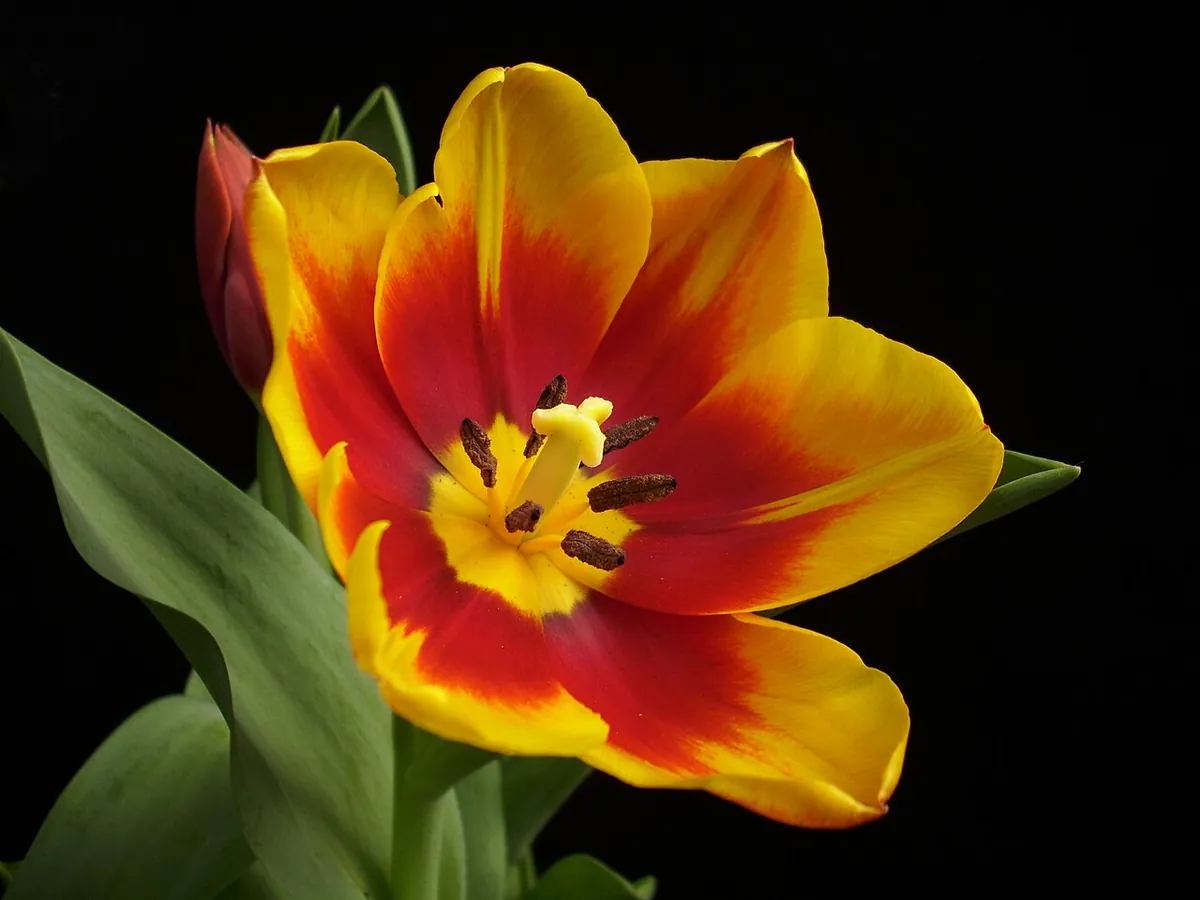
Tulips are toxic to dogs. Every part of the plant contains tulipalin A and B, but the bulb holds the highest concentration, so a dog that digs up and eats bulbs faces the greatest risk.
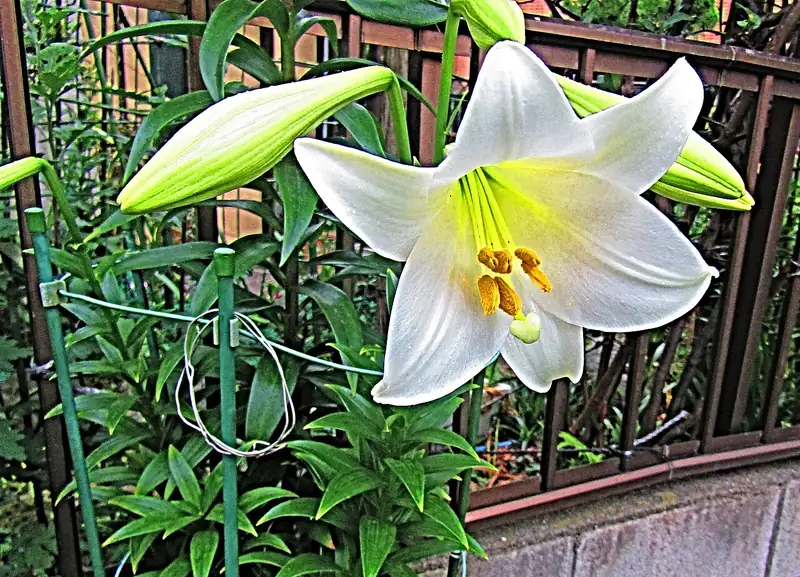
Lilies can poison dogs, usually causing vomiting, diarrhea, and drooling. True lilies are far more dangerous to cats, where they can cause fatal kidney failure. If your dog eats any lily, call your vet.
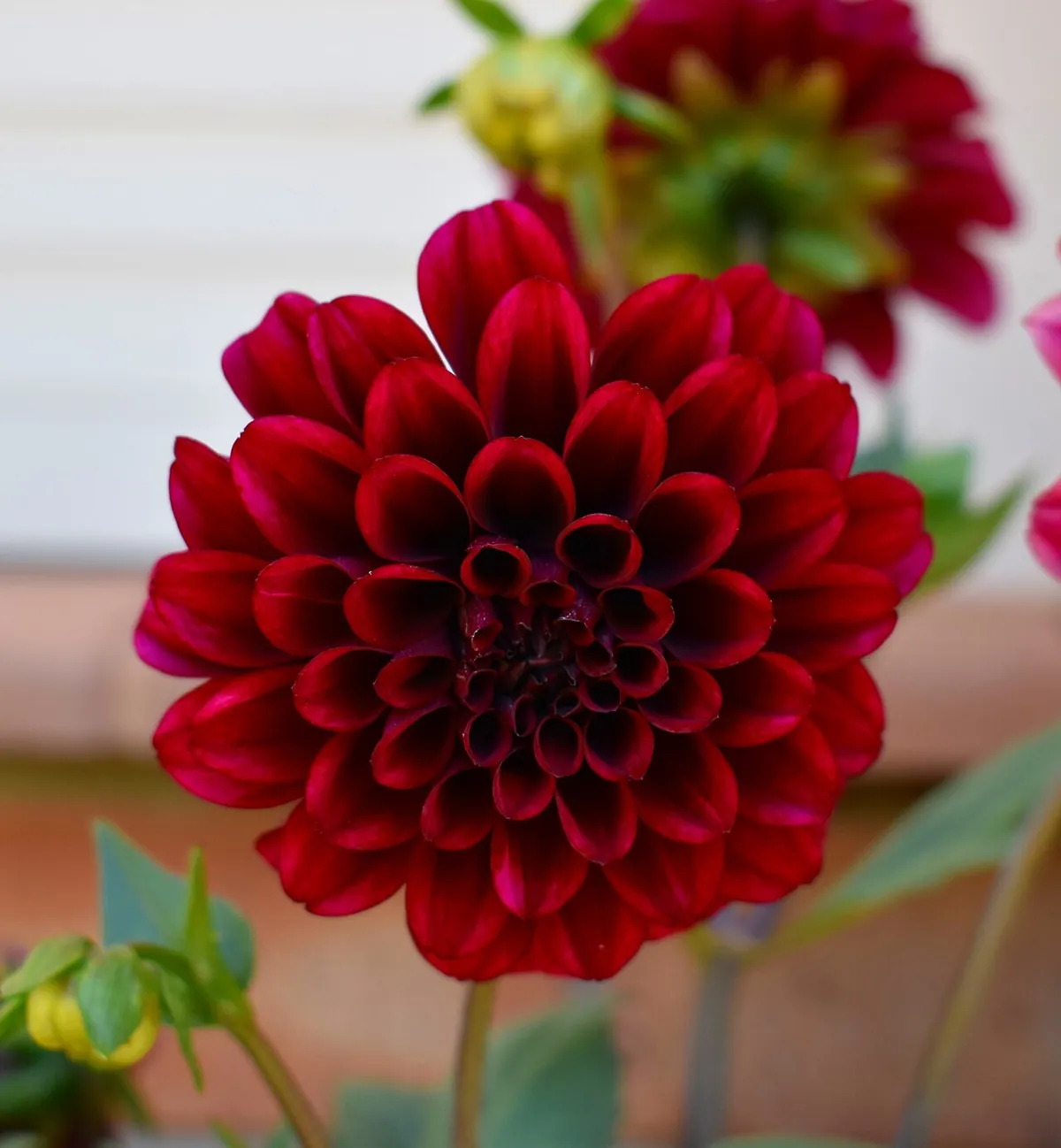
Dahlias are mildly toxic to dogs. The ASPCA lists Dahlia species as toxic, with mild stomach upset and mild skin irritation as the expected effects — not organ damage.
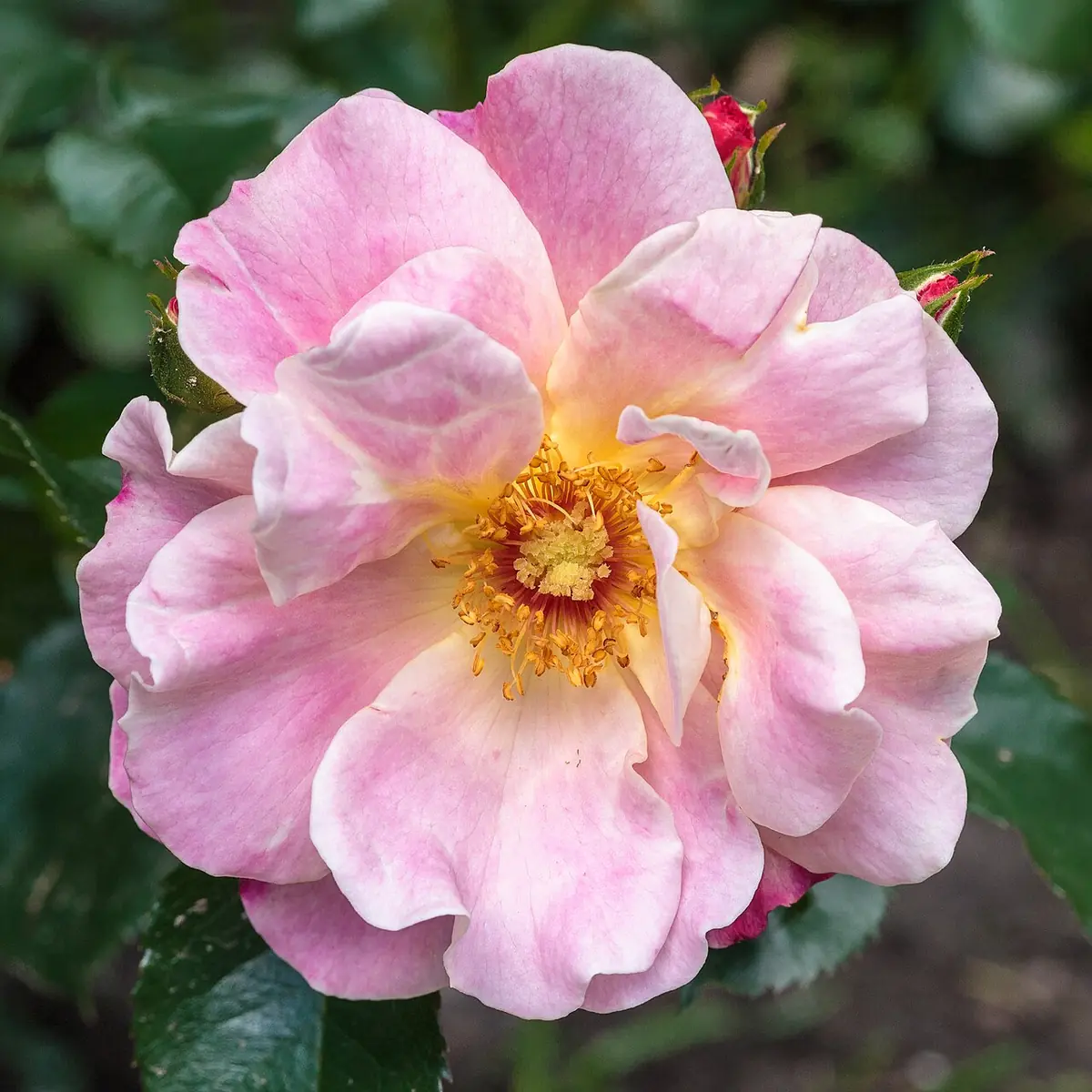
The ASPCA lists roses (Rosa species) as non-toxic to dogs, cats, and horses. The real risks are the thorns and any pesticides, fertilizers, or flower food on the plant.