Is Salvia Toxic to Dogs? What Every Owner Should Know
Most garden salvias are not toxic to dogs — but check the species first.
The ASPCA lists garden sage (Salvia officinalis) and scarlet sage (Salvia coccinea) as non-toxic to dogs. The caution is for the rest of the genus: not every species is listed, Salvia divinorum is psychoactive, lantana is sold as yellow or red sage and is toxic, and sage essential oil is concentrated and unsafe for dogs.
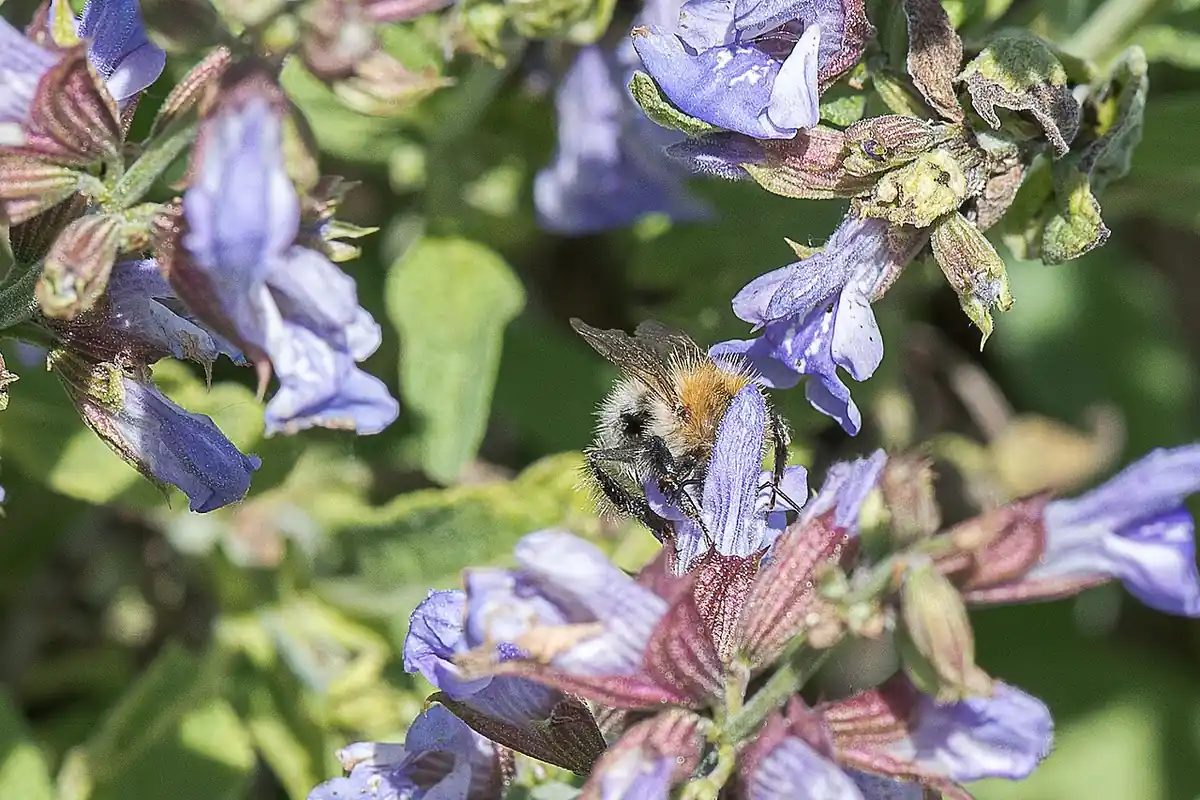

- Item
- Salvia / Sage
- Scientific name
- Salvia spp.
- Also called
- Salvia, Sage, Garden sage, Common sage, Scarlet sage, Autumn sage
- Category
- Plants
- Verdict
- Caution
- Symptoms start
- There is no poisoning onset time for garden salvia because the listed species contain no toxin. Mild stomach upset, if it occurs after eating a large amount, usually appears within a few hours. No source reviewed gives a time window for Salvia divinorum or sage essential oil in dogs.
Most garden salvias are not toxic to dogs, but the word salvia covers hundreds of species, and not all of them have been checked. The ASPCA lists garden sage, Salvia officinalis, and scarlet sage, Salvia coccinea, as non-toxic to dogs, cats, and horses. That covers the salvias most people actually plant.
This page uses the caution verdict anyway, because the genus is huge, the ASPCA has only listed a few species by name, and three things confused with garden sage are genuinely risky: Salvia divinorum, a psychoactive species; lantana, sold as yellow or red sage; and concentrated sage essential oil. Check the species before you relax.
If your dog ate it — what to do now
- Find out exactly which plant your dog ate — check the plant tag for the scientific name, and keep it or take a photo of the flowers, leaves, and tag.
- Watch your dog for the next few hours for vomiting, diarrhea, or unusual behavior; most nibbles of garden salvia need no treatment beyond watching.
- Call your veterinarian or the ASPCA Animal Poison Control Center at (888) 426-4435 right away (a consultation fee may apply) if your dog ate a large amount, the species is unknown, or it may have been Salvia divinorum, lantana, or sage essential oil.
- Tell them the scientific name if you know it, how much your dog ate, when it happened, and your dog's weight.
- Bring the plant, the tag, or the oil bottle with you if your veterinarian asks to see it, and follow their instructions exactly.
Do not do this
- Do not induce vomiting unless a veterinarian tells you to.
- Do not give home remedies, milk, or activated charcoal on your own.
- Do not give your dog sage essential oil, tinctures, or supplements, and do not apply essential oils to its skin or fur.
- Do not assume a plant is a safe salvia just because sage or salvia is in its name — check the scientific name first.
- Do not diffuse sage oil in a closed room with your dog, and do not burn sage directly around your dog.
Why the garden salvias are considered safe
Salvia is one of the largest plant genera in the world, with hundreds of species in the mint family, Lamiaceae. The ASPCA has listed only a few by name, and the two it lists are both non-toxic: garden sage, Salvia officinalis, and scarlet sage, Salvia coccinea, also called Texas sage. Both are listed as non-toxic to dogs, cats, and horses, with no toxic principle named.
The salvias people plant in gardens and herb beds fall in the same safe column. Autumn sage, Salvia greggii, and mealy blue sage, Salvia farinacea, are not on the ASPCA toxic plant list for dogs, cats, or horses. PetMD also names sage among the herbs it considers safe for dogs.
That safety rating covers the plant itself: the leaves, stems, and flowers of garden sage are all considered non-toxic. It does not cover every species in the genus, or concentrated products made from the plant. The rest of this page is about those gaps.
How much salvia is dangerous for a dog?
There is no established toxic dose for garden salvia, because the listed species contain no toxin to measure a dose against. A few nibbled leaves are not expected to poison a dog, and most dogs show no symptoms at all. Veterinary sources agree sage is safe for dogs only in small amounts, occasionally, and after checking with a vet.
Amount still matters. Sage leaves are strongly flavored, and eating a large amount can cause vomiting or diarrhea, just as eating a large amount of any plant material can. There is no published amount that marks the line between a nibble and too much, so do not feed sage to your dog on purpose.
The dose question is completely different for concentrated sage products. Sage essential oil, tinctures, and supplements contain the plant's volatile compounds at far higher levels than the leaves do, and there is no safe amount of those for a dog.
Symptoms to watch for after a dog eats salvia
Most dogs show no symptoms after nibbling garden salvia. When symptoms do appear, they are usually mild and digestive: vomiting, diarrhea, or a brief loss of appetite after eating a large amount of leaves. They usually settle on their own within a day.
The symptoms to take seriously are the ones linked to the exceptions in this article. A dog that eats Salvia divinorum may show disorientation, agitation, drooling, vomiting, or tremors. A dog exposed to sage essential oil may show vomiting, lethargy, tremors, or seizures, according to veterinary sources that warn about thujone, a volatile compound concentrated in the oil. A dog that eats lantana, the toxic plant sold as yellow or red sage, may show vomiting, diarrhea, weakness, and labored breathing.
What to do if your dog eats salvia
Stay calm and find out exactly which plant your dog ate. Check the plant tag for the scientific name, and keep it or take a photo of the flowers, leaves, and tag. If it was garden sage or scarlet sage and your dog only nibbled a few leaves, no treatment is usually needed beyond watching your dog for the next few hours.
Call your veterinarian or the ASPCA Animal Poison Control Center at (888) 426-4435 right away (a consultation fee may apply) if your dog ate a large amount, if you do not know which species it was, or if it may have been Salvia divinorum, lantana, or sage essential oil. Tell them the scientific name if you know it, how much your dog ate, when it happened, and your dog's weight.
Do not wait for symptoms if the plant was divinorum, lantana, or an essential oil. Follow your vet's instructions exactly, and take your dog to the vet or an emergency clinic if they tell you to. Bring the plant, the tag, or the oil bottle with you.
How to keep your dog safe around salvia
Garden salvia and dogs can share a yard with very little planning. Plant salvia in sunny beds and borders, and teach your dog to leave the herb bed alone, offering a chew toy instead. The strong scent usually keeps dogs away on its own. Keep the plant tag, so you always know the scientific name of what is growing there.
Store sage essential oil, tinctures, and supplements where your dog cannot reach them, and never apply essential oils to your dog's skin or fur. Do not diffuse sage oil in a closed room with your dog, and do not burn sage directly around your dog: smoke of any kind can irritate a dog's lungs and eyes.
Check the label on any spray or fertilizer you use near the salvia, and keep your dog away from freshly sprayed plants until they are dry. If you buy potted salvia, ask whether it was treated with a long-lasting systemic pesticide before you bring it home.
Salvias and lookalikes that are not safe
Three confusions cause almost all the trouble with salvia. The first is Salvia divinorum, also called diviner's sage. It is a tropical species that contains the psychoactive compound salvinorin A and is used as a hallucinogen. It is not sold as landscaping and is not a garden salvia. Do not plant it where a dog can reach it, and if your dog eats it, call your veterinarian or poison control right away.
The second is lantana, Lantana camara. It is sold as yellow sage, red sage, or shrub verbena, but it is not a salvia at all: it belongs to the verbena family. The ASPCA lists it as toxic to dogs, cats, and horses, with pentacyclic triterpenoids as the toxic principles and vomiting, diarrhea, labored breathing, and weakness as the signs. If your dog ate a plant labeled yellow sage or red sage, treat it as lantana until you confirm otherwise.
The third is the gap in the list itself. The ASPCA has only listed a few Salvia species by name, so a salvia that is not on either list has simply not been checked. White sage, Salvia apiana, for example, does not appear on the ASPCA lists. Before planting an unlisted salvia, search the ASPCA plant database by its scientific name or ask your veterinarian.
Safe alternatives to salvia
If you want a herb garden your dog can share, several kitchen herbs are listed as non-toxic to dogs by the ASPCA. Basil and rosemary are safe choices, and mint is non-toxic in small amounts, although mint essential oil should be kept away from dogs just like sage oil. For flowers, roses and spider plants are both listed as non-toxic to dogs.
Whatever you choose, keep the same habits: keep the scientific name on the tag, check for sprays, store essential oils and supplements out of reach, and do not let your dog eat large amounts of any plant.
Symptoms to watch for
- No symptoms (most dogs, garden salvia)
- Mild vomiting
- Diarrhea
- Brief loss of appetite
- Drooling (large amount, divinorum, or oil exposure)
- Disorientation or agitation (Salvia divinorum)
- Tremors (divinorum or sage essential oil)
- Lethargy
- Seizures (sage essential oil, reported risk)
- Weakness and labored breathing (lantana, the toxic lookalike)
Most dogs show no symptoms after nibbling garden salvia; serious signs point to Salvia divinorum, sage essential oil, or lantana, and need a veterinarian right away.
Safe alternatives
- Basil — A kitchen herb the ASPCA lists as non-toxic to dogs.
- Rosemary — A kitchen herb the ASPCA lists as non-toxic to dogs.
- Mint — A kitchen herb, non-toxic to dogs in small amounts; keep essential oil away from dogs.
- Roses — Listed as non-toxic to dogs by the ASPCA; thorns can injure a mouth or paw.
- Spider plants — Listed as non-toxic to dogs by the ASPCA and easy to hang out of reach.
What about cats? The salvias the ASPCA lists are also listed as non-toxic to cats, and the same species cautions apply. Salvia divinorum and concentrated sage essential oil are not safe for cats either, and smoke from burning sage can irritate a cat's lungs and eyes. Keep essential oils, supplements, and any unidentified salvia away from cats as well.
Frequently asked questions
Is salvia toxic to dogs?
The salvias the ASPCA lists are not toxic to dogs. Garden sage (Salvia officinalis) and scarlet sage (Salvia coccinea) are both listed as non-toxic to dogs, cats, and horses. This page uses the caution verdict because the genus is very large, not every species is listed, and a few lookalikes and concentrated products are a real risk.
Can dogs eat sage?
Yes, in small amounts occasionally and only according to your vet's advice. The ASPCA lists all parts of garden sage as non-toxic, but it is a strongly flavored herb, not dog food, and too much can cause vomiting or diarrhea. Never give sage essential oil, tinctures, or supplements to a dog.
Is Salvia divinorum the same as garden sage?
No. Salvia divinorum is a different species from garden sage. It contains the psychoactive compound salvinorin A, is used as a hallucinogen, and is not sold as a garden plant. If your dog eats it, call your veterinarian or poison control right away.
Is sage essential oil safe for dogs?
Do not use it on or around your dog. Sage essential oil is highly concentrated, contains thujone and other volatile compounds, and veterinary sources warn it can cause vomiting, tremors, or seizures. Do not apply it to your dog's skin or fur, and do not diffuse it in a closed room with your dog.
Sources
- ASPCA Poison Control — Sage
- ASPCA Poison Control — Texas Sage
- Dogster — Can Dogs Eat Sage? Vet Approved Facts & FAQ
- PetMD — 29 Flowers and Plants That Are Safe for Dogs
- Pollinator Patch — Is Salvia Toxic to Dogs?
Related guides
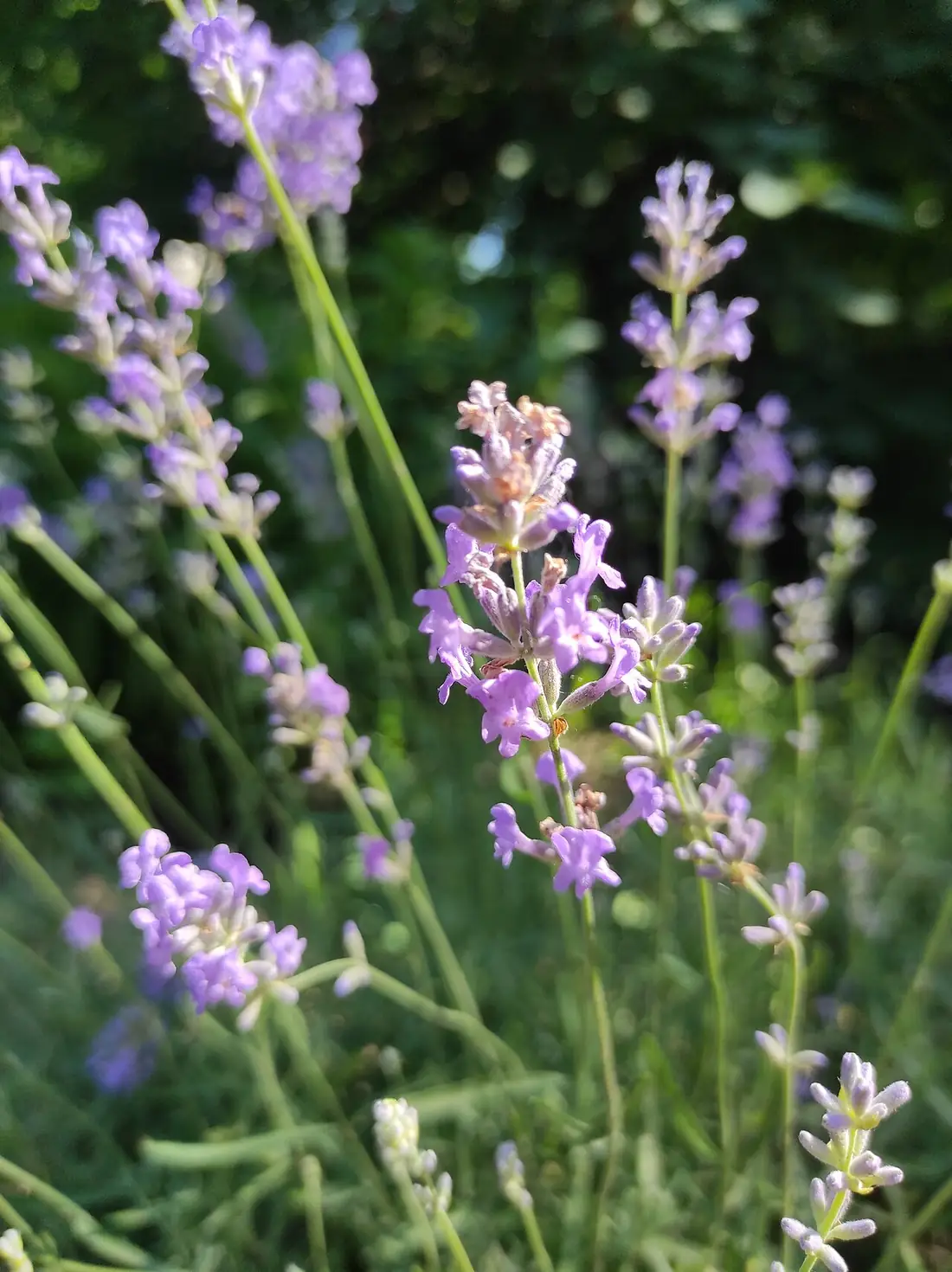
The ASPCA lists lavender as toxic to dogs. Eating the plant usually causes only mild stomach upset, but concentrated lavender essential oil is a much bigger risk and should never be swallowed or put on your dog.
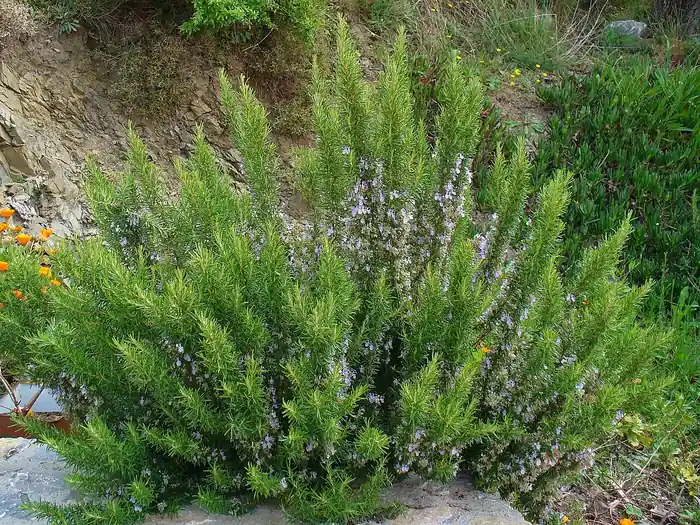
Rosemary, the fresh or dried herb, is listed as non-toxic to dogs by the ASPCA. Large amounts can still upset the stomach, and concentrated rosemary essential oil is a different matter — never apply it to your dog or let them swallow it.
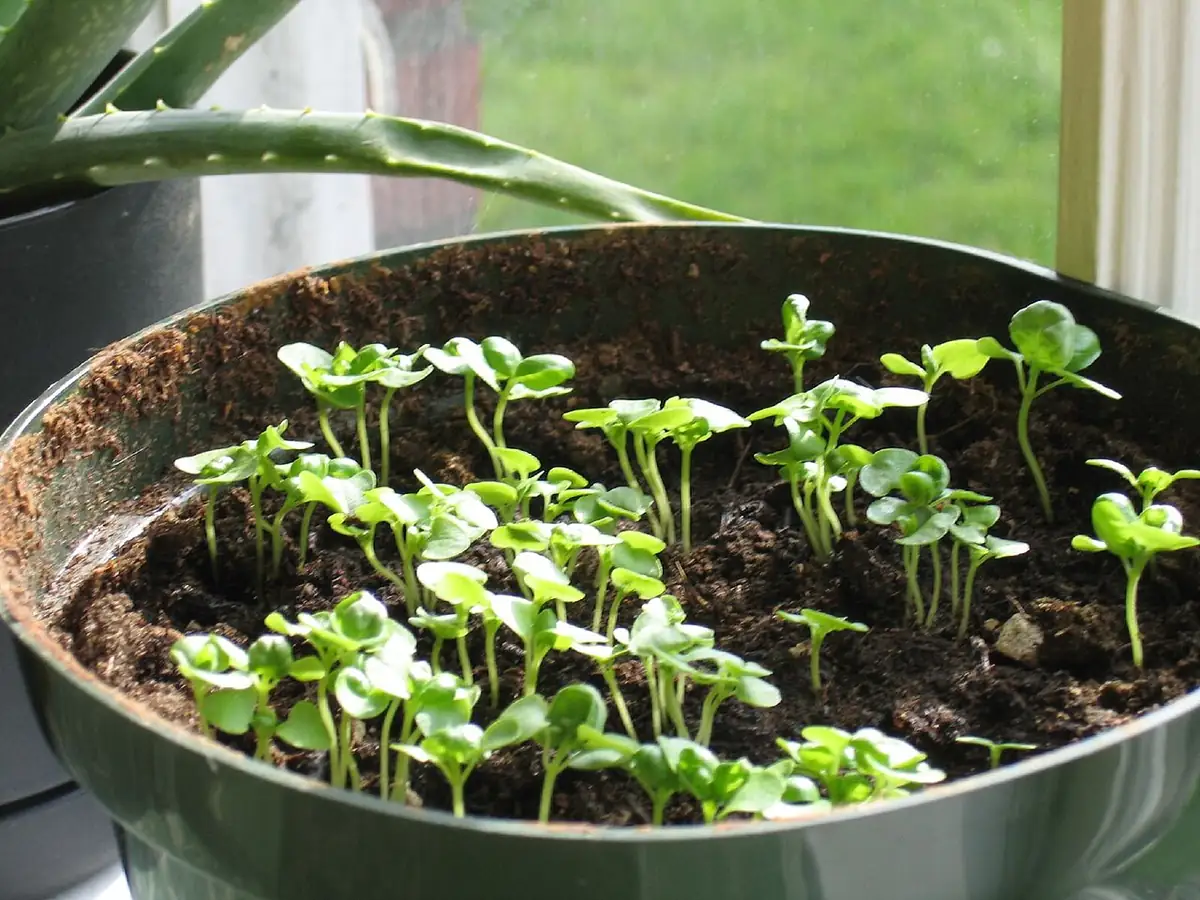
The ASPCA lists sweet basil (Ocimum basilicum) as non-toxic to dogs, and PetMD includes it among safe herbs. A few fresh leaves are fine; a large amount may cause mild stomach upset. Basil essential oil is a different product and should never be given to a dog.
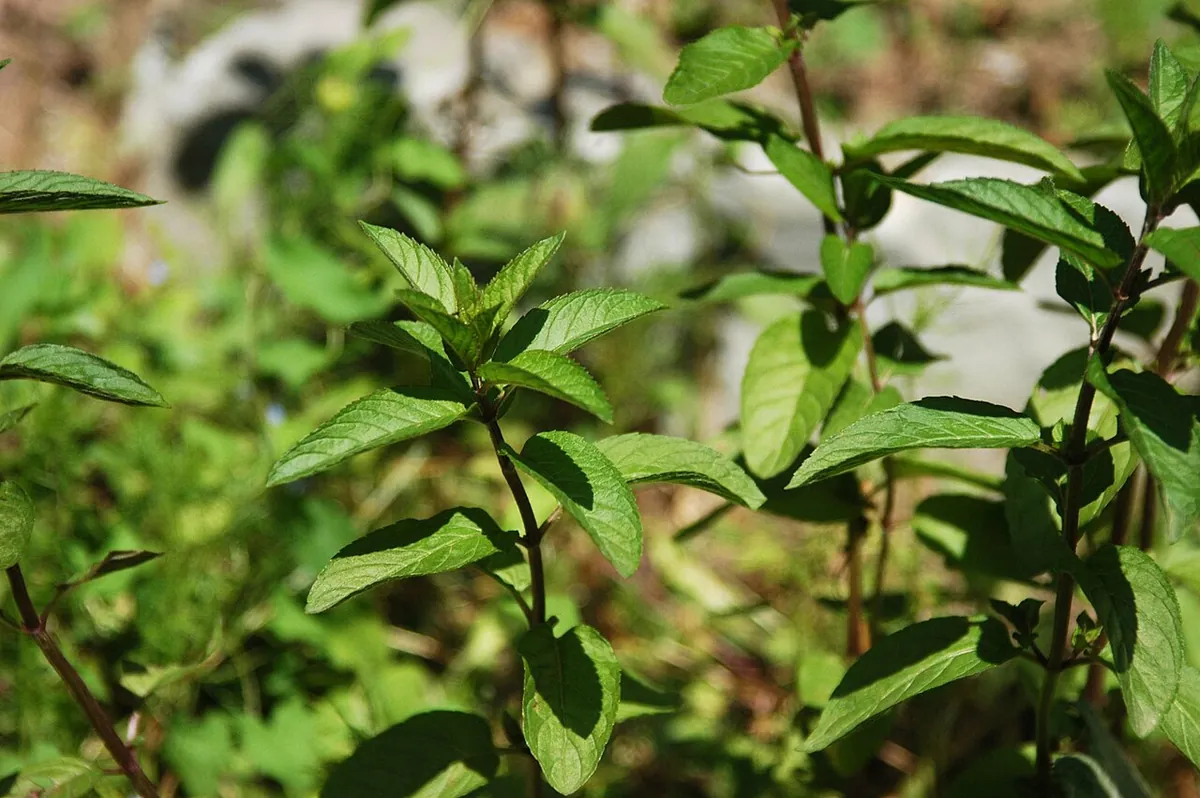
A few plain peppermint or spearmint leaves are unlikely to harm most healthy dogs, but the ASPCA lists mint as toxic because of its essential oils, and large amounts cause vomiting and diarrhea. Pennyroyal, concentrated mint oil, and xylitol-sweetened mint products are genuinely dangerous. When in doubt, call your vet.