Are Hostas Toxic to Dogs? What Every Owner Should Know
Yes — hostas are toxic to dogs.
The ASPCA lists hosta as toxic to dogs, cats, and horses. Its saponins cause vomiting, diarrhea, and lethargy. Most cases are mild, but a dog that eats a large amount needs veterinary advice.

- Item
- Hostas
- Scientific name
- Hosta spp.
- Also called
- Hosta, Plantain lily, Funkia
- Category
- Plants
- Verdict
- Toxic
- Symptoms start
- Symptoms usually appear within a few hours of eating the plant, according to veterinary guides. The ASPCA and Pet Poison Helpline do not give a specific onset time.
Hostas are the classic shade-garden plant: big, lush leaves that thrive exactly where little else grows. They are also one of the most common garden plants that dog owners do not realize are toxic. The answer to the question are hostas toxic to dogs is yes. The ASPCA lists hosta as toxic to dogs, cats, and horses, and Pet Poison Helpline describes the same risk.
The good news is that hosta poisoning in dogs is usually mild. The plant's saponins irritate the stomach and gut, and most dogs recover with nothing worse than a day of vomiting and diarrhea. Still, a large amount, or any amount for a small dog, should be taken seriously.
If your dog ate it — what to do now
- Move your dog away from the hosta and remove any leaves still in its mouth.
- Check how much of the plant is missing so you can tell the veterinarian.
- Call your veterinarian or ASPCA Animal Poison Control Center at (888) 426-4435 (a consultation fee may apply), especially if your dog ate a large amount, is small or young, or is showing symptoms.
- Keep small amounts of water available and watch your dog closely for the next 24 hours.
- Seek veterinary care promptly if vomiting or diarrhea is repeated, there is blood in the vomit or stool, your dog cannot keep water down, or symptoms last longer than a day.
Do not do this
- Do not induce vomiting unless a veterinarian tells you to.
- Do not give milk, food, or any home remedy to settle your dog's stomach.
- Do not wait for symptoms to appear if your dog ate a large amount — call for advice right away.
- Do not use slug and snail bait, fertilizers, or sprays where your dog can reach them.
- Do not use home remedies as a substitute for veterinary care.
What makes hostas toxic to dogs?
Hostas contain saponins, natural compounds the plant uses to defend itself against animals that try to eat it. The ASPCA names saponins as the toxic principle of hosta, listing the plant as toxic to dogs, cats, and horses. Pet Poison Helpline says the same thing in plainer terms: hosta plants contain saponin phytochemicals, and eating them leads to stomach and gut distress and neurological signs such as lethargy and depression.
Saponins irritate the lining of the stomach and intestines, which is why the main symptoms are vomiting and diarrhea. They can also affect the nervous system, which is why some dogs become quiet, tired, and uninterested in food. All parts of the plant carry saponins, including the leaves, stems, flowers, and roots, so there is no safe part for a dog to chew.
How much hosta is dangerous for dogs?
There is no established toxic dose for hostas in dogs. Neither the ASPCA nor Pet Poison Helpline gives a number of leaves or a weight of plant that is safe, so there is no amount you can count on being harmless. In general, the more a dog eats, and the smaller the dog, the worse the symptoms are likely to be. A large dog that takes one bite of a leaf will probably have no symptoms at all, while a small dog or puppy that chews through several leaves can have a miserable day of vomiting and diarrhea.
Because there is no safe dose, the practical rule is to treat any hosta eating as worth a call to your veterinarian, and to act faster when the amount was large or the dog is small, young, or already unwell. Tell your vet how much is missing, when your dog ate it, and your dog's weight.
Symptoms of hosta poisoning in dogs
The ASPCA lists three clinical signs for hosta: vomiting, diarrhea, and depression. Pet Poison Helpline adds lethargy and loss of appetite to the same picture. In practice, the first sign is usually vomiting, often within a few hours of eating the plant, followed by loose stools or diarrhea. Some dogs drool or lose their appetite first.
A dog that is affected usually looks quieter and more tired than normal, and this usually passes as the stomach settles. Most mild cases improve within 12 to 24 hours as the plant material passes through the system. Call your veterinarian promptly if vomiting or diarrhea is repeated, if there is blood in the vomit or stool, if your dog cannot keep water down, if it is very lethargic, or if symptoms last longer than a day.
What to do if your dog eats hostas
Stay calm and remove your dog from the plant so it cannot eat any more. Take away any leaves still in its mouth, and check how much of the plant is missing so you can tell the veterinarian. Do not try to make your dog vomit, and do not give it milk, food, or any home remedy to settle its stomach.
Call your veterinarian or ASPCA Animal Poison Control Center at (888) 426-4435 (a consultation fee may apply) for advice, especially if your dog ate a large amount, is small or young, or is already showing symptoms. In most cases, the advice will be to watch your dog at home and keep it comfortable, with small amounts of water available. Treatment, when it is needed, is usually supportive: fluids, anti-vomiting medication, and monitoring. Watch your dog closely for the next 24 hours, and seek veterinary care sooner if symptoms get worse.
How to keep your dog safe around hostas
Hostas and dogs can share a garden with a little planning. The simplest step is to put hostas where your dog does not go. Grow them in raised beds, tall containers, or behind low fencing, and keep them out of the paths and play areas your dog uses every day. Puppies and young dogs are the most likely to chew plants, so supervise them in the garden until they learn to leave plants alone, and teach a reliable leave-it command. Offer a chew toy instead.
Clear fallen and dead leaves from paths and beds, since dogs can still chew them, and fence off the bed in autumn when you cut the plants back. Garden chemicals deserve attention too. Slug and snail bait is a common garden product, and its active ingredient, metaldehyde, can cause tremors, seizures, and dangerously high body temperature in pets. Keep slug bait, fertilizers, and sprays locked away, and keep your dog off treated beds until they are dry.
How to identify hostas
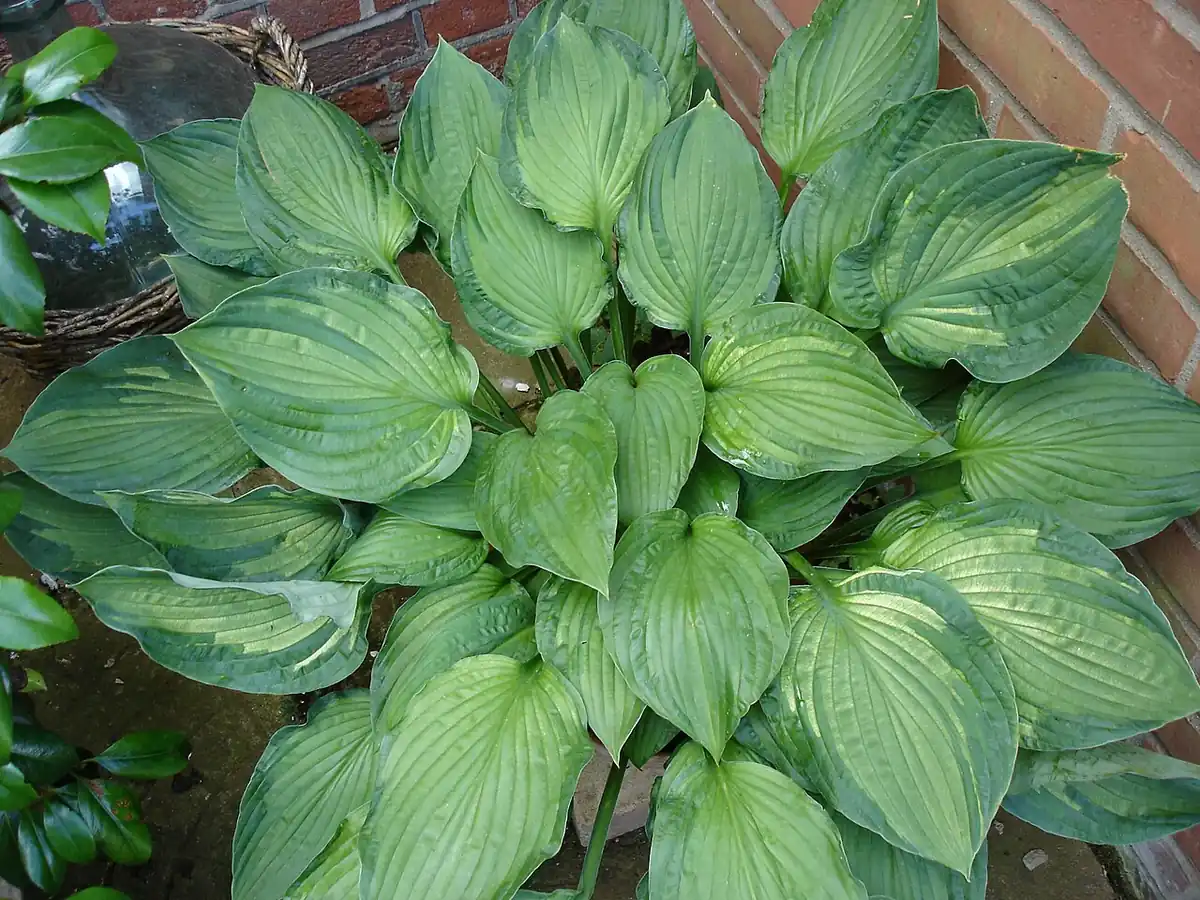
Hostas are easy to recognize once you know what to look for. They grow as low mounds of large, broad, oval leaves that spread out from a central crown, and the leaves often have a ribbed or wavy texture. Many varieties are solid green, blue-green, or gold, while others are variegated with white or cream edges and centers. In summer, tall stalks rise above the leaves carrying bell-shaped flowers in white, lavender, or purple.
The common name plantain lily causes confusion, because hostas are not true lilies. The ASPCA notes that only a few lilies, Asiatic lilies, Easter lilies, and daylilies, affect a cat's kidneys, and hostas are not among them. Hosta poisoning in dogs is generally limited to stomach upset and lethargy, not kidney failure. That distinction matters, but it does not make hostas safe.
Safe alternatives to hostas
If you want the same lush, leafy look without the risk, several plants fit the bill. Spider plants are shade-tolerant, trail nicely from hanging baskets or containers, and the ASPCA lists them as non-toxic to dogs. Boston ferns give you the same full, green mound in a shady spot and are also non-toxic. For color in the garden, marigolds, sunflowers, and roses are all listed as non-toxic to dogs by the ASPCA, though roses need care because of their thorns.
Whatever you plant, keep new plants out of reach until your dog learns to leave them alone, and check that any fertilizer or pest control you use is safe around pets.
Symptoms to watch for
- Vomiting
- Diarrhea
- Depression (low mood, quiet behavior)
- Lethargy
- Loss of appetite
- Drooling
- Lip licking or nausea
- Abdominal discomfort
- Repeated vomiting (seek vet care)
- Blood in vomit or stool (seek vet care)
Vomiting and diarrhea usually appear within a few hours and most mild cases improve within 12 to 24 hours as the plant material passes through.
Safe alternatives
- Spider plants — A shade-tolerant houseplant the ASPCA lists as non-toxic to dogs.
- Boston ferns — A lush, leafy plant for shady spots that is non-toxic to dogs.
- Marigolds — A hardy garden flower the ASPCA lists as non-toxic to dogs.
- Sunflowers — A tall, cheerful garden plant that is safe for dogs.
- Roses — A classic garden plant the ASPCA lists as non-toxic to dogs — watch the thorns.
What about cats? Hostas are toxic to cats as well as dogs. The ASPCA lists hosta as toxic to dogs, cats, and horses, and Pet Poison Helpline describes the same stomach upset and lethargy in cats. Keep hostas out of reach of cats, and remember that true lilies, which are sometimes planted near hostas, can cause kidney failure in cats.
Frequently asked questions
Are hostas toxic to dogs?
Yes. The ASPCA lists hosta as toxic to dogs, cats, and horses, and Pet Poison Helpline says hostas contain saponin compounds that cause stomach upset and lethargy. Most cases are limited to vomiting and diarrhea, but any dog that eats hosta should be watched and checked by a veterinarian if symptoms appear.
How quickly do hosta poisoning symptoms appear?
Usually within a few hours of eating the plant. The most common first signs are vomiting and diarrhea, sometimes with drooling or a loss of appetite. The ASPCA and Pet Poison Helpline do not give a specific onset time, so do not wait for symptoms before calling your veterinarian if your dog ate a large amount.
Are hostas as dangerous as lilies?
No. Despite the common name plantain lily, hostas are not true lilies. True lilies in the Lilium and Hemerocallis genera can cause kidney failure, especially in cats, while hosta poisoning in dogs is generally limited to stomach upset and lethargy. That does not make hostas safe — they are still toxic and still need a veterinarian's attention.
Are dead hosta leaves still toxic to dogs?
The saponins remain in the plant, but most dogs are less interested in dry leaves than in fresh, juicy growth. Clear fallen and dead hosta leaves from paths and beds so your dog cannot chew them, and fence off the bed in autumn when you cut the plants back.
Sources
- ASPCA Poison Control — Plantain Lily (Hosta)
- Pet Poison Helpline — Hosta
- ASPCA — Internet Myths and Rumors: Pet Toxin Edition
- The Hosta Farm — Are Hostas Poisonous? Dogs, Cats, Horses, Goats and Humans
Related guides
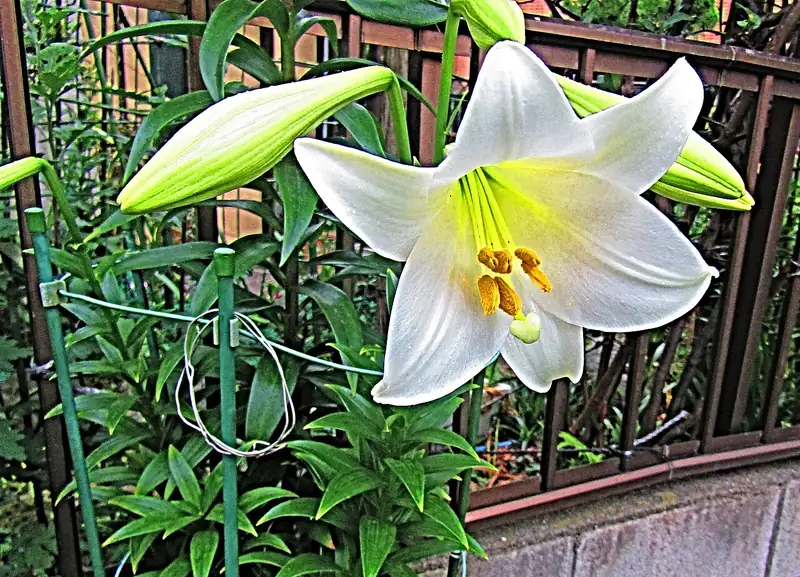
Lilies can poison dogs, usually causing vomiting, diarrhea, and drooling. True lilies are far more dangerous to cats, where they can cause fatal kidney failure. If your dog eats any lily, call your vet.
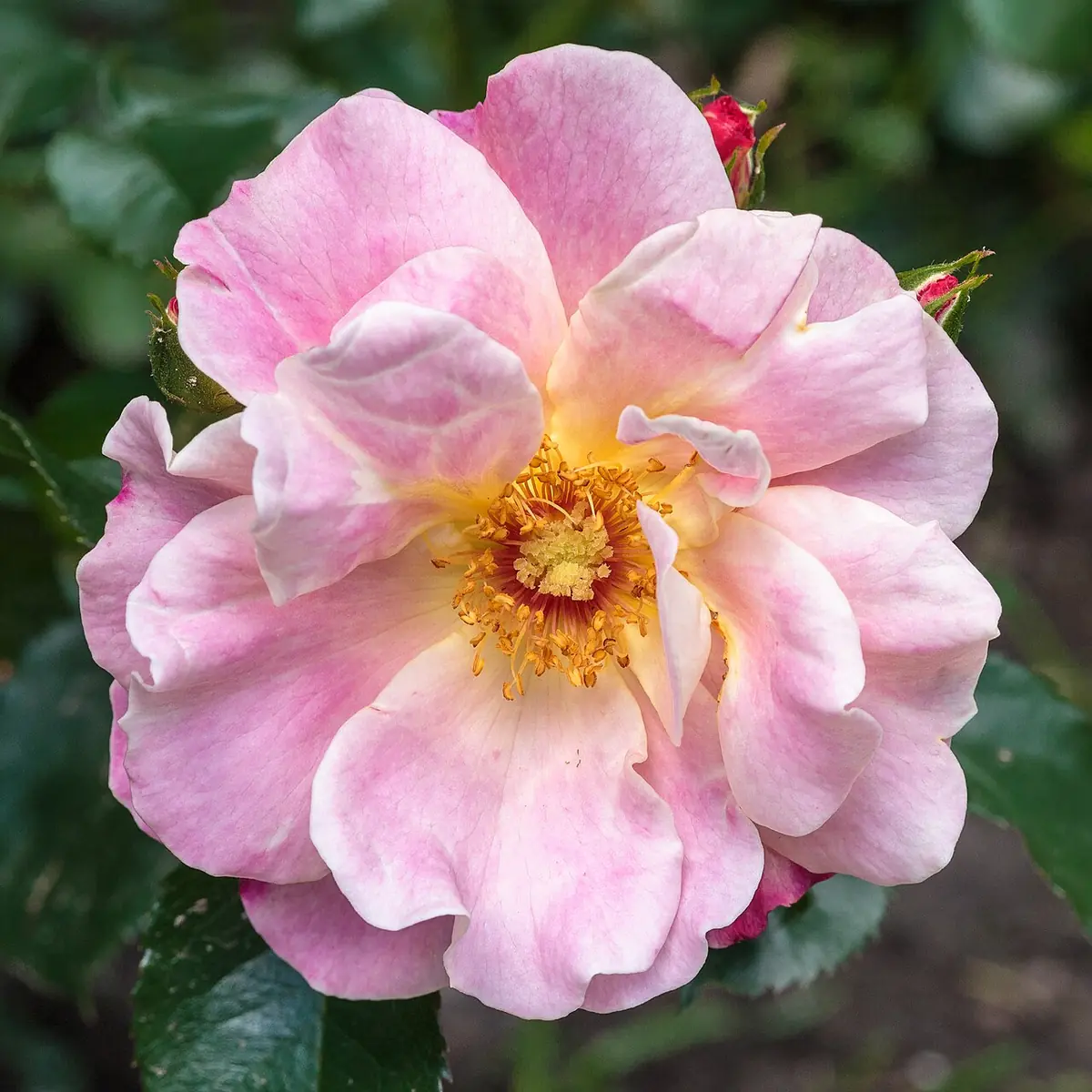
The ASPCA lists roses (Rosa species) as non-toxic to dogs, cats, and horses. The real risks are the thorns and any pesticides, fertilizers, or flower food on the plant.
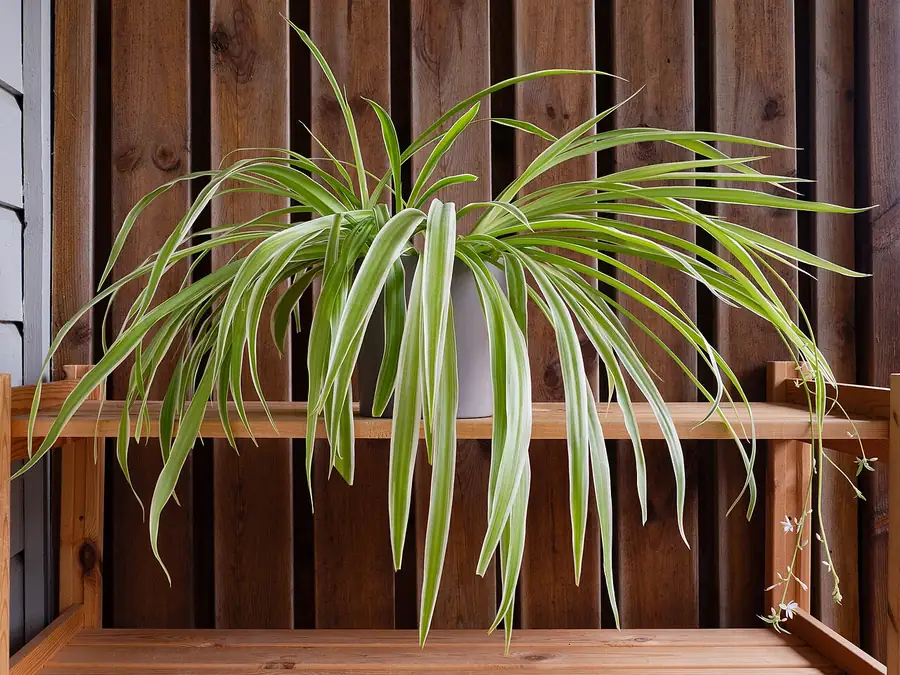
The ASPCA lists spider plants as non-toxic to dogs, cats, and horses, and PetMD includes them among the houseplants safe for dogs. A dog that eats a large amount may still get a mild stomach upset.
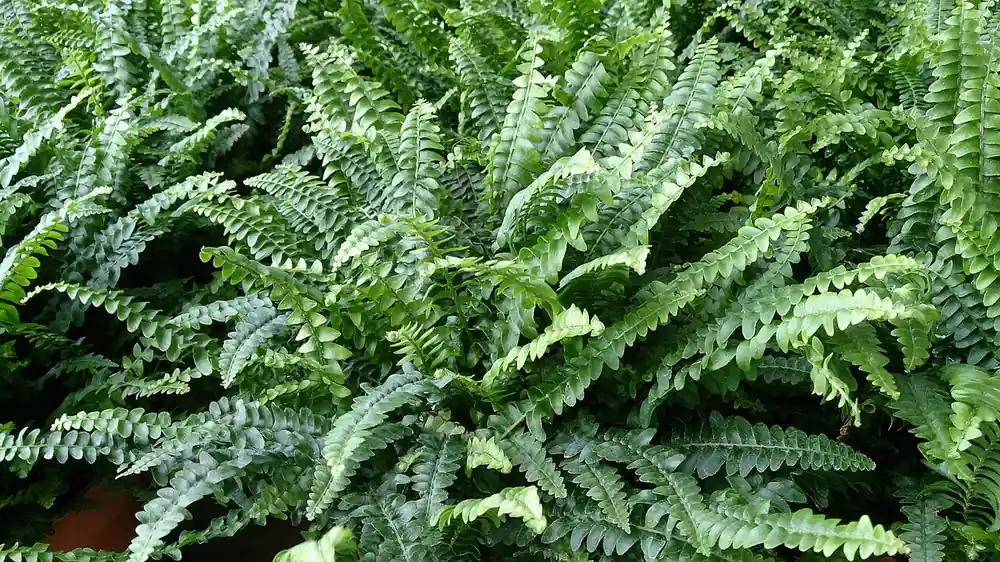
It depends on the type of fern. The Boston fern is listed as non-toxic to dogs by the ASPCA, but asparagus fern is listed as toxic, and bracken fern is toxic too. Identify the fern before you decide it is safe.