Are Poinsettias Toxic to Dogs? The Myth vs. the Mild Truth
Yes — but only mildly. Poinsettias are far less dangerous than their reputation.
The ASPCA lists poinsettias as toxic to dogs, but calls them "generally over-rated in toxicity." The milky sap irritates the mouth and stomach and can cause drooling or vomiting, but serious poisoning is not expected.
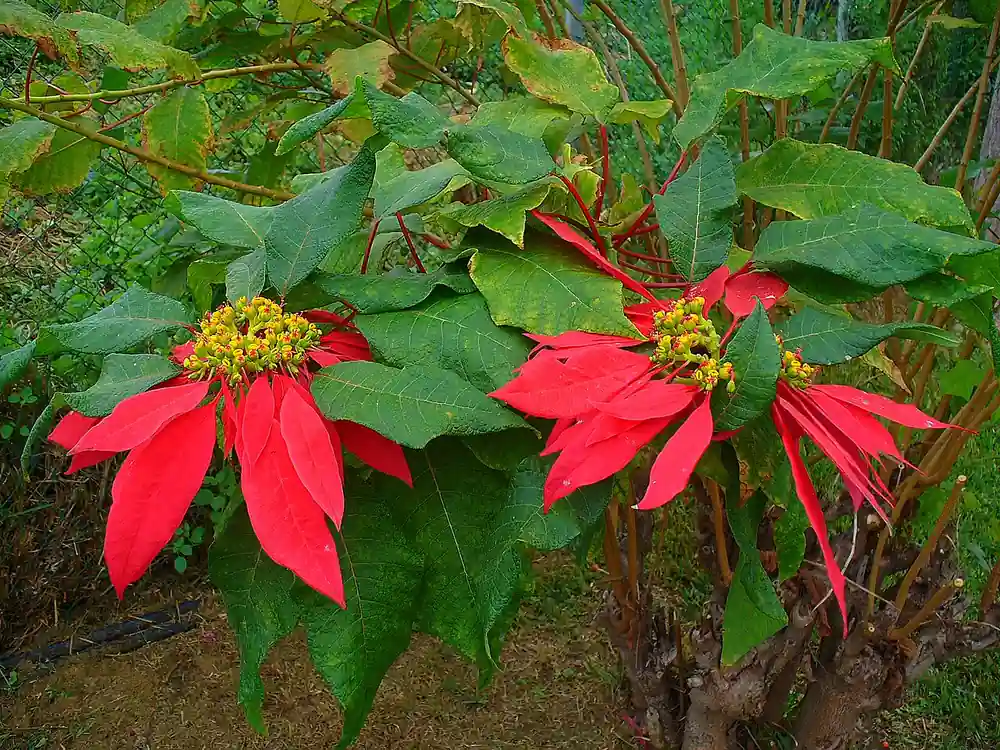

- Item
- Poinsettias
- Scientific name
- Euphorbia pulcherrima
- Also called
- Poinsettia, Christmas flower, Christmas star, Mexican flame leaf
- Category
- Plants
- Verdict
- Toxic (Mild)
- Symptoms start
- Signs usually appear within a few hours of chewing the plant, and in most cases they clear up on their own within a day.
Every December the same warning goes around: poinsettias can kill your dog. It is one of the most repeated pet-safety claims of the holiday season, and it is mostly wrong. Poinsettias are toxic to dogs in the technical sense, but the effect is mild, and the plant's deadly reputation is a myth that poison-control experts have been correcting for decades.
That does not mean you should let your dog chew on one. The plant's milky sap irritates the mouth and stomach, and a dog that eats it may drool, vomit, or develop diarrhea. The honest answer is that poinsettias are a mild irritant, not a killer — and this page explains what the evidence actually says, what to watch for, and when to call your veterinarian.
If your dog ate it — what to do now
- Take the plant away so your dog cannot eat more of it, and remove any leaf or stem pieces from your dog's mouth.
- Wipe your dog's mouth and paws with a damp cloth to remove the sticky sap, and offer a small drink of water.
- Call your veterinarian, ASPCA Animal Poison Control Center at (888) 426-4435, or Pet Poison Helpline at (855) 764-7661 if you are unsure how much your dog ate or if symptoms persist.
- Keep the plant or its label nearby so you can confirm it is a poinsettia and not a more dangerous holiday plant.
- Watch your dog for 24 hours for ongoing vomiting, diarrhea, refusal of food or water, or unusual tiredness, and seek veterinary care if any of these appear.
Do not do this
- Do not induce vomiting unless a veterinarian tells you to.
- Do not give milk, oil, or any home remedy to dilute the sap.
- Do not assume a poinsettia is harmless and let your dog keep chewing it — keep the plant out of reach.
- Do not wait for symptoms to appear before calling for help if your dog ate a large amount.
- Do not confuse a poinsettia with amaryllis, mistletoe, or holly, which are more dangerous holiday plants.
What makes poinsettias toxic to dogs?
The problem is the sap. When a poinsettia leaf or stem is broken, it leaks a milky white latex sap, and that sap is the plant's toxic principle, according to the ASPCA. Pet Poison Helpline explains that the sap contains chemicals called diterpenoid euphorbol esters and saponin-like detergents, which irritate the tissues they touch.
That irritation is local, not whole-body. The sap stings the mouth and upsets the stomach, but it does not travel through the body and damage organs the way a truly dangerous poison does. The plant's red "flowers" are actually colored leaves called bracts, and the small yellow flowers in the center are the real blooms — the sap is in the stems and leaves, so any chewed part can cause irritation.
The poinsettia myth: why everyone thinks they are deadly
The scary reputation traces back to a single unconfirmed story from 1919, when a two-year-old child in Hawaii was reported to have died after eating a poinsettia leaf. The report was never confirmed, and no similar death has been recorded since, yet the story stuck and grew into a holiday legend.
Poison-control data tells a very different story. A 1996 review of American poison-center records looked at 22,793 poinsettia exposures and found no deaths, with more than nine in ten people showing no toxicity at all. The ASPCA's own plant entry says poinsettias are "generally over-rated in toxicity," and Pet Poison Helpline calls the poisoning "greatly exaggerated." The ASPCA has said plainly that the idea poinsettias are highly toxic to pets is a persistent holiday myth, and that in reality they cause only mild to moderate stomach irritation.
How much poinsettia is dangerous for dogs?
There is no published toxic dose of poinsettia for dogs, because researchers have never been able to find a dose that causes serious harm. The plant tastes bitter and the sap stings, so most dogs take one bite and walk away. A dog would have to eat a very large amount of the plant to be in real trouble, and the taste makes that unlikely.
That said, amount still matters, and size matters too. A puppy or a small dog that eats several leaves is more likely to vomit than a large dog that nibbles one bract. Dogs with sensitive stomachs, or dogs that keep eating the plant instead of stopping, are the ones most likely to have a rough few hours. If your dog ate a large amount, or you cannot tell how much it ate, call your veterinarian rather than trying to judge the dose yourself.
Symptoms of poinsettia poisoning in dogs
The usual signs are mild and centered on the mouth and stomach. Drooling is the most common sign, along with lip licking and pawing at the mouth, because the sap irritates the tissues it touches. Some dogs vomit once or twice, and a few develop diarrhea. Sap on the skin can cause redness or itchiness where it touched, and sap in the eyes can irritate them too.
Most dogs are back to normal within a day without any treatment. PetMD notes that the stomach upset is usually mild and self-resolving, but recommends a vet visit if vomiting or diarrhea continues for more than two or three episodes. Signs that do not fit a poinsettia nibble — trouble breathing, collapse, seizures, or repeated vomiting that will not stop — are not typical of this plant and need emergency care, because something else may be going on.
What to do if your dog eats a poinsettia
Stay calm and act quickly. Take the plant away so your dog cannot eat more of it, and remove any pieces of leaf or stem from your dog's mouth. Wipe your dog's mouth and paws with a damp cloth to get the sticky sap off, and offer a small drink of water to help wash away the bitter taste. Do not try to make your dog vomit, and do not give milk, oil, or any home remedy.
Then call for advice if you are unsure. Your veterinarian, the ASPCA Animal Poison Control Center at (888) 426-4435, or Pet Poison Helpline at (855) 764-7661 can all help you decide whether your dog needs to be seen — a consultation fee may apply. Keep the plant or its label nearby so you can confirm it is a poinsettia and not a more dangerous holiday plant. Watch your dog for the next 24 hours, and take it to the vet if vomiting or diarrhea keeps going, if it refuses food and water, or if it seems weak or in pain.
How to keep your dog safe around poinsettias
The simplest rule is the one the ASPCA gives: keep poinsettias out of your dog's reach. Put the plant on a high shelf, a tall stand, or a hanging basket where a curious nose cannot reach it, and remember that a determined dog can knock a floor-level pot over. If your dog is a persistent chewer, consider keeping the plant in a room the dog does not use, or behind a baby gate during the holidays.
Clean up fallen leaves and bracts right away, because a leaf on the floor is an easy snack, and wash your hands after handling the plant so you do not transfer sap to your dog's coat or food bowl. If sap gets on your dog's fur, wipe it off with a damp cloth so your dog does not lick it off while grooming. These are small habits, but they remove the risk without removing the plant from your home.
Poinsettias vs. other holiday plants
Poinsettias are the least dangerous plant on the holiday table, and the comparison makes that clear. Amaryllis bulbs can cause severe vomiting, abdominal pain, and tremors, and mistletoe and holly berries can cause serious stomach upset and, in rare cases with mistletoe, heart problems. Those plants belong well out of reach, while a poinsettia is a mild irritant by comparison.
If you want the festive look with no worry at all, choose a plant the ASPCA lists as non-toxic. Christmas cactus, African violets, orchids, and rosemary are all listed as non-toxic to dogs and cats, so they are safer choices for a home with a dog that chews everything. The point is not to ban holiday plants — it is to know which ones deserve the high shelf and which ones do not.
Symptoms to watch for
- Drooling
- Lip licking
- Pawing at the mouth
- Mild vomiting
- Diarrhea (less common)
- Redness or itching where sap touched the skin
- Eye irritation if sap gets in the eyes
- Loss of appetite for a short time
- Mild stomach upset
Signs are usually mild and appear within a few hours of chewing the plant. In most cases they clear up on their own within a day.
Safe alternatives
- Christmas cactus — The ASPCA lists it as non-toxic to dogs and cats, and it blooms in red, pink, or white around the holidays.
- African violet — A small flowering houseplant the ASPCA lists as non-toxic to dogs and cats.
- Phalaenopsis orchid — The common moth orchid is listed as non-toxic by the ASPCA and adds the same festive color.
- Rosemary plant — A fragrant, non-toxic herb the ASPCA lists as safe for dogs and cats, and it doubles as a kitchen herb.
What about cats? Poinsettias are also listed as toxic to cats by the ASPCA, with the same mild effect: the sap irritates the mouth and stomach and can cause drooling or vomiting. Pet Poison Helpline rates them as only mildly toxic to cats as well, and more serious toxicity is not expected.
Frequently asked questions
Are poinsettias poisonous to dogs?
Technically yes, but only mildly. The ASPCA lists poinsettias as toxic to dogs because the milky sap irritates the mouth and stomach, but it also calls the plant "generally over-rated in toxicity." Expect drooling or vomiting at most, not serious poisoning.
Can a poinsettia kill my dog?
There are no confirmed reports of a poinsettia killing a dog. Pet Poison Helpline says more serious toxicity is not expected, and a 1996 review of 22,793 human poinsettia exposures found no deaths. A large amount could still cause a bad stomach upset, so keep the plant out of reach and call your vet if your dog eats a lot of it.
My dog ate a poinsettia leaf — what should I do?
Remove the plant, wipe sap from your dog's mouth and paws with a damp cloth, and offer a small drink of water. Watch for drooling or vomiting over the next 24 hours. Call your veterinarian or ASPCA Animal Poison Control at (888) 426-4435 if vomiting or diarrhea continues, or if you are unsure how much your dog ate.
Are poinsettias toxic to cats too?
Yes, the ASPCA lists poinsettias as toxic to cats as well, with the same mild effect: mouth and stomach irritation, sometimes with vomiting. Cats are usually even less interested in eating them because of the bitter sap, but keep the plant out of their reach too.
Sources
- ASPCA — Toxic and Non-toxic Plants: Poinsettia
- Pet Poison Helpline — Poinsettias Poisonous To Pets
- PetMD — 7 Common Holiday Plants Toxic to Dogs
- ASPCA — ASPCA Offers Three Tips for a Happy, Healthy Holiday with Pets
Related guides
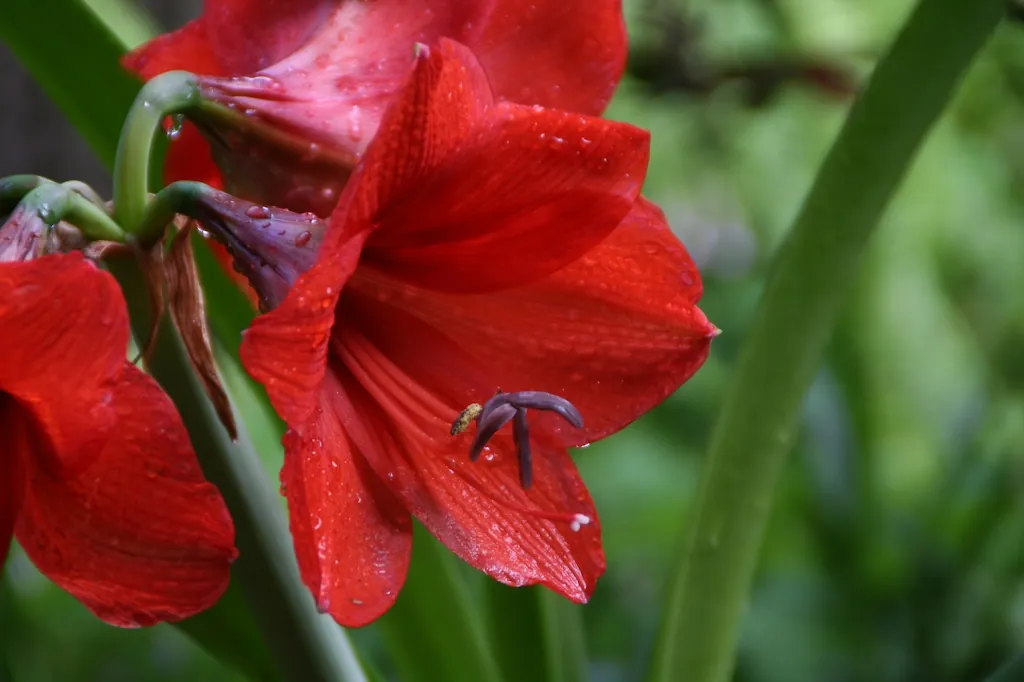
Amaryllis is toxic to dogs. The ASPCA lists it as toxic, with lycorine as the poison, and the bulb is the most dangerous part. A leaf nibble may cause only vomiting, but eating a bulb can cause tremors, low blood pressure, and breathing trouble.
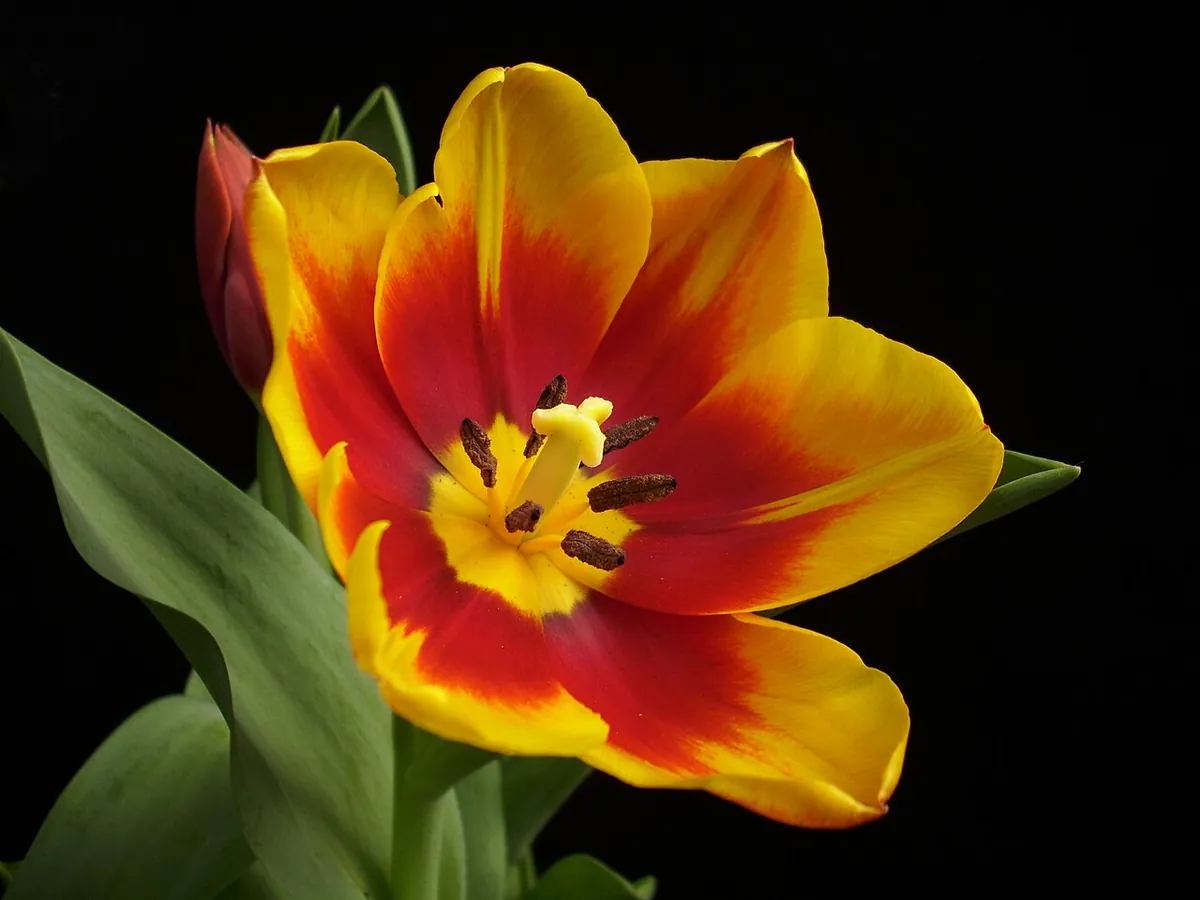
Tulips are toxic to dogs. Every part of the plant contains tulipalin A and B, but the bulb holds the highest concentration, so a dog that digs up and eats bulbs faces the greatest risk.
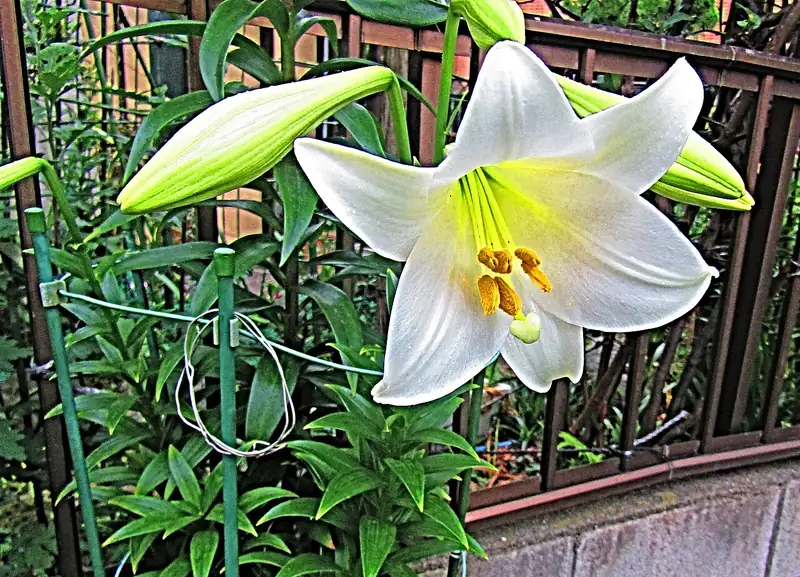
Lilies can poison dogs, usually causing vomiting, diarrhea, and drooling. True lilies are far more dangerous to cats, where they can cause fatal kidney failure. If your dog eats any lily, call your vet.
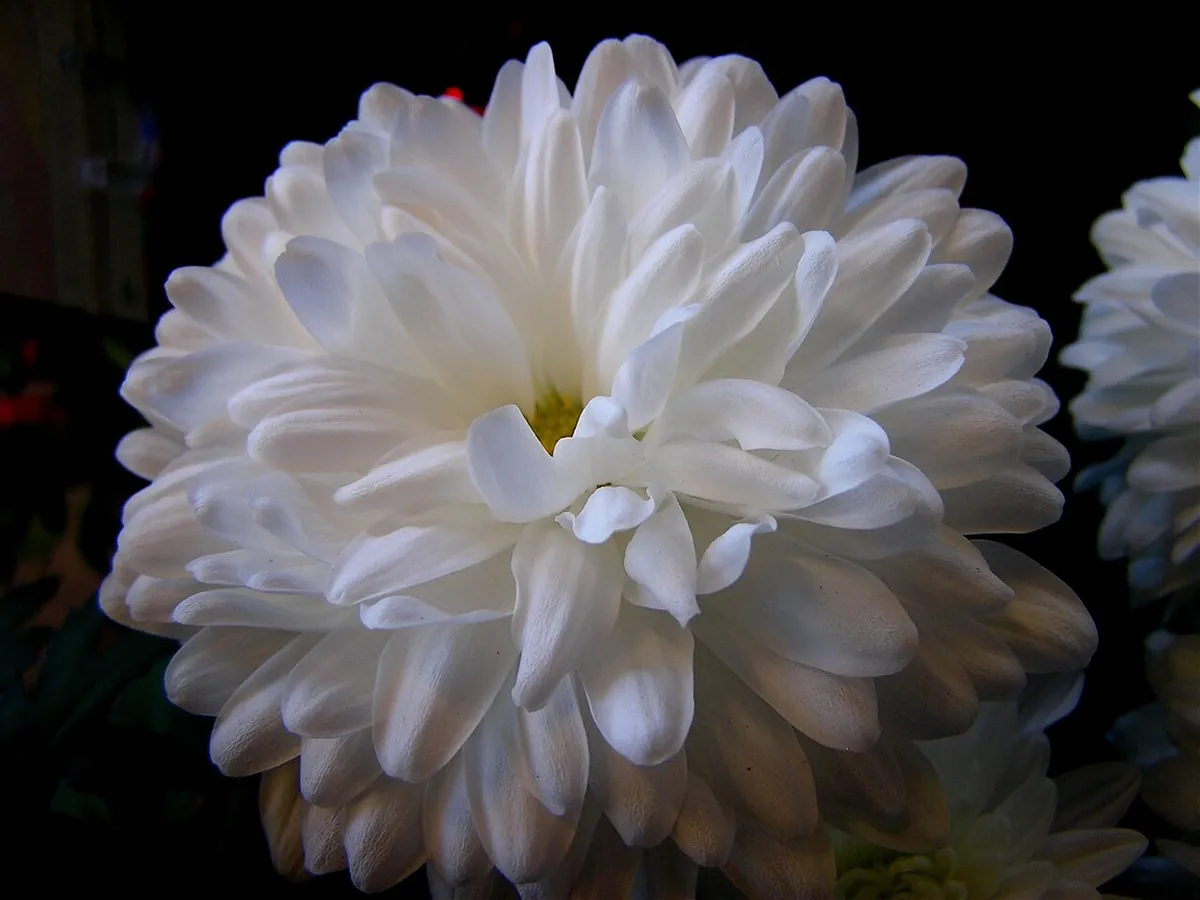
Mums are chrysanthemums, and the ASPCA lists Chrysanthemum species as toxic to dogs, cats, and horses. The plant contains sesquiterpene lactones, pyrethrins, and other irritants that cause vomiting, diarrhea, drooling, incoordination, and skin irritation.