Is English Ivy Toxic to Dogs? What Every Owner Should Know
Yes — English ivy is toxic to dogs.
The ASPCA lists English ivy as toxic to dogs. Its leaves contain triterpenoid saponins that cause vomiting, abdominal pain, drooling, and diarrhea. Pet Poison Helpline rates the toxicity as mild, but any dog that eats it should be checked by a veterinarian.
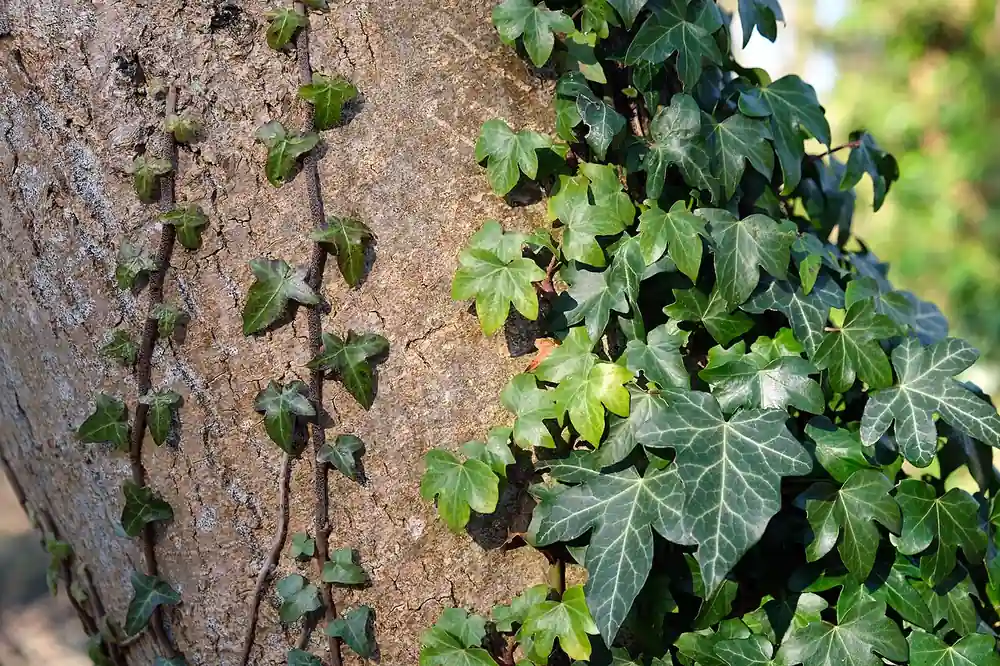

- Item
- English Ivy
- Scientific name
- Hedera helix
- Also called
- Branching Ivy, Glacier Ivy, Needlepoint Ivy, Sweetheart Ivy, California Ivy
- Category
- Plants
- Verdict
- Toxic
- Symptoms start
- Onset time is not well established — neither the ASPCA nor the Pet Poison Helpline pages we checked give a time frame for English ivy signs in dogs, so we do not state one here.
Yes — English ivy is toxic to dogs. The ASPCA lists English ivy (Hedera helix) as toxic to dogs, cats, and horses. Its leaves contain triterpenoid saponins, compounds that irritate the gut and cause vomiting, abdominal pain, drooling, and diarrhea.
The good news is that Pet Poison Helpline rates the toxicity as mild for dogs, and most cases cause stomach upset rather than life-threatening illness. Even so, any dog that eats English ivy should be checked by a veterinarian, because the amount eaten and the dog's size and health change the risk.
If your dog ate it — what to do now
- Take the plant away from your dog and remove any leaves you can see from its mouth.
- Note how much your dog ate and when, and take a photo of the plant for identification.
- Call your veterinarian or ASPCA Animal Poison Control Center at (888) 426-4435 (a consultation fee may apply) and describe what your dog ate, how much, and your dog's weight and age.
- If sap is on your dog's skin or fur, rinse the area with water and ask your veterinarian how to clean it.
- Watch your dog for vomiting, diarrhea, drooling, or abdominal pain, and seek veterinary care right away if signs are severe or getting worse.
Do not do this
- Do not induce vomiting unless a veterinarian tells you to.
- Do not give activated charcoal, milk, food, or home remedies unless a veterinarian tells you to.
- Do not assume the berries are safe because the leaves are the bigger risk — the whole plant is listed as toxic.
- Do not wait to see if symptoms appear before calling for advice.
- Do not handle pruned ivy with bare hands if the sap irritates your skin — wear gloves.
What makes English ivy toxic to dogs?
English ivy contains triterpenoid saponins, with hederagenin named by the ASPCA as the toxic principle. These soap-like compounds irritate the mouth and the lining of the gut when a dog chews or swallows the plant. Pet Poison Helpline also names caffeic acid, chlorogenic acid, and emetine among the plant's toxins.
The leaves carry the highest risk. The ASPCA states plainly that the foliage is more toxic than the berries, so a dog chewing leaves is in more danger than a dog that swallows a berry. The sap is a problem too: Pet Poison Helpline notes that skin contact with ivy sap can cause irritation, redness, and scratching, so handling the plant can bother your dog's skin as well as its stomach.
- Toxic compounds: triterpenoid saponins (hederagenin)
- Other compounds named by Pet Poison Helpline: caffeic acid, chlorogenic acid, and emetine
- Foliage is more toxic than the berries
- Sap can irritate the skin
How much English ivy is dangerous for dogs?
There is no established toxic dose for English ivy in dogs. The ASPCA does not publish an amount in milligrams per kilogram or a number of leaves, and we could not find one in any authoritative source we checked. So there is also no established safe dose: no amount is known to be harmless.
The amount still matters. Pet Poison Helpline notes that the amount eaten, the size of the animal, and allergies determine how serious a case is, and it rates English ivy toxicity as mild for dogs. A dog that nibbles one leaf is in a very different situation from a dog that eats a large amount of leaves from a garden vine. Small dogs and puppies face more risk from the same amount, because the dose is larger relative to their body weight.
- No toxic dose in mg/kg has been established
- No safe dose has been established either
- Risk rises with the amount eaten and falls with the dog's size, according to Pet Poison Helpline
Symptoms of English ivy poisoning in dogs
The ASPCA lists four signs for English ivy in dogs: vomiting, abdominal pain, hypersalivation (excessive drooling), and diarrhea. These are stomach-upset signs, and they are the most common result of eating the plant. Pet Poison Helpline adds loss of appetite and lethargy to the list of signs to watch for.
Skin contact looks different. Sap on the skin or in the mouth can cause redness, irritation, and scratching, according to Pet Poison Helpline. Vomiting that will not stop, severe abdominal pain, weakness, or trouble breathing after eating English ivy is urgent: get veterinary care right away rather than waiting to see if it passes.
- ASPCA signs: vomiting, abdominal pain, hypersalivation, diarrhea
- Pet Poison Helpline also lists loss of appetite and lethargy
- Skin contact with sap: redness, irritation, and scratching
What to do if your dog eats English ivy
Take the plant away from your dog and remove any leaves you can see from its mouth, being careful not to get bitten. Do not try to make your dog vomit. Note how much your dog ate and when, and take a photo of the plant if you can, so your veterinarian can confirm the identification.
Call your veterinarian or the ASPCA Animal Poison Control Center at (888) 426-4435; a consultation fee may apply. Tell them what your dog ate, how much, and your dog's weight and age. If sap is on your dog's skin or fur, rinse the area with water and ask your veterinarian how to clean it. Keep the plant or a photo of it, in case your veterinarian needs to see it.
How to keep your dog safe around English ivy
English ivy is one of the most common climbing and trailing plants in American homes and gardens, so keeping it away from a dog takes a little planning. Indoors, hang trailing baskets high, with no furniture nearby that your dog can climb to reach them, and prune vines that trail down to floor level. Outdoors, fence off ivy-covered walls and fences if your dog chews plants, and clear fallen leaves and pruned stems promptly, because dogs often pick up trimmings.
Wear gloves when you prune ivy, since the sap can irritate skin, and wash your hands after handling it. Teach your dog to leave plants alone, and offer a chew toy instead when it shows interest in a vine. If your dog is a persistent plant chewer, the safest choice is to remove the ivy and replace it with a non-toxic trailing plant.
- Keep hanging baskets and trailing vines out of your dog's reach
- Fence off garden ivy and clear fallen leaves and pruned stems promptly
- Wear gloves when pruning ivy, and wash your hands after handling it
- Check holiday planters and mixed arrangements for ivy before bringing them home
- Teach your dog to leave plants alone and offer a chew toy instead
English ivy vs. other plants called ivy
The word ivy causes a lot of confusion, because several different plants share the name. True English ivy is Hedera helix, and every cultivar of it — including Glacier, Needlepoint, Sweetheart, and California ivy — carries the same saponins. Always check the scientific name on the plant tag before deciding a plant is safe.
Poison ivy is not English ivy at all: it belongs to a different genus, Toxicodendron, and is best known for the blistering skin rash it causes. Devil's ivy is another look-alike, but it is actually golden pothos (Epipremnum aureum), which is also toxic to dogs. Swedish ivy (Plectranthus australis) is a different plant entirely and is listed as non-toxic to dogs by the ASPCA. Boston ivy (Parthenocissus tricuspidata) is also a different plant, not a Hedera species — check its ASPCA entry before deciding it is safe. When in doubt, photograph the plant and check the scientific name in the ASPCA plant database.
Safe alternatives to English ivy
If you want the trailing, climbing look of ivy without the worry, several plants give you a similar effect. Swedish ivy is listed as non-toxic to dogs by the ASPCA and trails much like English ivy. Spider plants and prayer plants are also listed as non-toxic trailing houseplants, and Boston ferns are listed among the houseplants safe for dogs by PetMD.
Grape ivy is another trailing vine often listed as non-toxic, but check the ASPCA entry for your exact plant before buying, since ivy names are confusing. Whatever you choose, keep the same habits: keep trailing vines out of reach and clear fallen leaves promptly.
Symptoms to watch for
- Vomiting
- Diarrhea
- Abdominal pain
- Hypersalivation (excessive drooling)
- Loss of appetite
- Lethargy
- Skin redness or irritation from sap contact
- Mouth irritation
The ASPCA lists vomiting, abdominal pain, hypersalivation, and diarrhea for English ivy; Pet Poison Helpline adds loss of appetite and lethargy, and rates the toxicity as mild for dogs.
Safe alternatives
- Swedish ivy — Listed as non-toxic to dogs by the ASPCA, with a similar trailing look.
- Spider plants — Listed as non-toxic to dogs by the ASPCA and an easy trailing houseplant.
- Boston ferns — Listed among the houseplants safe for dogs by PetMD.
- Prayer plants — A trailing houseplant listed as non-toxic to dogs by the ASPCA.
- Grape ivy — A trailing vine often listed as non-toxic to dogs; check the ASPCA entry for your exact plant before buying.
What about cats? English ivy is also listed as toxic to cats by the ASPCA, with the same signs: vomiting, abdominal pain, drooling, and diarrhea. Cats that brush against the plant can get sap on their fur and swallow it while grooming, so keep ivy away from cats as well as dogs.
Frequently asked questions
Is English ivy poisonous to dogs?
Yes. The ASPCA lists English ivy (Hedera helix) as toxic to dogs, cats, and horses. Its leaves contain triterpenoid saponins that cause vomiting, abdominal pain, drooling, and diarrhea.
How much English ivy is dangerous for dogs?
There is no established toxic dose for English ivy in dogs, so no amount is known to be safe. The Pet Poison Helpline notes that the amount eaten and the size of the animal determine how serious a case is, and rates the toxicity as mild for dogs. Even a small amount deserves a call to your veterinarian.
What should I do if my dog eats one English ivy leaf?
Do not wait to see if symptoms appear. Take the plant away, check your dog's mouth for leaves, and call your veterinarian or the ASPCA Animal Poison Control Center at (888) 426-4435 for advice. A single leaf is less risky than a large amount of leaves, but there is no established safe amount, and your vet can judge the risk for your dog's size and health.
Is English ivy toxic to cats?
No. The ASPCA lists English ivy as toxic to cats as well as dogs, with the same signs. Cats can also swallow sap they get on their fur while grooming, so keep ivy out of reach of cats too.
Sources
- ASPCA Poison Control — English Ivy
- Pet Poison Helpline — Branching Ivy Is Toxic To Dogs
- Pet Poison Helpline — Hahn's Self Branching English Ivy Is Toxic To Dogs
- ASPCA Poison Control — Swedish Ivy
Related guides
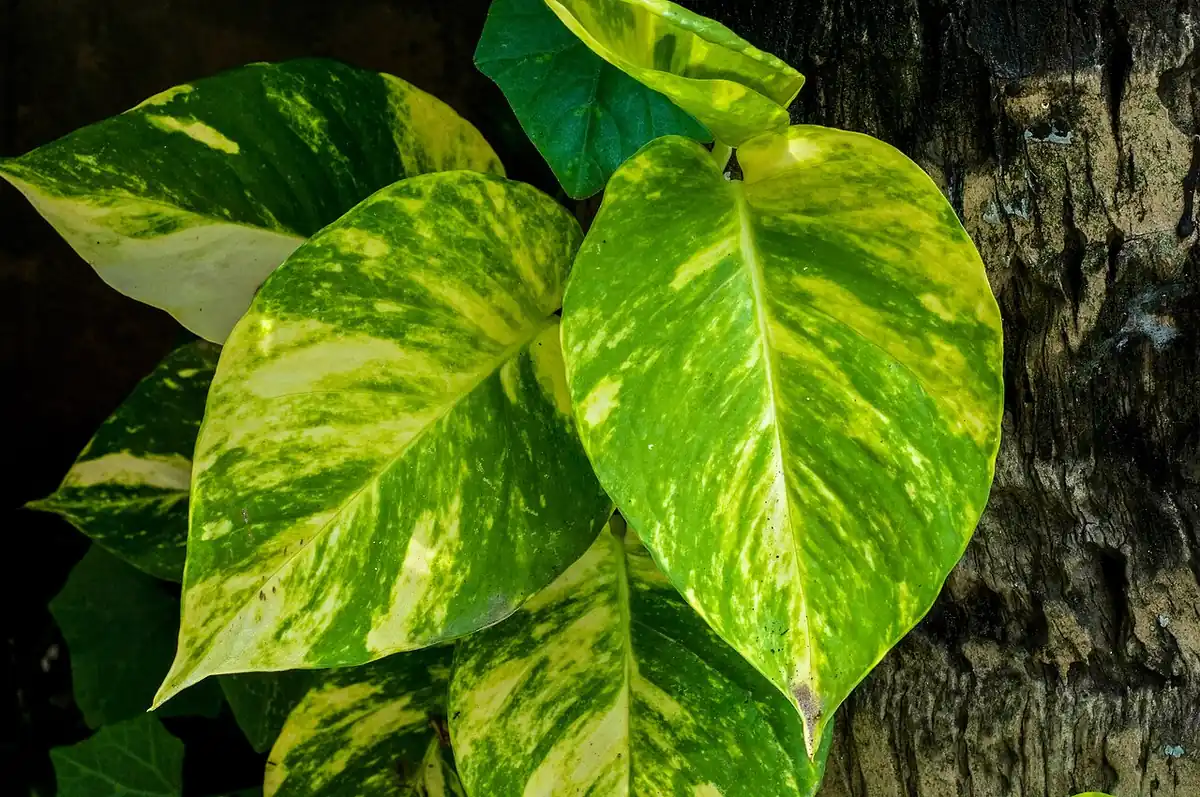
Pothos is toxic to dogs. Its leaves and stems contain insoluble calcium oxalate crystals that injure the mouth on contact, causing intense burning, drooling, and vomiting.
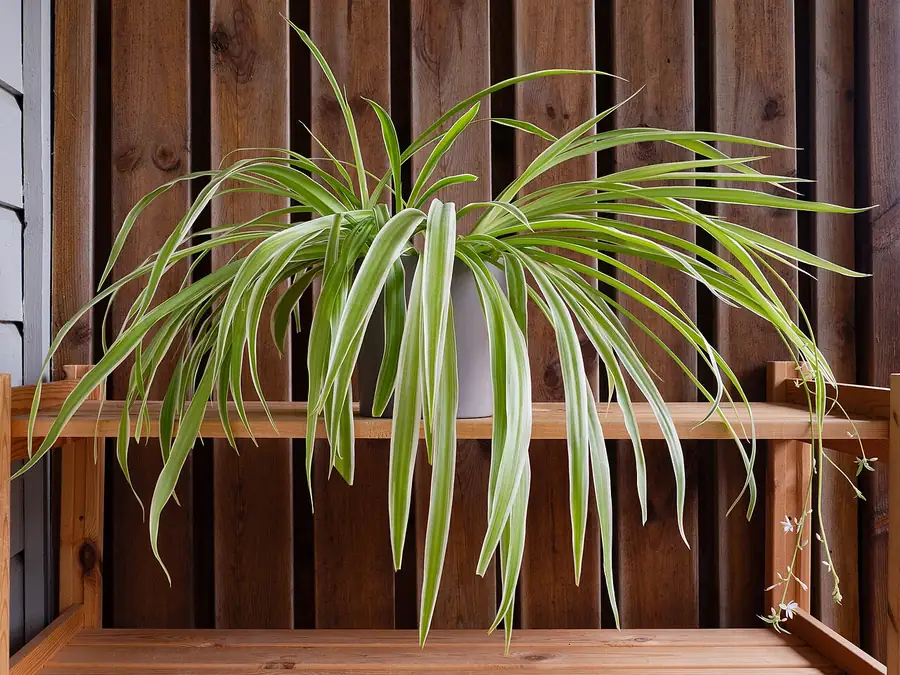
The ASPCA lists spider plants as non-toxic to dogs, cats, and horses, and PetMD includes them among the houseplants safe for dogs. A dog that eats a large amount may still get a mild stomach upset.
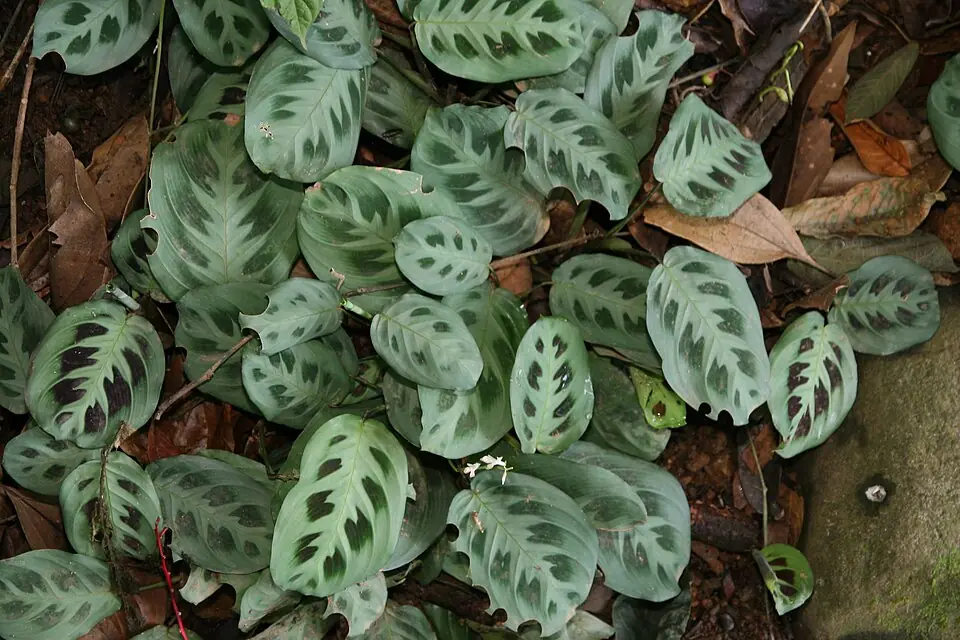
The ASPCA lists prayer plants as non-toxic to dogs, cats, and horses. A dog that eats a large amount of leaves may still get mild vomiting or diarrhea from the plant material, but the plant itself will not poison your dog.
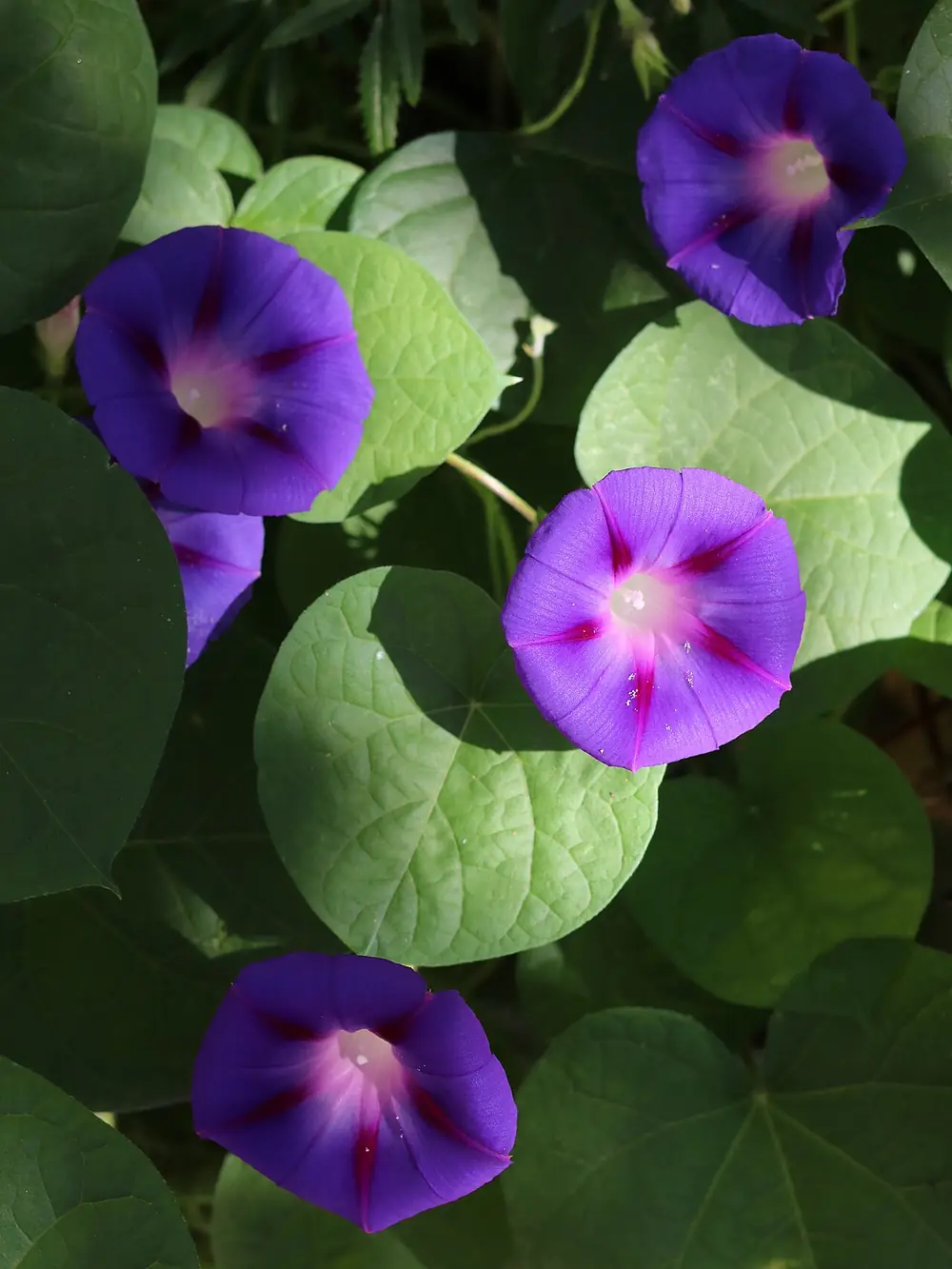
The ASPCA lists morning glory (Ipomoea spp.) as toxic to dogs. The seeds are the main risk: they contain indole alkaloids that can cause vomiting and, in large amounts, hallucinations. Leaves and flowers usually cause only stomach upset.