Are Morning Glories Toxic to Dogs? What Every Owner Should Know
Yes — morning glories are toxic to dogs.
The ASPCA lists morning glory (Ipomoea spp.) as toxic to dogs. The seeds are the main risk: they contain indole alkaloids that can cause vomiting and, in large amounts, hallucinations. Leaves and flowers usually cause only stomach upset.
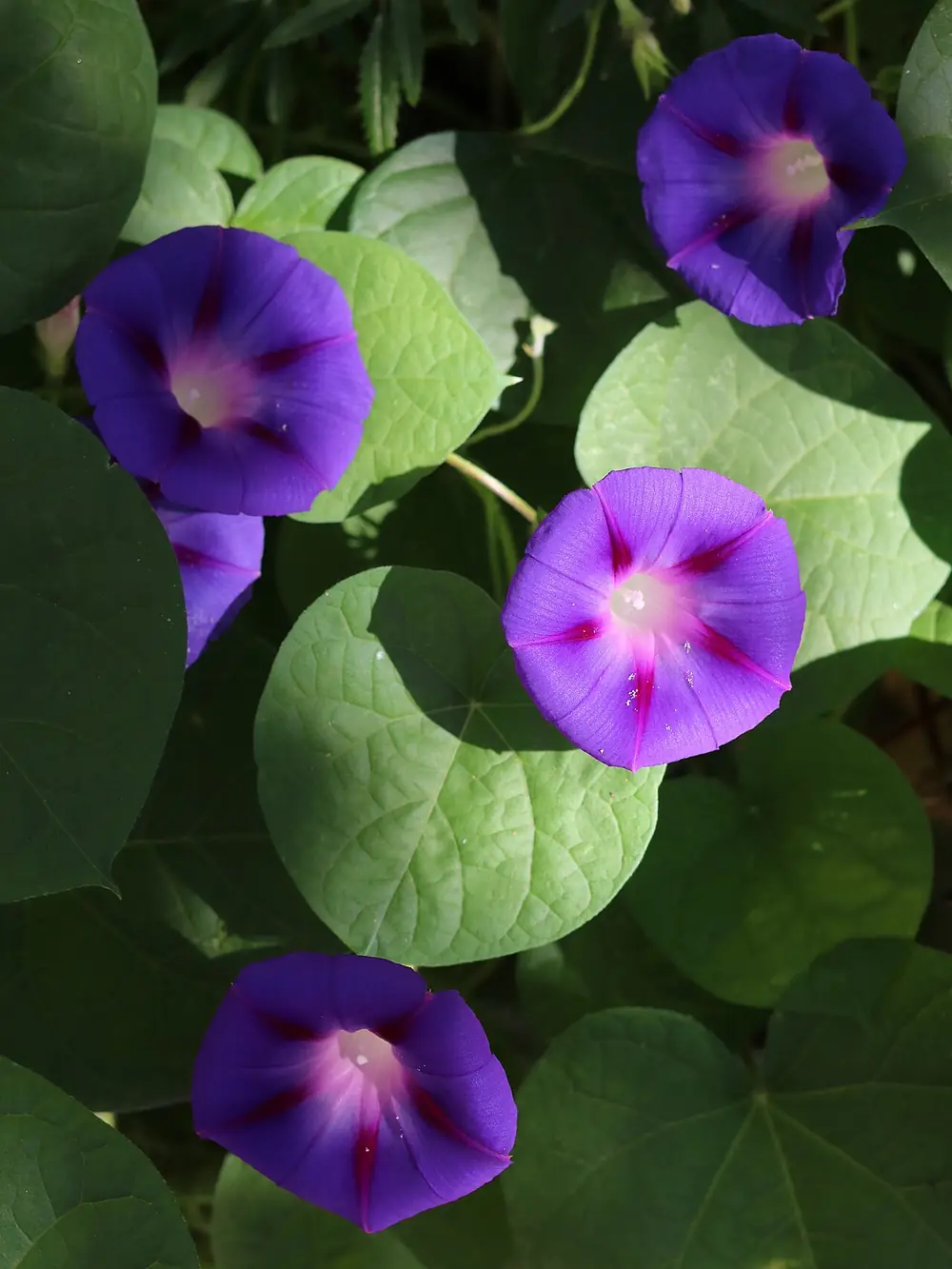

- Item
- Morning Glories
- Scientific name
- Ipomoea spp.
- Also called
- Common morning glory, Tall morning glory, Purple morning glory
- Category
- Plants
- Verdict
- Toxic
- Symptoms start
- Onset time is not well established — the ASPCA and Pet Poison Helpline pages we checked do not give a time frame for morning glory signs in dogs, so we do not state one here.
Yes, morning glories are toxic to dogs. The ASPCA lists morning glory (Ipomoea spp.) as toxic to dogs, cats, and horses, and names indole alkaloids as the toxic compounds. The seeds carry the highest concentration, and the ASPCA warns that eating a large amount of seeds may cause hallucinations.
The rest of the plant is not harmless either. The Pet Poison Helpline says eating the leaves or flowers causes stomach upset, such as vomiting and diarrhea. The risk depends on which part your dog ate and how much, so it helps to know the difference between a nibbled leaf and a mouthful of seeds.
If your dog ate it — what to do now
- Move your dog away from the plant and remove any seeds, seed pods, or plant material so your dog cannot eat more.
- Work out what your dog ate and how much — leaves, flowers, or seeds — and keep the seed packet or a sample of the plant.
- Call your veterinarian or ASPCA Animal Poison Control Center at (888) 426-4435 (a consultation fee may apply) right away, even if your dog looks fine, and tell them what your dog ate, how much, and your dog's weight and age.
- Go to the nearest veterinary clinic at once if your dog is vomiting repeatedly, trembling, confused, unsteady, or having trouble breathing.
Do not do this
- Do not induce vomiting unless a veterinarian tells you to.
- Do not give activated charcoal, milk, food, or home remedies unless a veterinarian tells you to.
- Do not wait for symptoms to appear before calling — seeds are absorbed quickly.
- Do not assume a small nibble of a leaf means your dog is safe if seeds were also eaten.
What makes morning glories toxic to dogs?
Morning glories contain indole alkaloids, natural compounds that affect the nervous system. The ASPCA names four of them: lysergic acid, lysergamide (also called lysergic acid amide, or LSA), elymoclavine, and chanoclavine. These are ergoline alkaloids, chemically related to LSD, and they are the reason the plant is listed as toxic. The seeds hold the highest concentration of these alkaloids, which is why they are the main risk. The leaves, stems, and flowers contain the same compounds in smaller amounts, so eating them usually causes only stomach upset. The Pet Poison Helpline calls the seed toxins ergot alkaloids and says a large number of seeds may cause hallucinatory behavior in pets.
- Toxic compounds: indole alkaloids — lysergic acid, lysergamide (LSA), elymoclavine, chanoclavine
- Seeds: highest concentration, and the main risk
- Leaves and flowers: lower concentration, usually stomach upset
How much morning glory is dangerous for dogs?
There is no established toxic dose for morning glory in dogs. The ASPCA does not publish an amount in milligrams per kilogram or a number of seeds, and we could not find one in any authoritative source we checked. WagWalking's vet-reviewed page states the same point directly: there is no set quantity of seeds considered toxic per pound of body weight, because not all seeds are toxic and the alkaloid content can vary from seed to seed. So there is also no established safe dose. A single nibbled leaf is the lowest-risk exposure, and a mouthful of seeds is the highest. Because no safe number exists, any seed eating should be treated as a reason to call a veterinarian, not as something to watch and hope about.
- No toxic dose in mg/kg or number of seeds has been established
- No safe dose has been established either
- Risk rises with the part eaten: leaf or flower, then a few seeds, then many seeds
Symptoms of morning glory poisoning in dogs
The ASPCA lists two clinical signs for morning glory in dogs: vomiting, and hallucinations after eating large amounts of seeds. The Pet Poison Helpline adds that eating the leaves or flowers causes stomach upset, including vomiting and diarrhea. These stomach signs are the most common, and they are the ones the main poison control sources agree on.
A larger seed ingestion can look very different. WagWalking's vet-reviewed page lists the fuller picture reported in poisoning cases: diarrhea, loss of appetite, lethargy, confusion, incoordination, tremors, dilated pupils, and hallucinations. It also lists anemia and liver failure among the reported signs, which shows why a big seed ingestion is treated as a serious poisoning even though deaths are uncommon. A dog that is hallucinating may be distressed and at risk of injuring itself.
- ASPCA signs: vomiting; hallucinations after large amounts of seeds
- Leaf or flower eating: vomiting and diarrhea
- Larger seed ingestion: confusion, tremors, hallucinations
What to do if your dog eats morning glory
Move your dog away from the plant and take away any seeds, seed pods, or plant material so your dog cannot eat more. Try to work out what your dog ate and how much: a few leaves, or a mouthful of seeds from a pod or a seed packet. Keep the seed packet or a sample of the plant if you can, because it helps the veterinarian identify what your dog ate.
Call your veterinarian or the ASPCA Animal Poison Control Center at (888) 426-4435 (a consultation fee may apply) right away, even if your dog looks fine. Tell them which part of the plant your dog ate, roughly how much, and your dog's weight and age. Seeds are absorbed quickly, so do not wait for symptoms to appear. If your dog is vomiting, trembling, confused, or having trouble walking, treat it as an emergency and go to the nearest veterinary clinic.
- Move your dog away from the plant and remove seeds and pods
- Work out what your dog ate and how much, and keep the seed packet or a plant sample
- Call your vet or ASPCA Animal Poison Control at (888) 426-4435 (a consultation fee may apply) right away
How to keep your dog safe around morning glories
The simplest protection is not to grow morning glories where your dog can reach them. They are vigorous climbing vines that spread fast, reseed themselves, and drop seed pods onto the ground, so a vine on a fence above a dog run can still be a risk when pods fall. If you already have them, fence off the bed, train the vine away from areas your dog uses, and pick up fallen pods and leaves regularly.
Seed packets need the same care as the plant. Store them in a closed cupboard, never on an open shed shelf or a low garden box where a dog can chew through the packet. Wear gloves when you handle seeds, wash your hands after, and sweep up spilled seeds at once. If you pull the vines out at the end of the season, bag the plants and pods instead of leaving them in a compost pile your dog can reach.
- Do not plant morning glories where your dog can reach them; fence off existing vines
- Pick up fallen seed pods and leaves regularly — pods drop from fences and trellises
- Store seed packets in a closed cupboard, out of your dog's reach
Morning glory look-alikes and the sweet potato vine
Morning glory has relatives that look similar but carry different risks, and the name alone does not settle it. Moonflower (Ipomoea alba) is a true morning glory in the same genus, and the ASPCA's genus-level listing covers it too, so treat it the same way. Bindweed, a weedy relative with smaller white or pink trumpet flowers, is also in the morning glory family and should not be eaten by dogs. Sweet potato vine is the useful exception. It is also an Ipomoea (Ipomoea batatas), but the ASPCA lists it as non-toxic to dogs, cats, and horses. The difference is the species, not the family, so check the scientific name on the plant tag before deciding a vine is safe. If you are not sure which Ipomoea you have, treat it as toxic.
Safe alternatives to morning glories
If you want the same climbing color without the worry, several common flowers are listed as safe for dogs. Roses, sunflowers, snapdragons, and petunias all give bright color in sunny beds and on fences, and the ASPCA or PetMD lists them as non-toxic to dogs. Spider plants give you the trailing look indoors without the seed risk. Keep the same habits with any new plant: keep seed packets out of reach, clear fallen plant material from your dog's area, and check the scientific name before you put it in the ground.
- Roses, sunflowers, snapdragons, and petunias: colorful and listed as non-toxic to dogs
- Spider plants: the trailing look indoors, without the seed risk
Symptoms to watch for
- Vomiting
- Diarrhea
- Loss of appetite
- Lethargy
- Confusion
- Disorientation
- Agitation
- Tremors
- Dilated pupils
- Hallucinations
- Incoordination (ataxia)
- Anemia
- Liver failure (reported in severe cases)
The ASPCA lists only vomiting and hallucinations after large amounts of seeds; the fuller list here adds the signs reported on the Pet Poison Helpline and WagWalking vet-reviewed pages, with the more serious signs linked to larger seed ingestions.
Safe alternatives
- Roses — Listed as non-toxic to dogs by the ASPCA.
- Sunflowers — Non-toxic to dogs and easy to grow on a fence.
- Snapdragons — A colorful flower the ASPCA lists as non-toxic.
- Petunias — A trailing flower for baskets and beds, listed as non-toxic.
- Spider plants — A trailing houseplant the ASPCA lists as non-toxic.
What about cats? Morning glory is also listed as toxic to cats by the ASPCA, and the Pet Poison Helpline notes that eating the leaves or flowers causes stomach upset in cats as well. Keep the plant and its seeds away from cats, and call your veterinarian or the ASPCA Animal Poison Control Center at (888) 426-4435 (a consultation fee may apply) if a cat eats any part of it.
Frequently asked questions
Are morning glory flowers toxic to dogs?
Yes. The ASPCA lists morning glory (Ipomoea spp.) as toxic to dogs, cats, and horses. The flowers and leaves contain the same indole alkaloids as the rest of the plant, though in lower amounts than the seeds. Eating the leaves or flowers usually causes vomiting or diarrhea, while the seeds carry the higher risk.
How many morning glory seeds are toxic to a dog?
There is no established number. No authoritative source we checked gives a number of seeds that is safe or toxic for a dog of a given weight, and the alkaloid content can vary from seed to seed. Treat any seed eating as a reason to call your veterinarian or the ASPCA Animal Poison Control Center at (888) 426-4435 (a consultation fee may apply), even if your dog looks fine.
Can dogs eat morning glory leaves?
No. The Pet Poison Helpline says eating morning glory leaves or flowers causes stomach upset, such as vomiting and diarrhea, in dogs and cats. The leaves are less dangerous than the seeds, but they are not safe to eat. Keep your dog from chewing on the vine, and remove fallen leaves and seed pods from areas where your dog plays.
What should I do if my dog ate morning glory seeds?
Call your veterinarian or the ASPCA Animal Poison Control Center at (888) 426-4435 (a consultation fee may apply) right away, even if your dog looks fine. Tell them how many seeds your dog may have eaten and your dog's weight. Do not try to make your dog vomit unless a veterinarian tells you to. If you can, bring the seed packet or a sample of the plant with you to the vet.
Sources
- ASPCA Poison Control — Morning Glory
- Pet Poison Helpline — Morning Glory Is Toxic To Dogs
- WagWalking — Morning Glory Poisoning in Dogs
Related guides
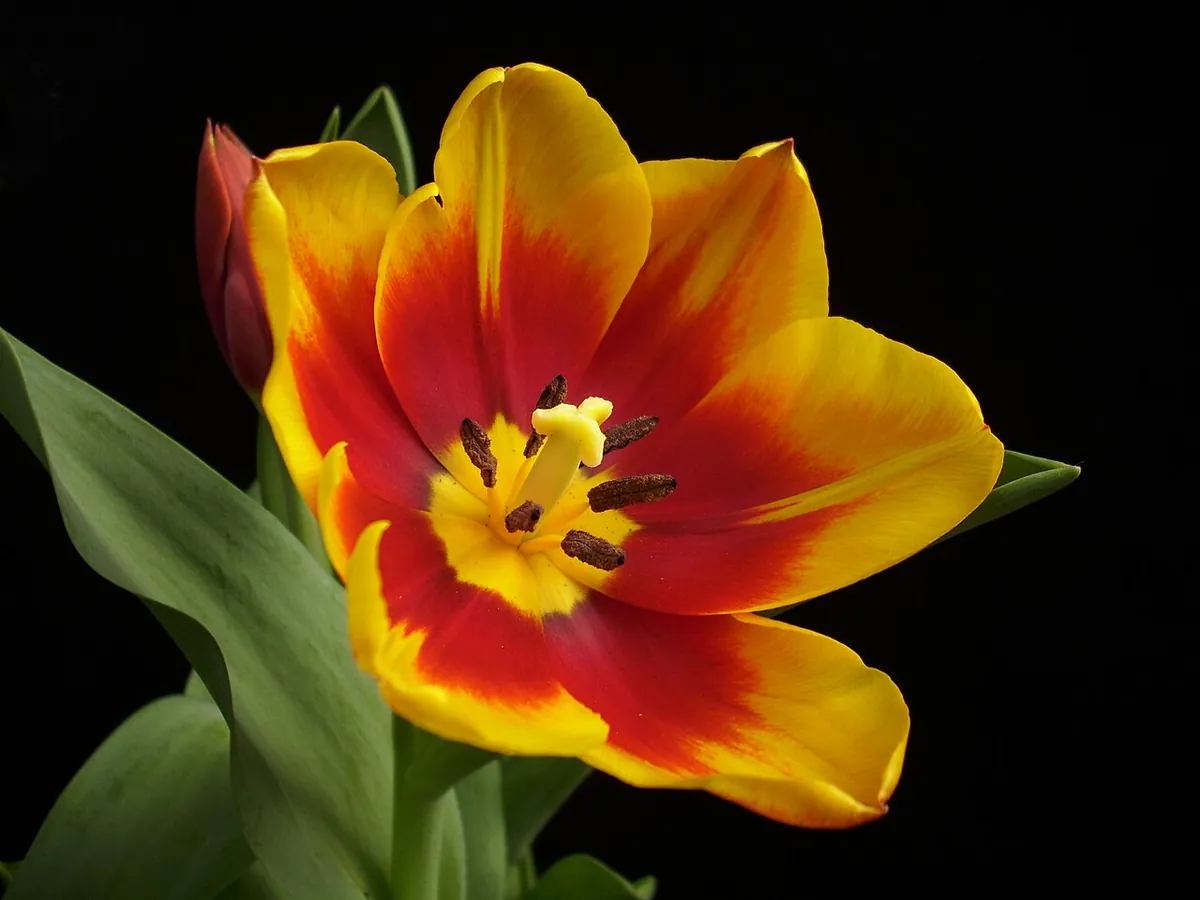
Tulips are toxic to dogs. Every part of the plant contains tulipalin A and B, but the bulb holds the highest concentration, so a dog that digs up and eats bulbs faces the greatest risk.
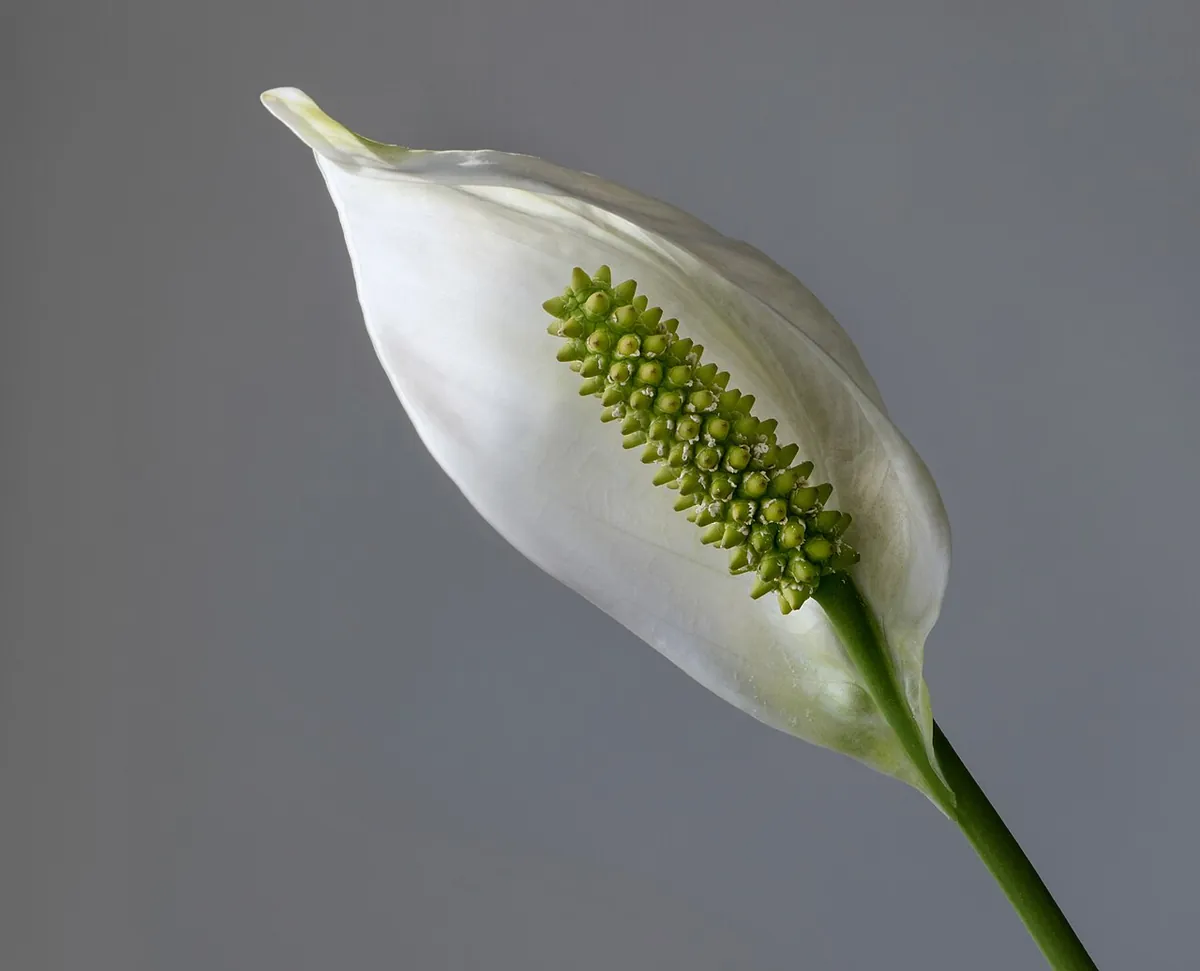
Peace lilies are toxic to dogs, but usually painful rather than life-threatening. Chewing releases calcium oxalate crystals that burn the mouth, cause drooling and vomiting, and can make swallowing difficult.
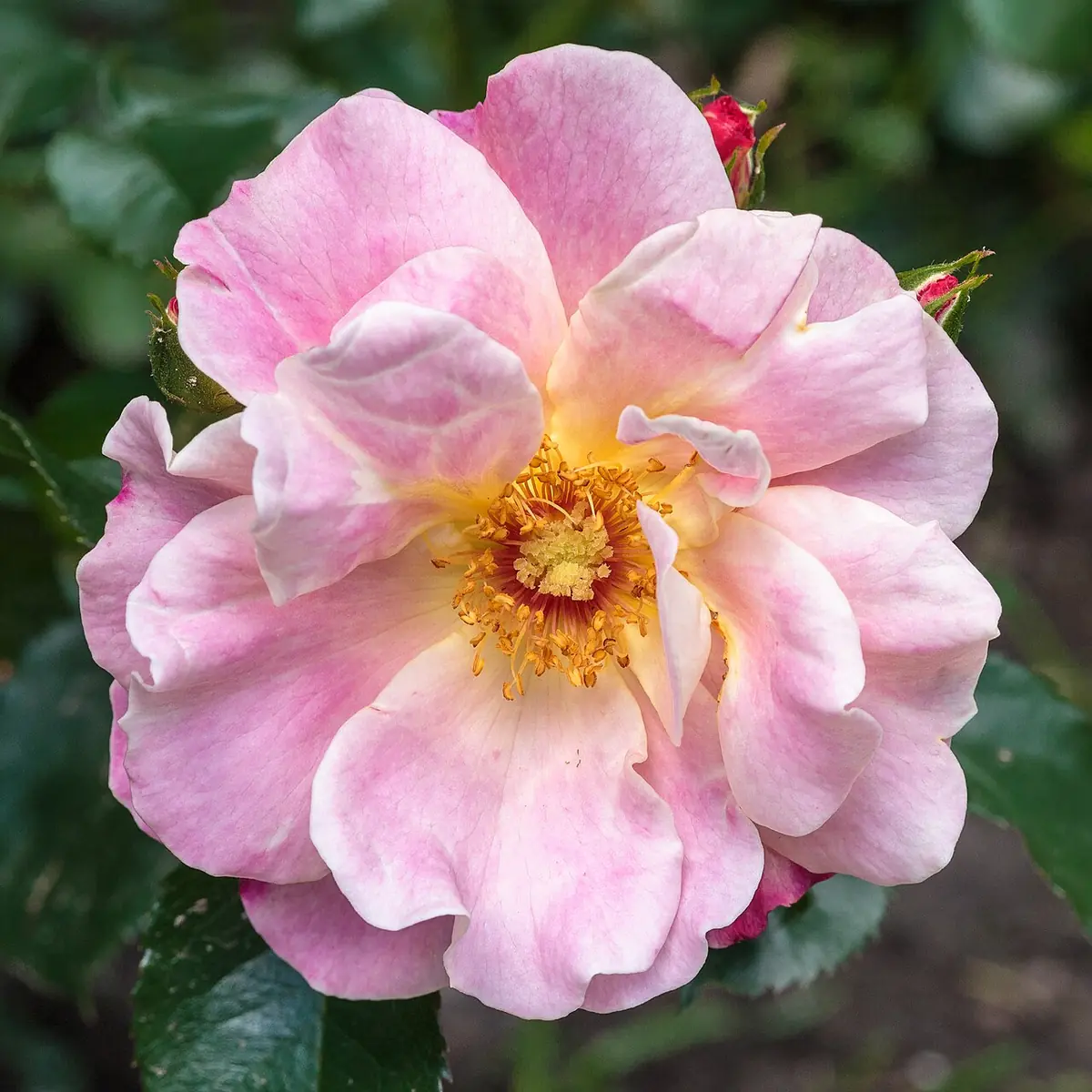
The ASPCA lists roses (Rosa species) as non-toxic to dogs, cats, and horses. The real risks are the thorns and any pesticides, fertilizers, or flower food on the plant.
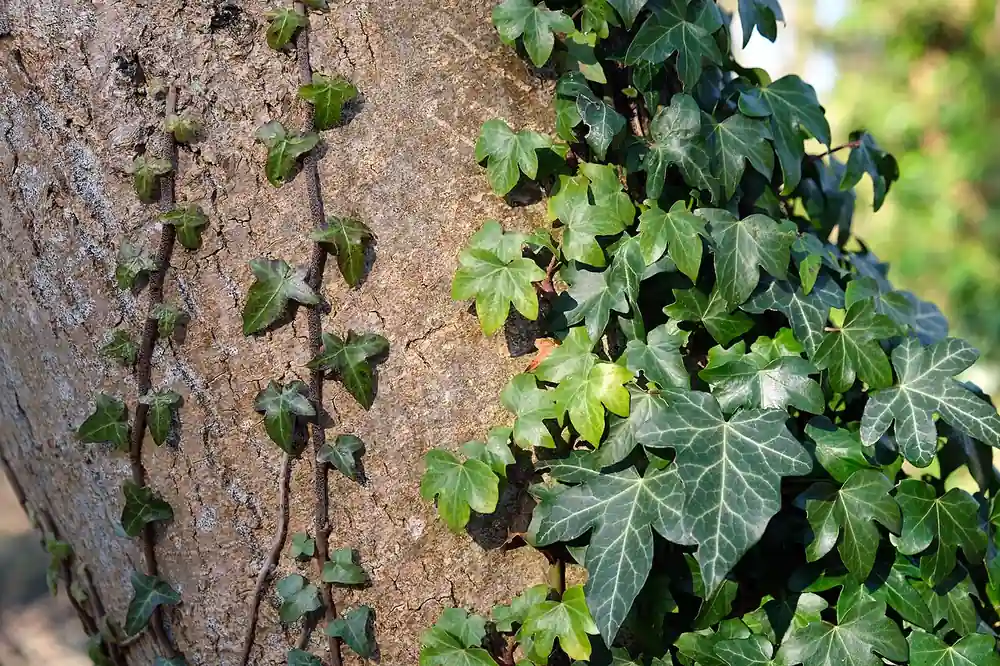
The ASPCA lists English ivy as toxic to dogs. Its leaves contain triterpenoid saponins that cause vomiting, abdominal pain, drooling, and diarrhea. Pet Poison Helpline rates the toxicity as mild, but any dog that eats it should be checked by a veterinarian.