Is Yarrow Toxic to Dogs? What Every Owner Should Know
Yes — yarrow is toxic to dogs.
The ASPCA lists yarrow as toxic to dogs. Eating it usually causes vomiting, diarrhea, drooling, and loss of appetite, and there is no established safe amount, so keep yarrow out of your dog's reach.
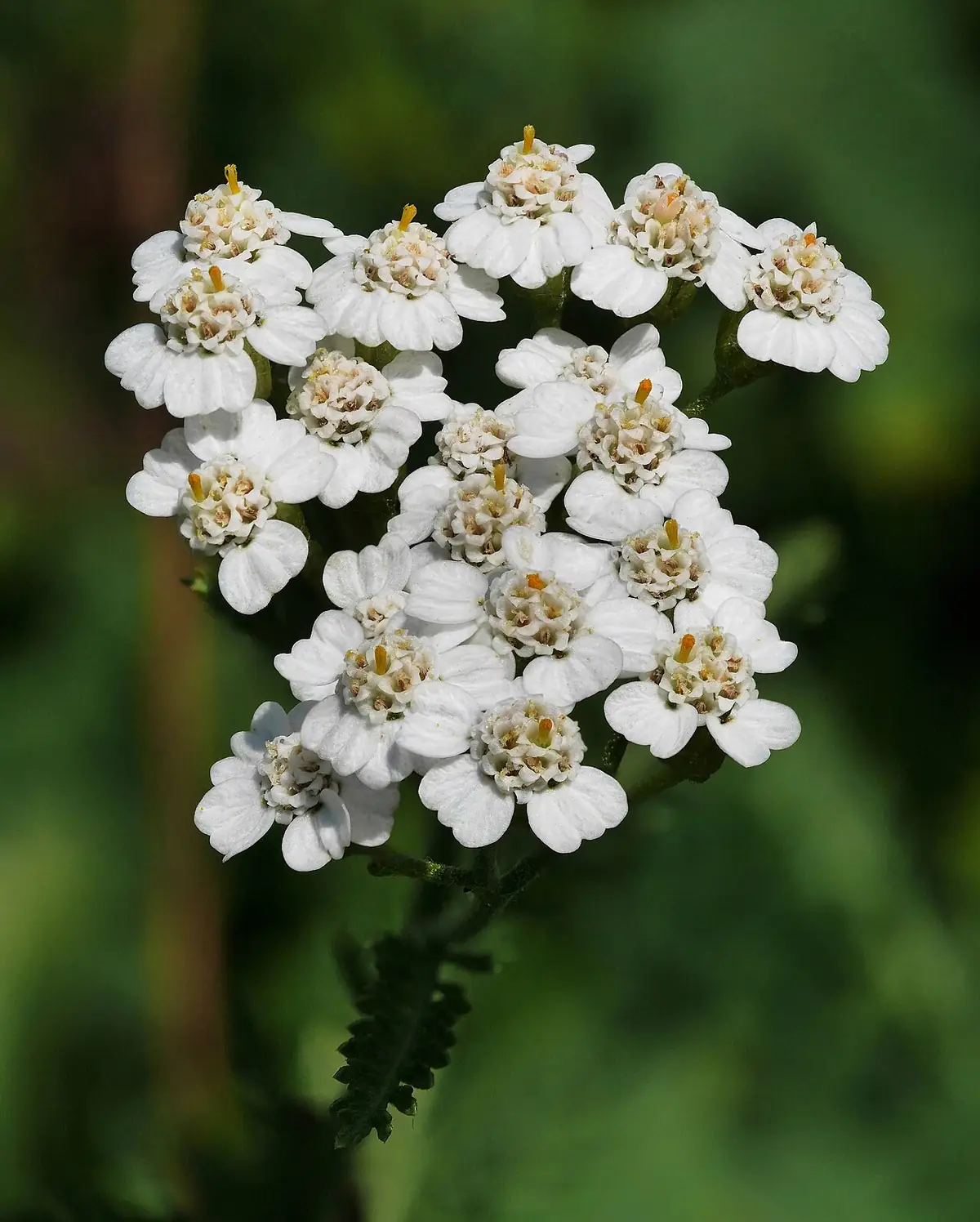

- Item
- Yarrow
- Scientific name
- Achillea millefolium
- Also called
- Milfoil, Soldier's Woundwort, Dog Daisy, Devil's Nettle, Old Man's Pepper
- Category
- Plants
- Verdict
- Toxic
- Symptoms start
- Onset time is not well established — the ASPCA does not give a time frame for yarrow signs in dogs, so we do not state one here. If your dog has eaten yarrow, watch for vomiting, diarrhea, or drooling over the next hours and call your veterinarian for advice.
Yes, yarrow is toxic to dogs. The ASPCA lists yarrow (Achillea millefolium) as toxic to dogs, cats, and horses, and names its toxic principles as glycoalkaloids (achillein), monoterpenes, and sesquiterpene lactones (achillin). The signs it lists for dogs are vomiting, diarrhea, colic, drooling, loss of appetite, skin irritation, and depression.
The toxicity is at the milder end of the ASPCA's toxic plant list, but it is a real listing, and a dog that eats a lot of yarrow can become quite unwell. Yarrow grows wild in fields, lawns, and roadsides, and it is also planted in gardens for its flat-topped white flower clusters, so it is easy for a dog to come across.
If your dog ate it — what to do now
- Move your dog away from the yarrow and remove the plant material so your dog cannot eat more.
- Brush yarrow off your dog's skin or fur and wash the area with mild soap and water.
- Call your veterinarian or ASPCA Animal Poison Control Center at (888) 426-4435 (a consultation fee may apply) and describe what your dog ate, how much, and your dog's weight and age.
- Keep a sample or a photo of the plant so you can show it to the vet.
Do not do this
- Do not induce vomiting unless a veterinarian tells you to.
- Do not give activated charcoal unless a veterinarian tells you to.
- Do not give your dog yarrow tea, tinctures, or supplements as a home remedy.
- Do not give milk, food, or home remedies to settle the stomach unless your veterinarian tells you to.
What makes yarrow toxic to dogs?
Yarrow contains three groups of compounds the ASPCA names as its toxic principles: glycoalkaloids (achillein), monoterpenes, and sesquiterpene lactones (achillin). These are the plant's natural chemical defences, and they are present in the leaves, stems, and flowers. When a dog eats the plant, these compounds irritate the gut and can affect the nervous system, which is why the ASPCA's sign list includes both stomach upset and depression. Yarrow has a long history as a human herbal remedy, but that does not make it safe for dogs, and herbal preparations made from yarrow carry the same risk as the fresh plant.
- Toxic principles: glycoalkaloids (achillein), monoterpenes, sesquiterpene lactones (achillin)
- Present in the leaves, stems, and flowers of the plant
- Herbal and medicinal use in people does not make yarrow safe for dogs
How much yarrow is dangerous for dogs?
There is no established toxic dose for yarrow in dogs. The ASPCA does not publish an amount in milligrams per kilogram or a number of leaves, and we could not find one in any authoritative source we checked. So there is also no established safe dose, and no amount of yarrow can be called safe for a dog to eat. A small nibble is likely to cause only mild stomach upset, while eating a large amount is more likely to cause repeated vomiting, diarrhea, and colic. Puppies, small dogs, and dogs that already have stomach problems are more likely to be affected by a small amount.
- No toxic dose in mg/kg has been established
- No safe dose has been established either
- Risk rises with the amount eaten: a nibble is lowest risk, a large meal is highest
Symptoms of yarrow poisoning in dogs
The ASPCA lists seven clinical signs for yarrow in dogs: vomiting, diarrhea, colic, drooling, anorexia, dermatitis, and depression. In plain terms, a dog that has eaten yarrow may vomit, have loose stools, drool more than usual, refuse food, seem quiet or low in mood, and show signs of belly pain such as restlessness, hunching, or whining. Skin irritation is also listed, though the ASPCA does not say whether it comes from eating the plant or from contact with it. Repeated vomiting, bloody stools, or a dog that is very lethargic or collapsed after eating yarrow is urgent and needs a veterinarian right away.
- ASPCA signs: vomiting, diarrhea, colic, drooling, loss of appetite, dermatitis, depression
- Belly pain may show as restlessness, hunching, or whining
- Repeated vomiting, bloody stools, or collapse is urgent
What to do if your dog eats yarrow
Move your dog away from the yarrow and remove any remaining plant material so your dog cannot eat more. If yarrow is on your dog's skin or fur, brush it off and wash the area with mild soap and water, since the ASPCA lists skin irritation among the signs. Call your veterinarian or the ASPCA Animal Poison Control Center at (888) 426-4435; a consultation fee may apply. Tell them what your dog ate, how much, and your dog's weight and age, and follow their instructions rather than trying a home remedy first.
- Move your dog away from the yarrow and remove the plant material
- Brush yarrow off skin or fur and wash the area with mild soap and water
- Call your vet or ASPCA Animal Poison Control at (888) 426-4435 (a consultation fee may apply)
How to keep your dog safe around yarrow
In the garden, fence off yarrow beds or plant yarrow where your dog does not roam unsupervised, especially if your dog is a chewer or a grazer. Yarrow also grows wild in lawns, fields, and along paths, so check the areas where your dog walks and pulls up any yarrow growing where your dog grazes. Yarrow spreads aggressively, according to NC State Extension, so a small patch can become a large one if it is left alone. Teach a reliable leave-it cue, and supervise your dog in new gardens and wildflower meadows where yarrow is common.
- Fence off yarrow beds or plant yarrow out of your dog's usual area
- Pull up wild yarrow growing in lawns and along your dog's walking routes
- Supervise your dog in meadows and wildflower gardens where yarrow is common
Yarrow products in the home: dried yarrow, tea, and herbal remedies
Dried yarrow is the same plant as fresh yarrow, so the ASPCA's toxic listing applies to dried bundles, dried flowers, and potpourri just as it does to the living plant. Yarrow tea and herbal tinctures, capsules, and wound-care products are made from the same plant material, and no separate safety threshold for these forms was found in the sources we checked. Store dried yarrow, tea bags, and herbal products in closed containers out of your dog's reach, and never give a dog yarrow tea or a yarrow supplement as a home remedy. If your dog drinks yarrow tea or swallows a supplement, call your veterinarian.
- Dried yarrow: treat the same as the fresh plant; no separate safe amount is established
- Yarrow tea, tinctures, and capsules: same plant, same risk; never give them to your dog
- Store dried yarrow and herbal products in closed containers out of reach
Safe alternatives to yarrow
If you want the look of a flat-topped flowering plant without the worry, several common plants are listed as safe for dogs. Roses, spider plants, and sunflowers are all listed as safe or non-toxic for dogs by the ASPCA or PetMD, and they work well in gardens and in the home. Roses give a similar cottage-garden feel, sunflowers give height and a bold flower head, and spider plants are an easy indoor option. For a wildflower look, ask your local nursery for dog-safe native flowers, and check any new plant against the ASPCA's toxic and non-toxic plant list before you plant it.
- Roses: listed as safe for dogs by PetMD
- Spider plants: listed as non-toxic to dogs by the ASPCA
- Sunflowers: listed as non-toxic to dogs by the ASPCA
Symptoms to watch for
- Vomiting
- Diarrhea
- Colic (belly pain)
- Drooling
- Loss of appetite
- Dermatitis (skin irritation)
- Depression (low mood, lethargy)
These are the clinical signs the ASPCA lists for yarrow in dogs; the ASPCA does not say whether the dermatitis comes from eating the plant or from skin contact.
Safe alternatives
- Roses — Listed as safe for dogs by PetMD.
- Spider plants — Listed as non-toxic to dogs by the ASPCA.
- Sunflowers — Listed as non-toxic to dogs by the ASPCA.
What about cats? Yarrow is also listed as toxic to cats by the ASPCA, with the same toxic principles and similar signs, so households with cats should keep yarrow out of their reach as well.
Frequently asked questions
Can dogs eat yarrow?
No. The ASPCA lists yarrow as toxic to dogs, and eating it can cause vomiting, diarrhea, drooling, and loss of appetite. A small nibble may cause only mild stomach upset, but there is no established safe amount, so keep yarrow out of your dog's reach.
Is yarrow more dangerous than other garden plants?
Yarrow sits at the milder end of the ASPCA's toxic plant list. Its usual signs are stomach upset, drooling, and low mood, not the heart or kidney failure seen with plants like lilies or oleander. That does not make it safe — a dog that eats a large amount can still become quite unwell and needs a vet's advice.
Is dried yarrow safe for dogs?
No. Dried yarrow is the same plant as fresh yarrow, so the ASPCA's toxic listing applies to it as well. No separate safe amount for dried yarrow, yarrow tea, or yarrow herbal products was found in the sources we checked, so keep all forms out of your dog's reach.
Can yarrow irritate my dog's skin?
The ASPCA lists dermatitis among the clinical signs of yarrow in dogs, but it does not say whether that comes from eating the plant or from skin contact. Yarrow is known to irritate human skin in sensitive people, so if your dog shows redness, itching, or a rash after being around yarrow, contact your veterinarian.
Sources
- ASPCA Poison Control — Yarrow
- ASPCA Poison Control — Toxic and Non-Toxic Plant List — Dogs
- NC State Extension Gardener Plant Toolbox — Yarrow - Achillea millefolium
Related guides
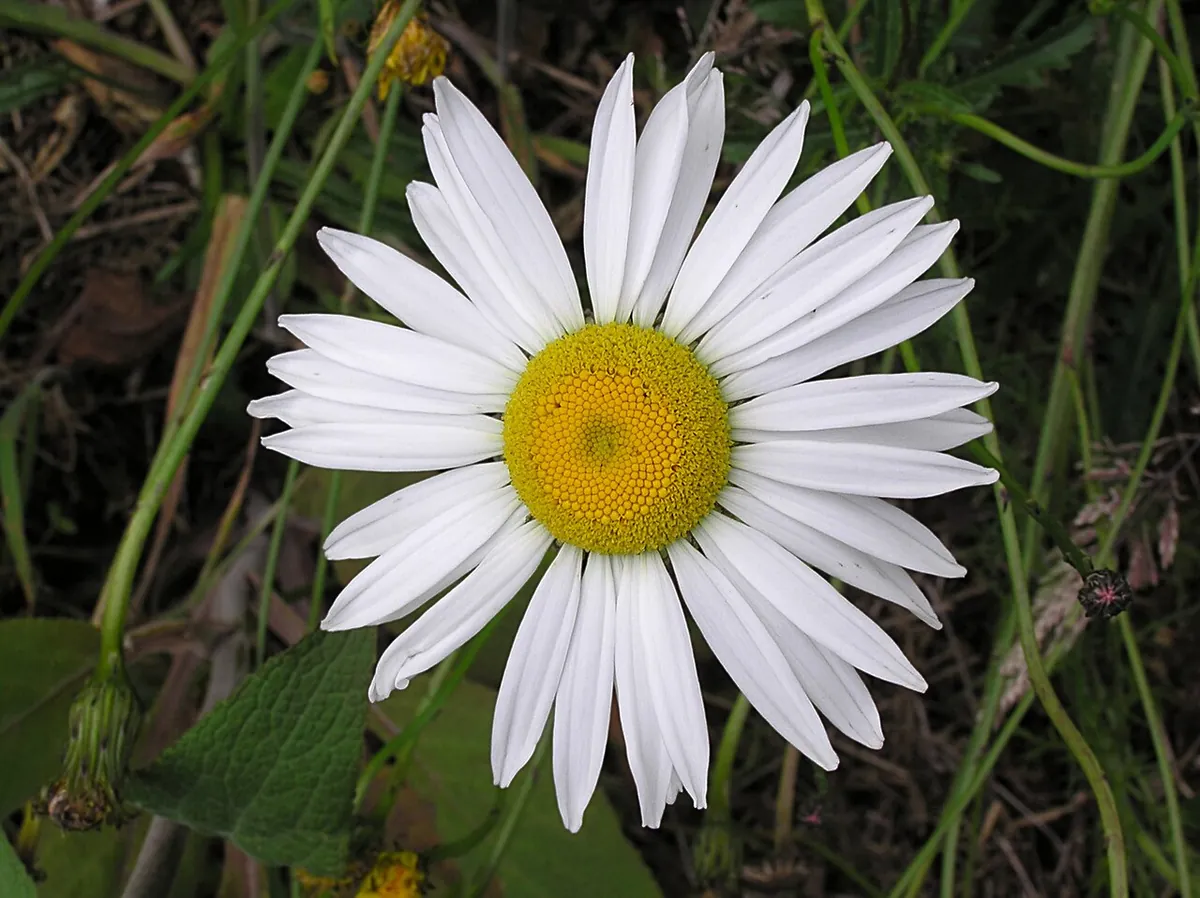
The ASPCA lists daisies (Chrysanthemum species) as toxic to dogs and cats, with vomiting, diarrhea, drooling, incoordination, and skin irritation as the expected signs. Gerbera daisies are the safe exception — the ASPCA lists them as non-toxic — while the evidence on Shasta daisies is thin and conflicting.
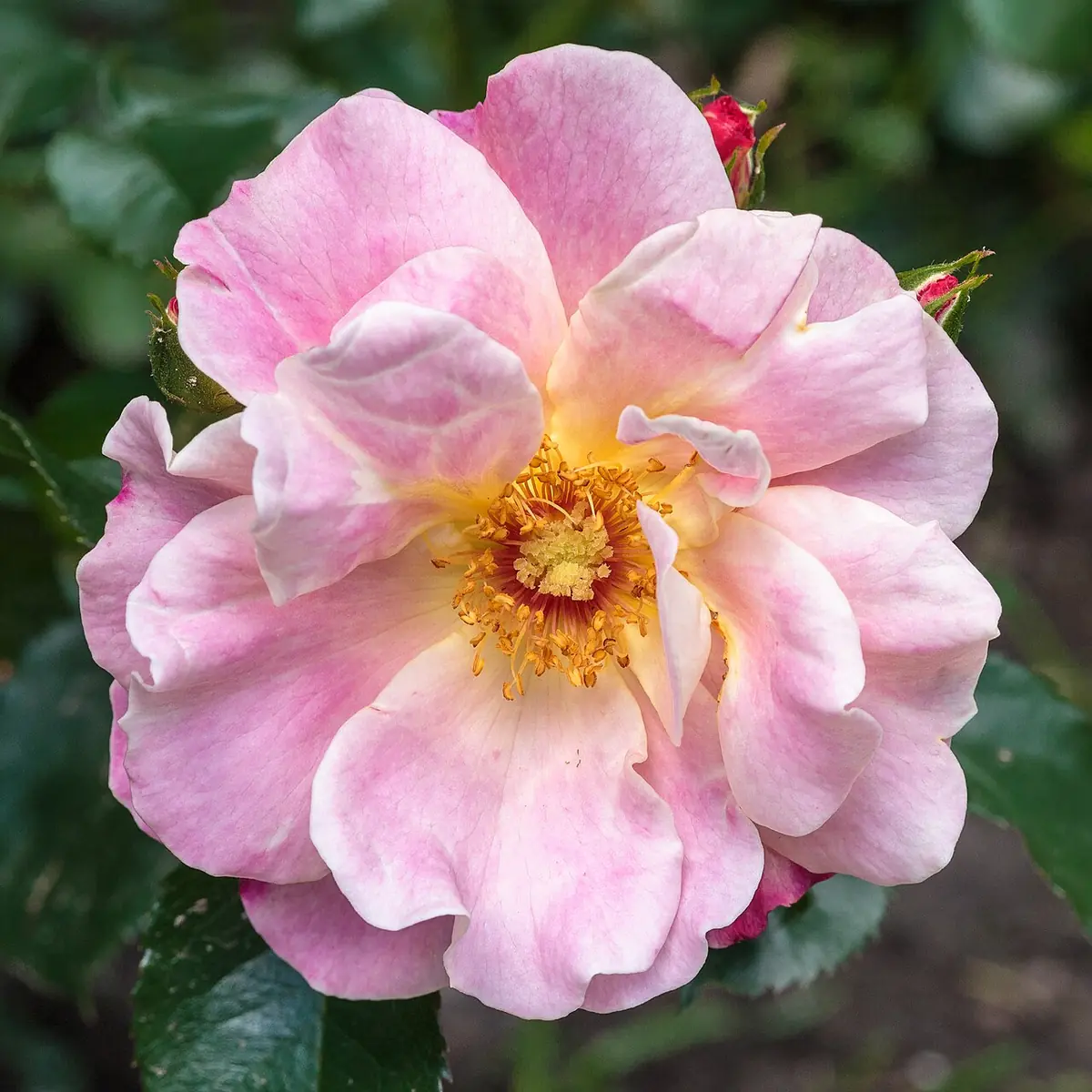
The ASPCA lists roses (Rosa species) as non-toxic to dogs, cats, and horses. The real risks are the thorns and any pesticides, fertilizers, or flower food on the plant.

Sunflowers are not toxic to dogs. The ASPCA lists them as non-toxic, and the seeds are safe too — but only plain, shelled, and unsalted, in small amounts.

Yes — Tagetes marigolds (French and African marigolds) are mildly toxic to dogs, causing stomach upset and possible skin irritation. Pot marigold is a different plant and is listed as non-toxic.