Are Geraniums Toxic to Dogs? What Every Owner Should Know
Yes — geraniums are toxic to dogs.
The ASPCA lists garden geraniums (Pelargonium species) as toxic to dogs. Most dogs get only mild stomach upset, but larger amounts can cause wobbliness, weakness, and low body temperature.
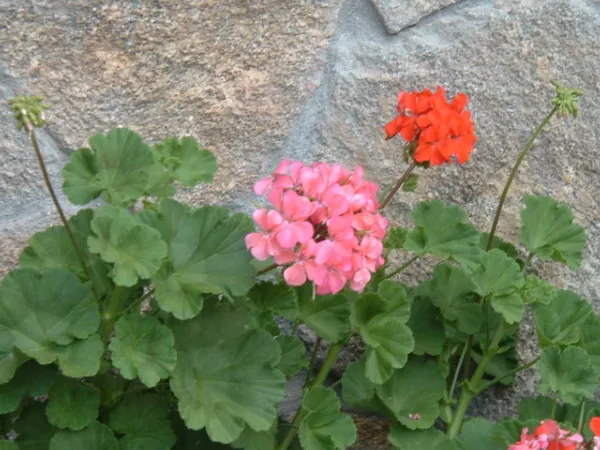

- Item
- Geraniums
- Scientific name
- Pelargonium spp.
- Also called
- Garden geranium, Zonal geranium, Scented geranium, Ivy geranium, Pelargonium
- Category
- Plants
- Verdict
- Toxic
- Symptoms start
- Onset time is not well established in the sources reviewed. Stomach upset usually appears soon after a dog eats the plant.
Yes, geraniums are toxic to dogs, but the name needs a quick explanation. The colorful plants sold in garden centers as geraniums are usually pelargoniums, in the genus Pelargonium, and the ASPCA Animal Poison Control Center lists Pelargonium species as toxic to dogs. True geraniums, also called cranesbills, belong to a different genus, Geranium, and are generally considered non-toxic.
Most dogs that nibble a pelargonium develop only mild stomach upset, such as vomiting or loss of appetite. Larger amounts can cause wobbliness, muscle weakness, depression, or low body temperature. Puppies, small dogs, and dogs that chew a lot of plant material are at the greatest risk, and geranium essential oil is far more concentrated than the plant itself.
If your dog ate it — what to do now
- Move your dog away from the plant and remove any leaves or flowers from its mouth.
- Check your dog's muzzle, paws, and belly for redness or irritation, and find the plant tag if you can.
- Call your veterinarian or ASPCA Animal Poison Control Center at (888) 426-4435 (a consultation fee may apply) for advice, even if your dog looks fine.
- Tell them the plant name, how much your dog ate, your dog's size, and any symptoms you have seen.
- Seek veterinary care promptly if symptoms get worse.
Do not do this
- Do not induce vomiting unless a veterinarian tells you to.
- Do not give home remedies as a substitute for veterinary advice.
- Do not use geranium essential oil on your dog or in a diffuser near your dog.
- Do not assume the plant is safe just because it is sold as a geranium — check whether it is a Pelargonium or a true Geranium.
- Do not wait for symptoms if your dog ate a large amount, is a puppy or small dog, or was exposed to geranium essential oil.
What makes geraniums toxic to dogs?
The plants most people call geraniums are pelargoniums, and their toxic compounds are geraniol and linalool. The ASPCA lists geraniol and linalool as the toxic principles for Pelargonium species, and lists essential oils as the toxic principle for scented geraniums. These fragrant compounds are found in the leaves, stems, and flowers, and in much higher concentrations in geranium essential oil.
Geraniol and linalool irritate the digestive tract, which is why vomiting and loss of appetite are the most common signs. They can also irritate the skin on contact. In larger exposures, the ASPCA notes, they can cause ataxia (wobbliness), muscle weakness, depression, and hypothermia, or low body temperature. True geraniums, or cranesbills, belong to the genus Geranium and are generally considered non-toxic, so treat a plant labeled only as geranium as a pelargonium unless the tag shows the scientific name Geranium.
How much geranium is dangerous for dogs?
There is no established toxic dose for geraniums in dogs. The ASPCA does not give a dose in milligrams per kilogram of body weight, and no source reviewed gives a safe amount of leaves or flowers a dog can eat. There is no amount you can rely on as safe, and any ingestion should be taken seriously.
In practice, the risk depends on how much the dog eats and how big the dog is. A single nibbled leaf or petal is likely to cause, at most, mild stomach upset in a healthy adult dog. A dog that eats several leaves, stems, or flowers, or a puppy or small dog that eats even a modest amount, is more likely to show stronger symptoms. Geranium essential oil is a different matter: because the oil concentrates geraniol and linalool, a small amount of oil is far more dangerous than the same amount of plant material. If your dog has been exposed to the oil rather than the plant, tell your veterinarian right away.
Symptoms of geranium poisoning in dogs
The most common signs after a dog eats a geranium are vomiting, loss of appetite, and depression, which here means unusual quietness and low energy. The ASPCA lists exactly these signs for Pelargonium species, along with dermatitis, or skin irritation. A dog that has rubbed against or chewed the plant may develop red, itchy skin around the muzzle or paws. Diarrhea and lethargy can also occur, and are usually mild and short-lived when only a small amount was eaten.
More serious signs appear mainly after larger exposures: the ASPCA warns that larger amounts can cause ataxia, muscle weakness, depression, and hypothermia. A dog that is wobbly, very weak, unusually cold, or hard to rouse after eating geraniums needs emergency veterinary care right away. If vomiting continues, if the dog refuses food and water, or if diarrhea is severe, the dog needs veterinary care.
- Vomiting
- Loss of appetite
- Depression or unusual quietness
- Lethargy
- Diarrhea
- Skin irritation or rash (dermatitis)
- Wobbliness or loss of coordination (larger amounts)
- Muscle weakness (larger amounts)
- Low body temperature (larger amounts)
What to do if your dog eats geraniums
Stay calm and move your dog away from the plant. Gently remove any leaves or flowers from your dog's mouth, and check the muzzle, paws, and belly for redness or irritation. Try to find out which plant it was and how much your dog ate, and take a photo of the plant tag if you still have it, so you can tell the veterinarian whether it was a Pelargonium or a true Geranium.
Call your veterinarian or ASPCA Animal Poison Control Center at (888) 426-4435 (a consultation fee may apply) for advice, even if your dog looks fine. Describe the plant, the amount eaten, your dog's size, and any symptoms you have seen. Do not wait for symptoms if your dog ate a large amount, is a puppy or a small dog, or was exposed to geranium essential oil.
How to keep your dog safe around geraniums
Geraniums are among the most common bedding and container plants in the United States, so keeping them away from a curious dog takes a little planning. In the garden, plant pelargoniums in raised beds, hanging baskets, or window boxes your dog cannot reach, rather than at ground level along paths your dog uses. Indoors, keep potted geraniums on high shelves or in rooms your dog does not enter unsupervised.
Teach your dog a leave it command and reward it for ignoring plants. Puppies are at particular risk because they explore with their mouths and are small enough that a modest amount of plant material is a larger dose for them. Remove fallen leaves and dead flowers before your dog finds them. Store geranium essential oil, scented candles, and potpourri containing geranium oil well out of reach, and do not use geranium oil in a diffuser in a closed room with your dog. When you buy a new plant, check the scientific name on the tag: if it says Pelargonium, treat the plant as toxic.
Safe alternatives to geraniums
You do not have to give up colorful flowers to keep your dog safe. Roses are listed as non-toxic to dogs by the ASPCA, although their thorns can injure a dog's mouth or paws, so keep bouquets out of reach. Petunias and sunflowers are also popular, dog-friendlier choices for sunny beds and containers. For indoor color, spider plants and Phalaenopsis orchids are non-toxic to dogs and widely available. Whatever you choose, keep plants out of easy reach, do not let your dog eat plant material, and check whether a new plant was sprayed with pesticides or fertilizer before you bring it home.
Symptoms to watch for
- Vomiting
- Loss of appetite
- Depression or unusual quietness
- Lethargy
- Diarrhea
- Skin irritation or rash (dermatitis)
- Wobbliness or loss of coordination (larger amounts)
- Muscle weakness (larger amounts)
- Low body temperature (larger amounts)
Most dogs show only mild stomach upset; wobbliness, weakness, and low body temperature are signs of a larger exposure and need urgent veterinary care.
Safe alternatives
- Roses — Listed as non-toxic to dogs by the ASPCA, though thorns can still injure a dog's mouth or paws.
- Petunias — A colorful bedding plant that is a safer choice for a dog-friendly garden.
- Sunflowers — Non-toxic to dogs and a cheerful replacement for geraniums in sunny beds.
- Spider plants — A non-toxic houseplant that is safe to grow indoors around dogs.
- Orchids (Phalaenopsis) — A non-toxic flowering houseplant for indoor color without the geranium risk.
What about cats? Geraniums are also toxic to cats. In fact, the ASPCA notes that cats are the most sensitive to scented geraniums, and larger exposures can cause wobbliness, muscle weakness, depression, or low body temperature. Keep geraniums and geranium essential oil away from cats as well as dogs.
Frequently asked questions
Are geraniums toxic to dogs?
Yes. The ASPCA lists geraniums (Pelargonium species) as toxic to dogs, with geraniol and linalool as the toxic principles. The usual signs are vomiting, loss of appetite, depression, and skin irritation. True geraniums in the genus Geranium (cranesbills) are a different group and are generally considered non-toxic, so check the plant tag.
Can geraniums kill a dog?
Most dogs that eat a small amount develop only mild stomach upset, such as vomiting or loss of appetite, and recover with veterinary advice and monitoring. Larger amounts can cause more serious signs, including wobbliness, muscle weakness, depression, or low body temperature. Puppies and small dogs are at greater risk because of their size. Always call your veterinarian or poison control for advice rather than guessing how serious it is.
Is geranium essential oil safe for dogs?
No. Do not use geranium essential oil, geranium-scented products, or diffusers around dogs. The ASPCA lists essential oils as the toxic principle for scented geraniums, and oils contain the same compounds, geraniol and linalool, in a much more concentrated form than the plant itself. Keep oils, diffusers, and scented candles out of reach and never apply geranium oil to your dog's skin or fur.
What is the difference between geraniums and pelargoniums?
True geraniums, also called cranesbills, belong to the genus Geranium and are generally considered non-toxic to dogs. The plants sold in garden centers as geraniums, including zonal, ivy, and scented geraniums, are usually Pelargonium species and are the toxic ones. Check the scientific name on the plant tag: Pelargonium means it is toxic, Geranium means it is a true geranium.
Sources
- ASPCA Poison Control — Geranium
- ASPCA Poison Control — Scented Geranium
- Plant Addicts — Are Geraniums Poisonous?
Related guides
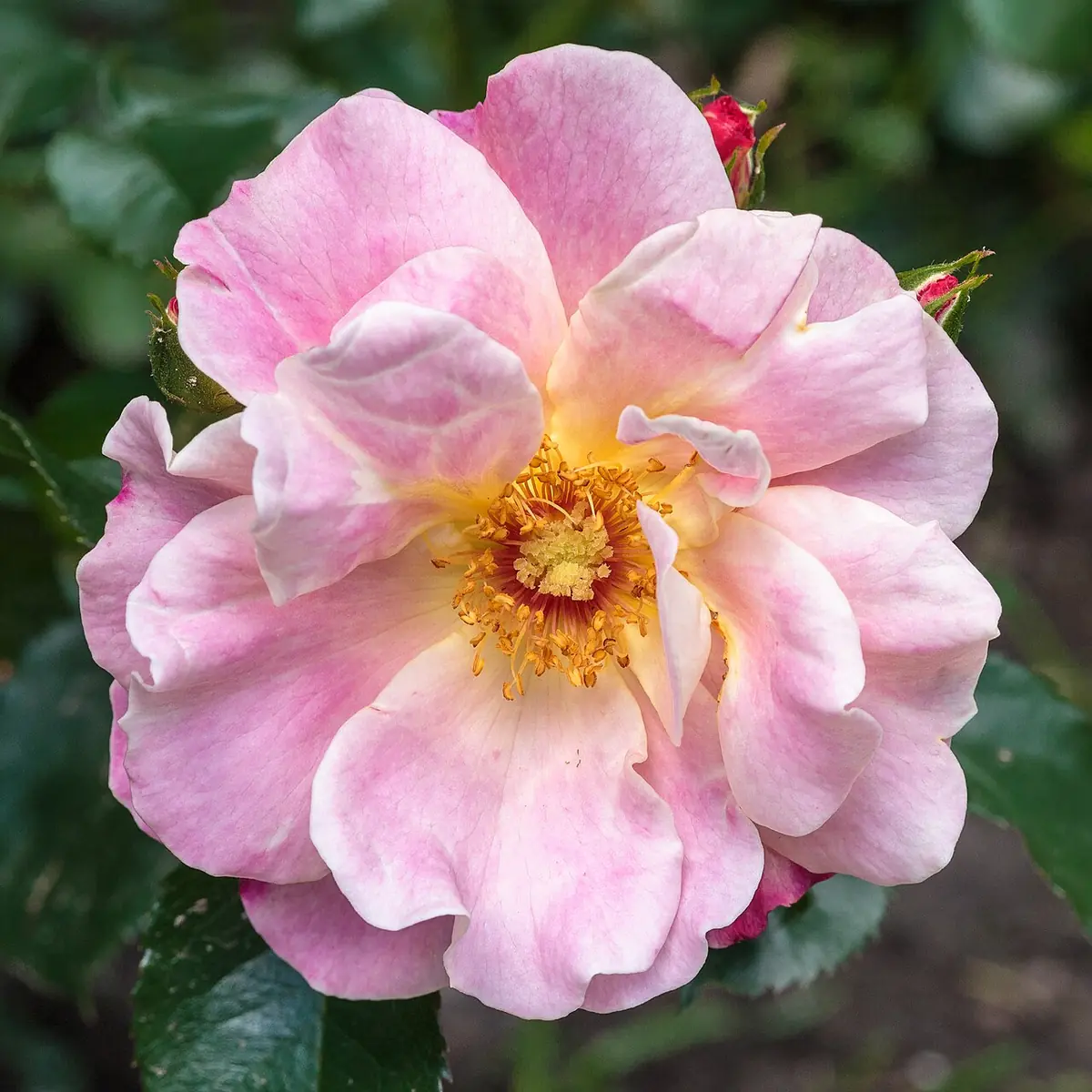
The ASPCA lists roses (Rosa species) as non-toxic to dogs, cats, and horses. The real risks are the thorns and any pesticides, fertilizers, or flower food on the plant.
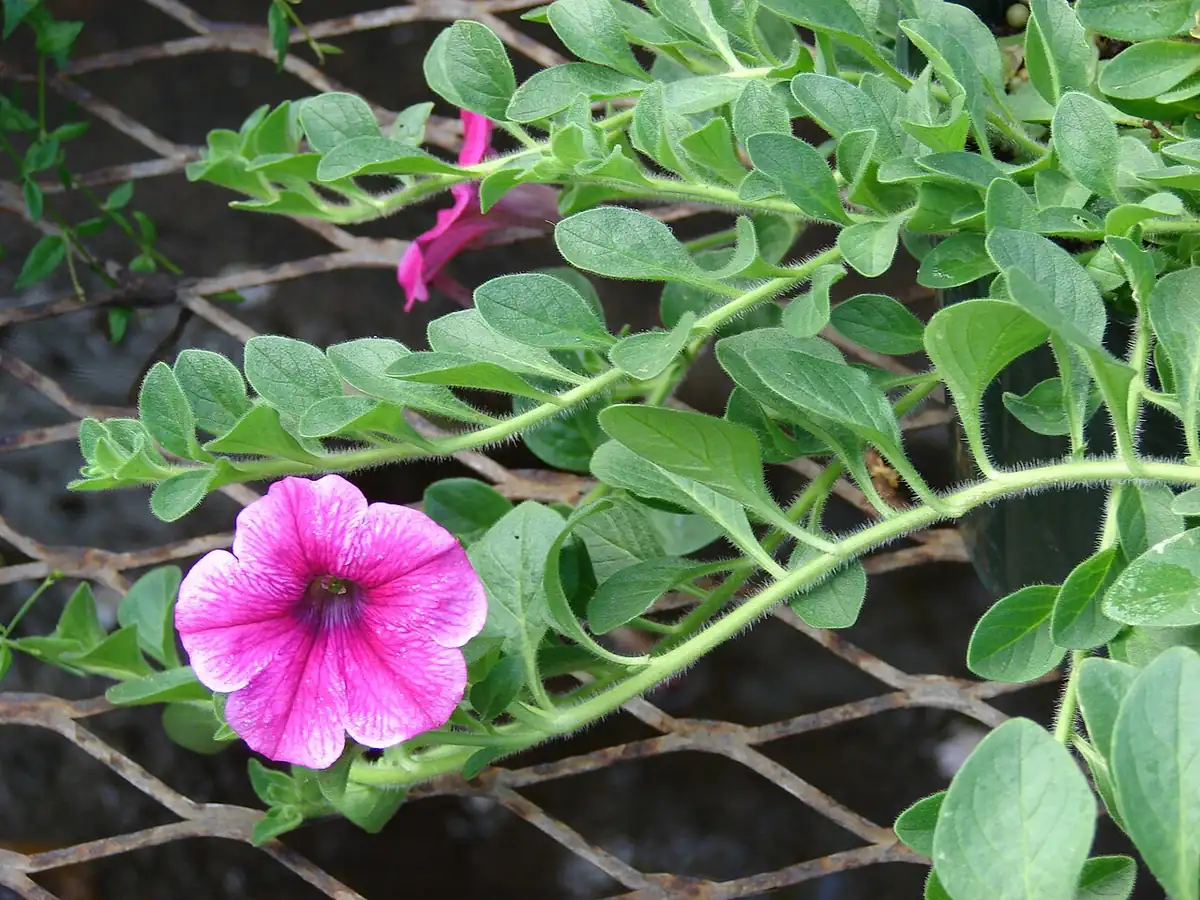
Petunias are not toxic to dogs. The ASPCA lists Petunia species as non-toxic to dogs, cats, and horses, with no toxic principle identified. A nibble needs no emergency action, though eating a lot of any plant can upset the stomach.

Yes — Tagetes marigolds (French and African marigolds) are mildly toxic to dogs, causing stomach upset and possible skin irritation. Pot marigold is a different plant and is listed as non-toxic.
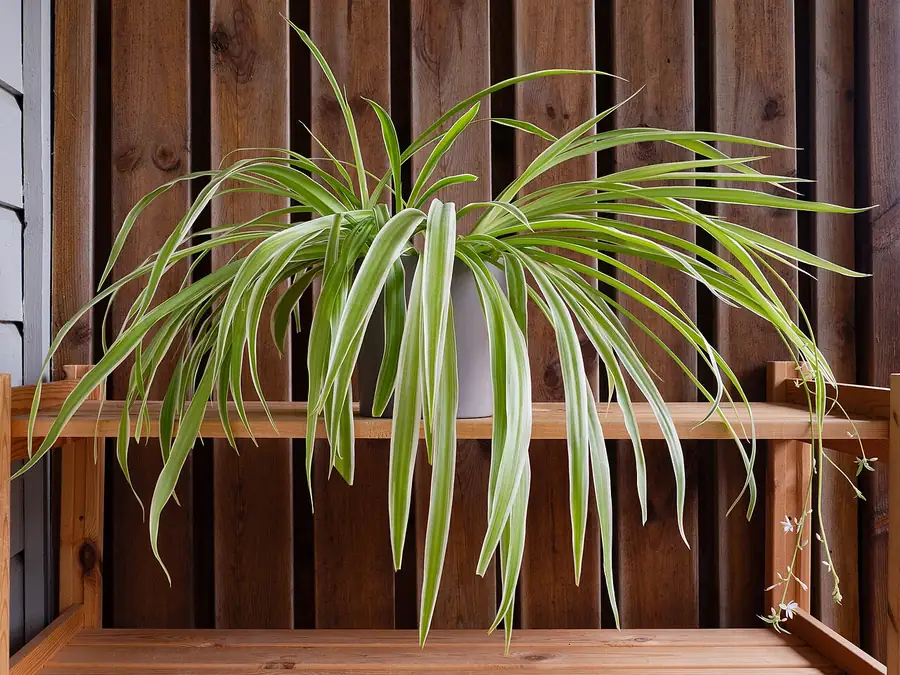
The ASPCA lists spider plants as non-toxic to dogs, cats, and horses, and PetMD includes them among the houseplants safe for dogs. A dog that eats a large amount may still get a mild stomach upset.