Is Vinca Toxic to Dogs? What Every Owner Should Know
Yes — vinca is toxic to dogs.
The ASPCA lists vinca as toxic to dogs. All parts of the plant contain vinca alkaloids, and eating a large amount can cause vomiting, diarrhea, low blood pressure, tremors, seizures, and in the worst cases coma or death. A single leaf of common periwinkle is unlikely to poison a dog, but no amount is known to be safe.
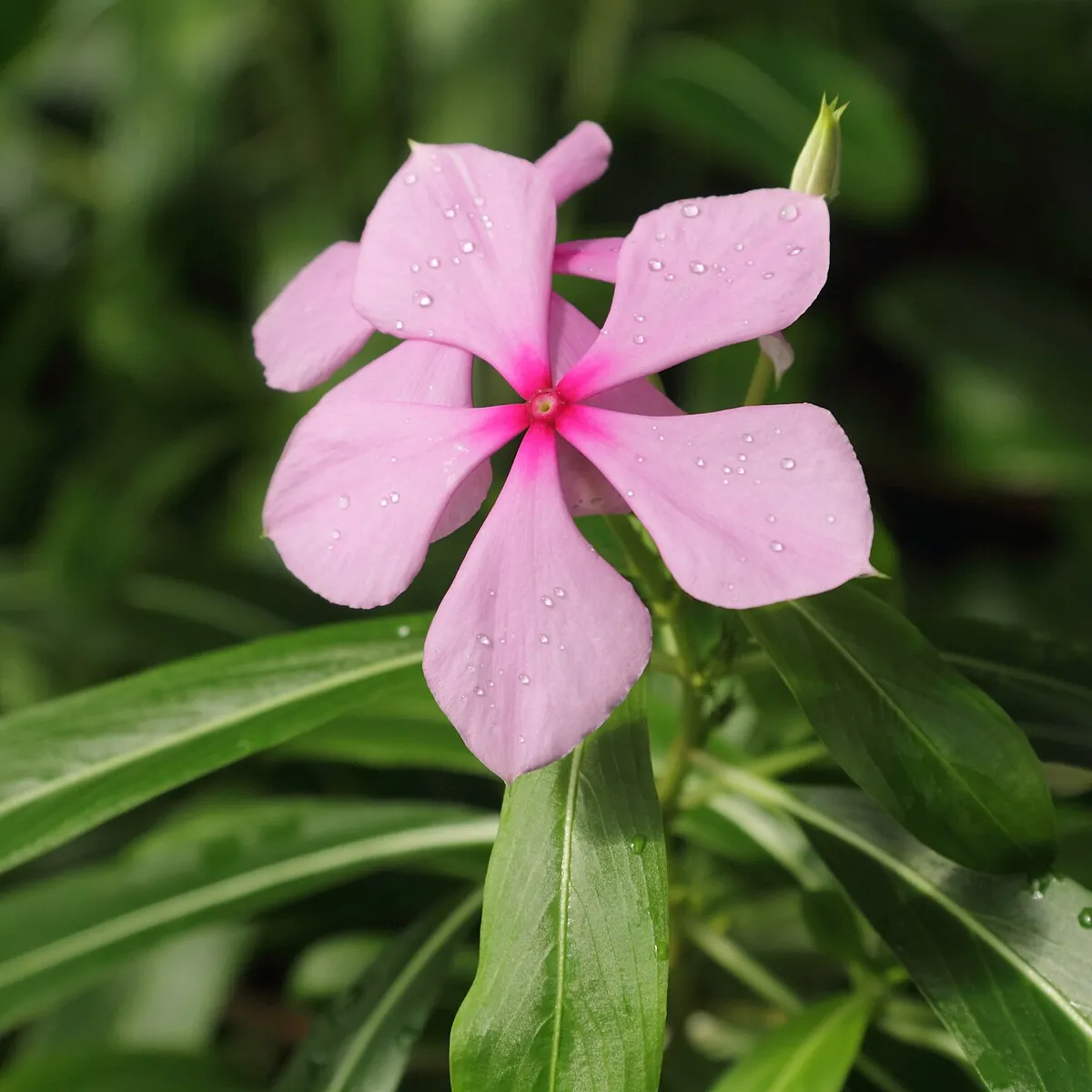

- Item
- Vinca
- Scientific name
- Vinca rosea
- Also called
- Periwinkle, Madagascar periwinkle, Running myrtle, Annual vinca
- Category
- Plants
- Verdict
- Toxic
- Symptoms start
- Onset time is not well established — the ASPCA and Pet Poison Helpline pages we checked do not give a time frame for vinca signs in dogs, so we do not state one here.
Yes, vinca is toxic to dogs. The ASPCA lists vinca (Vinca rosea) as toxic to dogs, cats, and horses, and names vinca alkaloids as the toxic principles. Its signs for dogs range from vomiting and diarrhea to low blood pressure, depression, tremors, seizures, coma, and death.
The name covers more than one plant, and the risk depends on which one your dog ate and how much. The ASPCA's listing is for Vinca rosea, now usually called Madagascar periwinkle or Catharanthus roseus, the pink-flowered annual sold at garden centers. The Pet Poison Helpline covers common periwinkle, Vinca minor, and says one or two leaves or flowers are unlikely to poison a pet, while a large ingestion can cause serious signs.
If your dog ate it — what to do now
- Remove any leftover plant matter from your dog's mouth and move your dog away from the vinca so it cannot eat more.
- Call your veterinarian or ASPCA Animal Poison Control Center at (888) 426-4435 (a consultation fee may apply), or the Pet Poison Helpline at (855) 764-7661.
- Tell them which plant your dog ate, how much, and your dog's weight and age.
- Keep a photo of the plant, if you can, so the veterinarian can confirm which kind of vinca it is.
Do not do this
- Do not induce vomiting unless a veterinarian tells you to.
- Do not give activated charcoal unless a veterinarian tells you to.
- Do not leave plant matter in your dog's mouth — remove it.
- Do not give milk, food, or home remedies to settle the stomach unless your veterinarian tells you to.
What makes vinca toxic to dogs?
Vinca contains vinca alkaloids, the group of compounds the ASPCA names as its toxic principles. These alkaloids are found in every part of the plant: leaves, stems, flowers, and roots, so no part of a vinca plant is safe for a dog to chew. The Pet Poison Helpline notes that periwinkle's alkaloids are also used to make human medicines, including traditional and homeopathic products — a reminder that a plant chemical can be a medicine in a controlled dose and a poison in an uncontrolled one.
- Toxic compounds: vinca alkaloids
- All parts are toxic: leaves, stems, flowers, and roots
- Two plants share the name: Madagascar periwinkle (Catharanthus roseus) and common periwinkle (Vinca minor)
How much vinca is dangerous for dogs?
There is no established toxic dose for vinca in dogs. Neither the ASPCA nor the Pet Poison Helpline publishes an amount in milligrams per kilogram or a number of leaves, and we could not find one in any authoritative source we checked. The Pet Poison Helpline does give a rough guide for common periwinkle (Vinca minor): eating one or two leaves or flowers is unlikely to lead to poisoning, but a large ingestion may cause stomach upset, low blood pressure, tremors, and seizures. Because there is no dose that is known to be safe, do not assume any amount of vinca is fine for your dog to eat.
- No toxic dose in mg/kg has been established
- 1–2 leaves or flowers of common periwinkle: unlikely to poison, per the Pet Poison Helpline
- Large ingestions: stomach upset, low blood pressure, tremors, seizures
Symptoms of vinca poisoning in dogs
The ASPCA lists eight signs for vinca: vomiting, diarrhea, low blood pressure, depression, tremors, seizures, coma, and death. The Pet Poison Helpline describes the same pattern for common periwinkle in milder terms: a large ingestion may cause stomach upset such as diarrhea and vomiting, heart and blood pressure disturbance such as low blood pressure, and nervous system signs such as tremor and seizure. Vomiting and diarrhea are usually the first signs. Weakness, wobbliness, tremors, or seizures after eating vinca are urgent, and any dog that ate a large amount should be seen by a veterinarian even if it still looks fine.
- First signs: vomiting and diarrhea
- Serious signs: low blood pressure, depression, tremors, seizures
- Worst cases: coma and death, listed by the ASPCA
What to do if your dog eats vinca
Remove any leftover plant matter from your dog's mouth, and move your dog away from the vinca so it cannot eat more. Call your veterinarian or the ASPCA Animal Poison Control Center at (888) 426-4435; a consultation fee may apply. You can also call the Pet Poison Helpline at (855) 764-7661. Tell them which plant your dog ate, how much, and your dog's weight and age, and keep a photo of the plant if you can.
- Remove leftover plant matter from your dog's mouth
- Move your dog away from the vinca
- Call your vet or ASPCA Animal Poison Control at (888) 426-4435 (a consultation fee may apply)
- Pet Poison Helpline: (855) 764-7661
How to keep your dog safe around vinca
Vinca is a popular bedding plant and ground cover, so it is easy to bring home without realizing the risk. Plant vinca only where your dog does not roam unsupervised, or fence off beds and borders that contain it. Check the label when you buy: plants sold as annual vinca, Madagascar periwinkle, or Catharanthus roseus are the more potent kind, while common periwinkle (Vinca minor) and big periwinkle (Vinca major) are trailing ground covers. Keep cuttings, clippings, and pulled-up plants in a closed bin your dog cannot reach.
- Plant vinca only where your dog does not roam unsupervised
- Fence off beds and borders that contain vinca
- Check the label: annual vinca is usually Catharanthus roseus
- Keep cuttings and pulled-up plants in a closed bin
Vinca in the garden: annual vinca vs common periwinkle
The two plants behind the name look different once you know what to check. Annual vinca, or Madagascar periwinkle (Catharanthus roseus), is an upright plant with glossy leaves and pink, white, or red five-petaled flowers, sold as a summer bedding annual. Common periwinkle (Vinca minor) and big periwinkle (Vinca major) are low, trailing evergreen ground covers with blue-purple flowers. The ASPCA's toxic listing is for Vinca rosea, the old name for Catharanthus roseus, while the Pet Poison Helpline's page covers Vinca minor. Both are toxic to dogs, so the distinction matters for how worried to be, not for whether to keep the plant away.
- Annual vinca (Catharanthus roseus): upright, pink/white/red flowers, the ASPCA's listing
- Common periwinkle (Vinca minor): trailing ground cover, blue-purple flowers
- Big periwinkle (Vinca major): larger trailing ground cover, also toxic
Safe alternatives to vinca
If you want the look of a flowering bedding plant without the worry, several common plants are listed as safe for dogs. Roses, petunias, and spider plants are all widely listed as safe for dogs by the ASPCA or PetMD, and they work well in beds, containers, and the home. Petunias come in many of the same pink, purple, and white shades as vinca, so they are the closest swap for a vinca bed. Ask your veterinarian before planting anything new if your dog is a keen chewer.
- Roses: listed as safe for dogs by PetMD
- Petunias: listed as non-toxic to dogs by the ASPCA
- Spider plants: listed as non-toxic to dogs by the ASPCA
Symptoms to watch for
- Vomiting
- Diarrhea
- Nausea
- Low blood pressure
- Depression
- Lethargy
- Lack of coordination
- Tremors
- Seizures
- Coma
- Death
The ASPCA lists all of these signs for vinca; the Pet Poison Helpline adds that a small nibble of common periwinkle (Vinca minor) is unlikely to cause poisoning, while a large ingestion can cause stomach upset, low blood pressure, tremors, and seizures.
Safe alternatives
- Roses — Listed as safe for dogs by PetMD.
- Petunias — Listed as non-toxic to dogs by the ASPCA.
- Spider plants — Listed as non-toxic to dogs by the ASPCA.
What about cats? Vinca is also listed as toxic to cats by the ASPCA, with the same signs as in dogs, so keep vinca away from cats as well as dogs.
Frequently asked questions
Can dogs eat vinca?
No. The ASPCA lists vinca as toxic to dogs, and every part of the plant contains vinca alkaloids. The Pet Poison Helpline says one or two leaves or flowers of common periwinkle are unlikely to poison a pet, but a large ingestion can cause stomach upset, low blood pressure, tremors, and seizures, so do not let your dog eat any of it.
Is vinca the same as periwinkle?
The names cover two different plants, and both are toxic. Madagascar periwinkle (Catharanthus roseus, the ASPCA's Vinca rosea) is the upright pink-flowered annual sold at garden centers. Common periwinkle (Vinca minor) is a trailing evergreen ground cover. The Madagascar kind is the more dangerous of the two.
My dog ate one vinca leaf — should I worry?
Probably not much, if it was common periwinkle — the Pet Poison Helpline says one or two leaves or flowers are unlikely to lead to poisoning. Watch your dog for vomiting or diarrhea, and call your veterinarian if any sign appears or if your dog ate more than a leaf or two. If it was Madagascar periwinkle, call your veterinarian sooner, because it carries more potent alkaloids.
Are vinca flowers safe if my dog only chews them?
No. All parts of the plant, including the flowers, contain vinca alkaloids. Remove any plant matter from your dog's mouth and call your veterinarian or the ASPCA Animal Poison Control Center at (888) 426-4435.
Sources
- ASPCA Poison Control — Vinca
- Pet Poison Helpline — Periwinkle Is Toxic To Dogs
- Queensland Poisons Information Centre — Periwinkle (pink or white) (Catharanthus roseus)
Related guides
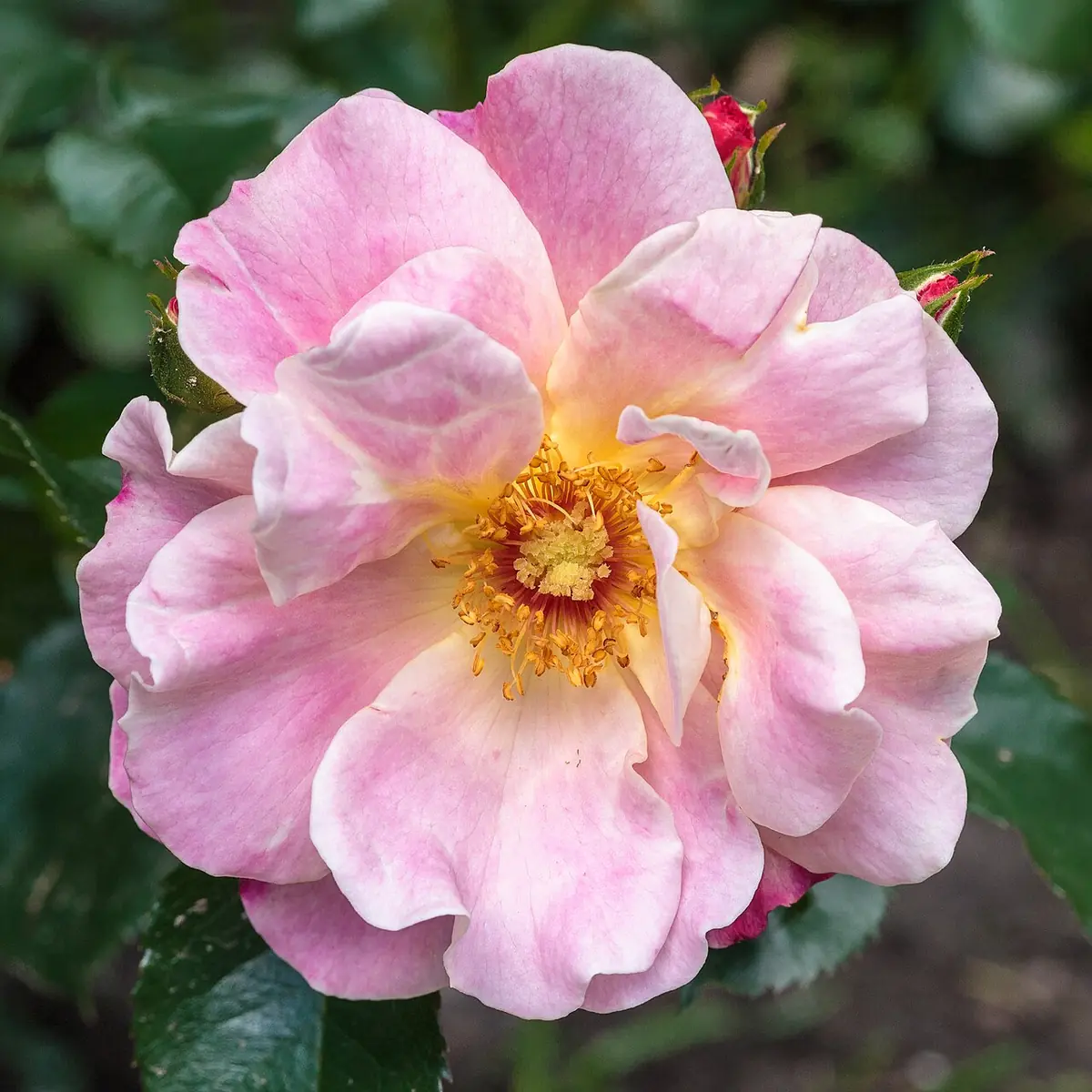
The ASPCA lists roses (Rosa species) as non-toxic to dogs, cats, and horses. The real risks are the thorns and any pesticides, fertilizers, or flower food on the plant.
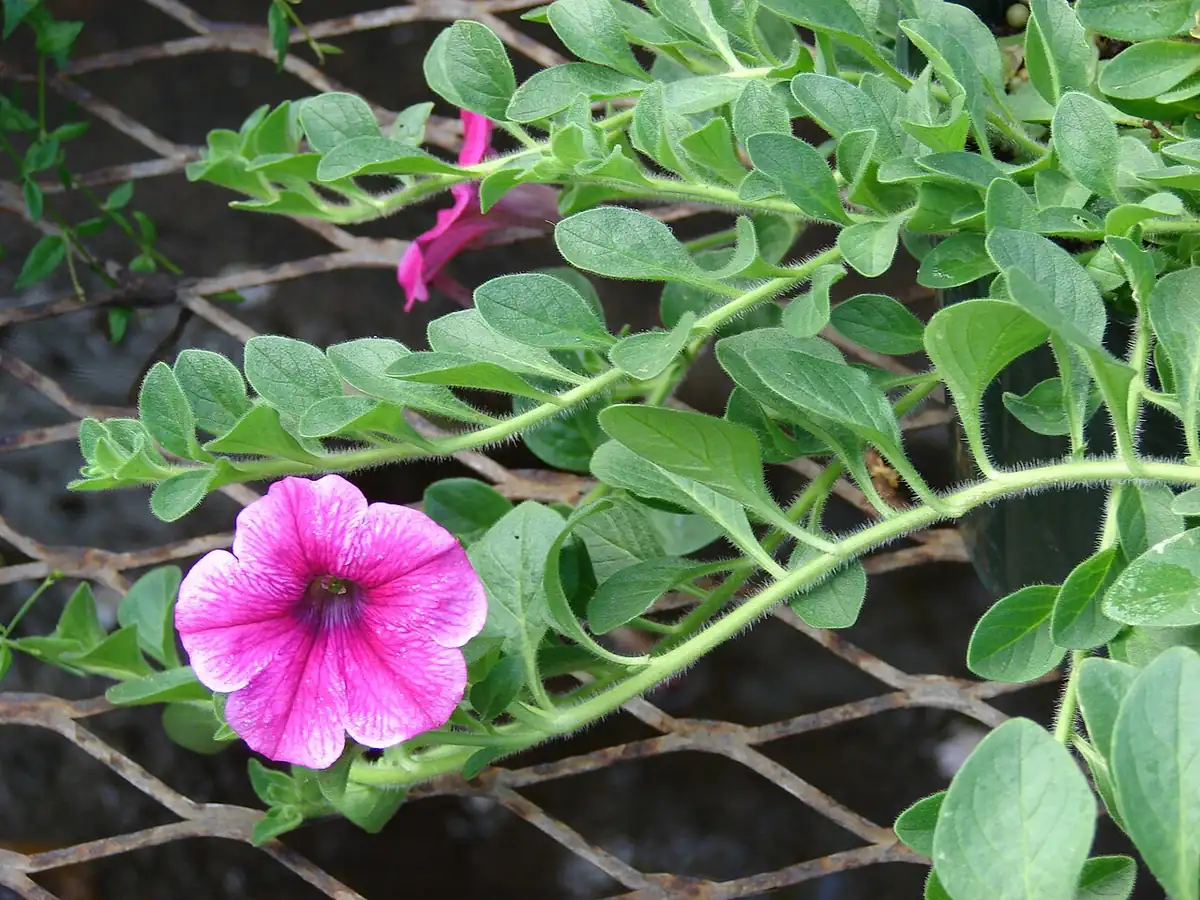
Petunias are not toxic to dogs. The ASPCA lists Petunia species as non-toxic to dogs, cats, and horses, with no toxic principle identified. A nibble needs no emergency action, though eating a lot of any plant can upset the stomach.
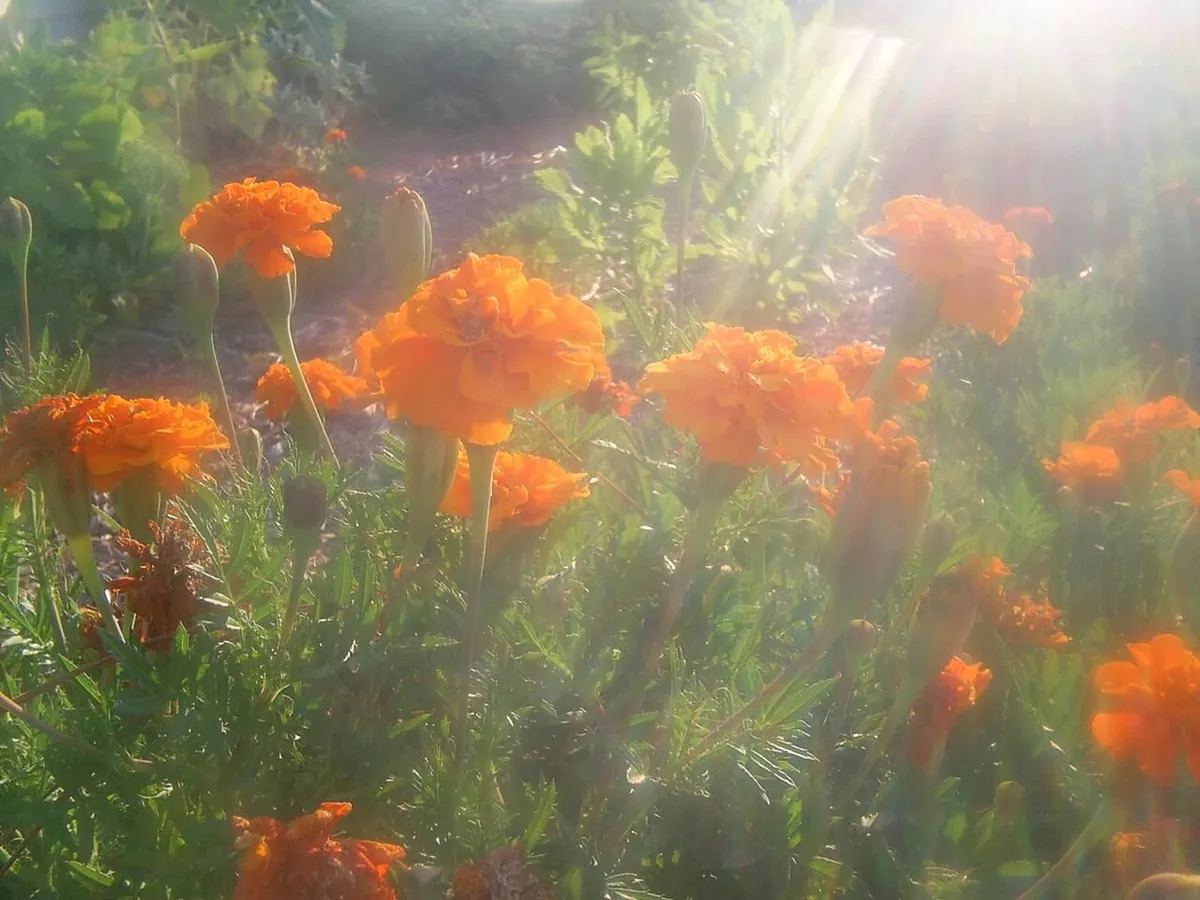
Yes — Tagetes marigolds (French and African marigolds) are mildly toxic to dogs, causing stomach upset and possible skin irritation. Pot marigold is a different plant and is listed as non-toxic.
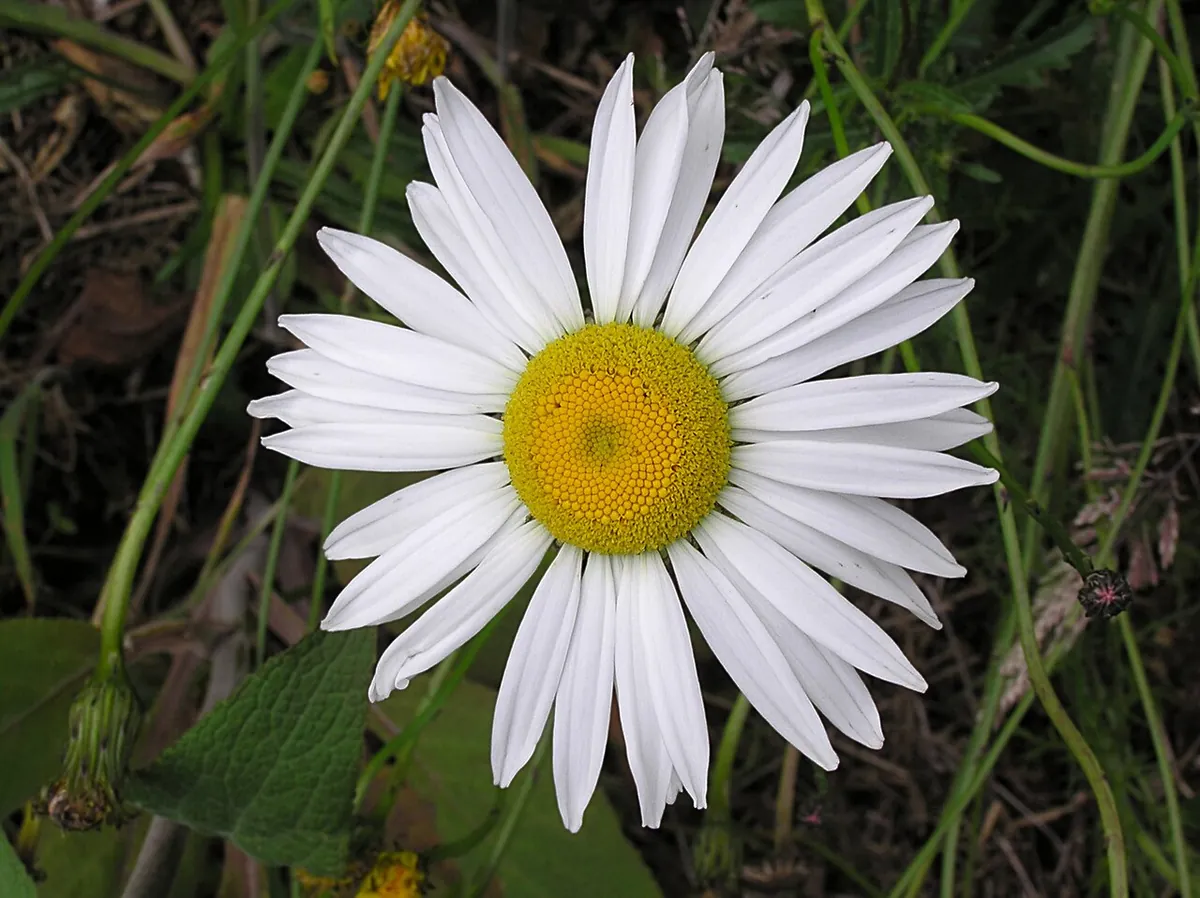
The ASPCA lists daisies (Chrysanthemum species) as toxic to dogs and cats, with vomiting, diarrhea, drooling, incoordination, and skin irritation as the expected signs. Gerbera daisies are the safe exception — the ASPCA lists them as non-toxic — while the evidence on Shasta daisies is thin and conflicting.