Are Begonias Toxic to Dogs? What Every Owner Should Know
Yes — begonias are toxic to dogs.
Begonias are toxic to dogs, usually causing vomiting and drooling. Most cases are mild, but the underground tubers and roots are the most toxic part. If your dog eats a begonia, especially a tuber, call your vet.
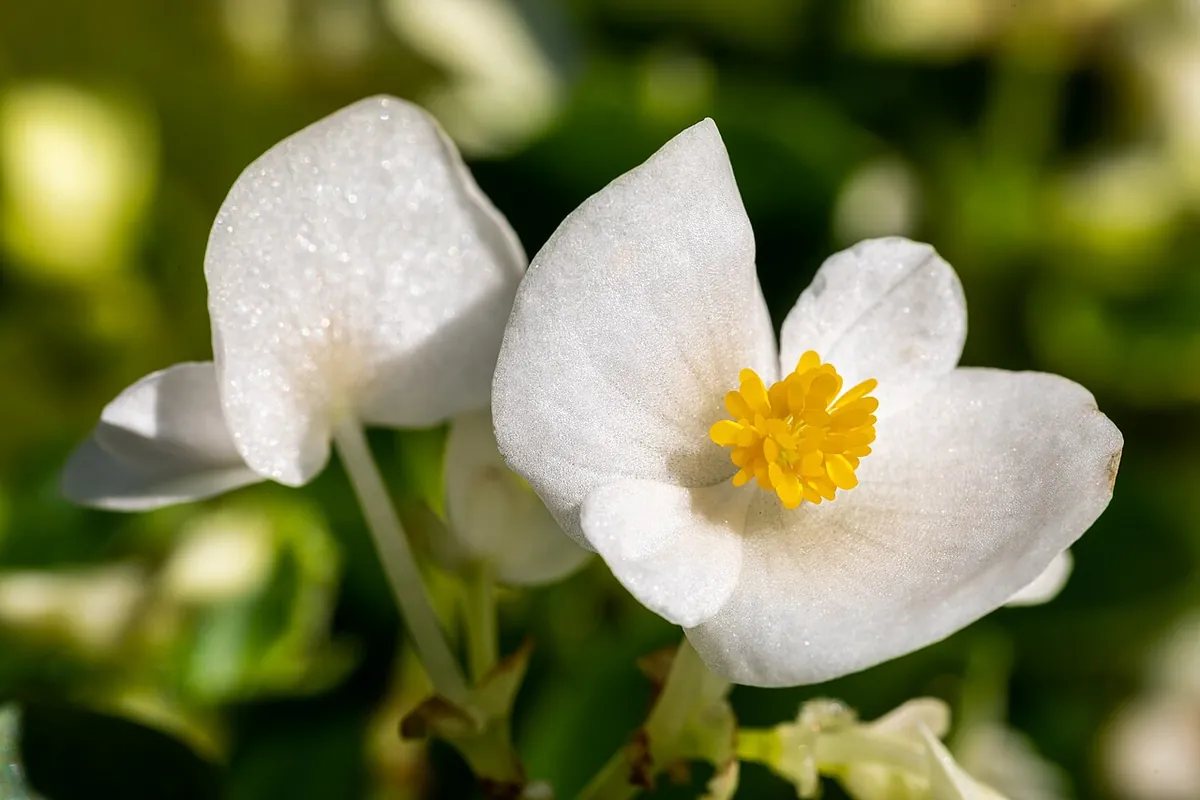

- Item
- Begonias
- Scientific name
- Begonia spp.
- Also called
- Wax begonia, Tuberous begonia, Rex begonia, Angel wing begonia
- Category
- Plants
- Verdict
- Toxic
- Symptoms start
- Onset time is not well established — the sources reviewed do not give a time for begonias in dogs. Signs usually start soon after chewing, because the irritation begins on contact with the mouth.
Yes — begonias are toxic to dogs. The ASPCA lists Begonia species as toxic to dogs, cats, and horses, and the most common signs in dogs are vomiting and excessive drooling. Most dogs that chew a leaf or two recover, but a dog that digs up and eats a tuber faces a much bigger risk.
Begonias are everywhere: they are one of the most popular houseplants in the United States, and wax begonias are planted by the millions as summer bedding plants. That is why it matters to know which part of the plant is dangerous and what to do if your dog gets into one.
If your dog ate it — what to do now
- Remove any begonia from your dog's mouth if you can do so safely, and offer a small amount of fresh water.
- Call your veterinarian or the ASPCA Animal Poison Control Center at (888) 426-4435 right away (a consultation fee may apply).
- Tell them what kind of begonia it was, which part your dog ate, how much, and when it happened, along with your dog's weight.
- Keep the plant or take a photo of it so the vet can identify it.
- Follow your vet's instructions exactly, and take your dog to the vet or an emergency clinic if they tell you to — especially if your dog ate a tuber or cannot swallow.
Do not do this
- Do not induce vomiting unless a veterinarian tells you to.
- Do not give home remedies, milk, or activated charcoal on your own.
- Do not wait to see if the symptoms pass if your dog ate a tuber or is vomiting repeatedly.
- Do not assume begonias are safe because the effects are usually mild — call your vet and check.
What makes begonias toxic to dogs?
The ASPCA lists the toxic principle in begonias as soluble calcium oxalates. These are sharp, crystal-like compounds in the plant tissue that irritate the mouth, throat, and stomach when a dog chews or swallows them. The irritation is the reason a dog that bites a begonia usually starts drooling, pawing at its mouth, or vomiting soon after.
One point of confusion is worth stating plainly. Some veterinary and gardening sources describe begonia oxalates as insoluble calcium oxalates, the same type found in pothos, philodendrons, and peace lilies. The ASPCA, the authority this site follows first, lists them as soluble calcium oxalates for begonias. Either way, the effect on a dog is the same kind of mouth and stomach irritation.
Every part of a begonia is toxic to some degree, but the underground parts carry the highest concentration. The ASPCA states that the most toxic part is underground, and gardening sources agree that the tubers, rhizomes, and roots are the most dangerous part. Leaves, stems, and flowers are less concentrated but can still cause drooling and vomiting. The ASPCA also lists kidney failure as a risk in grazing animals that eat large amounts; that kidney risk is not established for dogs.
How much begonia is dangerous for a dog?
There is no established safe dose of begonia for a dog, and no toxic dose in milligrams per kilogram has been published in the sources we reviewed. Do not assume a small nibble is harmless, and do not try to work out a safe amount from your dog's size. The right response is the same whatever the amount: watch your dog closely and call your veterinarian for advice.
The amount and the part eaten matter a great deal. A single bite of a leaf usually causes only mild mouth irritation and drooling, and many dogs stop chewing after the first unpleasant taste. A dog that digs up and swallows a tuber or a large amount of roots has taken in far more oxalates and is more likely to vomit repeatedly or have trouble swallowing. Small dogs and puppies are at higher risk from the same amount because of their size.
Symptoms of begonia poisoning in dogs
The ASPCA lists vomiting and salivation as the clinical signs in dogs and cats. Other veterinary sources add drooling, difficulty swallowing, and pawing at the mouth, which all fit the same picture of mouth and throat irritation. Diarrhea and loss of appetite are also reported when a dog swallows enough of the plant to upset the stomach.
Most cases are mild and the signs start soon after chewing, because the irritation begins the moment the crystals touch the mouth. Severe poisoning is uncommon in dogs, but a dog that has eaten a tuber, is vomiting repeatedly, cannot swallow, or seems weak needs veterinary care right away. Swelling of the mouth or throat that interferes with breathing is an emergency.
What to do if your dog eats a begonia
Stay calm and act quickly. Remove any plant material from your dog's mouth if you can do so safely, and offer a small amount of fresh water. Rinsing the mouth gently can help with the irritation, but do not force water into your dog's mouth and do not give milk or food to try to settle the stomach unless your vet tells you to.
Call your veterinarian or the ASPCA Animal Poison Control Center at (888) 426-4435 right away (a consultation fee may apply). Tell them what kind of begonia it was if you know, which part your dog ate, how much, and when it happened, along with your dog's weight. A photo of the plant helps the vet identify it.
Your vet will advise whether your dog can be watched at home or needs to be seen. Treatment is usually supportive: care for the irritated mouth and stomach, fluids if your dog has vomited a lot, and monitoring. Most dogs recover, but a dog that ate a tuber may need closer observation.
How to keep your dog safe from begonias
Begonias are common in two places dogs reach easily: as houseplants on low tables and windowsills, and as bedding plants in garden beds and containers. Wax begonias are the classic summer bedding plant, sold in flats for borders and window boxes. Tuberous begonias grow in pots and hanging baskets, and Rex begonias are popular indoor plants grown for their patterned leaves.
Keep potted begonias on high shelves or in hanging baskets your dog cannot reach, and fence off garden beds where begonias are planted. The underground risk is easy to miss: a dog that digs in a garden bed can uncover tubers and rhizomes even when the flowers are out of reach. Keep your dog away while you are repotting, dividing, or planting begonias, and pick up any tubers or root pieces that fall on the ground.
Safe alternatives to begonias
You do not have to give up color to keep your dog safe. Roses are listed as non-toxic to dogs by the ASPCA, although their thorns can injure a mouth or paw. Spider plants are also listed as non-toxic to dogs and make good hanging houseplants that stay out of reach. Petunias are another bright, dog-friendlier choice for beds and containers, and Boston ferns give you lush green foliage indoors without the oxalate risk.
If you love begonias and want to keep them, the safest option is to grow them where your dog never goes, such as a fenced front bed or a room your dog does not enter. Do not rely on a bitter taste to protect your dog: some dogs will chew a plant anyway, and a digging dog does not taste the tuber before swallowing it.
How to tell a begonia from a lookalike
Begonias are easy to recognize once you know the signs. Wax begonias have glossy, waxy, rounded leaves and clusters of small pink, red, or white flowers. Tuberous begonias have much larger, showy flowers in many colors. Rex begonias are grown for their large, patterned leaves in silver, purple, and green, and angel wing begonias have cane-like stems with spotted, wing-shaped leaves.
One name to watch for is trailing begonia, also called trailing watermelon begonia. It is not a true Begonia at all: its scientific name is Pellionia daveauana, and the ASPCA lists it as non-toxic to dogs and cats. Do not assume a plant is safe just because its common name includes the word begonia. If you are not sure which plant you have, photograph the flowers, leaves, and plant tag for your veterinarian.
Symptoms to watch for
- Vomiting
- Excessive drooling or salivation
- Difficulty swallowing
- Pawing at the mouth or face
- Mouth or throat irritation
- Diarrhea
- Loss of appetite
Symptoms usually start soon after chewing, because the oxalate crystals irritate the mouth on contact; vomiting and drooling are the most common signs.
Safe alternatives
- Roses — Listed as non-toxic to dogs by the ASPCA; thorns can injure a mouth or paw.
- Spider plants — Listed as non-toxic to dogs by the ASPCA and easy to hang out of reach.
- Petunias — Bright bedding flowers that are a safer choice for garden beds and containers.
- Boston ferns — Lush green indoor foliage without the oxalate risk of begonias.
What about cats? Begonias are also toxic to cats. The ASPCA lists Begonia species as toxic to cats as well as dogs, with the same signs of vomiting and salivation, and the tubers are the most toxic part for cats too. Keep begonias out of reach of cats as well as dogs.
Frequently asked questions
Can dogs eat begonias?
No. Begonias are toxic to dogs, and eating them can cause vomiting, drooling, and difficulty swallowing. Most cases are mild, but the tubers are the most dangerous part. Do not feed begonias to your dog on purpose.
Are all begonias toxic to dogs?
The ASPCA lists Begonia species as toxic to dogs, including wax begonias, tuberous begonias, Rex begonias, and angel wing begonias. One exception is trailing begonia (Pellionia daveauana), which is not a true begonia and is listed as non-toxic — but do not guess from the common name alone.
What part of a begonia is most toxic to dogs?
The underground parts — the tubers, rhizomes, and roots — carry the highest concentration of calcium oxalates, according to the ASPCA. Leaves, stems, and flowers are less concentrated but can still cause drooling and vomiting. A dog that digs up a tuber is at the greatest risk.
What should I do if my dog ate a begonia tuber?
Call your veterinarian or the ASPCA Animal Poison Control Center at (888) 426-4435 right away (a consultation fee may apply). Tubers are the most toxic part, so do not just watch and wait. Tell them how much your dog ate and when, and follow their instructions.
Sources
- ASPCA Poison Control — Mapleleaf Begonia
- ASPCA Poison Control — Elephant-Ear Begonia
- Plant Addicts — Are Begonia Poisonous?
Related guides
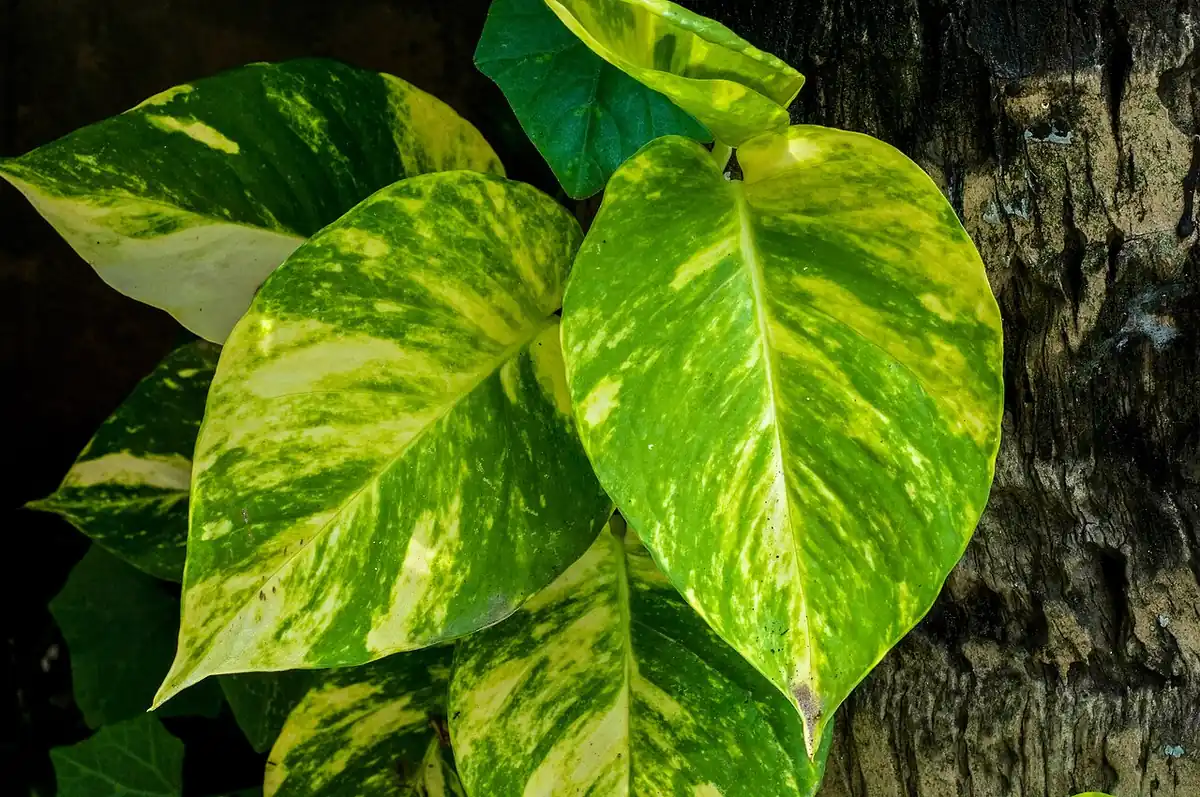
Pothos is toxic to dogs. Its leaves and stems contain insoluble calcium oxalate crystals that injure the mouth on contact, causing intense burning, drooling, and vomiting.
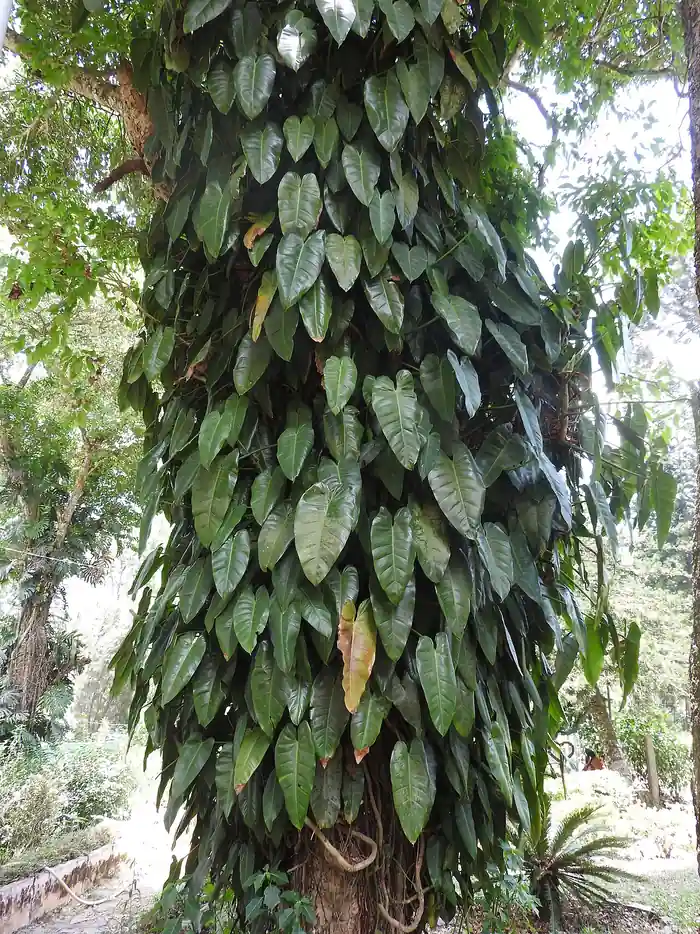
Philodendrons can poison dogs: chewing the leaves releases needle-like crystals that burn the mouth, causing drooling, swelling, and vomiting. Most exposures are mild and dogs recover fully, but throat swelling is possible, so call your vet.
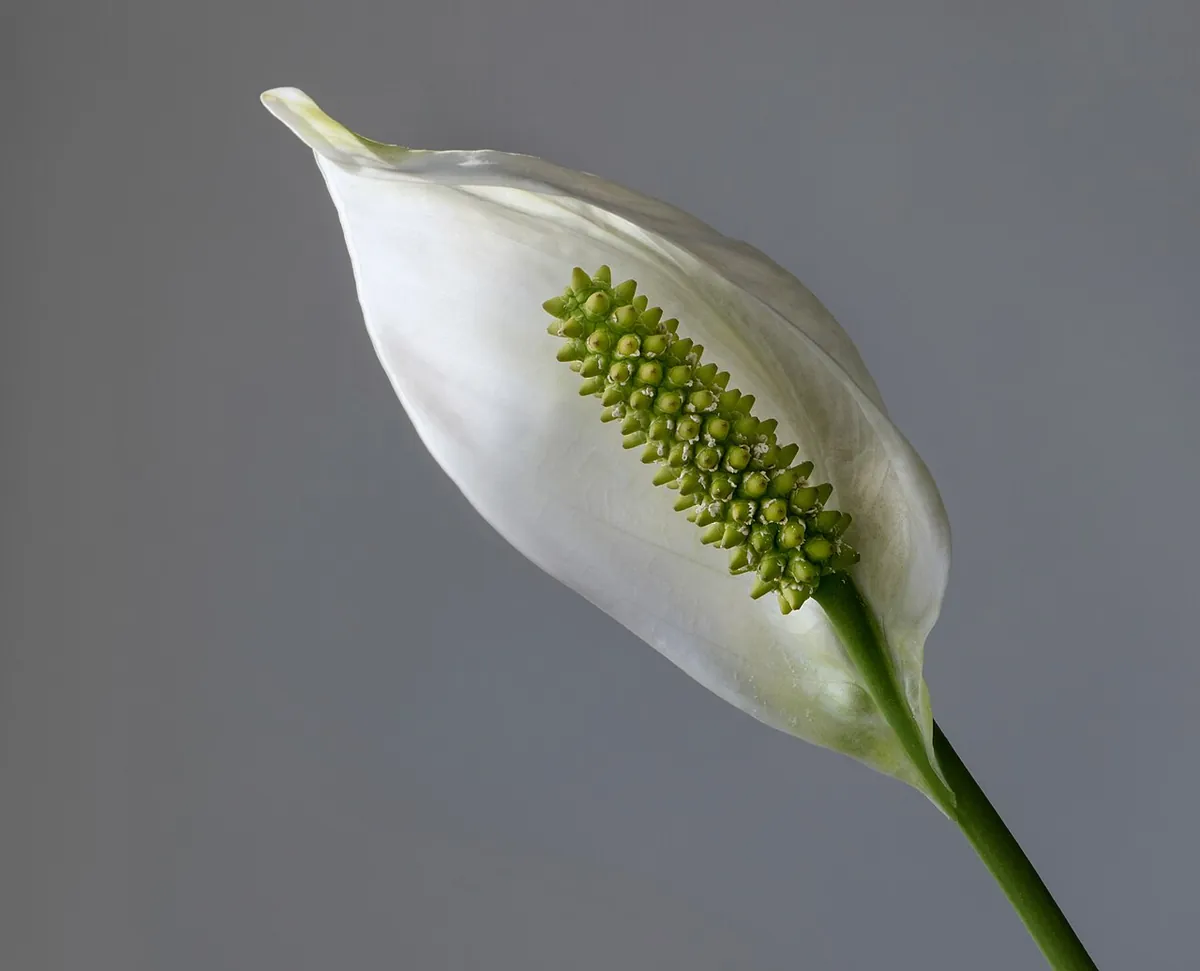
Peace lilies are toxic to dogs, but usually painful rather than life-threatening. Chewing releases calcium oxalate crystals that burn the mouth, cause drooling and vomiting, and can make swallowing difficult.

Tulips are toxic to dogs. Every part of the plant contains tulipalin A and B, but the bulb holds the highest concentration, so a dog that digs up and eats bulbs faces the greatest risk.