Are Rubber Plants Toxic to Dogs? What Every Owner Should Know
Yes — rubber plants are toxic to dogs.
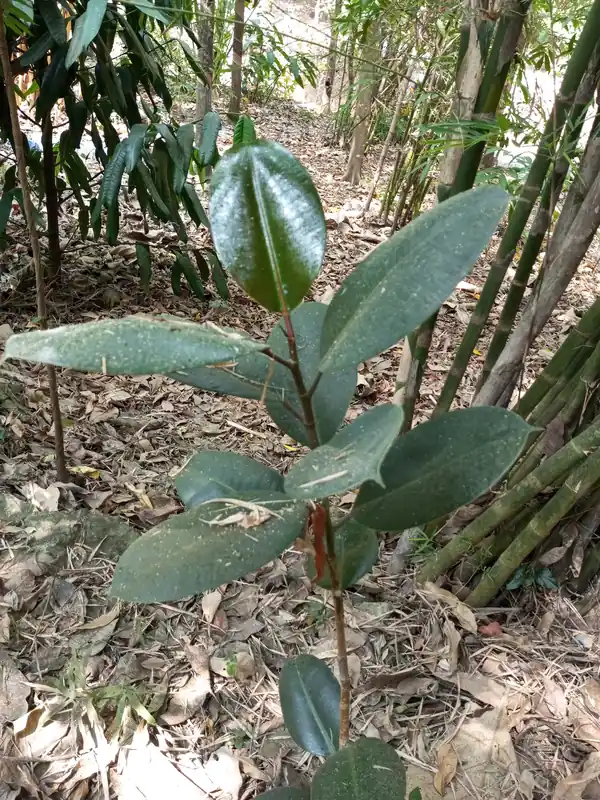
The rubber plant (Ficus elastica) is toxic to dogs and cats. Its milky white sap contains ficin and ficusin, which irritate the mouth, stomach, and skin. Chewing a leaf usually causes drooling and vomiting, and is rarely life-threatening, but it still needs a call to your veterinarian.

- Item
- Rubber plants
- Scientific name
- Ficus elastica
- Also called
- Rubber plant, Rubber tree, Rubber fig, Indian rubber plant, India rubber fig
- Category
- Plants
- Verdict
- Toxic
- Symptoms start
- Drooling and mouth irritation usually start within minutes of chewing a leaf, vomiting often follows within an hour or two, and skin irritation can appear over the next few hours.
The rubber plant is a classic houseplant: a tall stem with big, thick, glossy dark green leaves. If you own one and you own a dog, you need to know that yes, rubber plants are toxic to dogs. The danger is in the milky white sap that bleeds from any cut leaf or stem. That sap contains ficin, a proteolytic enzyme, and ficusin, a psoralen, which irritate the mouth, stomach, and skin.
The good news is that rubber plant poisoning is usually mild to moderate. Most dogs take one bite, feel the burning irritation, and stop, and the usual result is drooling and vomiting that settles with supportive care. But a dog that swallows a larger amount, a puppy, or a small breed can be sicker. There is also a naming trap to watch for: the plant most shops sell as a rubber plant is Ficus elastica, the plant the ASPCA lists as the Indian rubber plant is a different ficus, and the baby rubber plant is not a rubber plant at all.
If your dog ate it — what to do now
- Take the plant away so your dog cannot eat more, and gently remove any leaf pieces from its mouth.
- If sap is on your dog's skin or coat, wash it off with warm water and mild dishwashing soap, and keep your dog from licking the area.
- If sap got into your dog's eyes, rinse them gently with clean water for several minutes.
- Call your veterinarian or the ASPCA Animal Poison Control Center at (888) 426-4435 (a consultation fee may apply) right away, and tell them the plant name, your dog's weight, and roughly how much was eaten.
- Watch for drooling, vomiting, diarrhea, mouth swelling, or skin irritation over the next 24 hours, and seek emergency care if vomiting does not stop, the mouth swells, or your dog has trouble breathing.
Do not do this
- Do not induce vomiting unless a veterinarian tells you to.
- Do not give milk, oil, or any home remedy to dilute the sap.
- Do not wait for symptoms to appear before calling for help.
- Do not leave fallen rubber plant leaves on the floor where your dog can pick them up.
- Do not prune a rubber plant with bare hands and then handle your dog — wash the sap off first.
What makes rubber plants toxic to dogs?
Every part of the rubber plant contains a milky white latex sap, and the sap is what makes the plant toxic. The ASPCA's Ficus entries name two toxic principles: ficin, a proteolytic enzyme that breaks down proteins and irritates the tissues it touches, and ficusin, a psoralen that can irritate the skin and gut. When a dog chews a leaf, the sap causes immediate burning, drooling, and pain in the mouth, and irritates the stomach lining when swallowed, causing vomiting.
The sap is a defence mechanism, not an accident. In the wild, Ficus elastica was once grown for natural rubber, and the latex that made it valuable is the same latex that hurts a dog's mouth. A broken stem or torn leaf bleeds sap heavily, and even a fallen leaf can carry enough sap to cause drooling. The sap can also irritate skin where it touches, and it is sticky, so it can cling to paws and fur and be licked off later.
The rubber plant name trap
Rubber plant is one of the most confusing common names in houseplants, and the confusion matters for pet safety. The plant most shops sell as a rubber plant is Ficus elastica, the tall tree with thick glossy leaves. The ASPCA's Indian Rubber Plant entry is a different species, Ficus benjamina, the weeping fig. And the baby rubber plant is Peperomia obtusifolia, a small succulent-leaved plant that the ASPCA lists as non-toxic to dogs and cats.
What this means in practice is that you cannot judge safety from the common name alone. Read the botanical name on the plant tag. Ficus elastica and Ficus benjamina are both ficus trees with the same kind of irritant sap, and both should be kept away from dogs. Peperomia obtusifolia is the only one of the three that is safe, and it looks completely different: small and compact, with thick rounded leaves and no milky sap. If a shop label says only rubber plant, ask for the botanical name before you buy.
How much rubber plant is dangerous for dogs?
There is no established toxic dose of rubber plant for dogs. No veterinary reference reviewed for this page gives a number of leaves, or an amount of sap, that is safe or dangerous. The risk depends on how much your dog chewed, how big your dog is, and whether sap reached the skin or eyes as well as the mouth.
In practice, most exposures are small, because the sap tastes bad and burns. A dog that chews one leaf usually drools, paws at its mouth, and stops, and the symptoms often settle within a few hours. A dog that swallows several leaves, or a puppy or small breed that takes even a moderate amount, is more likely to vomit repeatedly, develop diarrhea, and refuse food. If your dog chewed any part of a rubber plant, call your veterinarian or poison control and describe what happened.
Symptoms of rubber plant poisoning in dogs
The first signs are almost always in the mouth. A dog that has chewed a rubber plant leaf will drool heavily, paw at its face and mouth, and may have a red or swollen mouth, tongue, or lips. Vomiting usually follows within an hour or two, and diarrhea and loss of appetite can follow over the next day. The ASPCA lists oral irritation, salivation, and vomiting as the signs for its Ficus entries, and adds dermatitis for skin contact.
Skin contact causes redness, itching, and irritation where the sap touched, most often on the paws, lips, or belly. Sap in the eyes causes watering, squinting, and pain, and needs veterinary attention. Severe poisoning from a rubber plant is uncommon, but persistent vomiting, swelling of the mouth, or difficulty breathing are reasons to seek emergency care at once.
What to do if your dog eats a rubber plant
Act quickly, and do not wait for symptoms to appear. Take the plant away so your dog cannot eat more, and gently remove any leaf pieces from your dog's mouth. If sap is on your dog's skin or coat, wash it off with warm water and mild dishwashing soap, and keep your dog from licking the area while you do it. If sap got into your dog's eyes, rinse them gently with clean water for several minutes.
Then call your veterinarian or the ASPCA Animal Poison Control Center at (888) 426-4435 (a consultation fee may apply) and tell them the plant name, your dog's weight, and roughly how much was eaten. Do not try to make your dog vomit unless a veterinarian tells you to, and do not give milk, oil, or any home remedy. At the clinic, treatment is usually supportive: washing off sap, fluids for dehydration, and medication to settle the stomach.
How to keep your dog safe around rubber plants
Keep rubber plants out of your dog's reach. A young rubber plant fits on a high shelf, but a mature one grows into a tall tree, so a room your dog cannot enter is the only reliable option for a large plant. Pick up fallen leaves promptly — they carry sap and are easy for a dog to grab.
Wear gloves when you prune a rubber plant or take cuttings, because the sap irritates human skin too, and wash your hands and tools afterward. Wipe up dripped sap, and keep cuttings in a closed bin, not an open compost pile your dog can reach. When you buy a new plant, read the botanical name on the tag and check it against the ASPCA list before you bring it home.
Safe alternatives to rubber plants
If you want the look of a rubber plant without the risk, the baby rubber plant is the obvious swap. Peperomia obtusifolia is listed by the ASPCA as non-toxic, has the same thick glossy leaves in miniature, and needs similar care. Be sure the tag really says Peperomia obtusifolia, because the name is the whole point.
Other non-toxic options include the money tree (Pachira aquatica), which grows into a small indoor tree, the spider plant, and the Boston fern for a full, leafy look. Remember that eating any plant material can cause vomiting and stomach upset in dogs, even a non-toxic one, so a safe plant is one that will not poison your dog, not one your dog should chew.
Symptoms to watch for
- Excessive drooling
- Pawing at the face and mouth
- Oral irritation, redness, or swelling of the mouth, tongue, or lips
- Vomiting
- Diarrhea
- Loss of appetite
- Skin redness, itching, or irritation where sap touched
- Lethargy
Drooling and pawing at the mouth usually start within minutes of chewing, vomiting often follows within an hour or two, and skin irritation can appear over the next few hours.
Safe alternatives
- Baby rubber plant (Peperomia obtusifolia) — Listed by the ASPCA as non-toxic to dogs and cats, with the same thick glossy leaves in miniature — but check the tag, because the name is the whole point.
- Money tree (Pachira aquatica) — A non-toxic tree-form plant that fills the same tall corner a rubber plant would.
- Spider plant — On the ASPCA non-toxic list, with glossy green foliage that works in a pot or hanging basket.
- Boston fern — A lush, non-toxic houseplant for a full, leafy look without any irritant sap.
What about cats? Rubber plants are toxic to cats as well as dogs, and the ASPCA lists the same signs — oral irritation, salivation, vomiting, and dermatitis — for cats. Do not confuse the rubber plant with the baby rubber plant (Peperomia obtusifolia), which the ASPCA lists as non-toxic to both dogs and cats.
Frequently asked questions
Are rubber plants toxic to dogs?
Yes. The rubber plant (Ficus elastica) is toxic to dogs and cats. Its milky white sap contains ficin and ficusin, which irritate the mouth, stomach, and skin, causing drooling, vomiting, and skin irritation.
Is the baby rubber plant safe for dogs?
Yes. The baby rubber plant is Peperomia obtusifolia, a completely different plant from the rubber plant, and the ASPCA lists it as non-toxic to dogs and cats. Check the botanical name on the tag, because the common name alone does not tell you which plant you have.
What happens if a dog eats a rubber plant leaf?
The sap causes immediate mouth irritation, so the dog usually drools, paws at its face, and may vomit within an hour or two. Most dogs stop after one bite because the sap tastes bad and burns. Call your veterinarian or the ASPCA Animal Poison Control Center at (888) 426-4435 for any amount eaten.
Can a rubber plant kill a dog?
Death from a rubber plant is very rare. Rubber plants are classed as mildly to moderately toxic, and most dogs recover with supportive care. Seek emergency care if vomiting does not stop, the mouth swells, or your dog has trouble breathing.
Sources
- ASPCA — Toxic and Non-toxic Plants: Indian Rubber Plant
- ASPCA — Toxic and Non-toxic Plants: Weeping Fig
- PlantGrail — Rubber plant care (Ficus elastica): light, watering, leaf drop and propagation
- Channel Islands Veterinary Hospital — Pets and Houseplants
Related guides
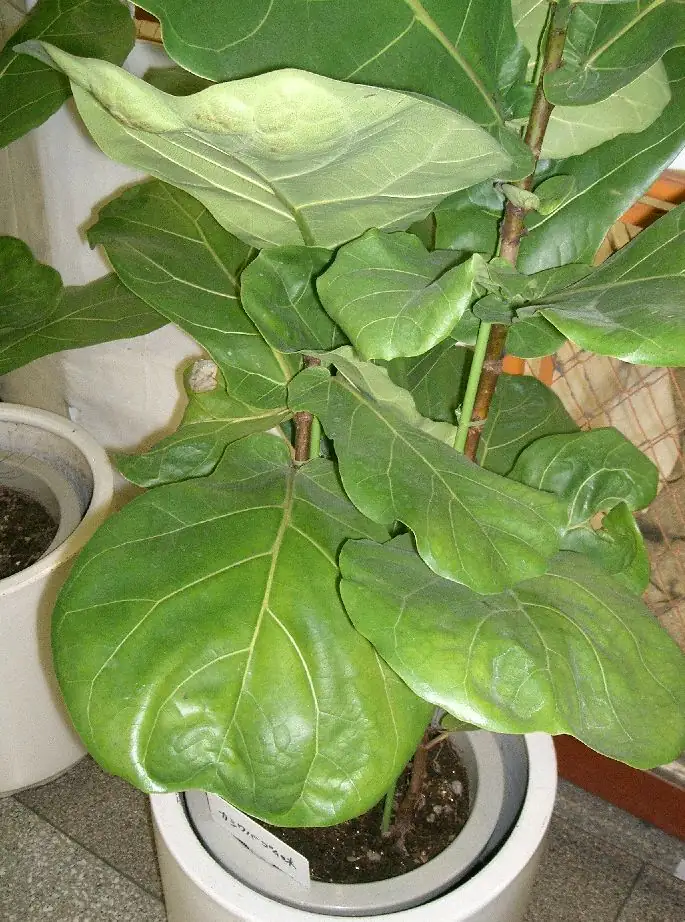
Fiddle leaf figs are mildly toxic to dogs. Chewing the leaves releases an irritating milky sap that causes mouth pain, drooling, vomiting, and diarrhea. Most cases are mild, but call your vet if your dog eats any part of the plant.
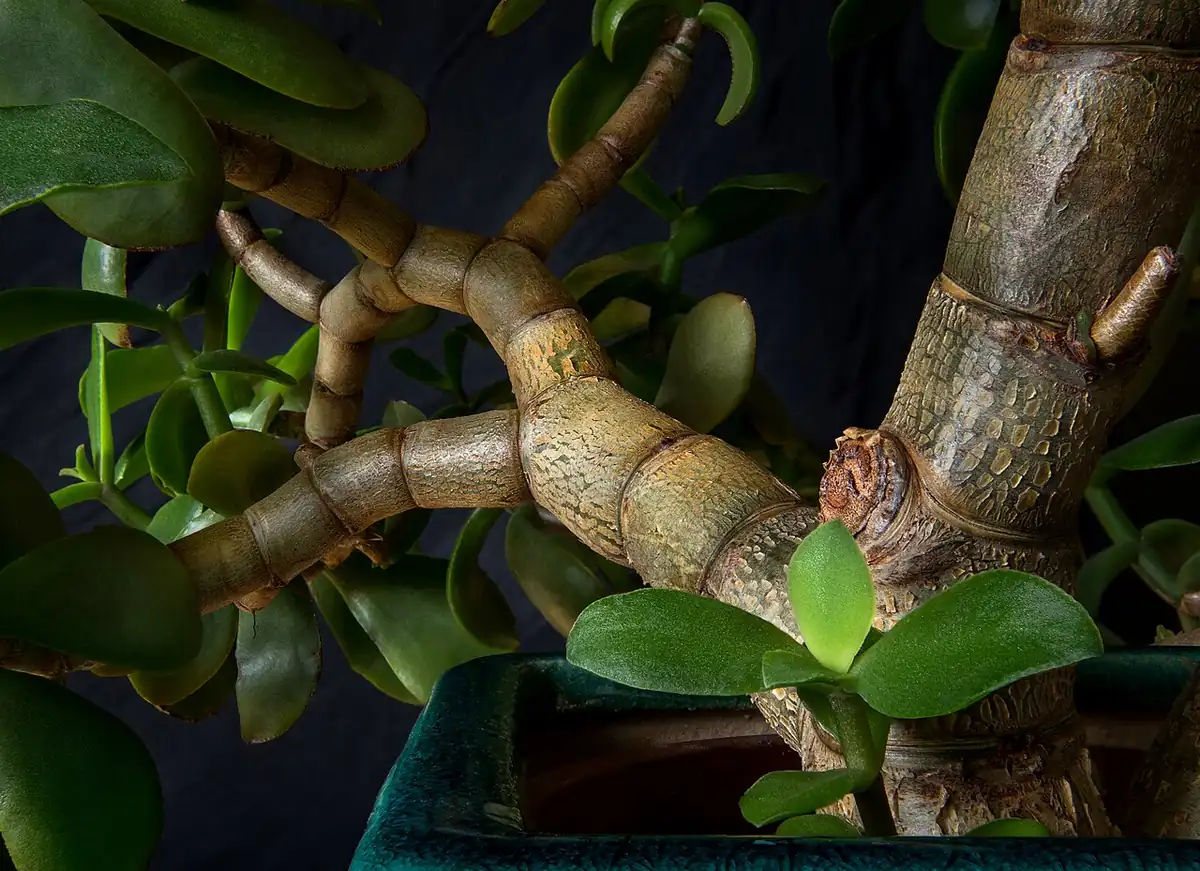
The ASPCA lists jade plants (Crassula ovata) as toxic to dogs, causing vomiting, depression, and incoordination. The exact toxin is unknown and most cases are mild, but any ingestion deserves a call to your vet.
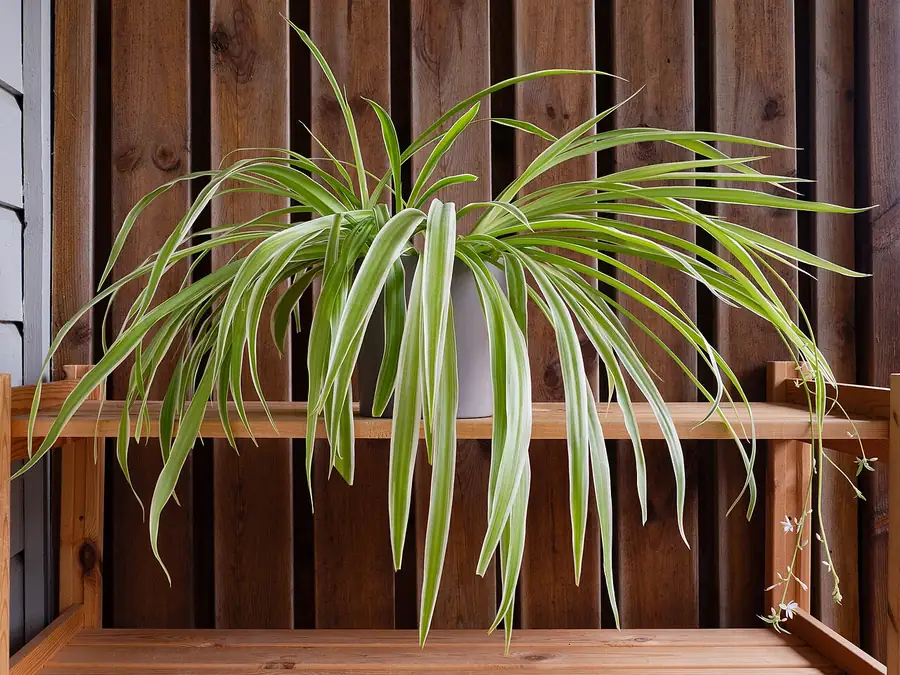
The ASPCA lists spider plants as non-toxic to dogs, cats, and horses, and PetMD includes them among the houseplants safe for dogs. A dog that eats a large amount may still get a mild stomach upset.
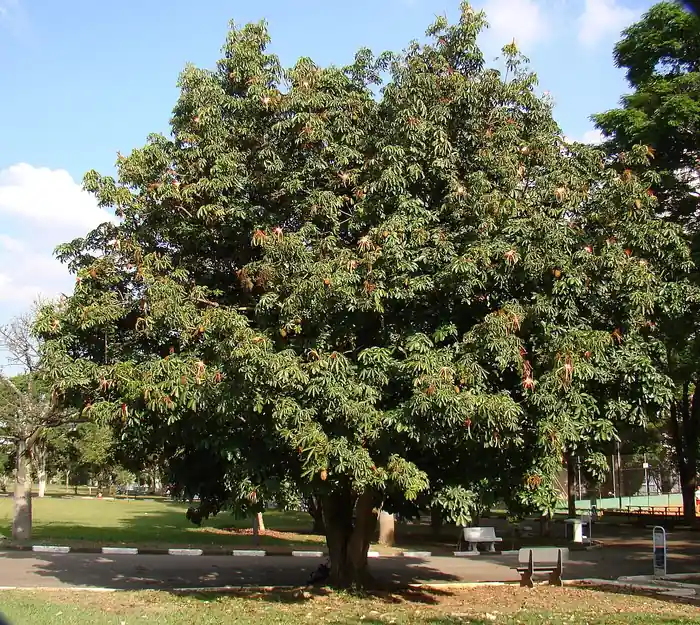
Money trees (Pachira aquatica) are listed as non-toxic to dogs by the ASPCA, with no toxic principle. A dog that chews a leaf may get mild stomach upset, but it is not a poisoning. Check the label — jade plants and pothos share the name and are toxic.