Is Hyacinth Toxic to Dogs? Bulbs Are the Real Danger
Yes — hyacinth is toxic to dogs, and the bulb is the most dangerous part.
The ASPCA lists hyacinth as toxic to dogs, with possibly narcissus-like alkaloids as the toxic principle. Eating the leaves or flowers causes mild stomach upset, but eating the bulb can cause intense vomiting, diarrhea, depression, and tremors.
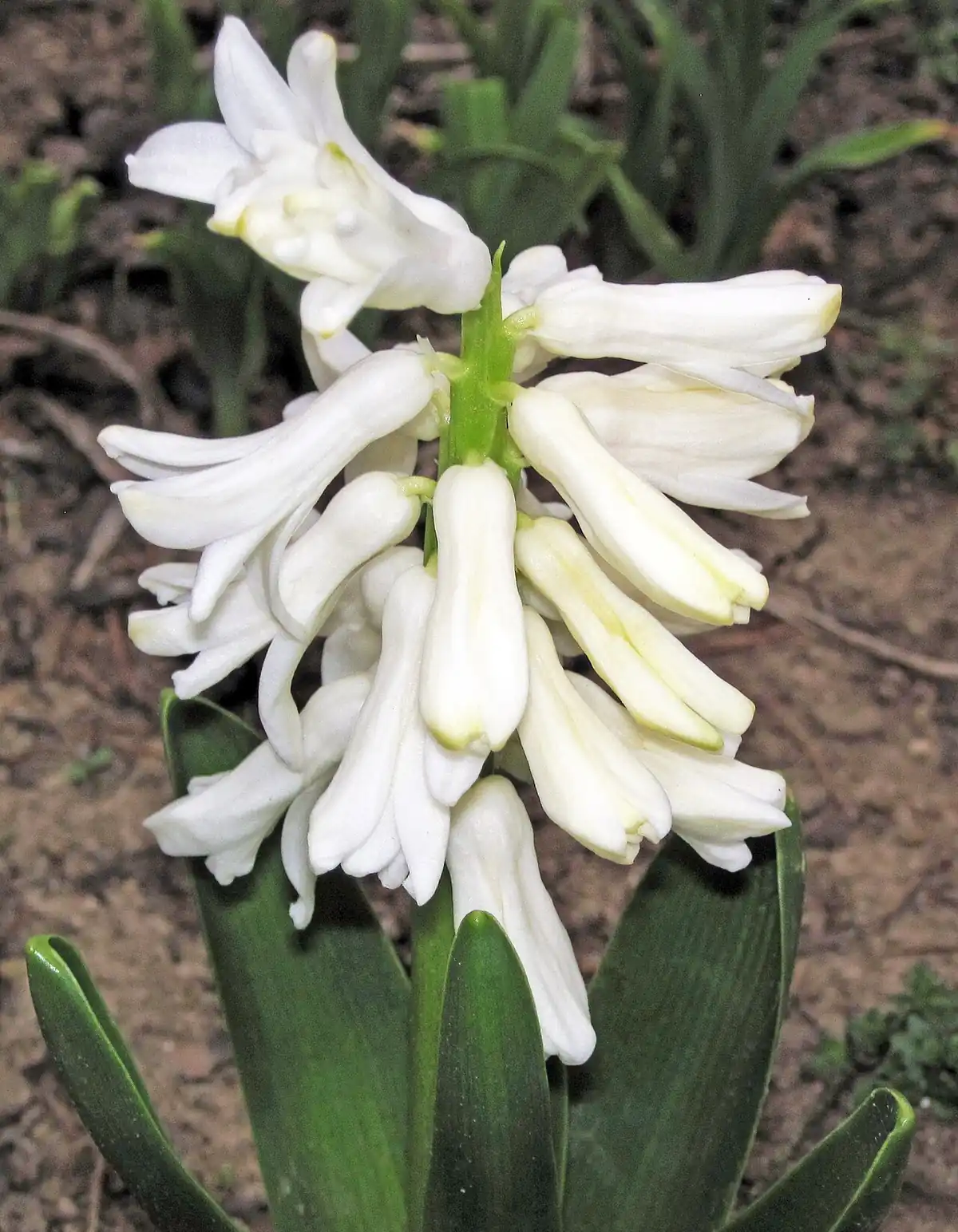

- Item
- Hyacinth
- Scientific name
- Hyacinthus orientalis
- Also called
- Hyacinth, Garden hyacinth, Common hyacinth, Dutch hyacinth
- Category
- Plants
- Verdict
- Toxic
- Symptoms start
- Signs can appear quickly after eating, often within a few hours, and vomiting may continue for some time after a bulb ingestion.
Hyacinths are one of the first flowers of spring, sold as potted plants in winter and planted as bulbs in fall, and they are also one of the spring bulbs most likely to send a dog to the vet. The ASPCA lists hyacinth (Hyacinthus orientalis) as toxic to dogs, cats, and horses, and the danger is concentrated in one place: the bulb.
A dog that nibbles a flower will probably only get a mild stomach upset. A dog that digs up a bulb, or chews through a bag of bulbs waiting to be planted, can be in serious trouble. This page explains what makes hyacinths toxic, how the bulb differs from the flower, the symptoms to watch for, and what to do if your dog gets into them.
If your dog ate it — what to do now
- Take away any remaining plant or bulb pieces so your dog cannot eat more, and gently remove pieces from your dog's mouth.
- Rinse your dog's mouth with water to wash away sap and bulb fragments.
- Call your veterinarian or ASPCA Animal Poison Control Center at (888) 426-4435 right away, and tell them which part your dog ate and roughly how much.
- Bring the plant, the bulb, or a photo of it with you so the vet can confirm the identification.
- Watch your dog closely for vomiting, diarrhea, lethargy, tremors, or breathing changes, and seek emergency care if any of these appear.
Do not do this
- Do not induce vomiting unless a veterinarian or poison-control expert tells you to.
- Do not wait to see if symptoms pass if your dog ate a bulb — call for help right away.
- Do not give milk, oil, or any home remedy to dilute the toxin.
- Do not leave bags of bulbs where your dog can reach them, and do not let your dog dig unsupervised in freshly planted beds.
- Do not assume a plant is safe just because it is called a hyacinth — grape hyacinth is safe, but garden hyacinth (Hyacinthus orientalis) is toxic.
What makes hyacinths toxic to dogs?
The ASPCA lists the toxic principle of hyacinth as "possibly narcissus-like alkaloids" — compounds similar to those in daffodils. Pet Poison Helpline explains that tulips and hyacinths contain toxic plant alkaloids throughout the whole plant, and that these alkaloids irritate the mouth, esophagus, and stomach when chewed or swallowed.
Some toxicology references also describe calcium oxalate crystals in hyacinth bulbs, which would add a sharp, needle-like irritation on top of the alkaloids, but the ASPCA does not list calcium oxalate for hyacinth, so that part of the picture is not confirmed by the main poison-control sources. What is certain is that the whole plant is toxic, and the bulb holds the highest concentration of the toxins by a wide margin.
Bulb vs. flower: which part is most dangerous?
The bulb is the danger. Pet Poison Helpline says the highest concentration of toxin is found in the bulbs, and that eating a small amount of leaves, stems, or flowers usually causes only mild nausea with vomiting. Eating bulb material is a different story: it can cause persistent vomiting, loss of appetite, diarrhea, drooling, and lethargy.
Vetstreet puts it the same way: above-ground parts may cause mild stomach upset, while ingesting the bulbs can cause bloody vomiting and diarrhea. The ASPCA's garden hyacinth entry adds that the bulbs contain the highest amount of toxin, and that contact with the plant can also cause dermatitis and allergic reactions. In practice, that means a flower nibbled off a potted plant is a minor incident, while a dug-up bulb is a veterinary emergency.
How much hyacinth is dangerous for dogs?
There is no published toxic dose of hyacinth for dogs — no number of bulbs or grams that marks the line between safe and dangerous. The risk depends on which part your dog ate, how much, and how big your dog is. One nibbled leaf is unlikely to cause more than a queasy stomach, while one whole bulb, or several bulbs from a bag, can cause severe signs.
Pet Poison Helpline notes that severe poisoning is most often seen when dogs dig up freshly planted bulbs or get access to a large bag of them. A Labrador retriever once ate 20 tulip bulbs in one sitting, according to the helpline's records, which shows how much a determined dog can swallow. Puppies and small dogs are at greater risk from the same amount, and a dog that swallows bulb pieces whole also faces a risk of a foreign body obstruction in the stomach.
Symptoms of hyacinth poisoning in dogs
The first signs are usually drooling and stomach upset. The ASPCA lists the clinical signs as intense vomiting, diarrhea, occasionally with blood, depression, and tremors. Pet Poison Helpline describes the same pattern: drooling, nausea, vomiting, and diarrhea, with larger ingestions bringing increased heart rate, increased breathing rate, and difficulty breathing.
Penn State Extension adds that hyacinth toxins can cause depression and tremors on top of the stomach signs seen with daffodils. Skin contact with the sap or bulb juice can also cause redness and irritation. Signs can appear quickly after eating, and the vomiting can be intense and prolonged, which risks dehydration. Tremors, weakness, or any change in heart rate or breathing are signs of a larger ingestion and need emergency veterinary care.
What to do if your dog eats a hyacinth
Act fast, especially if your dog ate a bulb. Take away any remaining plant or bulb pieces so your dog cannot eat more, and gently remove pieces from your dog's mouth. You can rinse your dog's mouth with water to wash away sap and bulb fragments. Then call your veterinarian or the ASPCA Animal Poison Control Center at (888) 426-4435 right away — a consultation fee may apply — and tell them which part your dog ate and roughly how much.
Do not try to make your dog vomit unless a veterinarian or poison-control expert tells you to. At the clinic, treatment is usually supportive: rinsing the mouth, anti-vomiting medication, and fluids to keep your dog hydrated. With a very large ingestion, the vet may induce vomiting or give activated charcoal to prevent the bulbs from getting stuck in the stomach and causing a blockage. Bring the plant, the bulb, or a photo of it with you so the vet can confirm the identification.
Spring planting and digging dogs: how to keep your dog safe
The highest-risk moments are fall planting and spring growth. Hyacinth bulbs go into the ground in fall, and dogs are drawn to freshly dug soil — and to the smell of organic fertilizers, which Pet Poison Helpline notes can attract dogs to the very beds where bulbs are buried. In spring, the shoots come up and the flowers open, and potted hyacinths appear indoors as gifts.
Fence off newly planted beds until the bulbs are settled, or plant bulbs in containers and raised beds your dog cannot dig in. Some gardeners cover bulb beds with chicken wire just under the soil surface to stop digging. Store bags of bulbs in a closed shed or garage, never on the ground where a dog can chew through them. Supervise your dog in the garden during planting season, teach a solid "leave it," and check the ASPCA plant list before adding any new spring bulb to a garden your dog uses.
Hyacinth vs. tulips, daffodils, and other spring bulbs
Hyacinths belong to the same risk group as tulips, daffodils, and amaryllis: spring bulbs whose toxins are concentrated underground. Tulips contain allergenic lactones called tuliposides, while hyacinths contain similar alkaloids, and both cause the same pattern of intense vomiting and diarrhea when the bulb is eaten. Daffodils add the alkaloid lycorine and are also dangerous, and amaryllis bulbs can cause tremors and abdominal pain.
Not every plant called hyacinth is a danger, though. Grape hyacinth (Muscari armeniacum) is a different plant entirely, and the ASPCA lists it as non-toxic to dogs and cats. Water hyacinth and wild hyacinth are also listed as non-toxic. So the name alone is not enough — check the scientific name. If it is Hyacinthus orientalis, the garden hyacinth, keep the bulbs away from your dog.
Symptoms to watch for
- Drooling
- Nausea
- Intense vomiting
- Diarrhea, sometimes with blood
- Loss of appetite
- Abdominal pain
- Lethargy and depression
- Tremors
- Weakness
- Increased heart rate
- Increased breathing rate or difficulty breathing
- Skin redness where sap touched
Mild stomach upset can follow nibbling a leaf or flower, while bulb ingestion causes more intense and prolonged signs. Tremors, weakness, or breathing changes point to a larger ingestion and need emergency care.
Safe alternatives
- Grape hyacinth (Muscari) — A different plant from garden hyacinth, and the ASPCA lists it as non-toxic to dogs and cats.
- Snapdragons — Bright spring flowers that are safe for dogs, with a similar upright flower spike.
- Petunias — A safe, easy bedding flower in many colors, good for the same sunny beds hyacinths occupy.
- Zinnias — Safe for dogs and loved by pollinators, with bold summer color after the spring bulbs fade.
What about cats? Hyacinth is also toxic to cats — the ASPCA lists it as toxic to cats, dogs, and horses. The same signs apply, and cats that chew a bulb face the same risks, so keep potted hyacinths and stored bulbs out of a cat's reach too.
Frequently asked questions
Is hyacinth toxic to dogs?
Yes. The ASPCA lists hyacinth (Hyacinthus orientalis) as toxic to dogs, cats, and horses. The toxic principle is possibly narcissus-like alkaloids, and the bulbs hold the highest concentration of toxin.
Are hyacinth bulbs more toxic than the flowers?
Yes, by a wide margin. Pet Poison Helpline says small amounts of leaves, stems, or flowers usually cause only mild nausea with vomiting, while eating bulb material can cause persistent vomiting, diarrhea, drooling, and lethargy. The bulb is the part to guard most carefully.
My dog dug up a hyacinth bulb — what should I do?
Remove any remaining bulb pieces, rinse your dog's mouth with water, and call your veterinarian or ASPCA Animal Poison Control at (888) 426-4435 right away. Do not induce vomiting unless a vet tells you to. Bulb ingestion can cause intense vomiting and, in large amounts, tremors and breathing changes, so treat it as an emergency.
Is grape hyacinth toxic to dogs?
No. Grape hyacinth (Muscari armeniacum) is a different plant from garden hyacinth, and the ASPCA lists it as non-toxic to dogs and cats. Check the scientific name — if it is Hyacinthus orientalis, it is the toxic garden hyacinth.
Sources
- ASPCA — Toxic and Non-toxic Plants: Hyacinth
- Pet Poison Helpline — Tulips & Hyacinths
- Penn State Extension — Spring Holiday Plants and Pets
- Vetstreet — Bulbs, Corms, Tubers and Rhizomes That Are Dangerous for Pets
Related guides
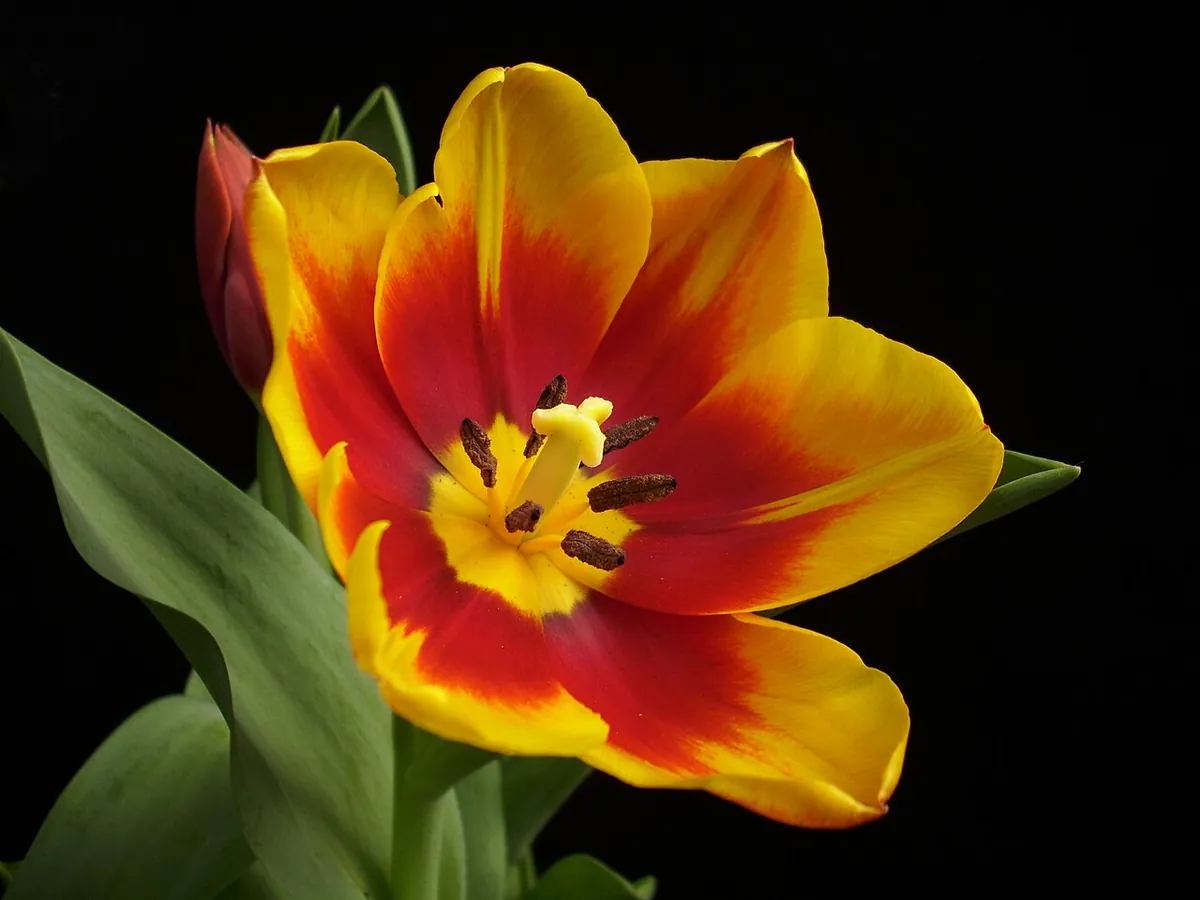
Tulips are toxic to dogs. Every part of the plant contains tulipalin A and B, but the bulb holds the highest concentration, so a dog that digs up and eats bulbs faces the greatest risk.
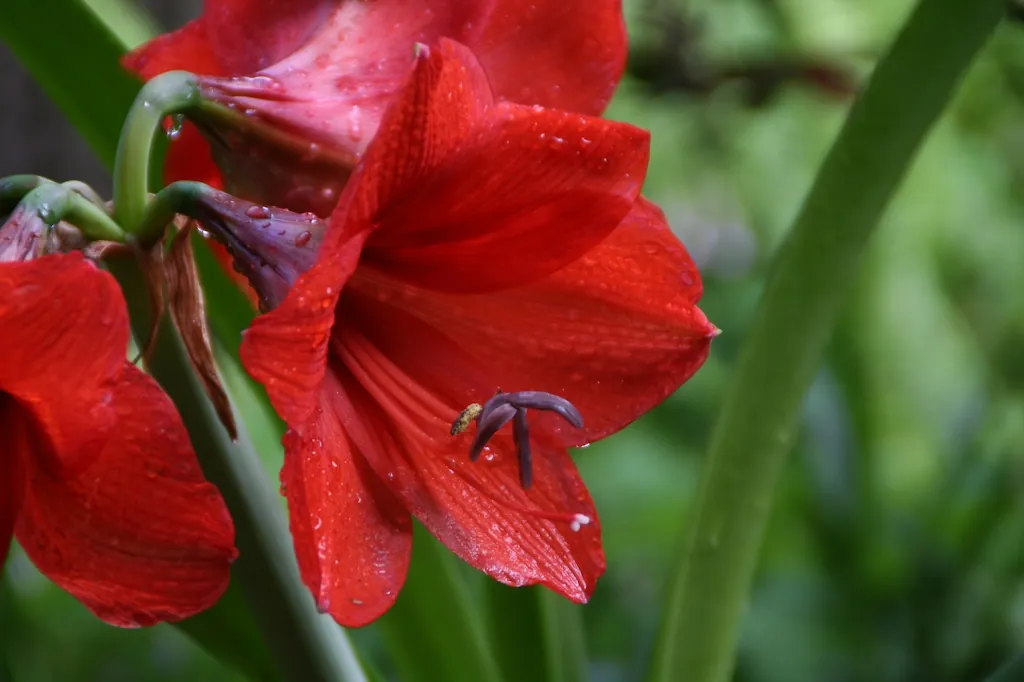
Amaryllis is toxic to dogs. The ASPCA lists it as toxic, with lycorine as the poison, and the bulb is the most dangerous part. A leaf nibble may cause only vomiting, but eating a bulb can cause tremors, low blood pressure, and breathing trouble.
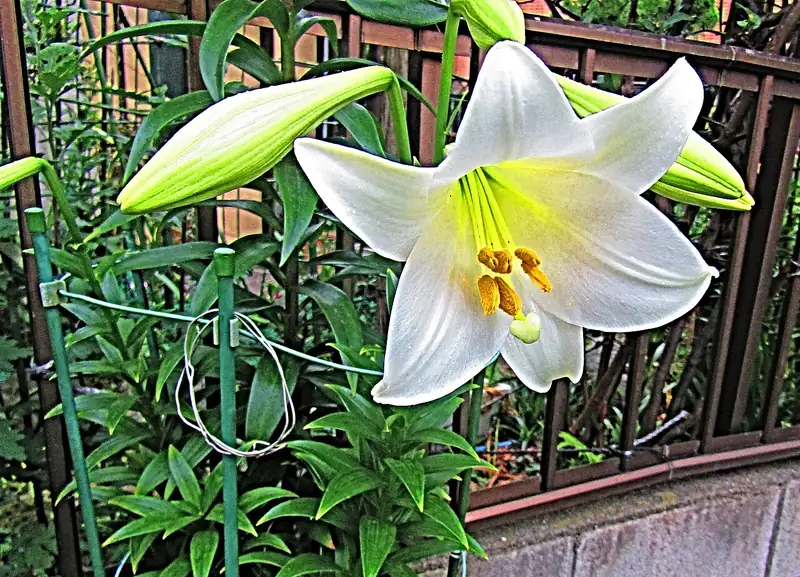
Lilies can poison dogs, usually causing vomiting, diarrhea, and drooling. True lilies are far more dangerous to cats, where they can cause fatal kidney failure. If your dog eats any lily, call your vet.
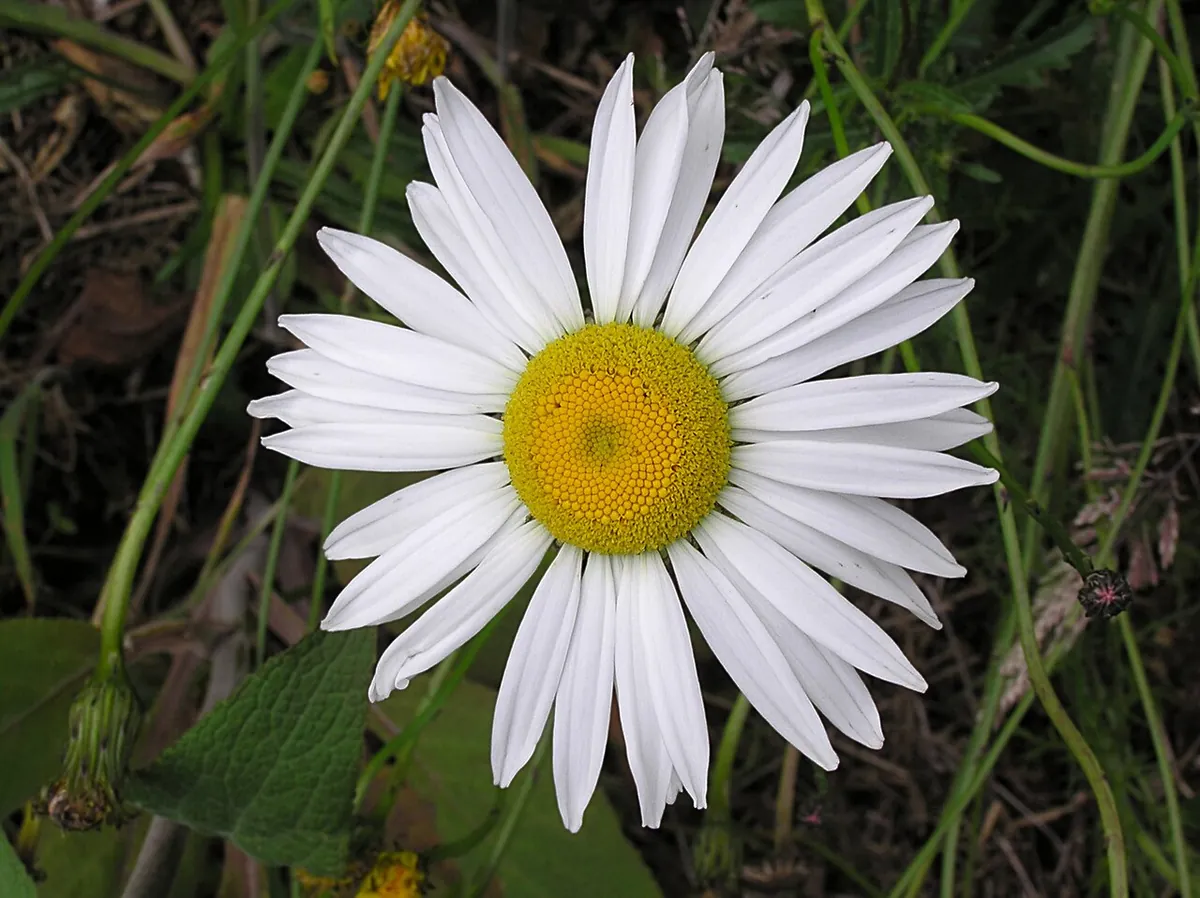
The ASPCA lists daisies (Chrysanthemum species) as toxic to dogs and cats, with vomiting, diarrhea, drooling, incoordination, and skin irritation as the expected signs. Gerbera daisies are the safe exception — the ASPCA lists them as non-toxic — while the evidence on Shasta daisies is thin and conflicting.