Is Anthurium Toxic to Dogs? What Every Owner Should Know
Yes — anthurium is toxic to dogs.
Anthurium can poison dogs: chewing the leaves or flowers releases needle-like crystals that burn the mouth, causing drooling, swelling, and vomiting. Most exposures are mild and dogs recover fully, but throat swelling is possible, so call your vet.
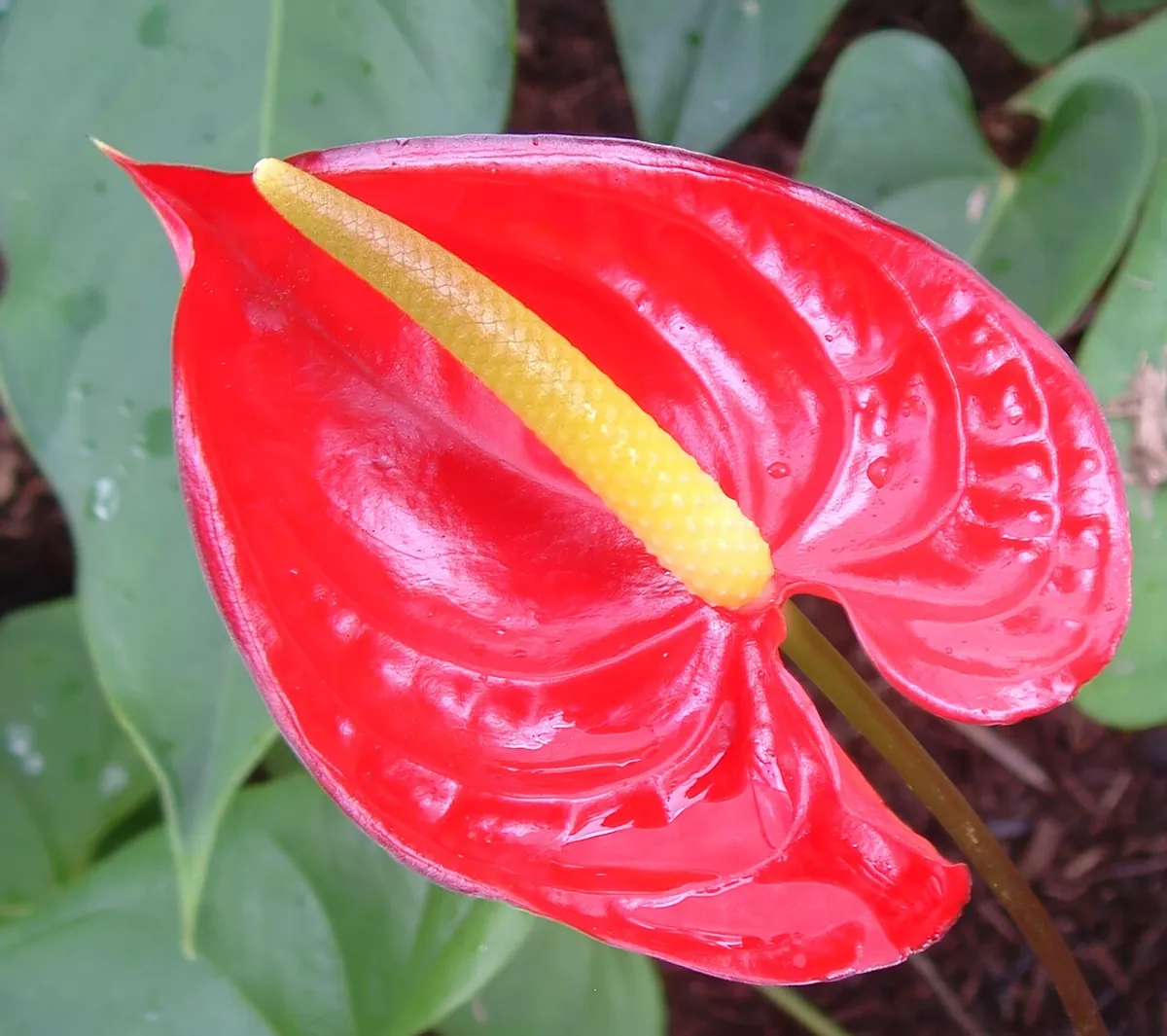

- Item
- Anthurium
- Scientific name
- Anthurium spp.
- Also called
- Flamingo flower, Flamingo lily, Tail flower, Oilcloth flower, Pigtail plant, Painter's palette
- Category
- Plants
- Verdict
- Toxic
- Symptoms start
- Usually within minutes of chewing the plant — the Merck Veterinary Manual describes the pain and irritation from insoluble oxalate plants as immediate.
Yes — anthurium is toxic to dogs. It is one of the most recognisable houseplants in American homes: the glossy, heart-shaped red spathe with a yellow spike in the middle, sold as flamingo flower or tail flower. It flowers for months at a time, which is why so many dogs meet it.
Every part of the plant carries the same hazard — tiny needle-like crystals that burn the mouth the moment a dog chews a leaf or a flower. The pain is usually immediate and mild, and most dogs recover fully. But a dog that swallows a lot of plant material can develop a swollen throat, so call your vet about every exposure.
If your dog ate it — what to do now
- Remove any anthurium from your dog's mouth if you can do so safely, and gently rinse or wipe the mouth with water to clear remaining crystals.
- Call your veterinarian or the ASPCA Animal Poison Control Center at (888) 426-4435 right away (a consultation fee may apply).
- Tell them which kind of anthurium it was if you know, how much your dog ate, when it happened, and your dog's weight.
- Offer a small amount of milk, yogurt, or vanilla ice cream only if your dog can swallow comfortably and your vet agrees — check that it contains no xylitol.
Do not do this
- Do not induce vomiting unless a veterinarian tells you to — it can irritate the mouth and throat further.
- Do not give home remedies, milk, or activated charcoal on your own without veterinary advice.
- Do not force water or food into your dog's mouth if it is having trouble swallowing.
- Do not wait to see if the symptoms pass on their own if your dog has swelling or breathing trouble.
What makes anthurium toxic to dogs?
Anthurium belongs to the arum family (Araceae). It defends itself with insoluble calcium oxalate crystals — microscopic, needle-shaped structures called raphides — packed into the leaves, stems, flowers, and sap. The ASPCA's listing for tail flower (Anthurium scherzeranum) names insoluble calcium oxalates as the toxic principle.
When a dog chews the plant, the cells holding the crystals burst open, releasing the raphides into the mouth to stab the tongue, lips, and throat. The pain is immediate, so most dogs stop after a single bite. The ASPCA lists the signs as intense burning of the mouth, tongue, and lips, excessive drooling, vomiting, and difficulty swallowing. The crystals are insoluble, so they are not absorbed into the bloodstream and pose no kidney injury concern, according to the Merck Veterinary Manual.
- Toxic principle: insoluble calcium oxalate crystals (raphides)
- Every part of the plant is toxic: leaves, stems, flowers, and sap
- The crystals act on contact, not through the bloodstream
How much anthurium is dangerous for a dog?
No safe dose of anthurium for a dog has been established, and no toxic dose in milligrams per kilogram appears in the sources we reviewed. Even a single chewed leaf or flower can cause mouth pain and drooling, because the crystals act on contact — call your vet and describe what happened.
With large exposures, the ASPCA notes, there can be significant stomach pain or swelling in the back of the throat that leads to breathing difficulty. That is the rare worst case, and it is why size matters: a puppy that shreds several leaves faces more risk than a large dog that takes one bite and drops it.
- No toxic dose in mg/kg has been established
- No safe dose has been established either
- One bite can hurt; several shredded leaves or flowers are a bigger risk, especially for a puppy
- Overall severity is low and long-term effects are not expected (ASPCA)
Symptoms of anthurium poisoning in dogs
Symptoms usually start within minutes of chewing, because the crystals injure the mouth on contact. The first signs are often behavioural: your dog paws at its mouth, shakes its head, or rubs its face on the floor. Drooling often follows, and the mouth, lips, or tongue may look red or swollen.
Swallowed plant material can bring vomiting, nausea, and loss of appetite, and difficulty swallowing if the throat is swollen. Watch your dog for at least 24 hours, and call your vet if vomiting continues, your dog refuses food and water, or any swelling or breathing trouble appears.
- ASPCA signs: intense burning of mouth, tongue, and lips, excessive drooling, vomiting, difficulty swallowing
- Other signs: pawing at the mouth, head shaking, redness and swelling, lethargy, loss of appetite
What to do if your dog eats anthurium
Remove any plant material from your dog's mouth if you can do so safely, and gently rinse or wipe the mouth with water to clear away remaining crystals — the Merck Veterinary Manual recommends exactly this. Note the time and roughly how much your dog ate.
Call your veterinarian or the ASPCA Animal Poison Control Center at (888) 426-4435 right away (a consultation fee may apply). Tell them which kind it was if you know, how much your dog ate, when it happened, and your dog's weight. The Merck Veterinary Manual notes that milk or other calcium-containing dairy products are sometimes used, because the insoluble oxalates bind to the calcium and help clear the mouth and throat — offer dairy only if your dog can swallow comfortably and your vet agrees, and check that it contains no xylitol. Most exposures carry a good to excellent prognosis, but if your dog has trouble swallowing or breathing, go to a veterinary hospital immediately — swelling at the back of the throat can block the airway.
- Remove plant material from the mouth if safe, and gently rinse or wipe the mouth with water
- Call your vet or ASPCA Animal Poison Control at (888) 426-4435 (a consultation fee may apply)
- Go to a veterinary hospital immediately if your dog has trouble swallowing or breathing
How to keep your dog safe from anthurium
Keep anthurium where your dog cannot reach it. The flowers sit on long stalks at exactly the height of a curious nose, and the glossy red spathes are the part a dog notices first. Place the pot on a high, stable shelf or in a room your dog does not enter unsupervised, and pick up fallen flowers and leaves promptly.
Wear gloves if the sap irritates your skin when you prune or repot, and keep cuttings out of your dog's reach. Check the ASPCA's toxic plant list before buying a new houseplant, and consider swapping anthurium for a non-toxic alternative, especially with a puppy or a known chewer. Pruning debris belongs in a closed bin, not on the floor.
- Place anthurium on a high, stable shelf or in a room your dog does not enter unsupervised
- Pick up fallen flowers and leaves promptly
- Wear gloves when pruning or repotting if the sap irritates your skin
Anthurium products in the home: houseplant, cut flowers, and arrangements
The potted houseplant is the form most dogs meet, but cut anthurium flowers are a second risk. The long-lasting red spathes are popular in bouquets, and a vase on a low table puts the flowers exactly at a dog's nose height. Treat cut flowers the same as the potted plant: every part carries the crystals.
Anthurium also appears in mixed planters and gift baskets, where it is easy to miss among safer plants. Identify every plant in a mixed arrangement before you put it where your dog can reach it. There is no anthurium oil or food product — the risk is the plant itself, its flowers, and its sap.
- Potted plant: the most common exposure; keep it out of reach
- Cut flowers: just as toxic — keep arrangements high up
- Mixed planters: identify every plant before placing them low
Safe alternatives to anthurium
You do not have to give up bright, long-lasting flowers to keep your dog safe. Phalaenopsis orchids are listed as non-toxic to dogs by the ASPCA, flower for months like anthurium, and give the same elegant look on a windowsill. Roses are also listed as non-toxic, although their thorns can injure a mouth or paw.
For the same glossy green foliage without the flowers, a spider plant is a safe choice — it is listed as non-toxic to dogs by the ASPCA and tolerates the same low light as an anthurium. Check the ASPCA's list before you buy.
- Orchids: Phalaenopsis orchids are non-toxic to dogs (ASPCA)
- Roses: non-toxic to dogs (ASPCA)
- Spider plants: non-toxic to dogs (ASPCA)
Symptoms to watch for
- Intense burning and irritation of the mouth, lips, and tongue
- Pain and swelling of the mouth, tongue, and lips
- Excessive drooling
- Pawing at the mouth
- Head shaking
- Vomiting
- Difficulty swallowing
- Loss of appetite
- Lethargy
- Difficulty breathing (rare, emergency)
Symptoms usually start within minutes of chewing the plant, because the crystals injure the mouth on contact. Watch your dog for at least 24 hours after an exposure.
Safe alternatives
- Spider plants — Listed as non-toxic to dogs by the ASPCA and easy to hang out of reach.
- Roses — Listed as non-toxic to dogs by the ASPCA; thorns can injure a mouth or paw.
- Orchids — Phalaenopsis orchids are listed as non-toxic to dogs by the ASPCA and give the same elegant look.
What about cats? Anthurium is toxic to cats as well as dogs — the ASPCA lists it as toxic to both. The Merck Veterinary Manual notes that cats are believed to be more sensitive than dogs to plants containing insoluble oxalates, so in a home with a cat, keep anthurium out of reach entirely, since cats climb and can reach plants a dog never could.
Frequently asked questions
Can dogs eat anthurium?
No. Anthurium is toxic to dogs. Every part of the plant contains insoluble calcium oxalate crystals that burn the mouth on contact, causing drooling, pawing at the mouth, swelling, and vomiting. Keep anthurium out of your dog's reach and call your vet if your dog chews one.
Why is anthurium toxic to dogs?
Anthuriums contain insoluble calcium oxalate crystals, called raphides, packed into their leaves, stems, and sap. When a dog chews the plant, the crystals are released and stab the tissue of the mouth, tongue, and throat. Because the crystals do not dissolve, they are not absorbed into the bloodstream, so the injury stays local — painful, but not the organ damage seen with some other toxic plants.
Are all anthurium varieties toxic to dogs?
Yes. All anthurium species carry the same insoluble calcium oxalate crystals, from the common flamingo flower (Anthurium andraeanum) to the tail flower (Anthurium scherzeranum) named in the ASPCA's listing. The Merck Veterinary Manual lists Anthurium species as a group among the insoluble oxalate plants, so treat every anthurium the same way.
What should I do if my dog ate anthurium?
Remove any plant material from your dog's mouth if you can do so safely, and gently rinse or wipe the mouth with water to clear remaining crystals. Call your veterinarian or the ASPCA Animal Poison Control Center at (888) 426-4435 right away (a consultation fee may apply). Tell them how much your dog ate and when. If your dog has trouble swallowing or breathing, go to a veterinary hospital immediately.
Sources
- ASPCA Poison Control — Tail Flower
- ASPCA Poison Control — These Houseplants Can Cause Trouble for Your Pets
- Merck Veterinary Manual — Houseplants and Ornamentals Toxic to Animals
Related guides
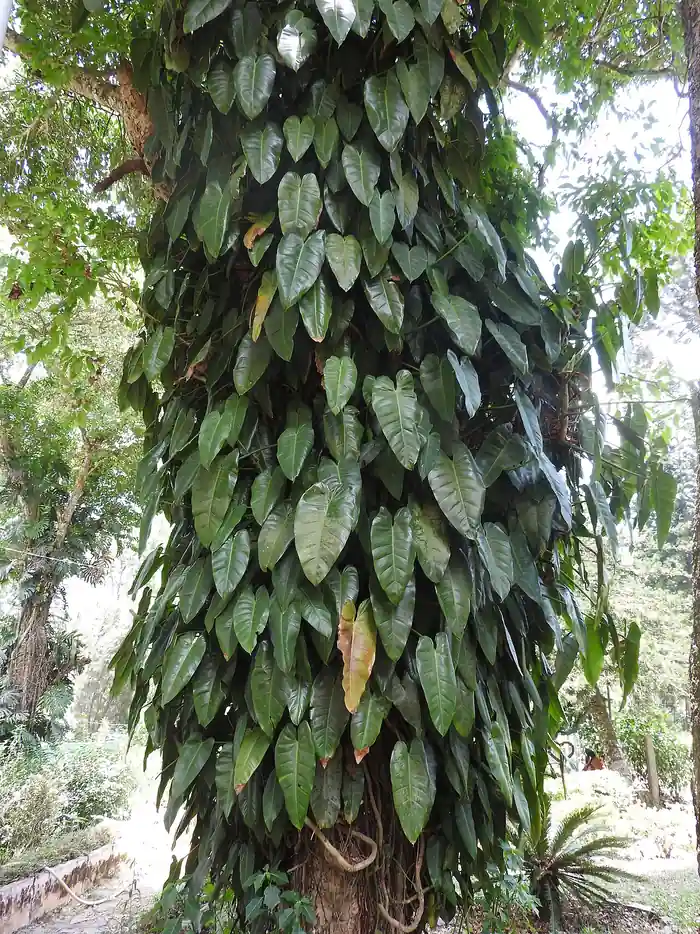
Philodendrons can poison dogs: chewing the leaves releases needle-like crystals that burn the mouth, causing drooling, swelling, and vomiting. Most exposures are mild and dogs recover fully, but throat swelling is possible, so call your vet.
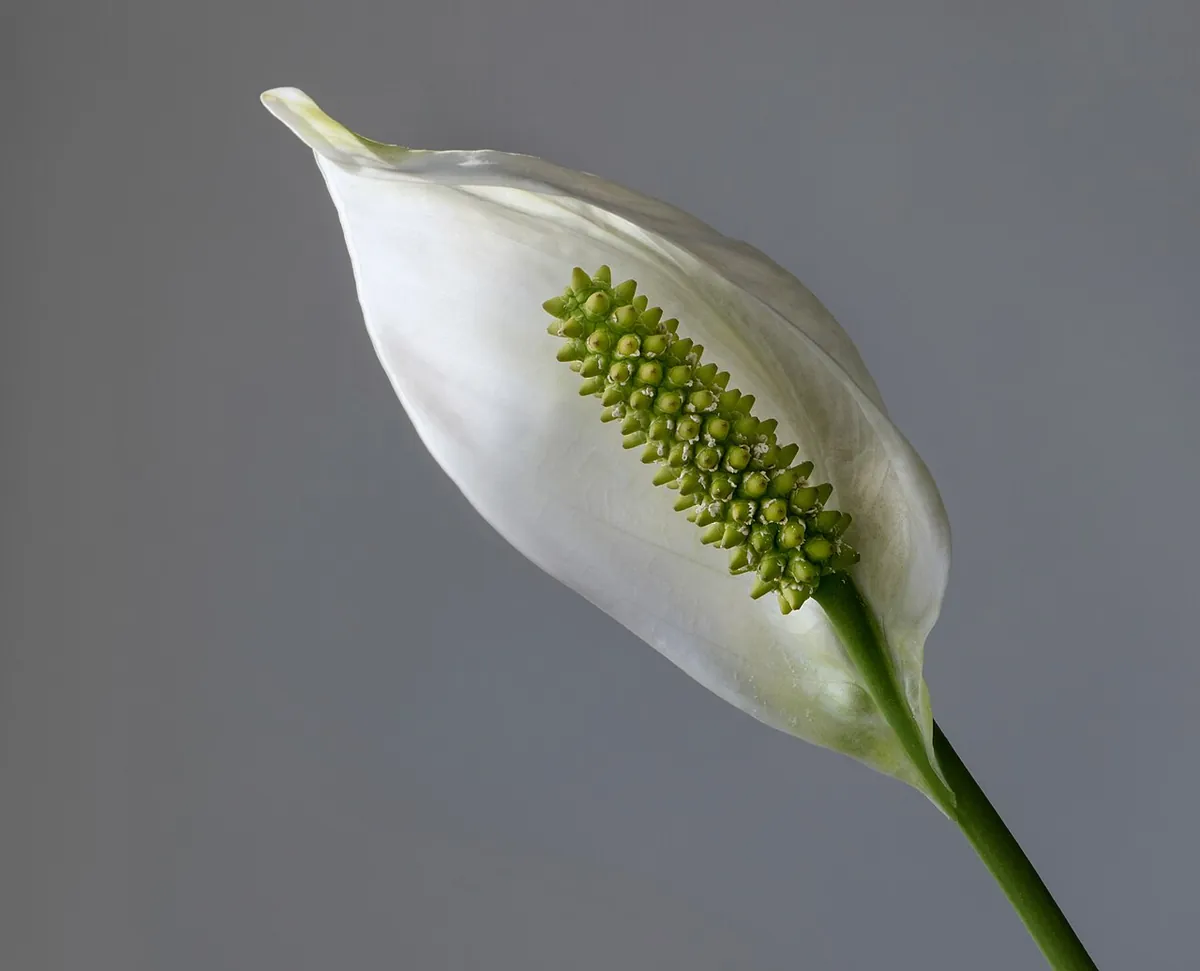
Peace lilies are toxic to dogs, but usually painful rather than life-threatening. Chewing releases calcium oxalate crystals that burn the mouth, cause drooling and vomiting, and can make swallowing difficult.
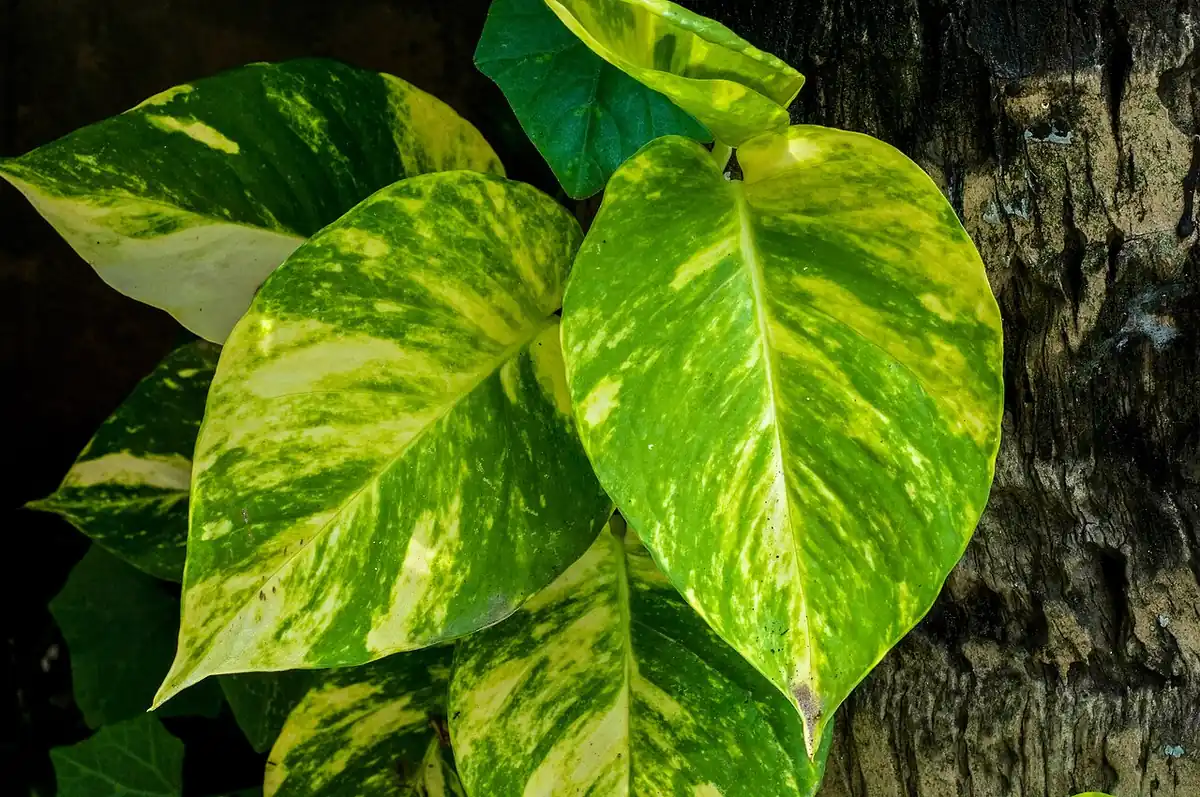
Pothos is toxic to dogs. Its leaves and stems contain insoluble calcium oxalate crystals that injure the mouth on contact, causing intense burning, drooling, and vomiting.
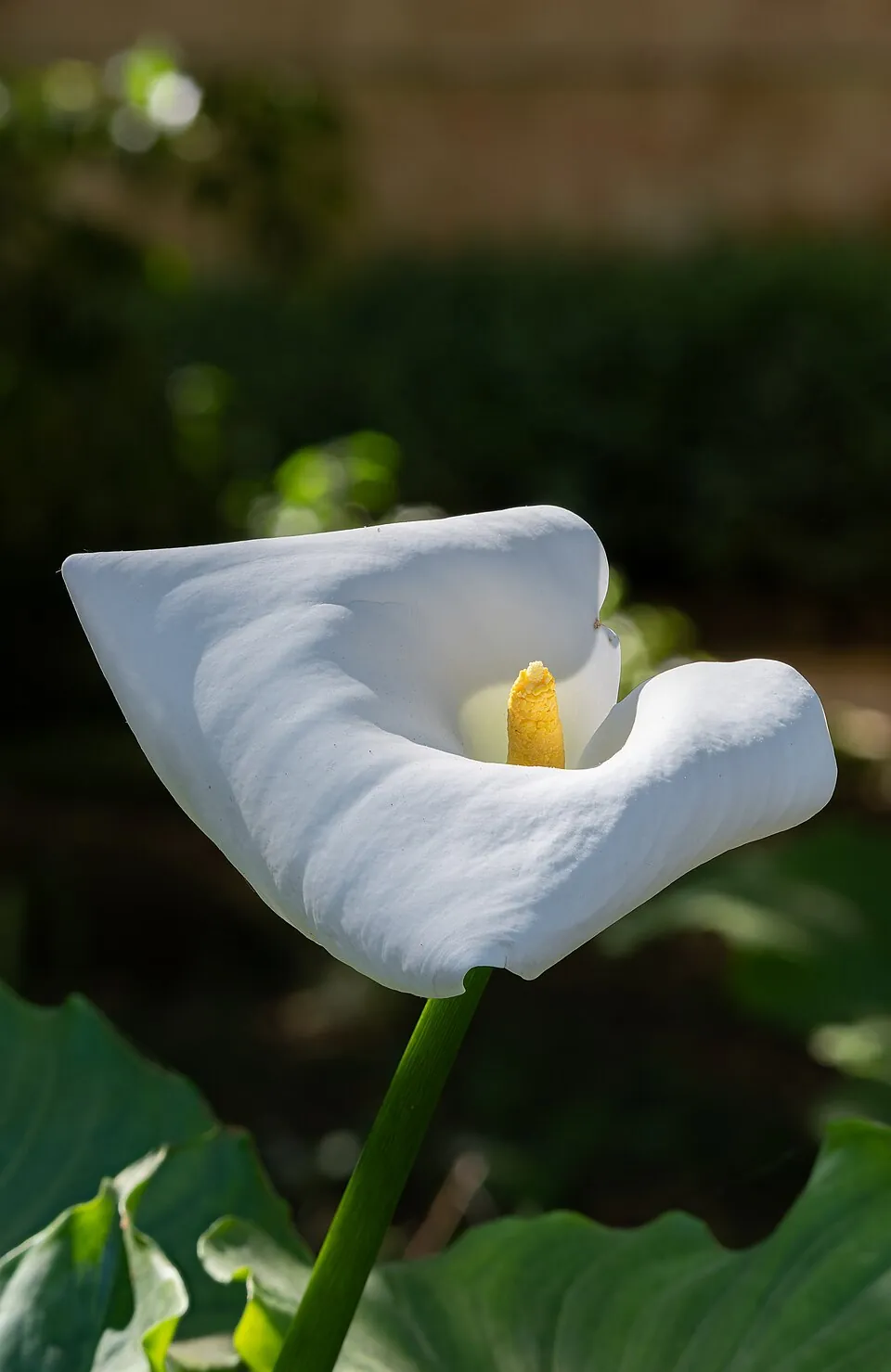
The ASPCA lists calla lilies as toxic to dogs. Their calcium oxalate crystals cause intense mouth pain, drooling, and vomiting, but the severity is usually low — call your vet, and get emergency help if your dog cannot swallow or breathe.